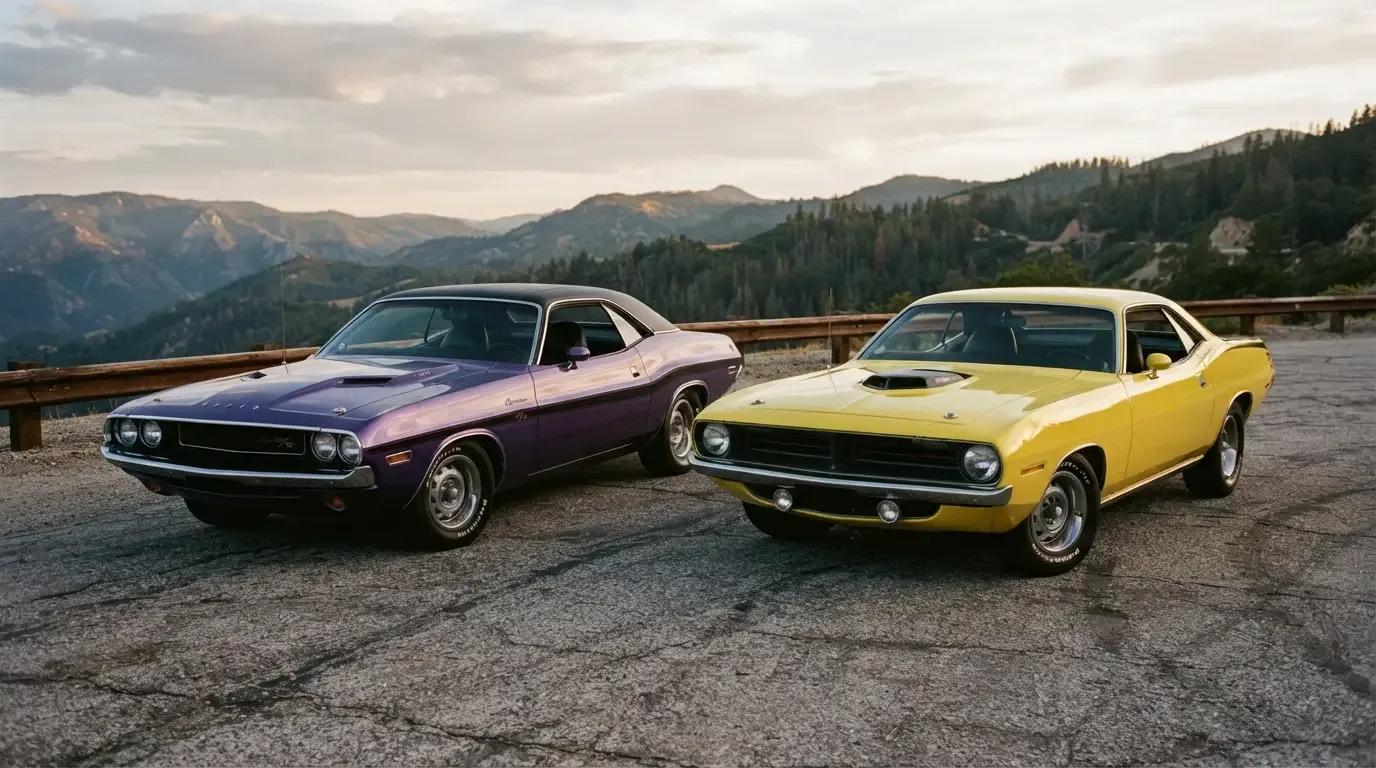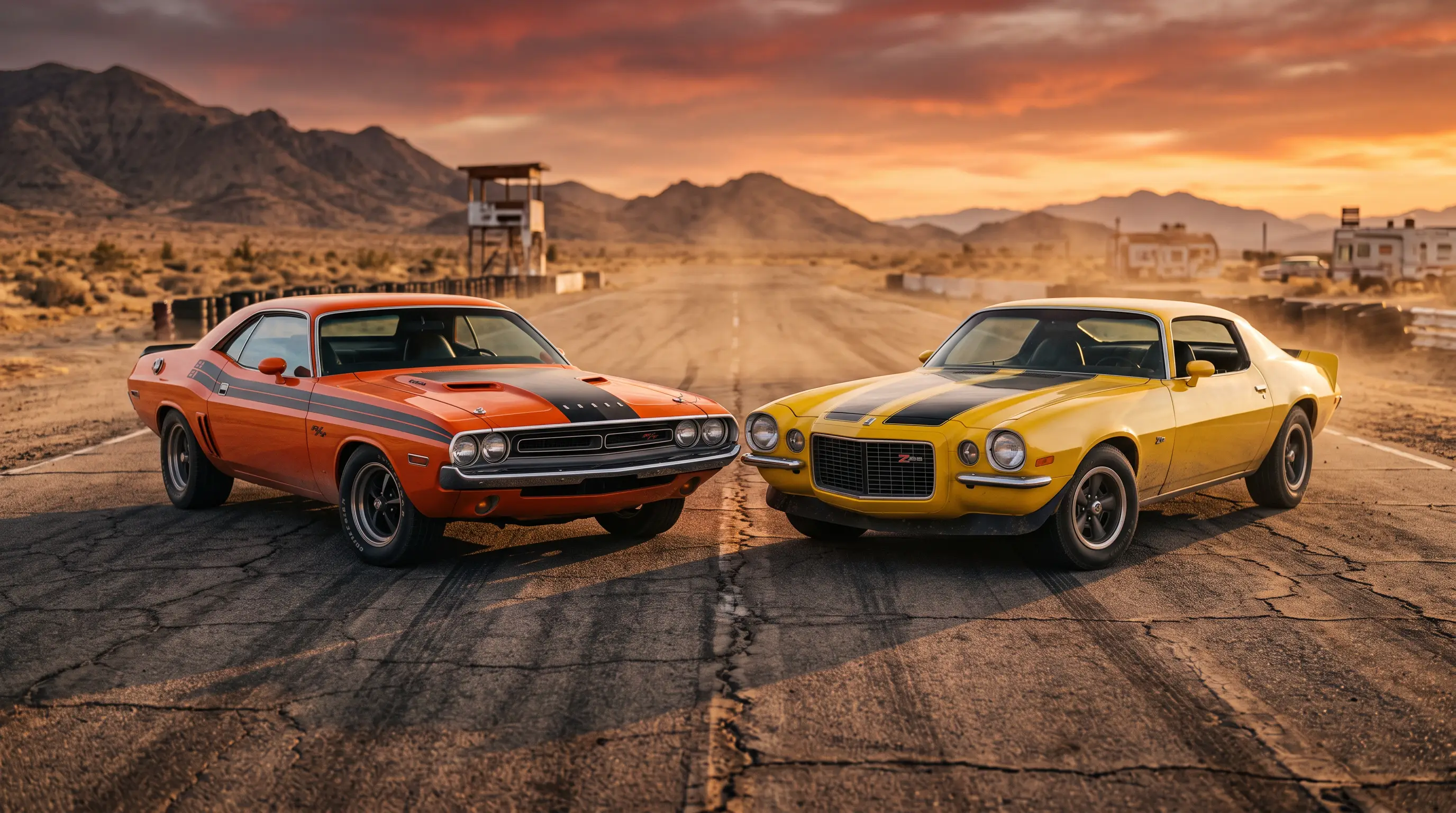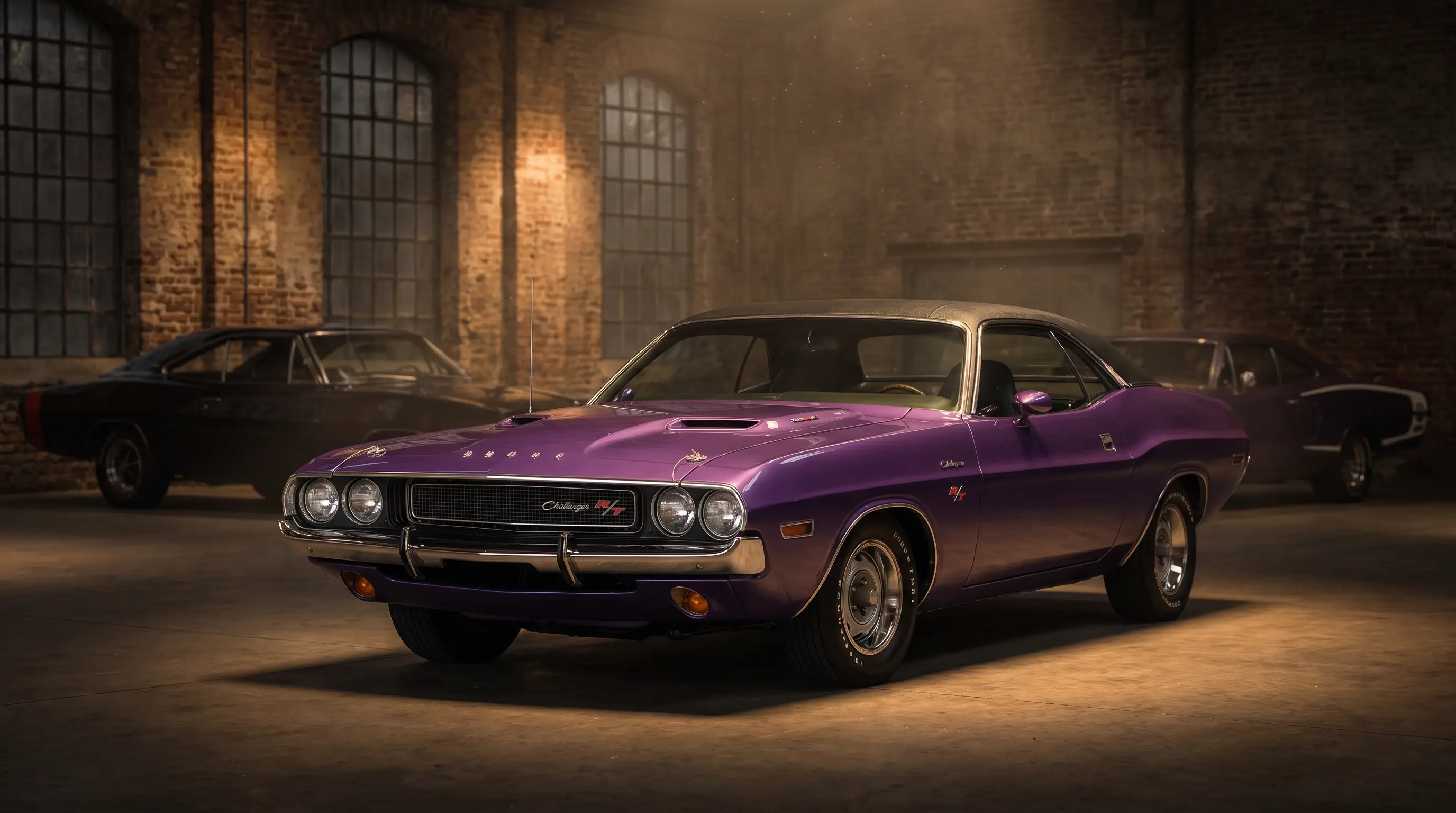
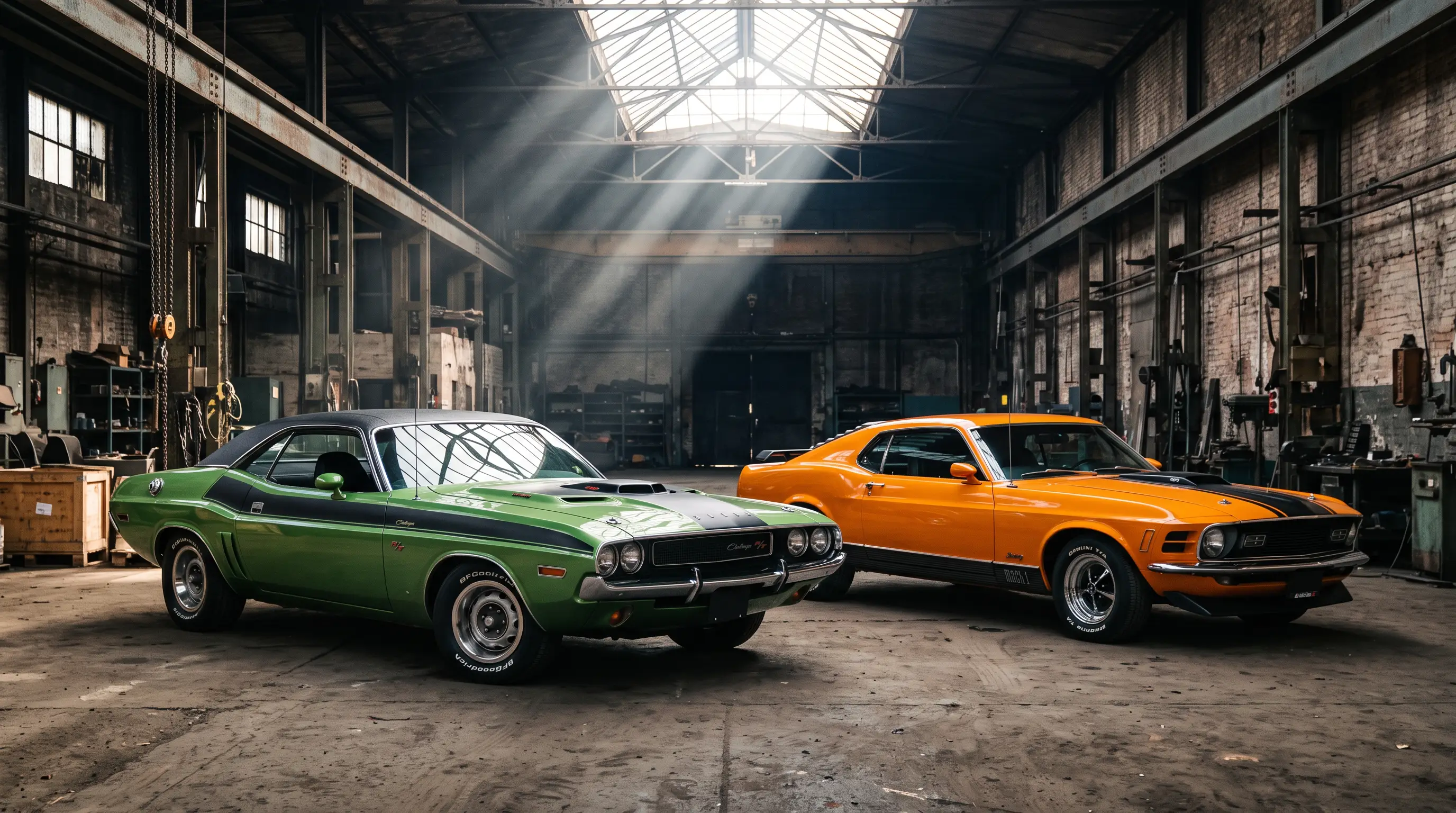
Factory records tell a more complicated story about the 1970 challenger vs mustang matchup than the barbershop version most enthusiasts repeat. Ford's Mustang had a five-year head start by the time Dodge fielded the Challenger, and treating this as a symmetrical contest between equally established rivals misreads the actual production and market history. The real story is about a challenger, in the literal sense of the word, going after an entrenched leader.
Ford's five-year lead mattered more than people admit
The Mustang launched in April 1964 as an early 1965 model, and its runaway sales success essentially invented the pony car category as we understand it today. By the time the Challenger arrived for the 1970 model year, Ford had already cycled the Mustang through a full first generation and into a substantially redesigned second generation, launched for 1969. Chrysler's engineers studying the market before greenlighting the Challenger were not entering a fresh category. They were entering a mature one, dominated by a nameplate with genuine cultural momentum behind it.
Factory correspondence and internal Chrysler planning documents from the period, preserved in company archives, show executives explicitly citing the Mustang's continued sales strength as justification for committing serious engineering resources to the E-body program. This wasn't guesswork on Chrysler's part. It was a direct, documented response to a specific competitor's proven success, which is a more honest description of the Challenger's origin than the vaguer "muscle car wars" framing that popular retellings often default to.
Specification and positioning differences
The 1970 Mustang, in its second-generation form, had grown larger and heavier than the original 1965 formula, a shift Ford made partly in response to competitive pressure and partly to accommodate bigger engine options buyers were demanding. That growth put the 1970 Mustang closer in size to the Challenger than the original 1965 car had been to any of its era's competitors, narrowing the gap between the two nameplates considerably by the time they went head to head.
Engine documentation from both companies shows a similar top-end arms race. Ford's Boss 429 and 428 Cobra Jet options represented the Blue Oval's answer to big block performance demands, while Chrysler countered with the 440 and, at the very top, the 426 Hemi in the Challenger. Factory production records confirm the Hemi option remained a low-volume, special order item throughout the Challenger's run, a detail period buyers understood clearly even if modern retellings sometimes exaggerate how common Hemi cars actually were on dealer lots.
"People love to talk about this rivalry like it was even from day one. The paperwork says otherwise. Dodge was chasing a five-year head start, and the record shows they knew it."
- Tom Ramirez
Correcting a common misconception
A misconception worth addressing directly: many enthusiasts assume the Challenger was rushed to market purely as a reactive panic move against the Mustang and Camaro combined. Factory planning documents don't support the word "rushed." Chrysler's E-body program had a multi-year development timeline that included extensive market research, and the resulting platform was shared deliberately across the Challenger and Cuda specifically to maximize the return on that development investment. This was a calculated business decision executed over years, not a hasty reaction cobbled together in months.
Sales figures from the period also get misremembered. The Mustang consistently outsold the Challenger across nearly every year both cars were in production simultaneously, a gap factory sales reports confirm without ambiguity. That sales deficit reflects Ford's established dealer network and five-year brand head start far more than any shortcoming in the Challenger's engineering or design, a distinction the historical record supports clearly once you separate sales volume from product quality.
What the documented history offers today's buyers
Understanding this documented context matters for collectors because it explains rarity patterns that persist in today's market. Because the Challenger entered a mature, established segment as the newer competitor, certain configurations were built in genuinely smaller numbers than comparable Mustang trims from the same model year, a fact production records confirm consistently. That documented scarcity is a meaningful part of why specific Challenger variants command strong prices at auction relative to their Mustang counterparts from the identical model year.
For readers wanting the fuller context behind how this rivalry sits alongside the Challenger's closer Chrysler sibling, where this started traces that related comparison in more depth. Both pieces draw from the same category of factory documentation, and reading them together gives a more complete picture of where the Challenger actually sat within the broader pony car landscape of 1970.
Trans-Am racing archives fill in the on-track chapter
Beyond showroom competition, both nameplates fielded homologated racing variants in the Trans-Am series, the Challenger T/A against Ford's Boss 302 Mustang, and results from those seasons are preserved in period racing publications that give a far more precise account than any recollection filtered through fifty years of retelling. The Boss 302 arrived with several years of Ford's Trans-Am program development behind it by the time the Challenger T/A entered competition, another instance of the newcomer chasing an established effort rather than the two programs starting from parity.
That documented racing gap does not mean the Challenger T/A embarrassed itself on track. Race results from the era show the car competing credibly against a Ford program with a substantial head start, which, given everything else the factory record establishes about Chrysler entering this rivalry as the later arrival, is itself a notable achievement worth crediting properly rather than glossing over in favor of a simpler narrative.
Reading the record before you shop
None of this documented history diminishes what Chrysler's engineers accomplished with the Challenger. It contextualizes it correctly, as a deliberate, well-resourced answer to an established rival rather than an equal footing rivalry from day one. That context should inform how you evaluate rarity and value when shopping either nameplate today, because production records rather than nostalgia are what actually determine which configurations are genuinely scarce.
If the documented history behind this rivalry has you leaning toward Chrysler's side of the story, you can browse classic Challenger for sale listings and compare real examples against the production data referenced throughout this piece. Buying with the factory record in hand, rather than secondhand car show mythology, puts you in a much stronger position to judge what you're actually looking at.