Chrome as a tool, not a decoration
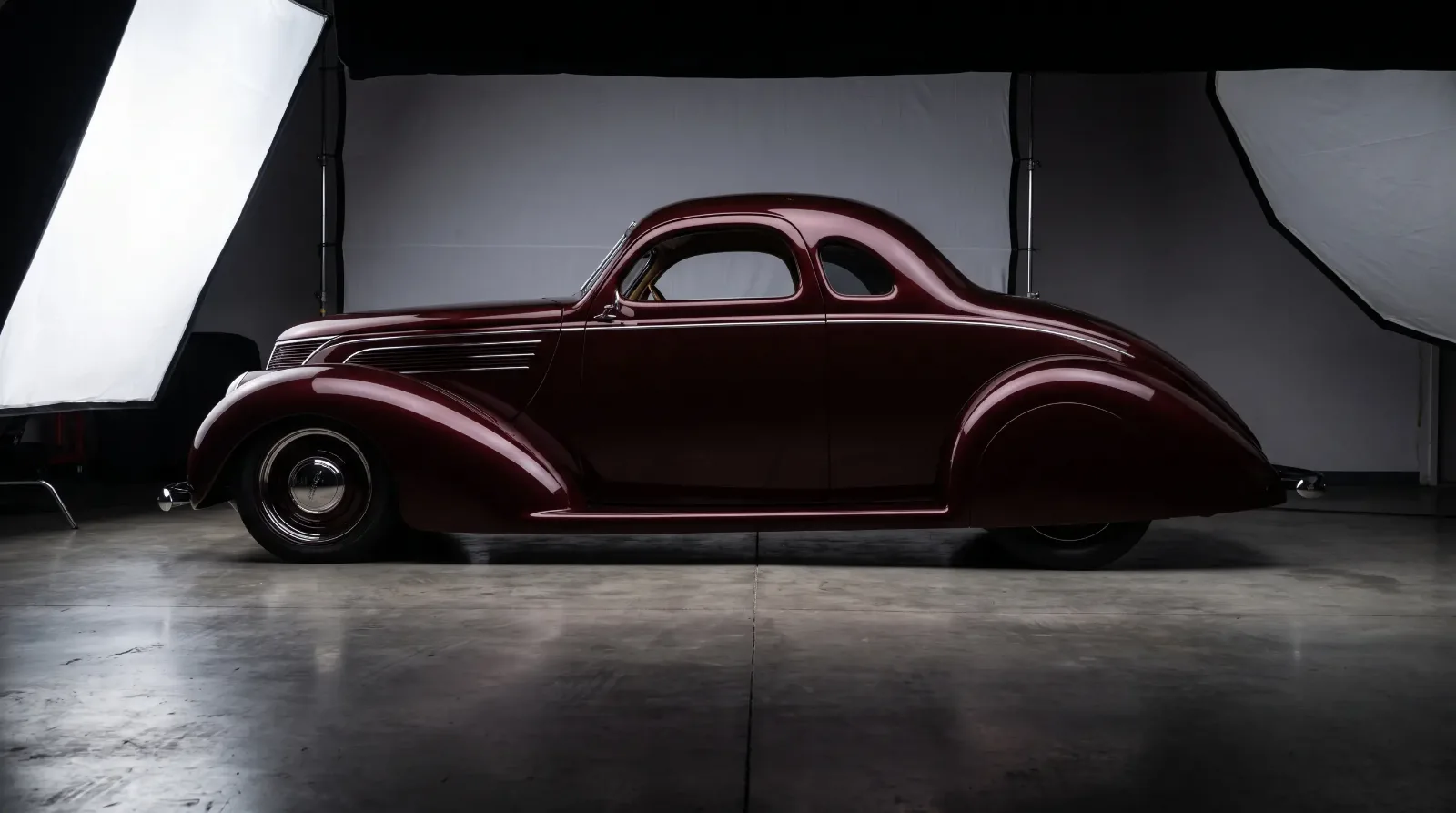
I get asked a lot why some of these cars look "busy" with chrome while others from the same decade look clean and restrained, and the answer usually comes down to whether the chrome was doing a job or just sitting there. Machine age styling used chrome to emphasize speed, a horizontal molding running the length of a body, a set of parallel grooves pressed into a hood, and the good examples used it sparingly, in service of a shape the metal was already trying to describe. The weaker ones just piled it on and hoped it read as modern. For the wider design movement this all sits inside, the machine age car design guide covers the fuller picture.
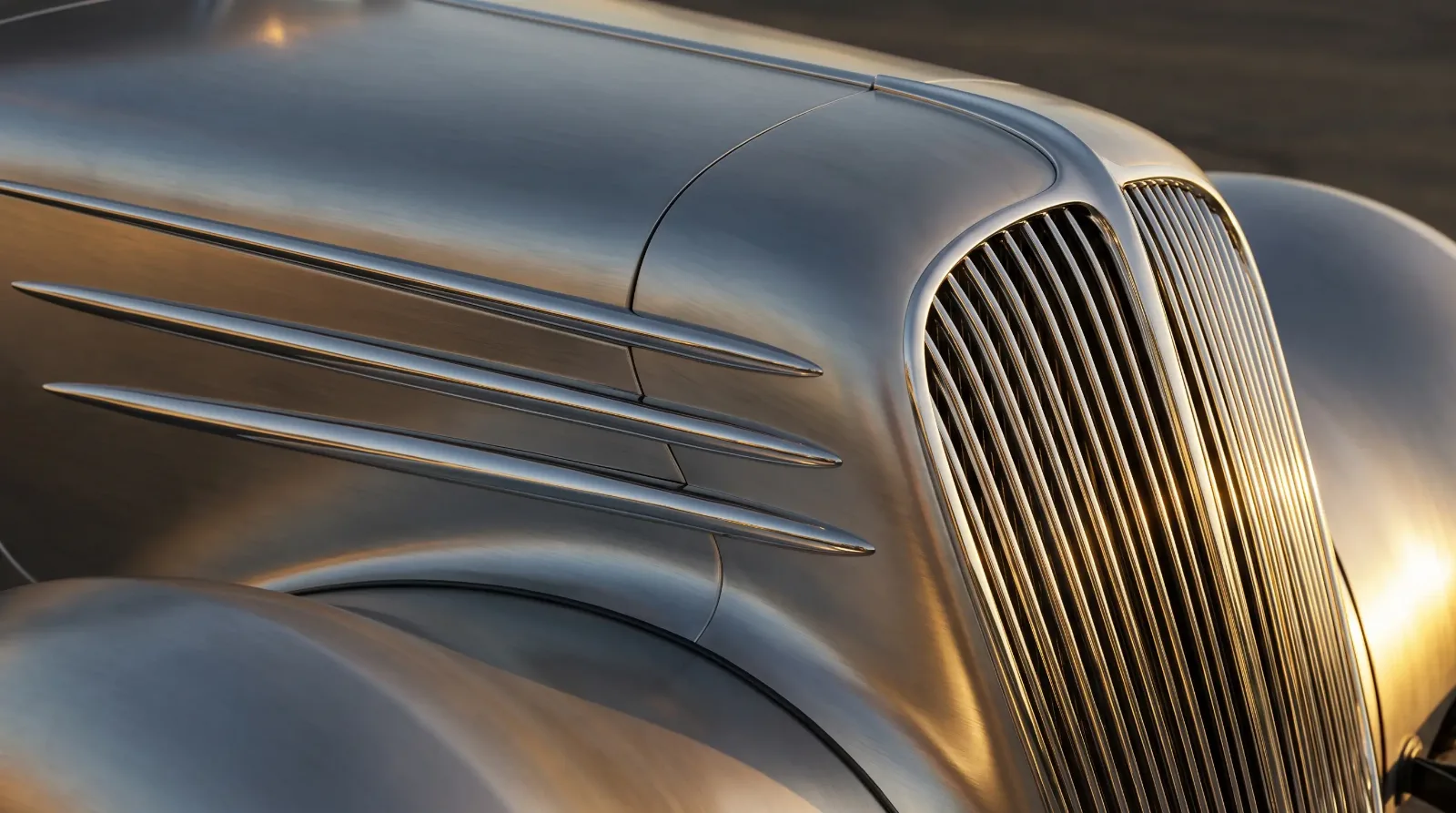
Speedlines specifically, those parallel horizontal grooves or ridges you see pressed into hoods and front fenders on cars from this period, were meant to visually stretch the car and suggest air moving past it even when parked at the curb. Done right, three or four clean lines running the length of a hood, they add real presence. Overdone, six or eight lines crammed into the same space, they start to look cluttered instead of fast, and I've seen restorers add extra lines during a repaint because they assumed more meant more period-correct. It doesn't. Check the factory count before you touch a hood with masking tape.
The grille's job in the machine age look
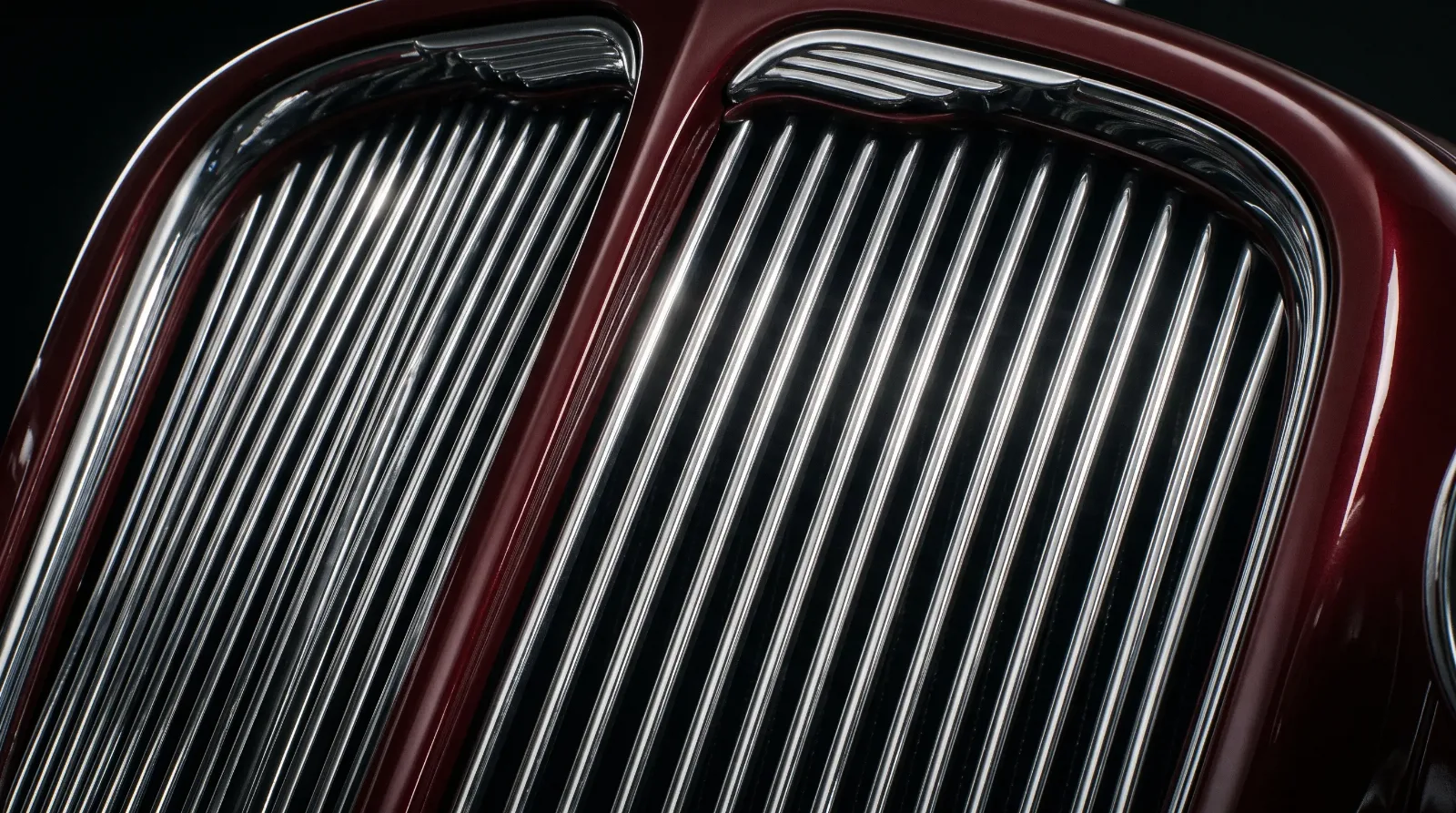
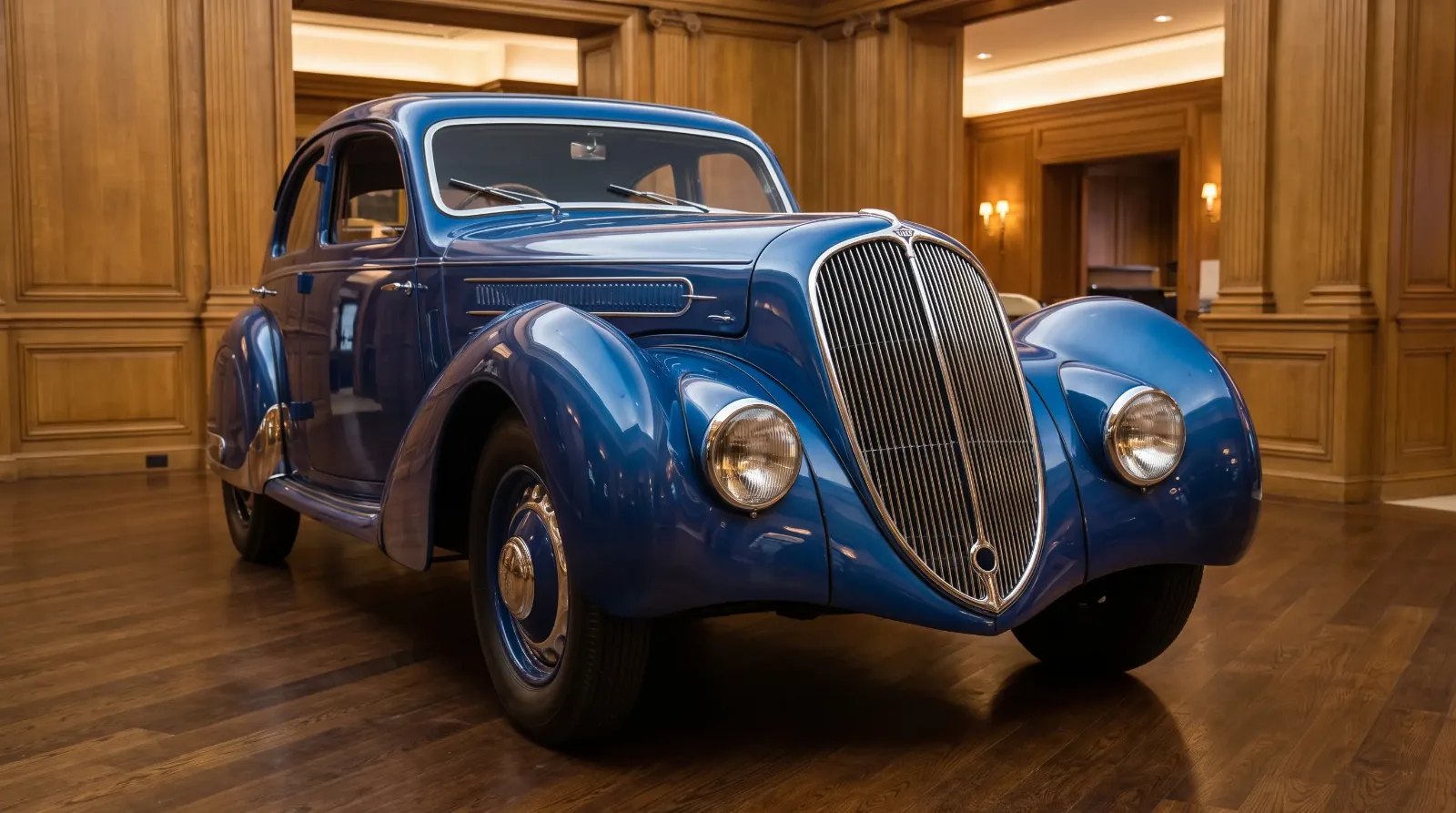
Grilles in this style did double duty, letting air through to the radiator while also serving as the single most identifiable styling element on the front of the car. A raked, narrowed grille with vertical or crossed bars, sometimes chromed edge to edge, sometimes framed and left darker in the center, became a manufacturer's signature the same way a logo would today. Get the grille wrong on a restoration, wrong bar count, wrong angle, wrong plating finish, and the whole front end reads off, no matter how correct everything else is.
"Chrome on these cars was supposed to draw your eye along a line the designer already built into the metal. If it's just sitting there for its own sake, somebody added it later."
— Jim Vasquez
Reading original brightwork versus later additions
Original chrome trim from this era was typically thicker and more substantially mounted than later reproduction pieces, which is one of the more reliable ways to spot an aftermarket addition once you've handled enough of both. Original mounting points were also planned into the body design from the start, so factory trim tends to sit flush and follow a panel's existing contour, while later add-on chrome often sits slightly proud or requires visible extra fasteners the factory drawings never called for.
Reproduction speedline hoods and grille shells are out there for popular models, and some of them are genuinely well made. That's fine for a driver-quality build, but if you're chasing originality for a serious collection, get an experienced eye on any hood or grille before you assume it's factory metal. The difference between original and reproduction chrome work isn't always obvious from photos, but it usually shows up the moment you run a hand along the edge.
Why this look still influences custom builds
The machine age habit of using chrome to draw a line rather than cover a surface is still good advice for anyone building or restoring a car today, whether it's period-correct or a custom project borrowing the aesthetic. Grilles specifically remain one of the most misunderstood parts of this style, since a strong grille design can carry an entire front end even when everything else about a build is understated. Read on for a closer look at how these grilles were designed and what separates a correct one from a close-but-wrong reproduction.
Care and maintenance nobody tells you about upfront
Original nickel and chrome plating from this era doesn't hold up the way modern plating does, and that's not a flaw, it's just a different process with different chemistry behind it. Pitting under the plating, caused by decades of moisture getting under a microscopic gap in the finish, is common enough on unrestored trim that I'd be more suspicious of a "perfect" seventy-year-old chrome grille than one showing honest wear. Re-chroming can fix the look, but it's not cheap, and a shop that knows how to properly prep pot-metal substrate, common on grille shells and ornamental trim from this period, is worth seeking out specifically rather than using whichever local plater is closest.
Day-to-day care matters too, more than most owners expect. Original brightwork should be cleaned with products meant for older plating, not modern aggressive polishes designed for durable contemporary chrome, since the older material is thinner and more easily worn through than people assume. I've watched well-meaning owners buff straight through decades-old plating trying to get out a stubborn spot, turning a fixable issue into a full replating job. When in doubt, go gentler than you think you need to.
Storage matters just as much as cleaning technique. Trim left exposed to salt air, road spray, or a damp unheated garage over a winter will pit far faster than the same piece kept dry and lightly oiled between shows. It's not glamorous advice, and it doesn't photograph well for a magazine feature, but keeping original chrome dry and out of the weather does more to preserve a car's brightwork over the long run than any product you can buy for it. The best-preserved original trim I've seen has almost always belonged to owners who treated storage as seriously as they treated the car's mechanical maintenance.