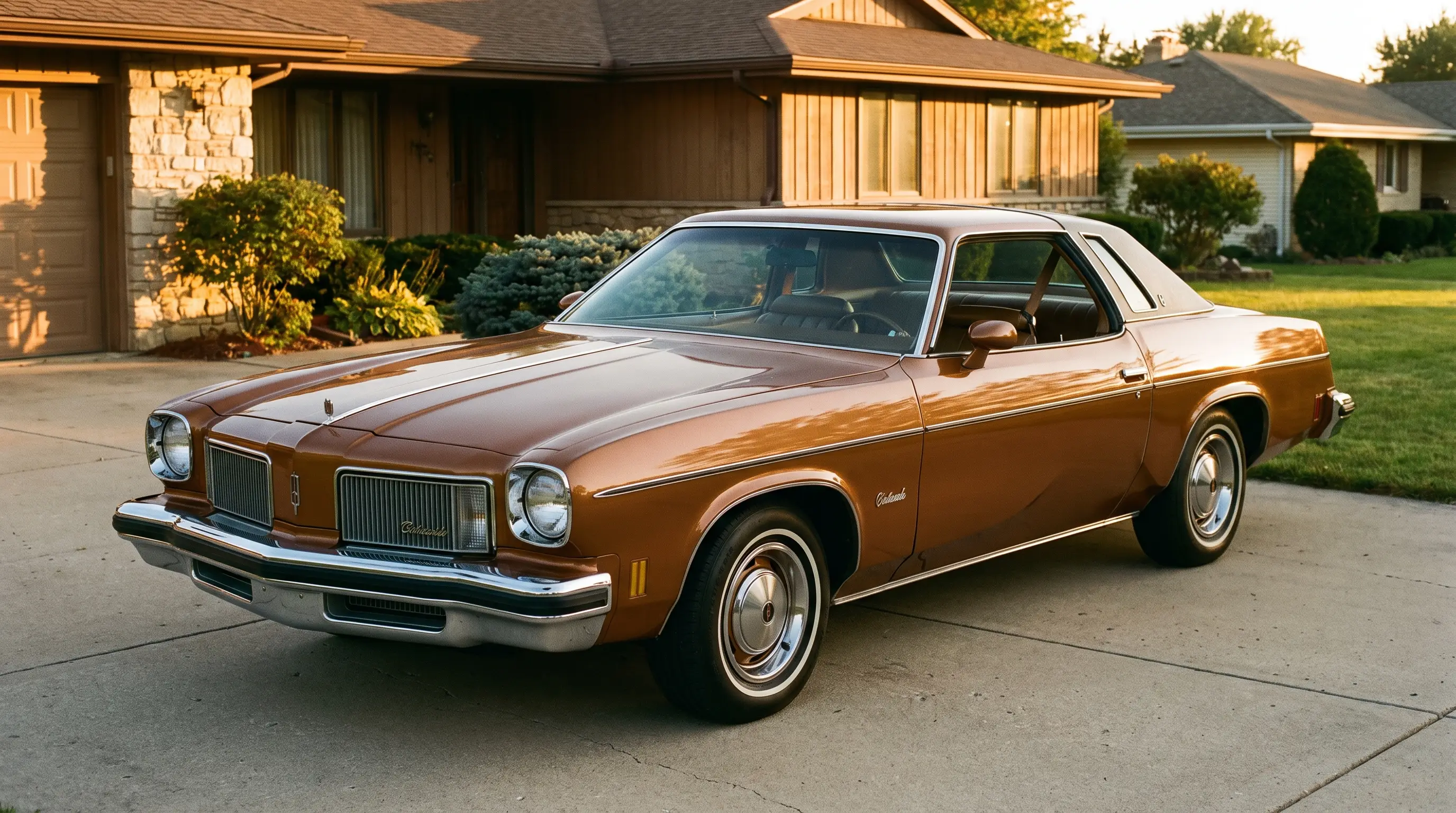
Ask a longtime Oldsmobile club member why the 1973 Cutlass looks the way it does, and you will not get a styling lecture. You will get a story about Washington. The colonnade design that defined the Cutlass through the mid 1970s did not start on a designer's sketch pad chasing a new look. It started with a federal rollover standard that GM's engineers were certain was coming, and that never actually arrived in the form everyone feared.
I have heard this one told a dozen different ways at regional meets, usually by someone leaning on the fender of a '73 or '74 Cutlass Supreme, but the paperwork backs up the gist of it every time. General Motors believed the National Highway Traffic Safety Administration was about to mandate a rollover strength standard that a true pillarless hardtop could not pass. So the company redesigned its entire intermediate line, Cutlass included, around fixed B-pillars and thick roof structure well before any such rule was finalized. The rollover standard GM anticipated was eventually shelved in the form the industry expected, but by then the Colonnade cars were tooled, built, and on dealer lots.
What colonnade actually means on a Cutlass
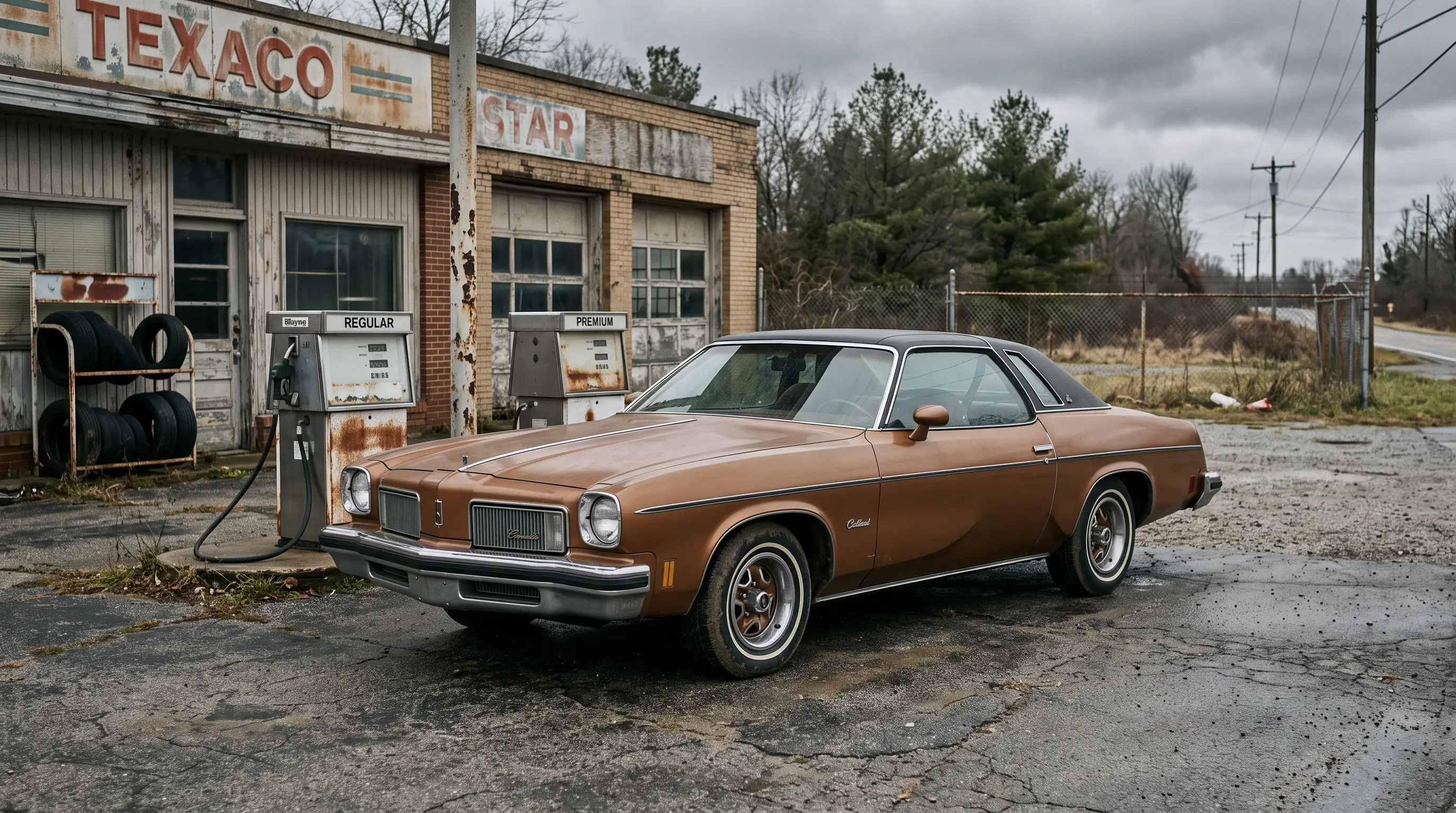
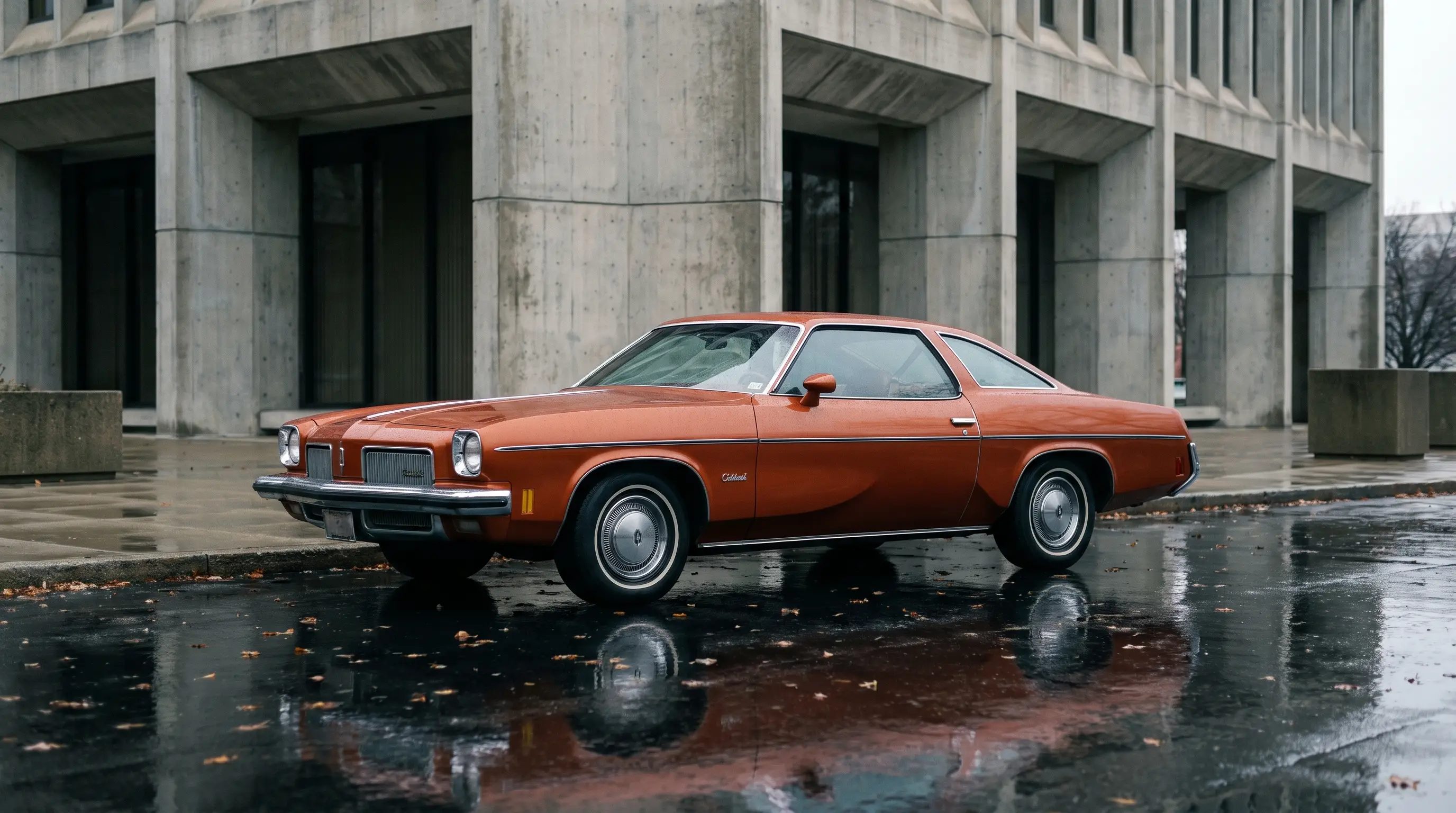
The name itself is architectural, not automotive. GM's own marketing borrowed "colonnade" from the rows of columns on a classical building, applying it to the visible pillar structure between the windshield and the rear glass. On the Cutlass Supreme coupe, that meant a fixed rear quarter window, often finished with a vinyl-wrapped opera window on higher trims, sitting behind a proper B-pillar instead of the frameless hardtop glass that had defined intermediate Oldsmobiles since the early 1960s.
The change was bigger than it looked from the curb. Losing the true hardtop silhouette was a real sacrifice for a brand that had sold the open, pillarless look as part of its identity for a decade. Oldsmobile's answer was to make the new roofline feel intentional rather than compromised: a formal greenhouse, a more upright rear window, and sheet metal that read as substantial rather than apologetic. Buyers responded. The Cutlass Supreme became the best-selling Oldsmobile nameplate for stretches of the mid 1970s, colonnade roof and all, which tells you the market cared less about pillar count than the brand worried it might.
The rollover standard that never quite landed
Here is the part that gets simplified in casual retelling. GM was not just reacting to a rumor. Regulators had been actively studying rollover roof crush requirements since the late 1960s, and manufacturers across the industry were bracing for a strength standard that would have made unsupported pillarless roofs difficult to certify. GM committed to the Colonnade architecture for its 1973 A-body cars, Cutlass, Chevelle, GTO, Century, and Regal all included, well ahead of any final rule. The specific target was FMVSS 216, the roof crush resistance standard. NHTSA's original 1971 proposal called for a dynamic rollover test that a true pillarless hardtop roof stood little chance of passing, but the final rule, issued in December 1971 and effective September 1, 1973, was watered down under industry pressure to a static, one-side crush test instead. A separate, more aggressive rollover-resistance standard that NHTSA began developing in 1973 was shelved entirely in 1978 without ever taking effect. By the time that softer outcome was clear, the company was already several model years into production tooling built around fixed pillars. There was no going back to the old hardtop for this generation.
That is the detail that separates the real history from the shop-talk version. It was not a case of GM being forced into ugly cars by a rule that actually passed. It was a case of engineering ahead of a regulation that shifted, and living with the design decision anyway because the tooling investment was already committed. Detroit made that kind of bet more than once in the 1970s, and the Colonnade Cutlass is one of the more visible results still driving around today.
Living with the design today
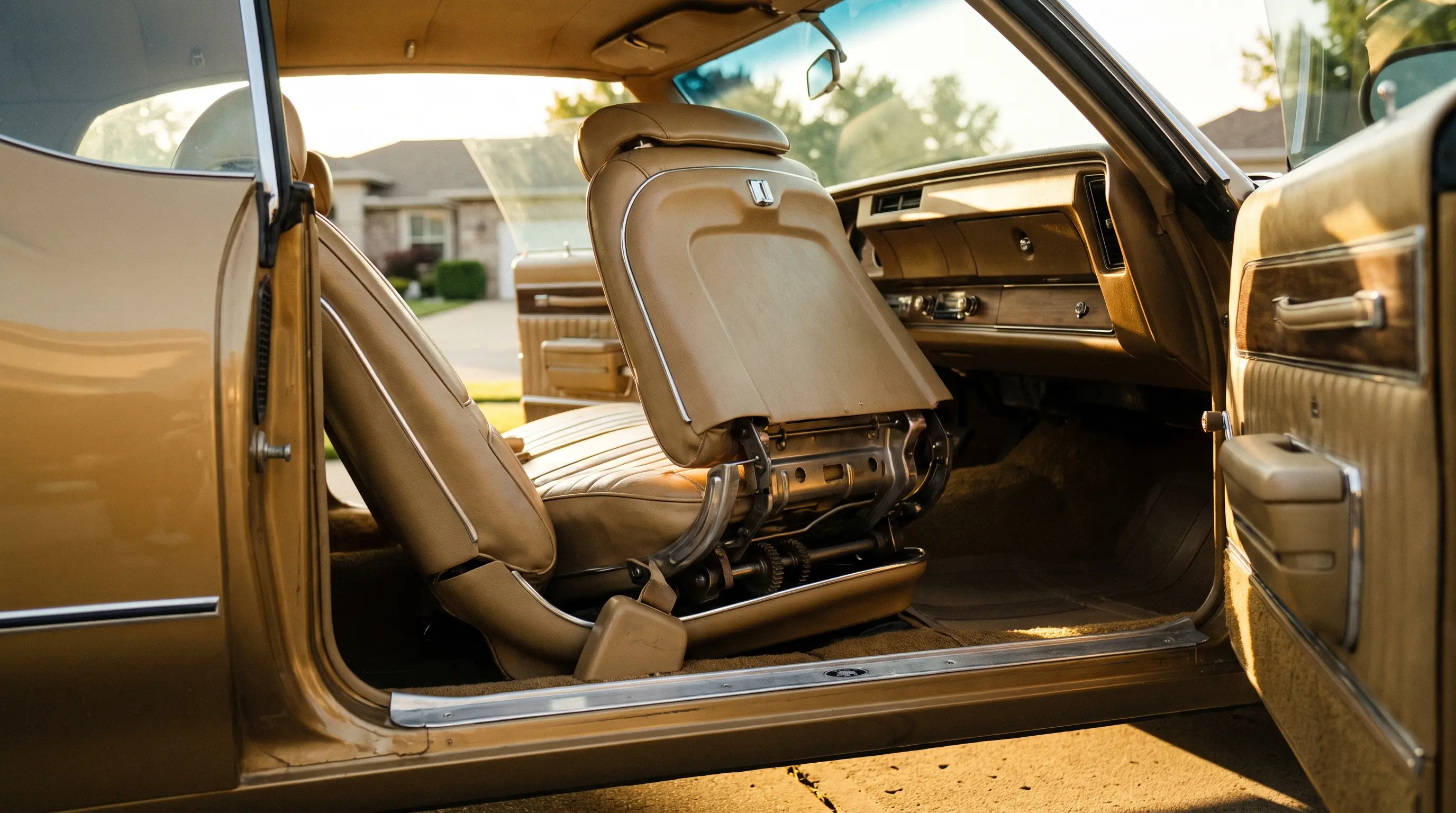
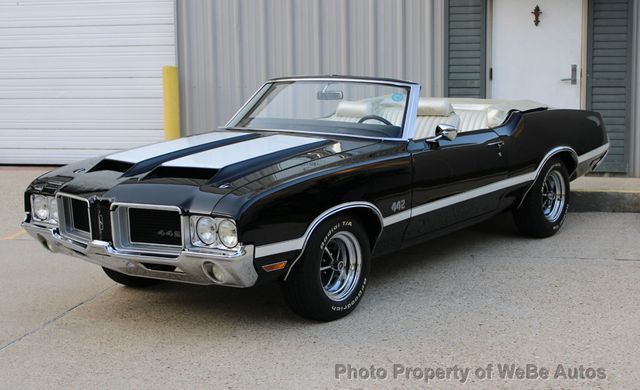
Club members who show these cars will tell you the fixed rear glass and formal roof actually help the Cutlass hold up as a driver. The stiffer structure means less cowl shake over rough pavement than you get in some of the true hardtops from the prior generation, and the greenhouse proportions read as clean and correct rather than dated, especially on the Supreme coupe with its distinctive opera window treatment. It helps explain why the 1970s Cutlass still draws a crowd at regional shows even though it never gets the attention a 442 or a first-generation Hurst/Olds pulls in.
What nobody at the meet argues about is which trim wears the roofline best. The base Cutlass coupe looks plain next to the Supreme, and the Supreme Brougham with full vinyl roof and opera lamps is the one that shows up on posters. If you want to go deeper on the mechanical side of these cars, from the small block through the big displacement options that carried the line through the decade, that is covered in a related deep-dive rather than here.
"Everybody at the club had a theory about why GM built the roof that way until somebody pulled the actual regulatory timeline, and just like that, the bench-racing was over."
— Wayne Coburn
Why the story still matters
The colonnade era gets treated as a footnote between the true muscle car years and the downsized G-body Cutlass that followed in 1978, but the design decision behind it is one of the clearer examples of a federal safety proposal reshaping an entire product line before the rule itself was finalized. Oldsmobile did not choose the pillared roof for style. It chose it for compliance with a standard that shifted after the commitment was already poured into stamping dies. The car that resulted still sold in huge numbers and still draws a crowd at shows fifty years later, which is its own kind of vindication.
For the fuller arc of how the nameplate got to this point and where it went after, our Classic Cars Arena feature lays out the whole story. And if this history has you thinking about tracking one down, there is usually a classic Oldsmobile Cutlass for sale worth a closer look.