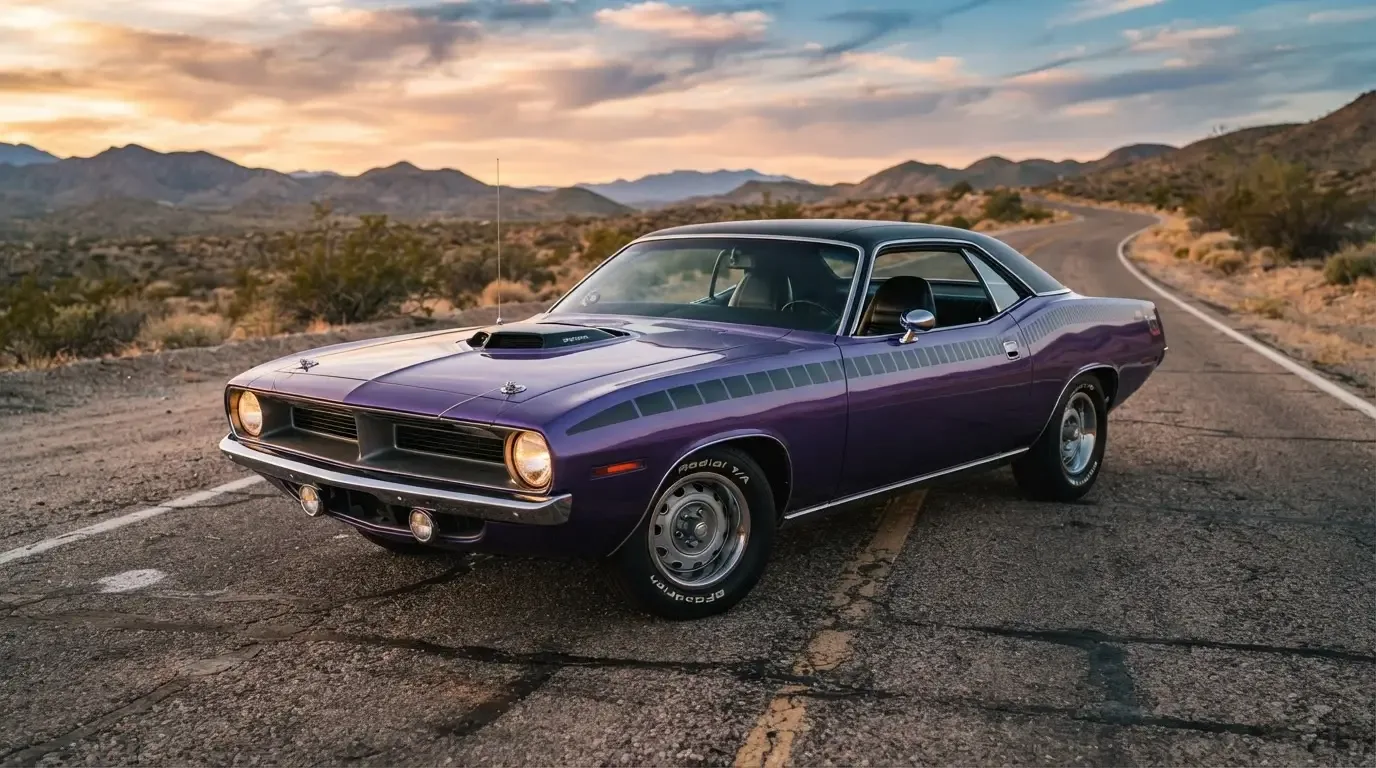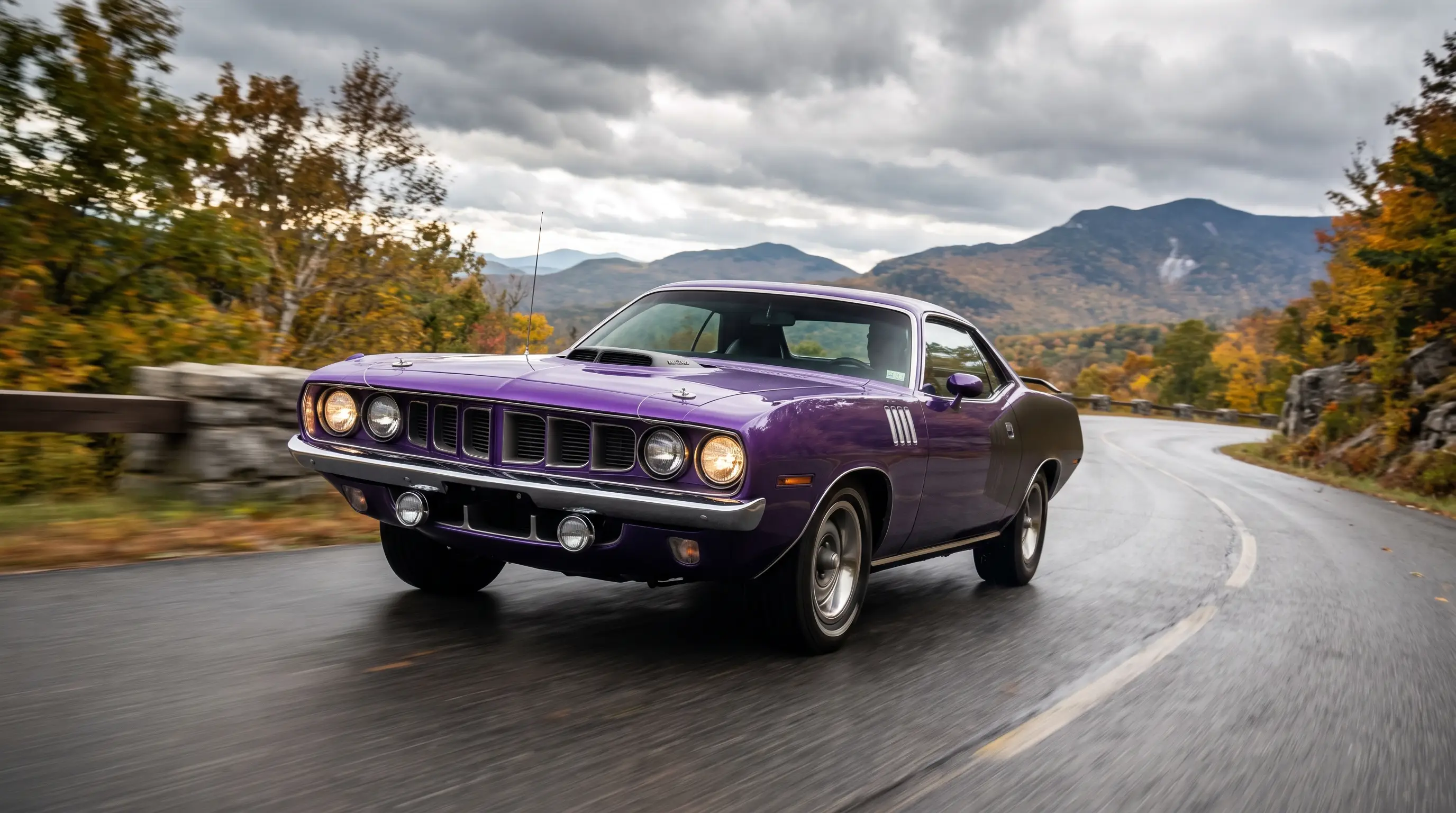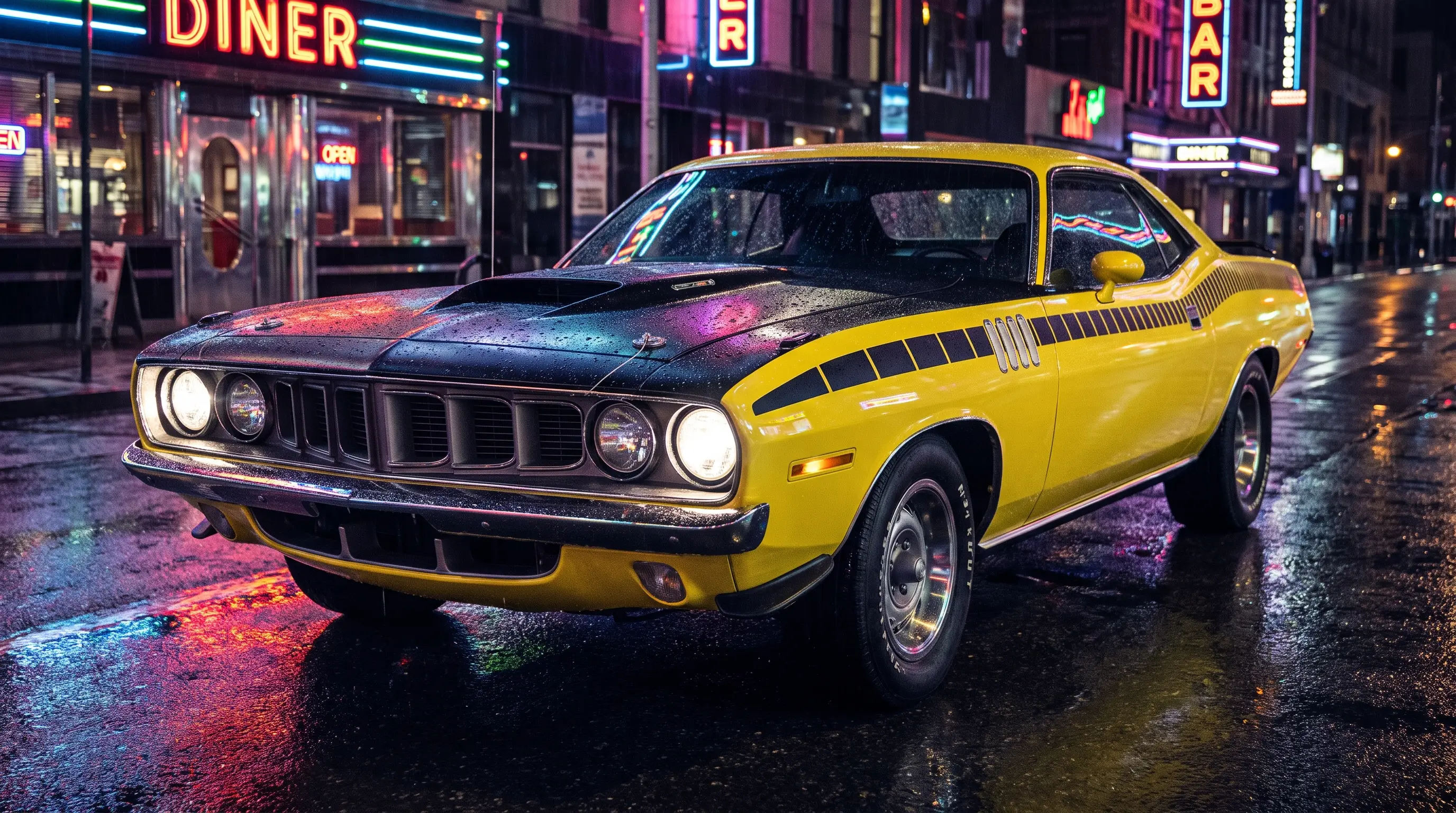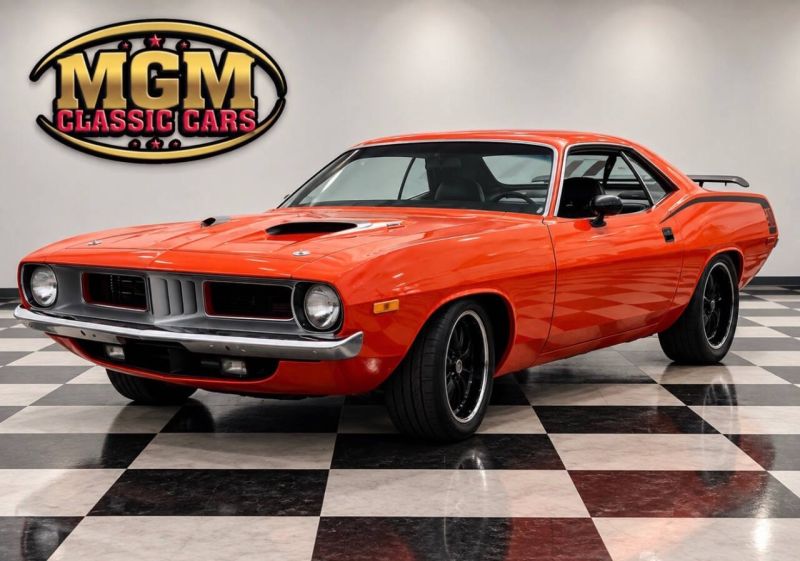
The Cuda 383 gets overlooked. That is the short version. Sitting between the small block 340 and the range-topping 440 and Hemi options, the 383 was the engine most buyers actually drove home in, and it deserves a lot more credit than it gets. 335 horsepower, real torque low in the rev range, and a price that did not require a second mortgage. That was the pitch, and it worked.
Numbers back this up better than nostalgia does. When a dealer's order sheet listed four engine options, most walk-in buyers were not cross-shopping the Hemi at all. They were deciding between the 340 and the 383, weighing a lighter, quicker-revving small block against a torquier engine that pulled harder from a stoplight without needing to be worked as hard. The 383 won that argument often enough that it became the backbone of Cuda production during these years, not a footnote to it.
The engine most people actually bought
Plymouth sold plenty of Hemi and 440 Cudas to buyers chasing bragging rights, but the 383 outsold both of them by a wide margin because it delivered most of the big block experience at a fraction of the cost and insurance headache. Standard output on the 383 four-barrel Super Commando landed at 335 horsepower, comfortably ahead of the 340 small block. This was a genuinely quick car, not a compromise dressed up as one.
Torque numbers told the real story. The 383 made its power low, which meant a driver did not need to keep the engine spinning near redline to feel it pull. That made it the easier daily option, and daily use is exactly what most of these cars actually saw.
Where it landed against the competition inside its own lineup
Compare it to the 440 and the gap is real but not enormous. A 440 Six Barrel car had a clear edge in the quarter mile, no argument there. But the price difference between a 383 and a 440-equipped Cuda was significant enough in period dollars that plenty of buyers looked at both cars, did the math, and walked out with the 383. Insurance rates factored in too, since underwriters in the early 1970s were already starting to price big block muscle cars differently, and a 383 sometimes avoided the worst of those surcharges depending on the carrier.
| Spec | 383 Cuda |
|---|---|
| Displacement | 383 cubic inches |
| Standard output | 335 hp |
| Carburetion | Single four-barrel Super Commando |
| Position in lineup | Between 340 and 440 |
For the full breakdown of how the 383 fit alongside the rest of the early Cuda engine lineup, our 1970 barracuda retrospective covers the complete picture across all the available engines that year.
What made the 383 easy to live with
Numbers only tell part of the story. The 383 was also the more forgiving engine to actually own. Parts availability was broader than for the 440 or Hemi, since the 383 shared architecture with engines used across a wider range of Chrysler products, meaning a broken part in 1974 or 1984 was easier to source than a Hemi-specific component that might require a specialty supplier. Fuel economy, while never impressive by any modern measure, was noticeably better than the big block Six Barrel option, and insurance costs for a 383 sometimes came in lower than for a documented 440 or Hemi car, depending on the underwriter.
None of that made headlines. It just made the 383 the engine a working person could actually afford to own, insure, and keep running, which is exactly why so many of them survived into the collector era in driveable, unmolested condition rather than being parked in a barn the moment a head gasket failed.
Why collectors underrate it and why that is starting to change
For decades, the 383 sat in the shadow of the Hemi and the 440 at auctions, treated as the car you settled for rather than the car you wanted. That is shifting. As documented, unmolested Hemi and 440 cars become scarcer and their prices climb out of reach for a lot of buyers, the 383 is getting a second look from people who want the real Barracuda experience without the seven-figure price tag attached to the rarest engines. Values have moved up accordingly, though the 383 remains the more accessible entry point into serious E-body ownership.
The 440 gets its own detailed treatment, and reading it alongside this one gives a clearer sense of where the 383 sits in context. a related story covers that bigger engine directly.
"Everybody wants to talk about the Hemi. The 383 is the car that actually got driven, and driven hard, by people who didn't need to prove anything."
- Dan Reeves
What to check before buying one
Because the 383 was never treated as a headline engine, plenty of cars have been modified over the decades in ways a Hemi or 440 owner would have been more hesitant to alter, since there was less perceived value at stake. Buyers should check carefully for original block casting numbers, matching carburetor and intake components, and any evidence of a later engine swap, since the 383's relative affordability historically made it a common recipient of period aftermarket modifications that reduce its value as a documented, numbers-matching example today. A clean, unmodified 383 with clear provenance is genuinely harder to find than the engine's production numbers alone might suggest, precisely because fewer owners treated it as worth preserving in original form until values began climbing more recently.
The bottom line on buying one today
A documented 383 Cuda with its original engine intact is a genuinely good buy relative to the rest of the market. It offers real performance, a lower cost of entry than the 440 or Hemi cars, and enough production volume that finding a solid example is realistic rather than a years-long search. It is not the fastest engine Plymouth put in this body, and nobody serious claims otherwise. It is the engine that made the Cuda experience available to the largest number of actual buyers, and that is exactly why it deserves more attention than it usually gets.
Buyers ready to compare what is currently for sale across the Barracuda lineup can look at Barracudas for sale now to see real asking prices rather than relying on outdated guide values.
None of this requires apologizing for the engine's lack of headline status. A 383 never needed to outrun a Hemi to matter. It needed to get a driver to work on time, pull hard enough to make the trip enjoyable, and do it for years without draining a bank account on insurance and fuel, and on every one of those counts, it delivered exactly what it promised.