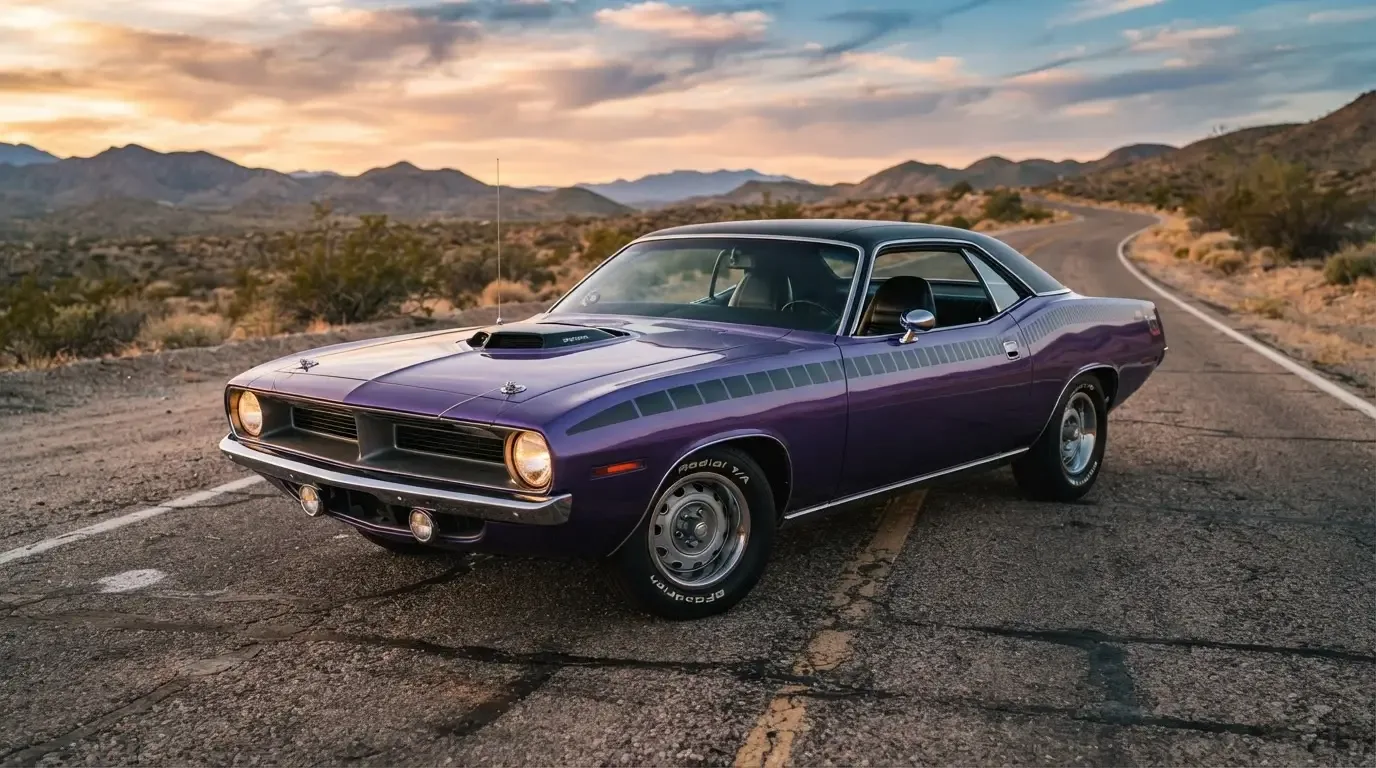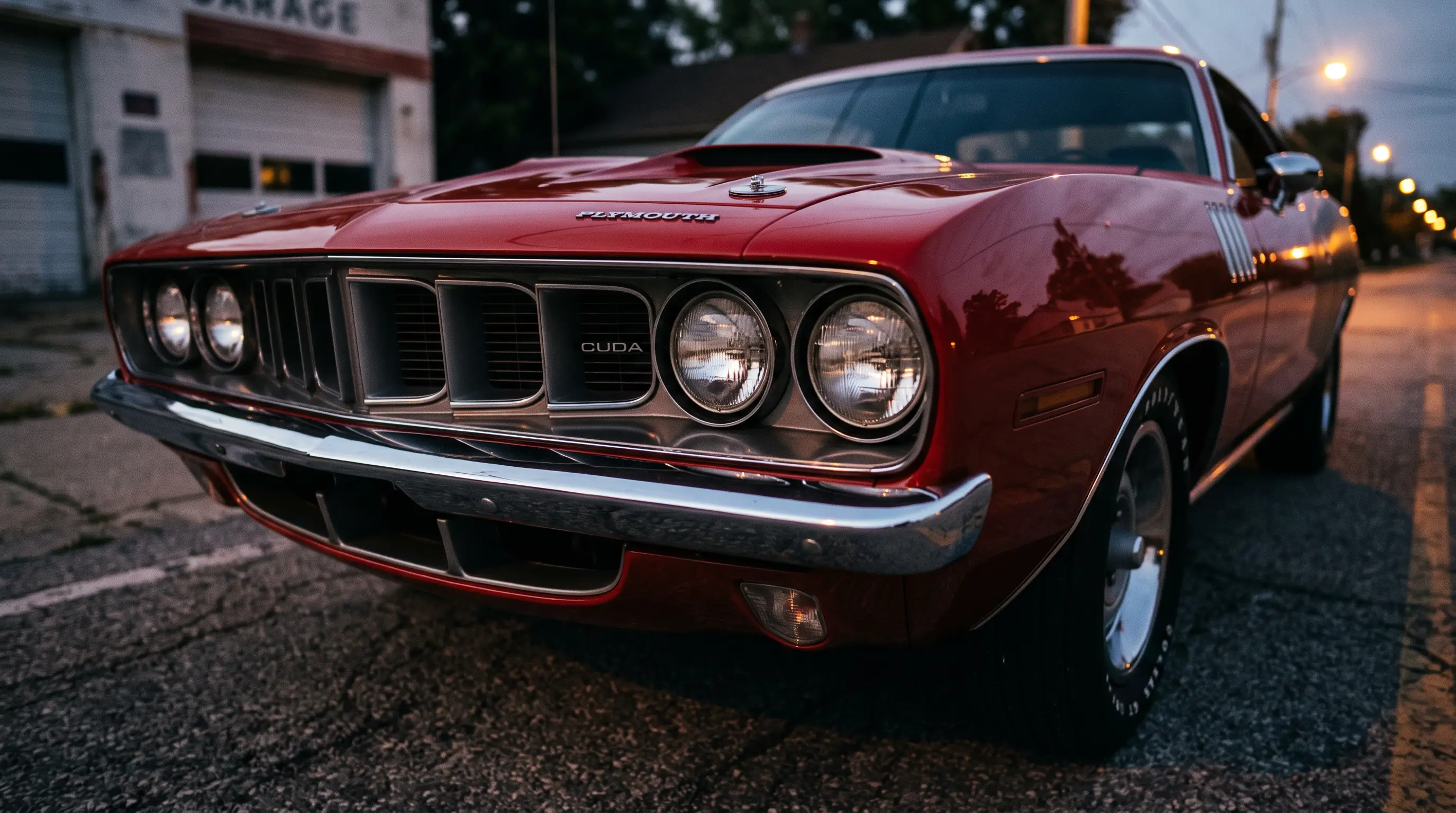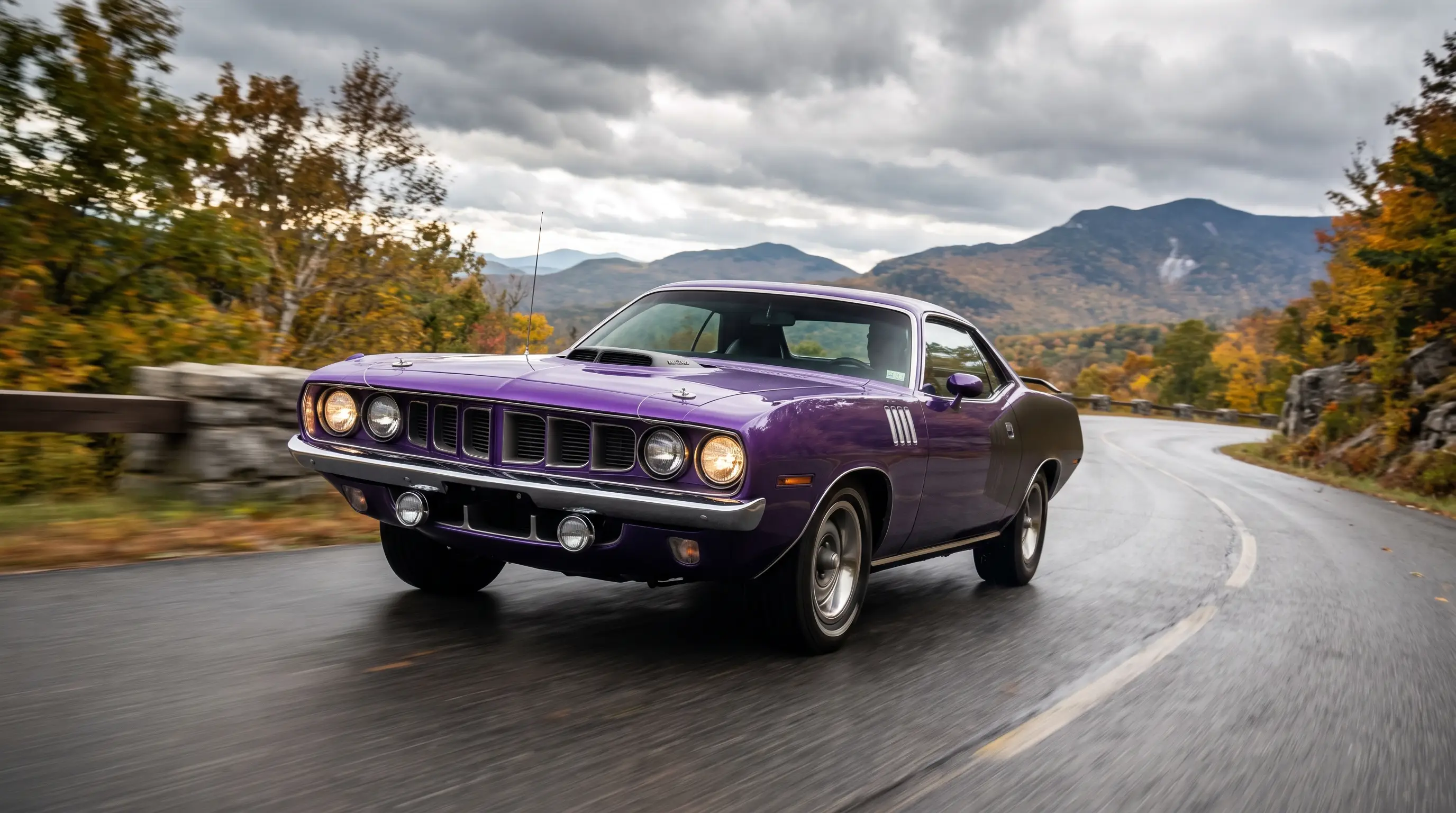
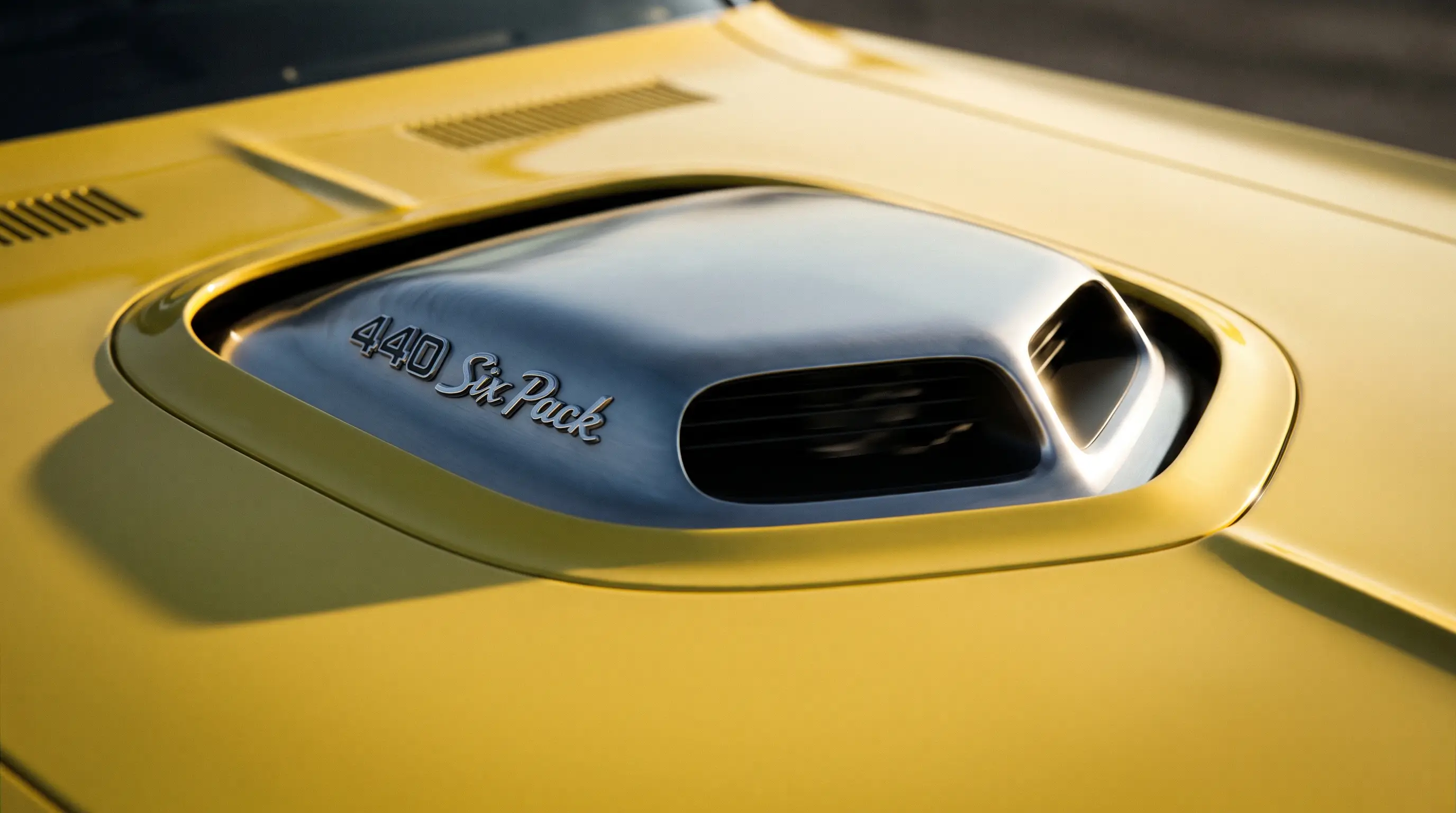
Every car club has that one member who will not stop talking about a hood scoop, and in Barracuda circles that scoop is almost always the Shaker. Bolted straight to the top of the engine and poking through a cutout in the hood, the Cuda shaker hood shook right along with the motor at idle, which is exactly where the name came from. It looked aggressive standing still and looked even better trembling at a stoplight, and it became one of the most requested options Plymouth ever put on the Barracuda's order sheet.
How a functional scoop became a legend
The Shaker was not styling for styling's sake. It bolted to the air cleaner assembly, which meant it moved with the engine rather than the body, and that visible motion at idle is what gave it its name and its reputation. Plymouth offered it starting with the 1970 model year, and it became available across a range of engine options, feeding cold outside air directly into the carburetor rather than pulling warm underhood air like a conventional setup. That cold air advantage was real, but the visual theater of a hood scoop rocking back and forth every time the throttle blipped is what actually sold the option to buyers standing in a showroom.
Club members who have owned several generations of E-body cars will tell you the same thing: the Shaker is the first thing people notice at a show, before the paint, before the stripes, before anything else.
Where it fits in the bigger Cuda story
The Shaker did not appear in a vacuum. It arrived as part of the broader wave of visual and mechanical upgrades that defined the early E-body years, when Plymouth was throwing every attention-getting option it had at a car competing directly against Mustangs and Camaros for the same buyers. Anyone wanting the full context of that period, including how the rest of the car's styling evolved alongside options like the Shaker, should where this started for the broader picture of those first two model years.
Paint colors, stripe packages, and the Shaker all arrived in the same rough window of Plymouth's history, a period when the company clearly understood that a muscle car needed to look like trouble even when it was parked.
What club members actually look for today
Original Shaker assemblies are not simple to verify. The scoop itself, the hood cutout, the seal that keeps rainwater out, and the underlying air cleaner all need to match in period-correct fashion for a car to be considered properly equipped rather than retrofitted. Reproduction Shaker scoops exist in large numbers, and plenty of them have been added to cars that never had one from the factory, since the visual impact is strong enough that owners without a documented original often add one anyway. Serious collectors know to check for evidence of the original hood cutout in the sheet metal itself, not just the presence of a scoop sitting on top.
Club gatherings are where most people actually learn to spot the difference, since a room full of owners comparing notes on seal condition, decal placement, and mounting hardware teaches more in an afternoon than any catalog description ever could.
How the scoop actually worked mechanically
The Shaker's design was simple in principle. A rubber seal ringed the base of the scoop where it passed through the hood cutout, allowing the assembly to move independently of the body panel around it without letting water or debris into the engine bay. Cold air entered through the forward-facing opening and traveled directly to the carburetor, bypassing the warmer air trapped under the hood that a conventional air cleaner setup would otherwise pull in. That cooler, denser air made a small but real difference in performance, particularly in warmer weather when the gap between underhood and ambient temperature was largest.
Maintaining the seal properly was important, since a torn or hardened gasket let water into the air cleaner during hard rain, an issue plenty of original owners dealt with and plenty of restorers deal with again today if the original rubber has not been replaced. It is a small part, but it is one of the first things a knowledgeable inspector checks on a car claiming to have a functional, original Shaker setup rather than one added purely for looks.
A story that keeps getting retold
Ask around at a Mopar show long enough and someone will tell you about the time they found a barn car with a Shaker still bolted in place, dust and all, looking exactly the way it did the day it rolled off a lot. Those stories circulate because they capture something true about the option itself: it was rare enough, distinctive enough, and mechanically simple enough that finding one intact decades later still feels like an event. The Shaker turned an engine bay accessory into a piece of the car's identity, and that identity has outlasted plenty of options that were technically more significant but far less memorable.
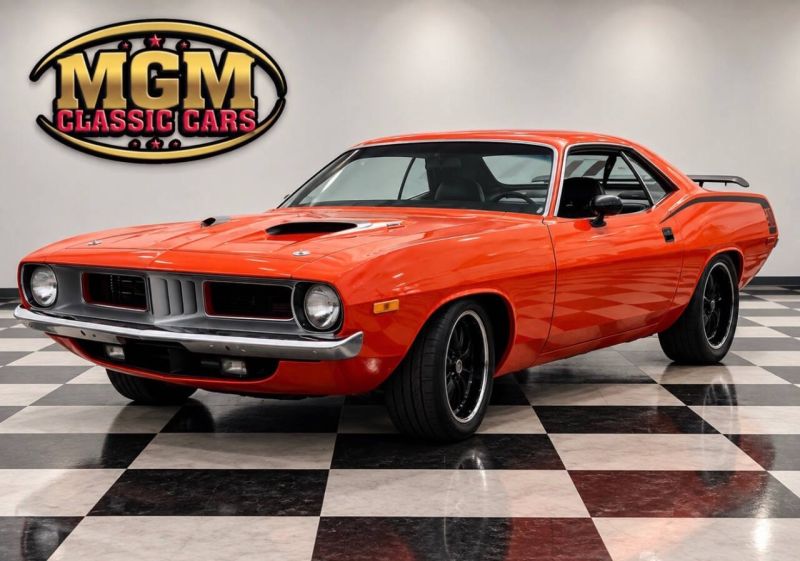
People who want to see what a well-preserved example looks like in person, Shaker or otherwise, can check classic Barracuda for sale listings to get a sense of what is actually changing hands right now.
"You could tell a Shaker car was running before you even heard the engine, because the whole scoop was moving. That's the kind of thing that gets a car remembered fifty years later."
- Wayne Coburn
The visual details that set genuine cars apart
Decal placement on the scoop itself varied depending on the engine it was paired with, and getting these details wrong is one of the fastest ways to tip off an experienced judge that a Shaker has been added after the fact rather than delivered from the factory. The finish on the scoop, the specific fastener hardware used to secure it, and the exact shape of the hood cutout underneath all carry small but checkable details that separate a documented original from a well-executed reproduction. None of this is secret information, but it takes time in the hobby to learn it, which is exactly why club meetings and swap meets remain such valuable places to actually absorb it rather than trying to learn everything from a parts catalog alone.
Owners restoring a car from a partial or incomplete example often find that sourcing a correct, period-appropriate Shaker assembly takes longer than sourcing almost any other single component on the car, simply because so many incorrect or mismatched parts have entered circulation over the decades.
Why it still matters to buyers and clubs
For a buyer evaluating a Barracuda today, confirming whether a Shaker is original, correctly reproduced, or simply added on later changes the value conversation meaningfully. For clubs, the Shaker has become a kind of shorthand, a quick visual signal at any show that separates cars built to attract attention from cars built for basic transportation. Whatever the specific engine underneath it, a properly documented Shaker hood remains one of the most requested and most talked-about details in the entire Barracuda story, and it is unlikely to stop being a conversation starter anytime soon.