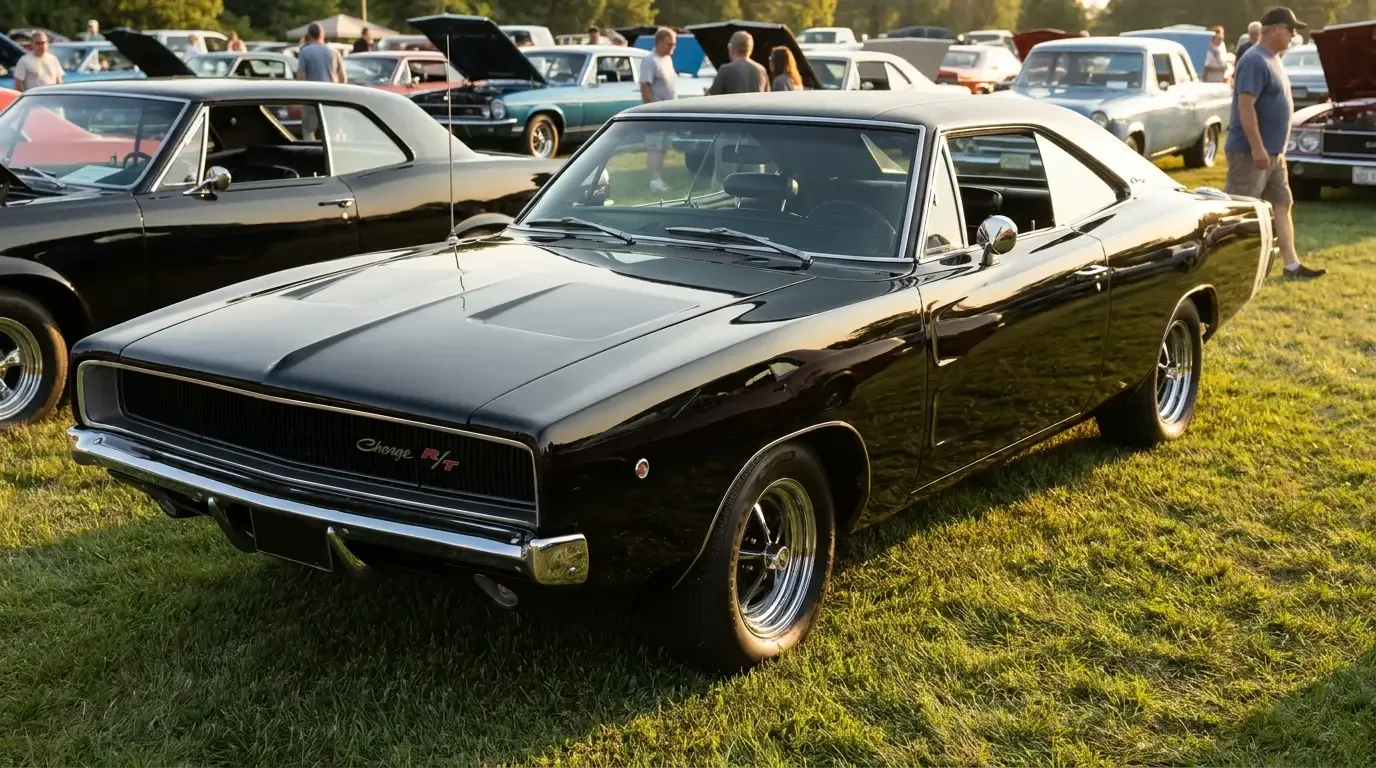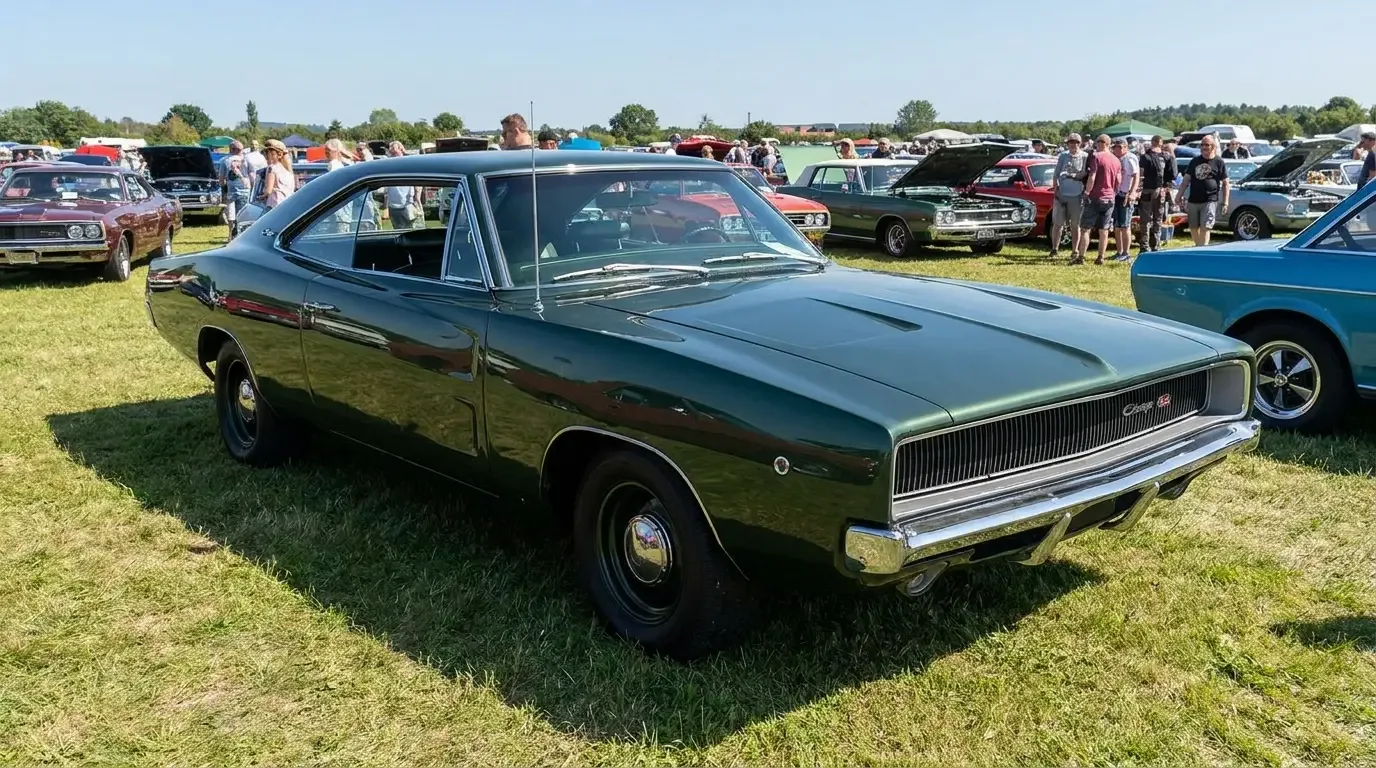
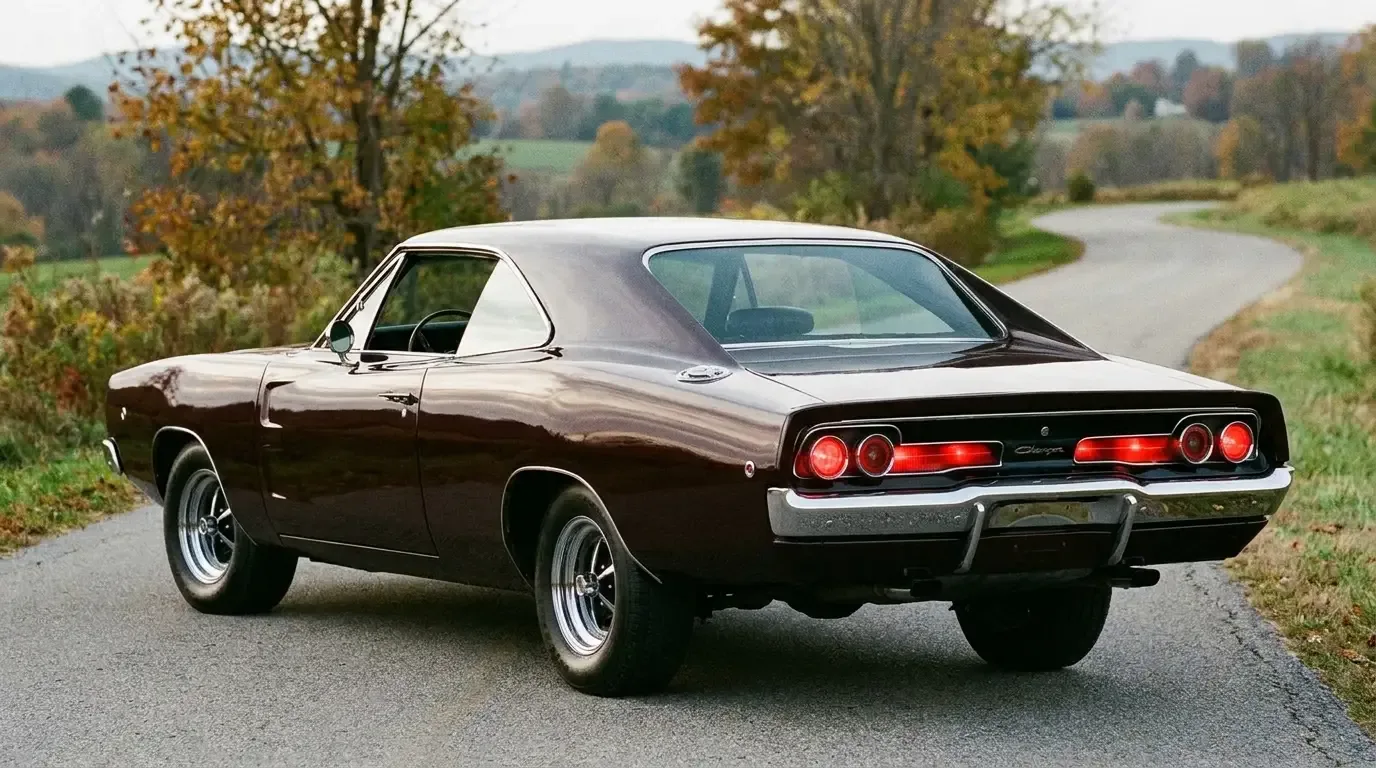
I've had my hands inside enough second-generation Charger quarter panels to tell you the coke-bottle body isn't just a styling term somebody made up for a magazine article. It's a real, physical shape stamped into the sheet metal, and it's the reason these cars are harder and more expensive to repair correctly than people expect when they buy one.
The 1969 dodge charger and its 1968 and 1970 siblings all share this body, a complete redesign that pinched the car's waist in behind the front wheels and flared it back out over the rear haunches, like the glass Coca-Cola bottle it's named after. If you're shopping one of these cars or trying to fix rust on one, you need to understand what you're actually looking at.
What the coke-bottle shape actually is
Look at a 1968 to 1970 Charger from directly above, or run your hand along the beltline from the front fender to the rear quarter. The body narrows in noticeably right behind the front wheel opening, then widens again as it moves back into the rear fender. That's not an optical trick from the paint or the trim, it's a compound curve stamped into the panel itself. Chrysler's stylists were chasing a shape that looked lower and wider than the car's actual dimensions, and pulling the sheet metal in and out like that does exactly that when you see the car in person. The problem, from a repair standpoint, is that a compound curve like this is expensive to reproduce correctly. A flat quarter panel replacement is a Saturday job for a competent bodyman. A Charger quarter panel with the coke-bottle flare has to match the curve on both axes, front to back and top to bottom, or the car will have a flat spot that catches light wrong from ten feet away. I've seen restored cars with reproduction quarters that never quite got that flare right, and once you know to look for it, you can't unsee it.
The flying buttress roof is its own repair headache
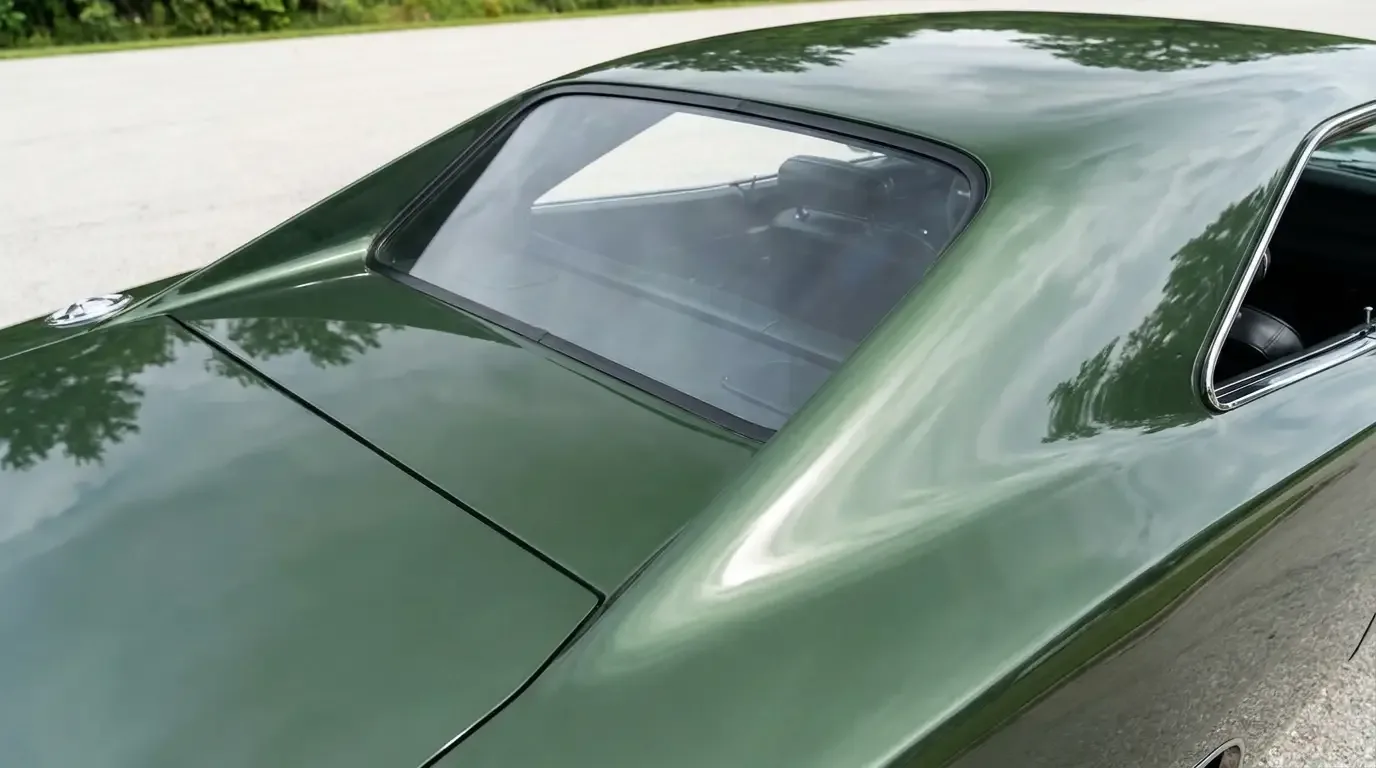
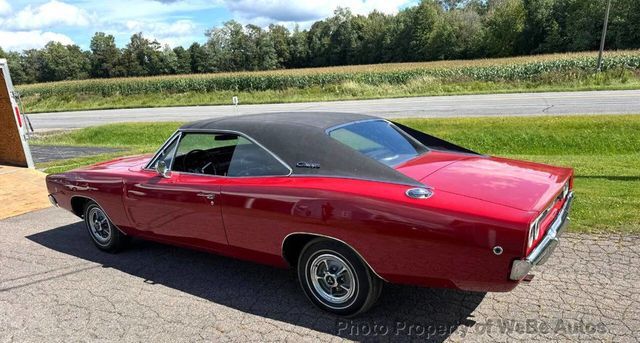
The roofline is the other half of this body's signature, and it's called the flying buttress roof because the C-pillars come down as two separate sail panels flanking a recessed rear window, instead of one continuous fastback slope. From straight behind, you're looking at what almost feels like a notchback with a fastback window tucked inside it. That recessed window area is where I tell people to check first on any car they're considering. The channel around the backlight traps water if the seal has failed, and it drains toward the trunk floor and the lower quarter structure. I've pulled trunk mats on "solid Southern cars" and found rust bubbling up from exactly this spot, hidden under fresh carpet. It's not a design flaw exactly, every fastback of this era has some version of this problem, but the Charger's more complex roof structure gives water more places to hide before it shows up as a stain.
Full-width grille and hidden headlights
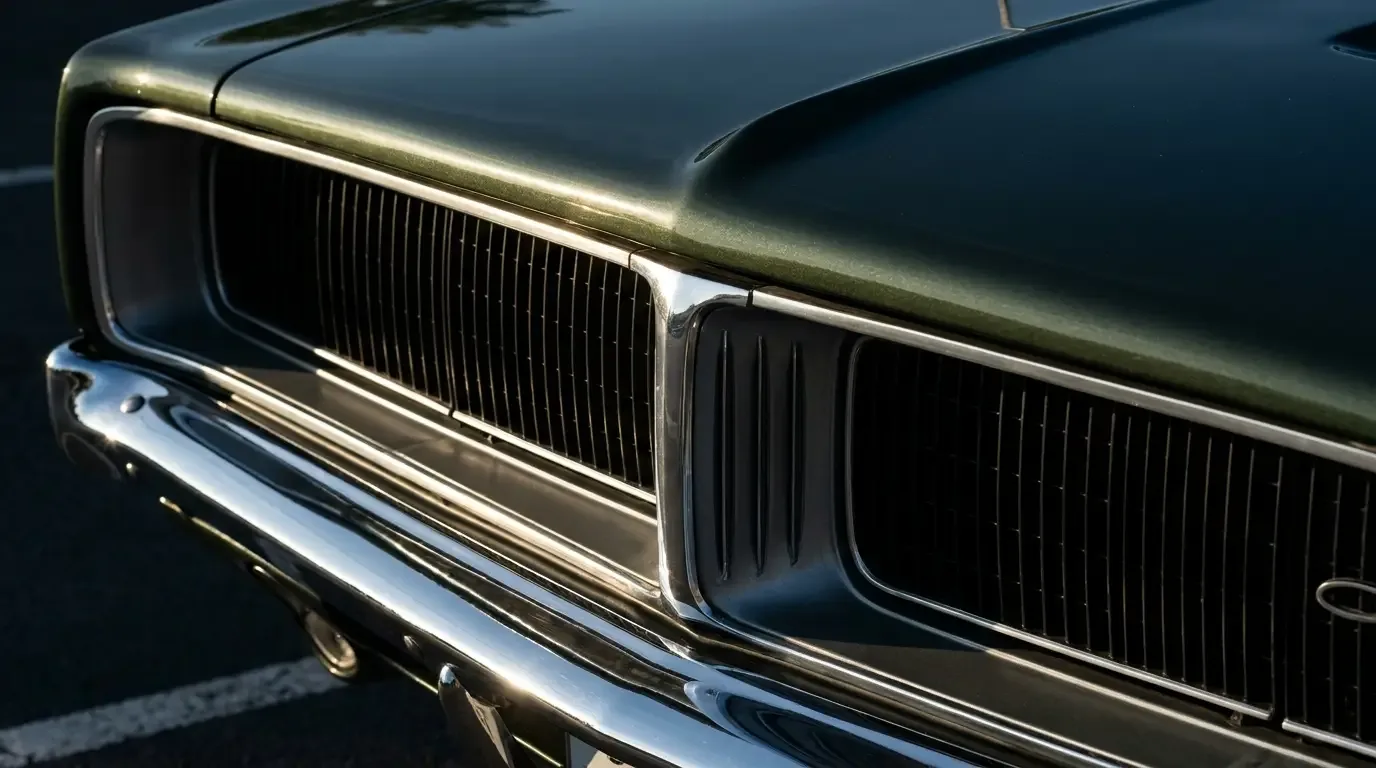
Up front, the body carries a full-width grille with hidden headlights, vacuum-operated doors that swing the headlight covers open and shut. Mechanically these are simple, a vacuum canister and a set of doors on hinges, but forty, fifty years on, cracked vacuum lines and tired canisters mean plenty of cars on the road have headlights that don't fully retract, or worse, doors that won't open at all. It's a five-minute diagnostic with a hand pump if you know where the lines run, and I'd rather find that problem myself before I buy the car than discover it the first time I need headlights at night. Grille and taillight details actually changed year to year within this body, enough that the front-end treatment on a 1969 differs from a 1968 or 1970 in specific, checkable ways. That's covered in the 1969 Charger Grille story if you want the year-by-year breakdown, and I'd read it before you go looking at cars, because sellers don't always know or say which year's trim is actually on the car.
Table: what to check on the body before you buy
| Area | What to check | Why it matters |
|---|---|---|
| Quarter panel flare | Sight down the beltline from front to rear, look for a flat spot | Reproduction panels that don't match the coke-bottle curve are common on restored cars |
| Backlight channel | Pull trunk carpet, check for rust or water staining at the base of the rear window | Poor seals drain toward the trunk floor and hide rust under fresh upholstery |
| Headlight doors | Cycle the headlights, listen for the vacuum motor, watch both doors open evenly | Cracked vacuum lines are common and cheap to fix, but a seized door mechanism is more involved |
| Sail panel seams | Check the seam where the buttress panel meets the roof skin for filler or mismatched paint texture | Poorly repaired collision damage often shows up first at this joint |
Why this body still matters to buyers
None of this is meant to scare anyone off the second-generation Charger. It's a genuinely well-proportioned car, and the coke-bottle body is a big part of why it still turns heads at a cruise-in fifty-plus years later. But it's a more complex piece of sheet metal engineering than a lot of buyers assume when they're comparing prices against a plainer fastback from the same era, and that complexity is exactly why a bad repair or a rusted-out panel costs more to make right on a Charger than on some of its competitors. If you walk into a purchase already knowing where this body likes to hide problems, you're ahead of most buyers who fall for a shiny coke-bottle profile and never check what's underneath it.
Sources and notes
- Wikipedia: Dodge Charger (1966) - the second-generation coke-bottle body, flying-buttress roofline, and hidden headlights introduced for 1968.
- Muscle Car Facts: 1968 Charger - the coke-bottle redesign and the car's longer 208-inch body over the first generation.
- ConceptCarz: Dodge Charger - shared body shell across 1968-70 with grille and trim changes year to year.
- Classic Industries: Mopar production numbers - Charger production context for the second-generation run.
- American Muscle Car Museum: 1969 Charger 500 - how the fastback roof's aerodynamics were reworked for racing, confirming the roof's real-world drag behavior.