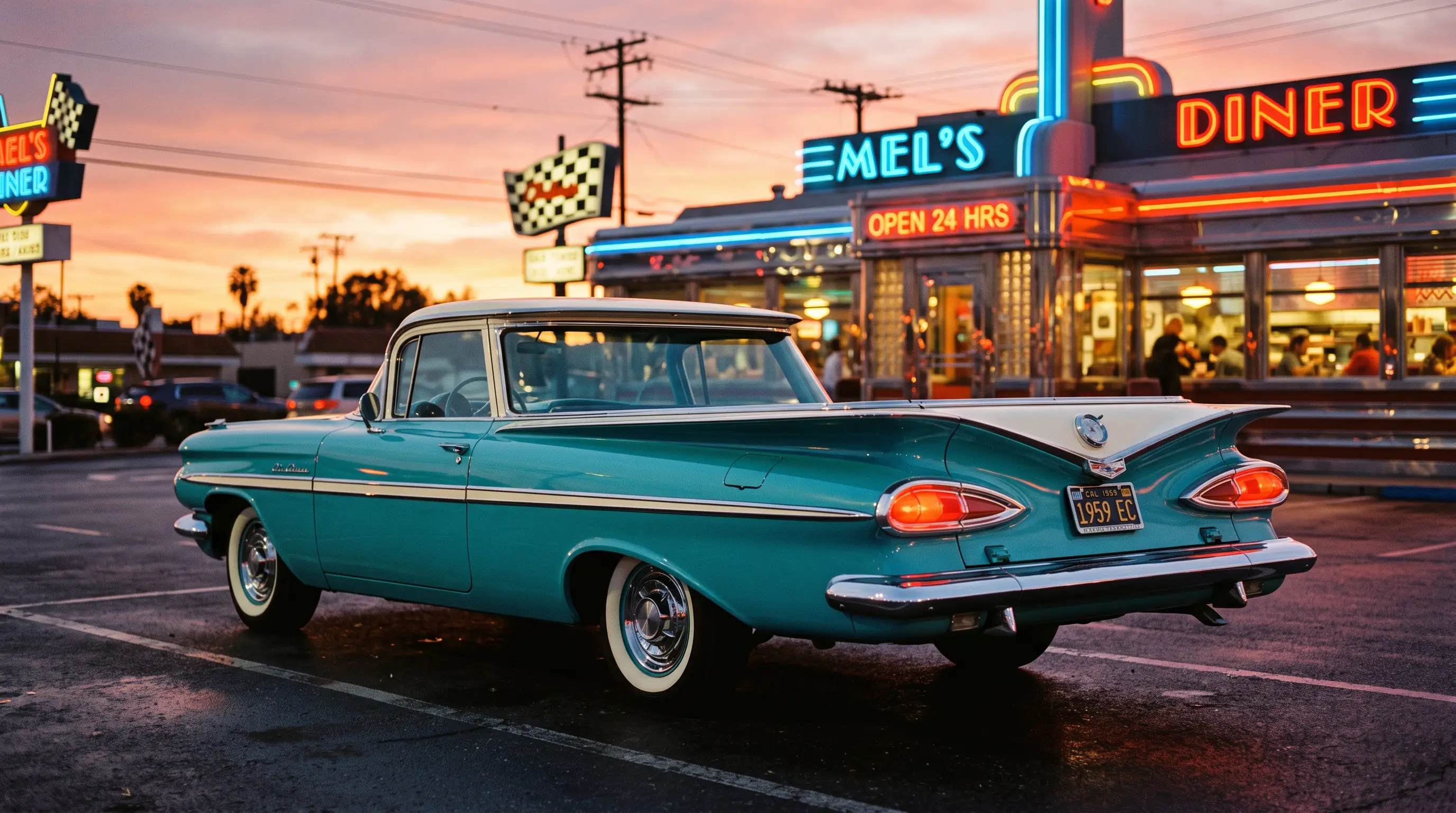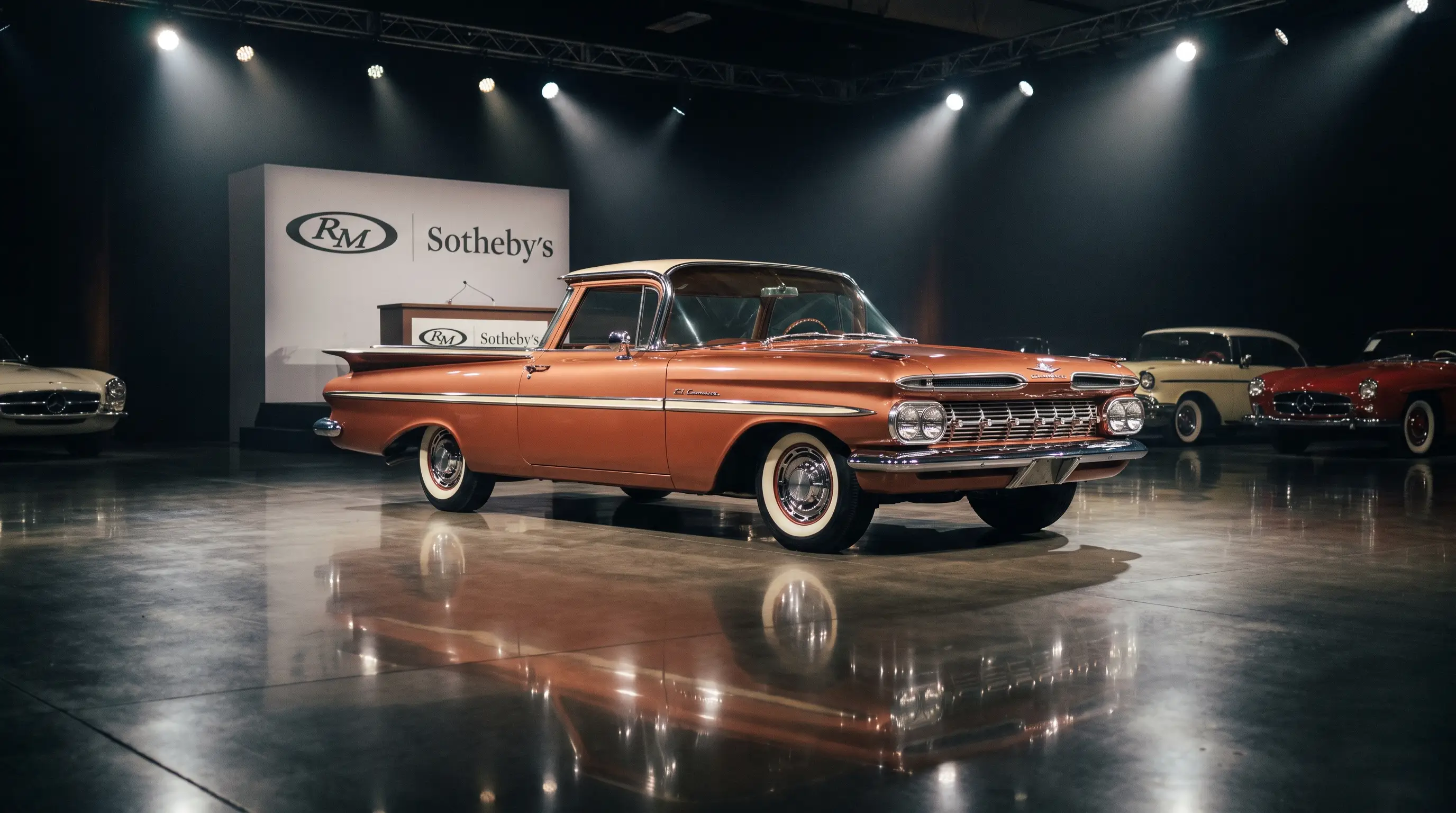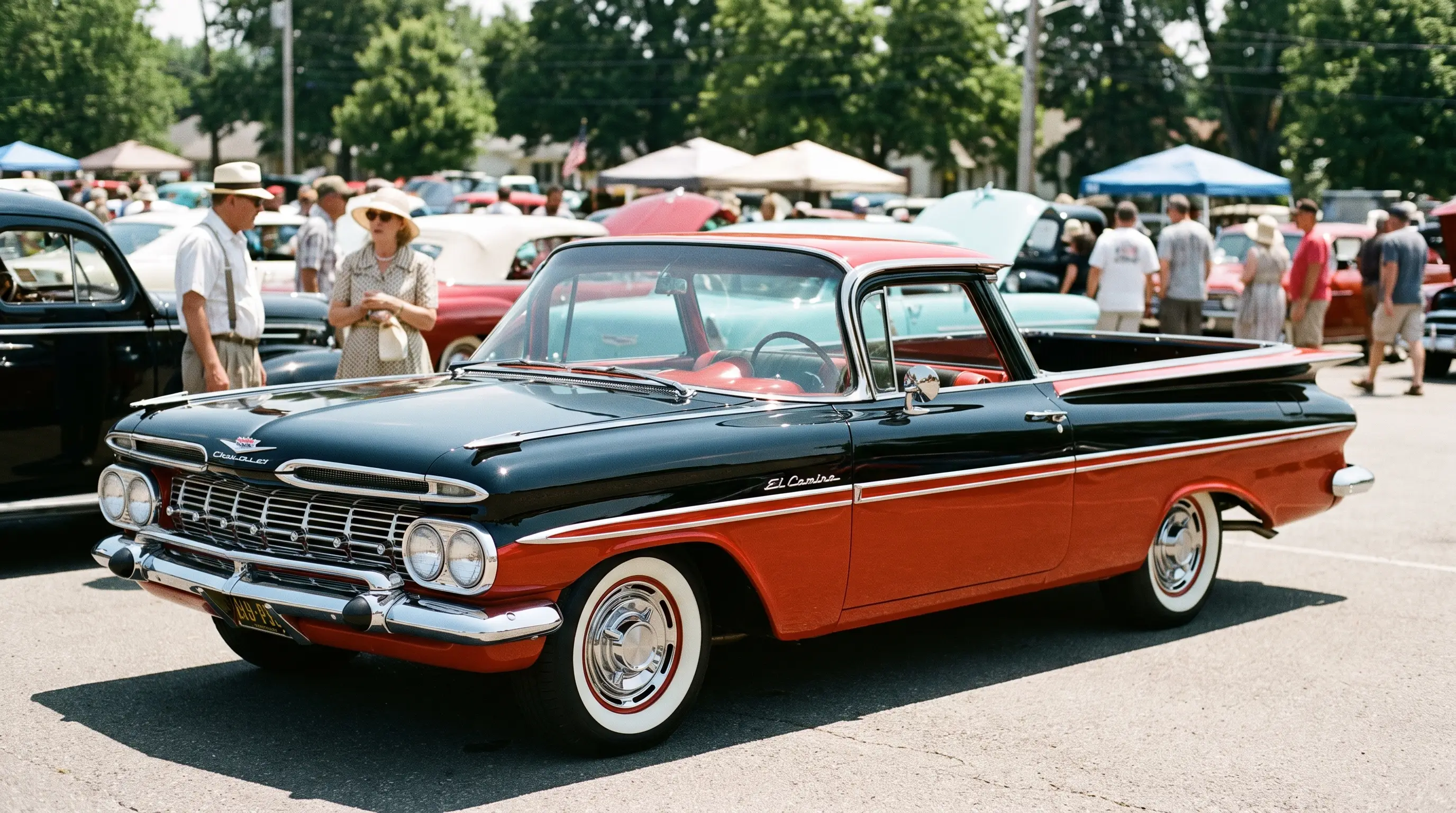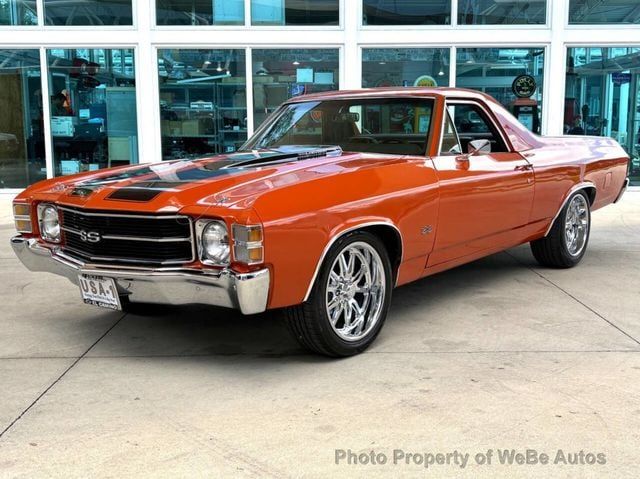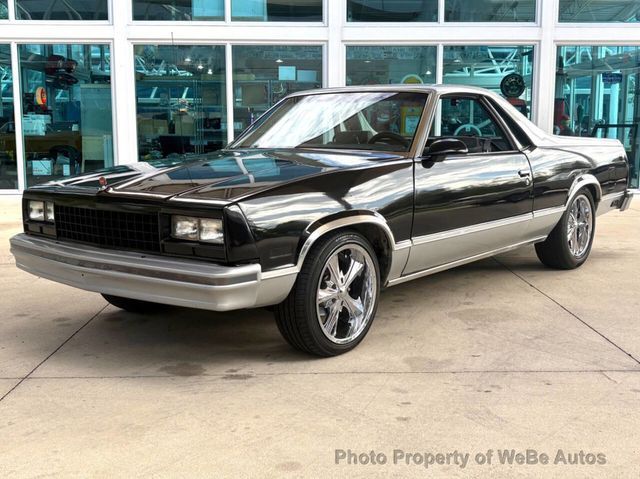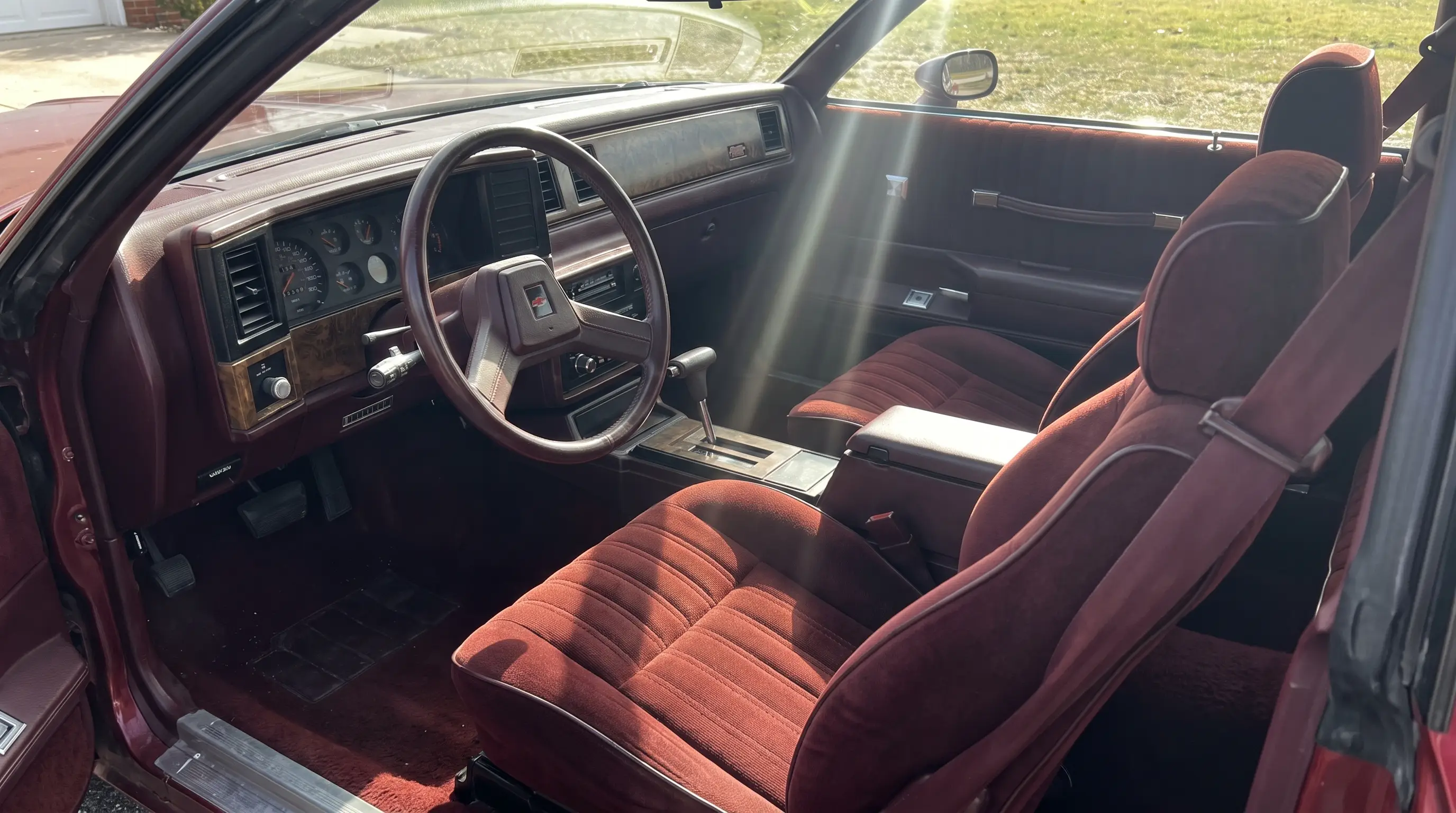
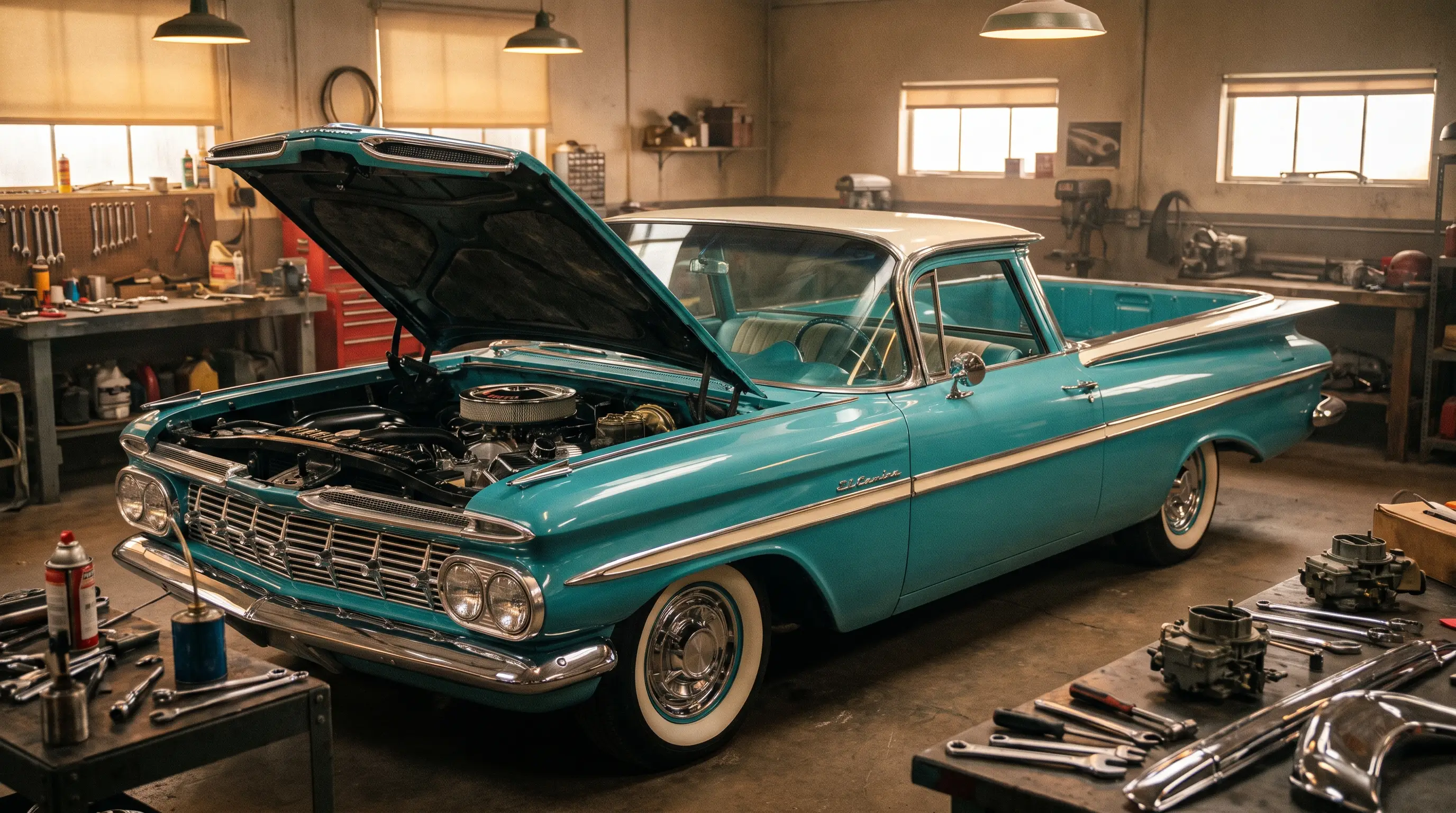
There is a particular kind of quiet that settles over a shop when a 1959 El Camino comes in on a trailer instead of under its own power. Everyone who works there knows what that means. This is not a common car with a common parts supply chain behind it, and bringing one back from that condition is as much an act of historical reconstruction as it is a repair job. Restoring a 1959 El Camino means restoring a legend that most of the surviving hobby only knows from photographs.
What separates this restoration from an ordinary one
Restoring a mainstream 1959 Chevrolet sedan is largely a solved problem, with decades of reproduction parts, established shops, and well-documented factory specifications to lean on. The El Camino sits in a smaller, less charted corner of that same world. Because Chevrolet built the model for only two years before discontinuing it entirely until the Chevelle-based version returned in 1964, the specific trim pieces, glass, and stampings unique to the model never got the long production run that keeps parts plentiful decades later. A shop taking on a 1959 El Camino restoration is often working from research and correspondence with other owners as much as from a parts catalog, and that changes the entire character of the project from the outset.
Anyone starting down this road should first understand the model's background by reading the whole picture of how the car came to exist, since knowing what an original example actually looked like from the factory is the foundation every honest restoration decision gets built on.
The documentation hunt comes before the wrench work
What strikes me most, watching serious restorers approach this car, is how much time gets spent before a single panel gets touched. Factory build sheets, dealer invoices, period photographs, and even old insurance records all become evidence in reconstructing what a specific car looked like when it left the factory, because the temptation to simply guess at original color combinations or trim levels is strong when documentation is scarce. A restoration built on solid documentation holds its value and its credibility in a way that a restoration built on assumption never quite manages, even when the finished car looks similar from ten feet away to someone who has not studied the model closely. Collectors and appraisers alike have learned to ask pointed questions about where a restoration's information came from, not just how the paint turned out.
Owner networks and hobbyist correspondence have quietly become one of the most valuable resources for this specific research process. Because so few original sources exist for the 1959 El Camino compared to a mainstream model, restorers frequently trade photographs, factory literature, and firsthand recollections through owner clubs and enthusiast forums, building a kind of crowdsourced archive that no single dealership record or factory document could provide on its own. That collaborative research culture has, in a real sense, become part of the model's own history, a community effort to reconstruct accuracy for a car that never had the luxury of a long production run to generate abundant original documentation in the first place.
Why the emotional stakes feel higher on this car
There is something different about watching a 1959 El Camino come back to life compared to a more common restoration project, and it has less to do with sentiment than with genuine scarcity. Every surviving example represents a meaningfully larger share of what is left in the world than would be true of a mainstream Chevrolet from the same year, and everyone involved in the project, from the owner to the trim specialist to the upholsterer, tends to feel that weight in ways that shape the pace and priorities of the work. Owners describe a sense of responsibility that goes beyond typical car pride, closer to the feeling of restoring a piece of a story that only a limited number of people will ever get to own a chapter of. That framing changes decisions throughout a project, pushing owners toward preserving original material wherever it can reasonably be saved rather than defaulting to wholesale replacement.
That preservationist instinct shows up in small choices that a casual observer might never notice. An owner might spend weeks tracking down an original trim piece rather than accepting a reproduction that is close but not exact, or choose to retain a slightly imperfect original panel rather than replace it outright, simply because the original material carries a kind of authenticity a new stamping cannot replicate. Those decisions rarely make a car look meaningfully different to a casual observer, but they matter enormously to the small community of people who understand what a genuinely correct 1959 El Camino should look like, and that community's opinion carries real weight when a finished car eventually changes hands.
"The best restorations I have documented on this car are not the ones with the biggest budgets. They are the ones where the owner treated research as seriously as bodywork, because on a car this scarce, getting the history right matters just as much as getting the panel gaps right."
- Sarah Whitfield
What a finished car actually represents
When a properly researched, correctly restored 1959 El Camino finally rolls out of a shop, it represents something more specific than a nice old car brought back to life. It represents one more surviving link in a production run that was always small and has only gotten smaller with every decade of hard use, rust, and neglect that came before the collector market caught up to what the car was worth preserving. That context is worth keeping in mind for anyone shopping rather than restoring, since a finished, well-documented example carries a story that a rough project car simply has not earned yet. For those ready to look at what is actually on the market right now, find a classic El Camino and pay close attention to how sellers talk about the restoration history behind each car, not just its current condition.
A story still being written
The population of surviving 1959 El Caminos is not static. Every year, a few more rough examples get pulled from fields and barns and either saved through careful restoration or lost for good when the cost math does not work out. That ongoing attrition is part of why documentation and careful research matter so much right now, at a moment when the surviving population is small enough that every decision made about a given car meaningfully affects how the model's history gets told going forward. Owners taking on this work are not just fixing a car. They are actively shaping what future collectors will understand this model to have been, one carefully documented, carefully researched project at a time, and that responsibility is worth taking seriously.