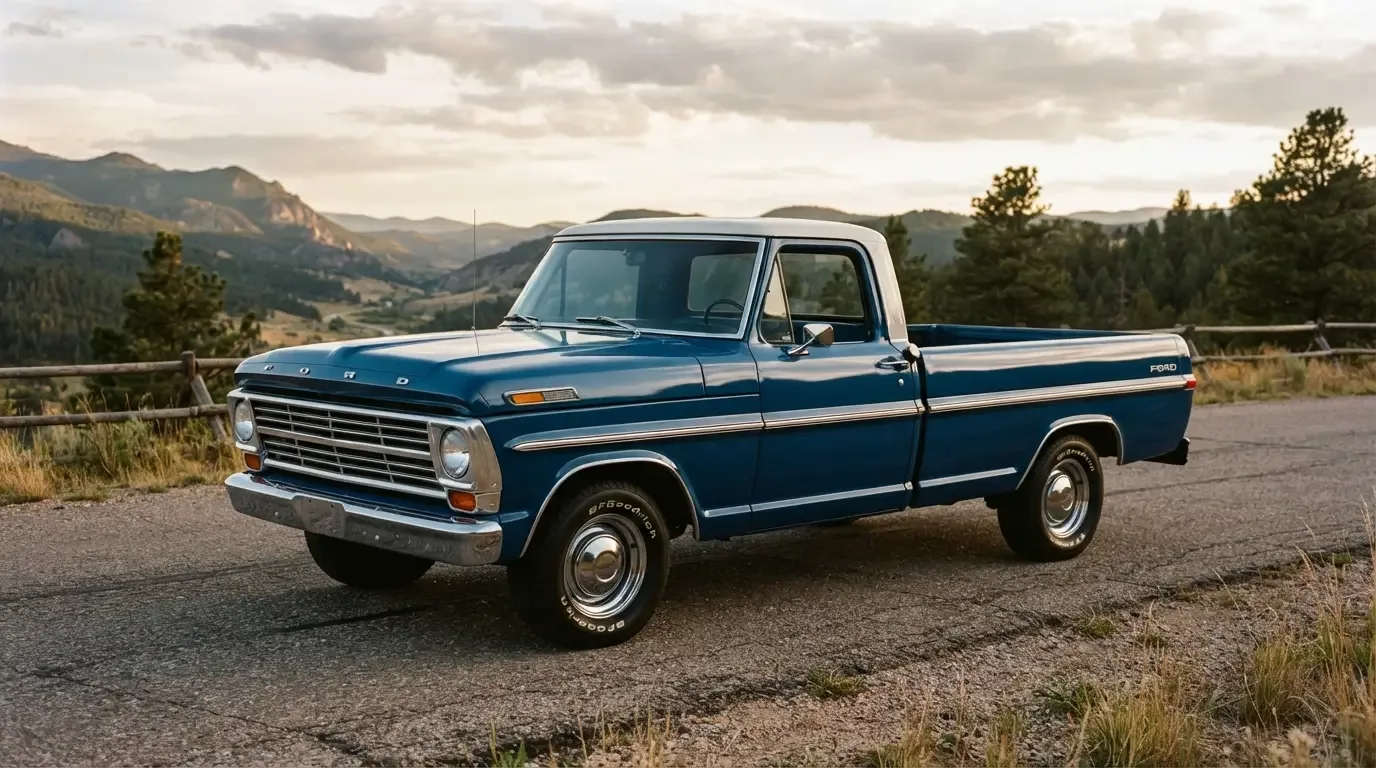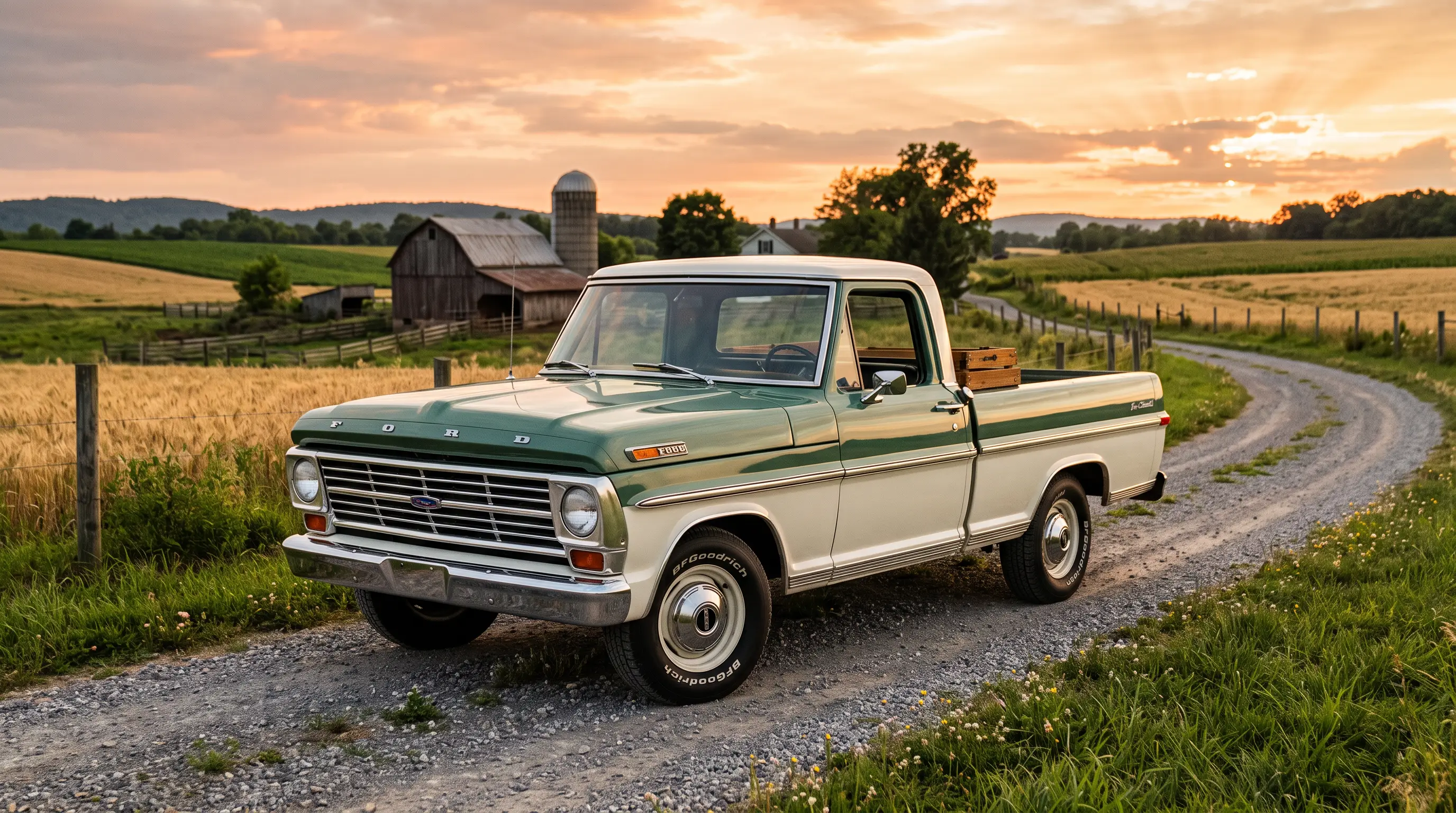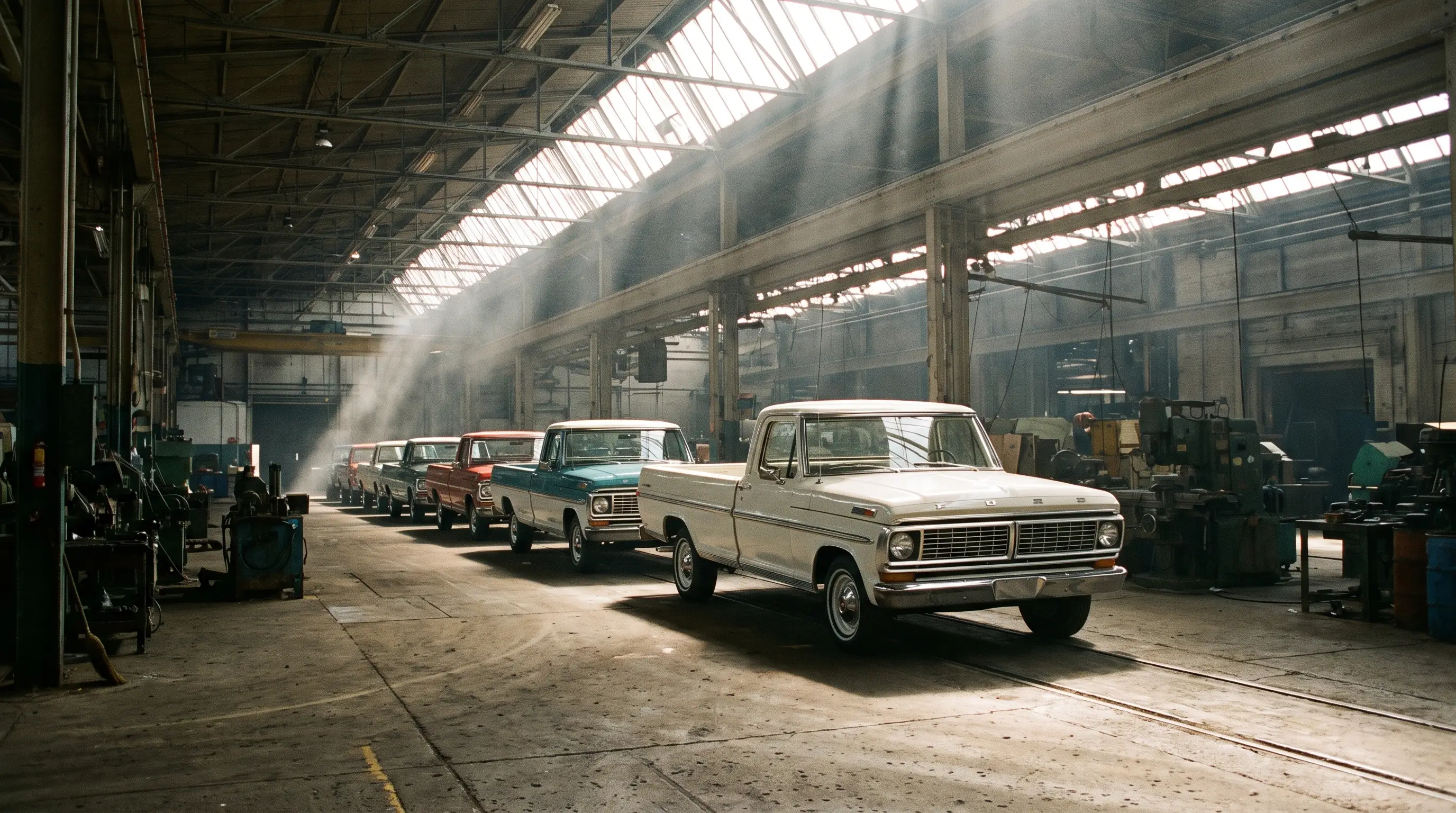
The numbers on Bumpside F-100 sales have moved enough in the last few years that I keep having to update my own notes on where this segment sits. The 1967 Ford F100 value story is not a straight line up, and anyone telling you it is has not been watching the auction results closely enough. What I see is a market sorting itself into clear tiers, with condition and originality doing almost all the work in separating a bargain from an overpriced project.
I track completed sales, not asking prices, because asking prices tell you what a seller hopes for and completed sales tell you what a buyer actually paid. That distinction matters more in this segment than almost any other classic truck category I follow.
What the sales data actually shows
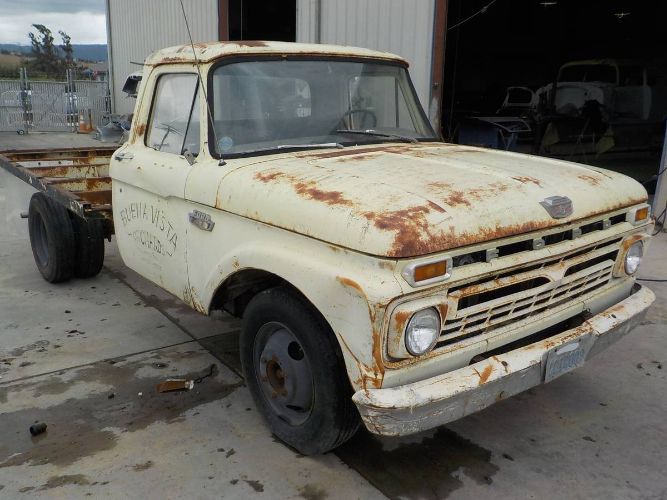
Rough project trucks with the fifth-generation body, meaning trucks needing full mechanical and cosmetic work, have consistently traded at the lower end of the range, often changing hands for what amounts to little more than parts-truck money. Solid drivers with original or well-restored interiors and straight bodies occupy the middle tier, and these are the trucks moving in the highest volume. The top tier, clean Ranger-trim trucks with documented history and desirable engine and color combinations, pulls a meaningful premium over the middle tier, sometimes double or more depending on the specific truck.
That spread is wider than it was several years ago, and the widening itself is the story. A market where the gap between rough and clean examples keeps growing is a market where buyers are getting more sophisticated about what they will pay for, not less. For the full background on this generation, our more on the 1967 ford f100 feature covers the design and production side that underpins these value patterns.
The factors that actually move price
Engine matching is the single biggest lever I see in completed sale prices. A truck with its original, numbers-correct engine still installed pulls more money than an equivalent truck with a later swap, even a well-executed one, because originality carries weight with the buyer pool actively bidding on these trucks right now. That could shift as the resto-mod crowd grows within this segment, but as of today, originality wins more often than not.
Trim level runs a close second. Ranger and Ranger XLT trucks, which came with more chrome, better upholstery, and additional comfort options from the factory, consistently outsell base Custom trucks at auction, sometimes by a wide margin for comparable condition. Buyers are willing to pay for the truck that felt special when new, and that preference has not faded with time.
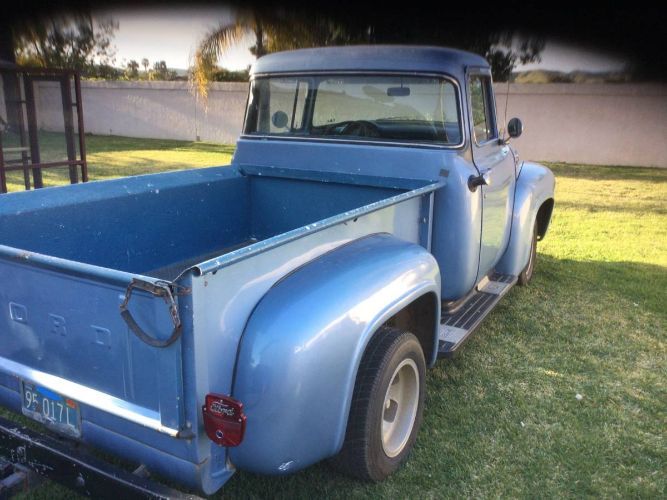
Body style matters too, and here the data is unambiguous. Flareside beds, with their exposed rear fenders and stepside look, and short-bed Styleside configurations both draw stronger bidding than standard long-bed Styleside trucks. It is a styling preference more than a mechanical one, but the market does not care about the distinction. Price follows demand, and demand follows what buyers find visually appealing.
| Factor | Effect on value |
|---|---|
| Matching numbers engine | Meaningful premium over documented swaps |
| Ranger or Ranger XLT trim | Consistent premium over base Custom trucks |
| Short-bed or Flareside body | Strong buyer preference, higher bids |
| Complete documentation | Reduces buyer risk, supports higher prices |
| Rust-free body | Largest single factor separating tiers |
"I have watched two nearly identical trucks sell for wildly different amounts because one had the original engine and one did not. The market says originality is worth real money right now, and I would not bet against that trend continuing."
- David Mercer
Where the risk sits for buyers
The biggest financial risk in this segment is not paying too much for a genuinely excellent truck. It is paying premium-tier money for a truck presented as premium tier that turns out to be a cosmetically restored rough truck underneath. Filler, replacement panels, and undocumented engine swaps get disguised well enough in photos and even in casual inspection that buyers relying on listing descriptions alone are gambling more than they realize.
My standard advice here is blunt. Get a pre-purchase inspection from someone who knows this specific generation, verify the data plate against any claimed documentation, and budget as if the truck needs at least some of the work a seller claims is already done. Sellers are not always dishonest, but optimism about one's own restoration work is common enough that a skeptical buyer protects themselves better than a trusting one.
My actual buy or no-buy read
For buyers with a realistic budget and patience, I lean buy on solid middle-tier trucks right now. The spread between middle and top tier gives room for a well-bought truck to appreciate as it moves up in perceived quality through a good but not obsessive restoration. Chasing the top tier trucks at auction requires deep pockets and a willingness to compete against serious collectors, and that is a harder game for a casual buyer to win on value alone.
Rough project trucks are a buy only for someone who genuinely wants the build process itself, not for someone chasing appreciation. The math on a full restoration rarely pencils out favorably once labor is counted honestly, and the segment does not currently reward that kind of speculative rebuild the way some other classic truck categories do. If you want the fuller picture of how this generation fits into the broader F-Series story, our our complete history feature covers that ground, and when you are ready to see current inventory, classic F-100s on the market is a good place to gauge where prices actually sit today.
Overall, this is a healthy market with room for smart buyers, but it punishes impatience and rewards documentation. Approach it like the data-driven purchase it is, and the Bumpside remains one of the more rational classic truck segments to enter right now.
How this segment compares to other classic Ford trucks
Set against earlier F-Series generations, the Bumpside still trades at a discount to the F-1 and F-100 trucks from the 1950s, and that gap has held fairly steady even as Bumpside values have climbed. Part of that is simple supply. Ford built the fifth generation in far greater volume than the earliest trucks, and volume caps how scarce any given example can become no matter how clean it is. Buyers looking purely at appreciation potential sometimes point to that gap as an opportunity, reasoning that the Bumpside will eventually close the distance the way other once-overlooked generations have.
I am cautious about that argument. Scarcity gaps between generations do not close automatically just because time passes. They close when a specific generation develops its own dedicated collector base willing to pay up for it, and that shift has to be earned through visibility, media coverage, and a track record of strong sales at major auctions, not assumed. The Bumpside has real momentum in that direction right now, more magazine coverage, more dedicated club activity, and stronger auction results than it had a decade ago, but momentum is not the same as an inevitable outcome. Treat any appreciation thesis on this generation as a reasonable bet rather than a certainty, and size your purchase accordingly.