
I've had guys stand next to a Trans Am at a swap meet and tell me it's the only Firebird worth owning. Then I point them at a Formula 400 parked two spots down, same year, same engine bay, four hundred pounds lighter up front because there's no shaker hood and no big fiberglass ductwork hanging off the nose, and half of them go quiet. The Formula 400 was never the car that got the magazine covers. It was the car that got the job done for less money, and if you know what you're buying, it's still one of the smarter ways into a real Pontiac muscle car.
Car Features
6 min read
The Formula 400: Muscle Without the Wing
The Formula 400 skipped the Trans Am's spoilers and price tag but kept the torque, and it's still one of the smartest ways into a real Pontiac muscle car.
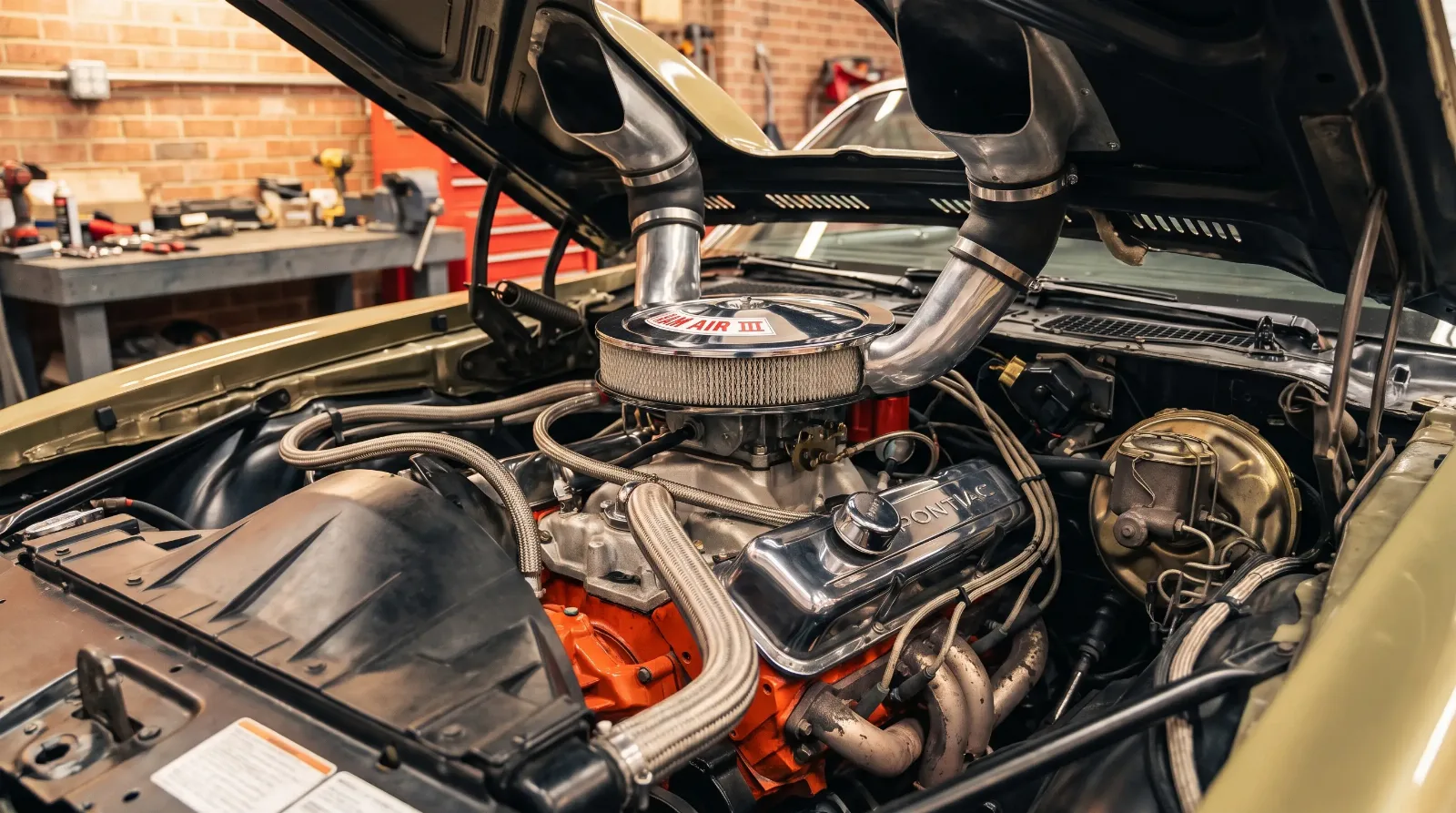
The Formula was built to undercut its own sibling
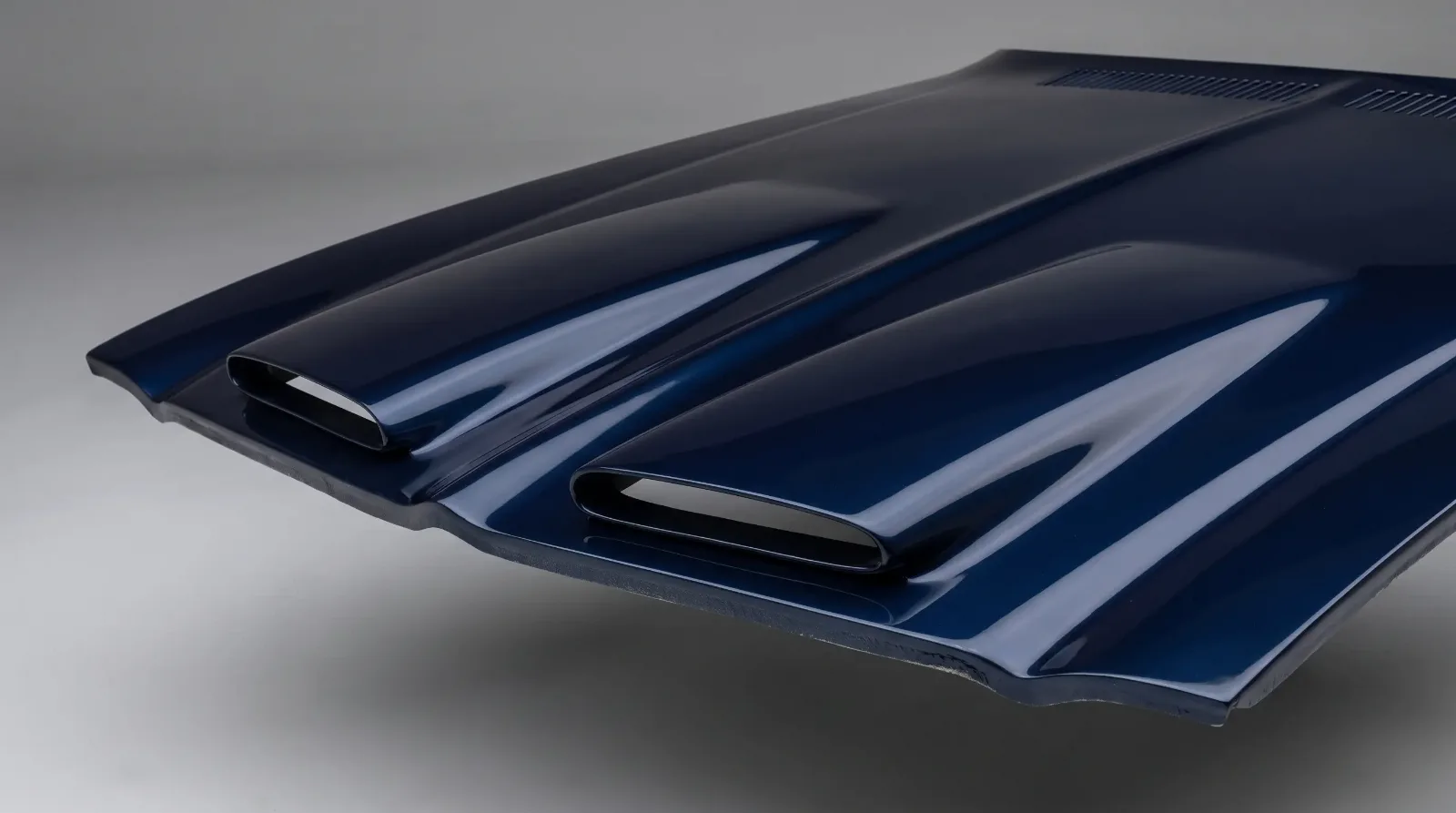
Pontiac positioned the Formula as the performance Firebird for buyers who didn't need the Trans Am's spoilers, stripes, or price tag. Same basic architecture underneath, none of the aero package, and a simpler twin-scoop hood instead of the shaker setup bolted to the air cleaner. The 400 cubic inch V8 was the volume engine in that lineup for most of the model's run through the 1970s, sitting between the smaller 350 and the optional 455 as the engine a lot of buyers actually drove home with, because it split the difference between price and torque without asking you to justify a big-block insurance bill to your agent.
That's the part people miss when they only look at horsepower charts. The 400 in a Formula wasn't the halo engine. It was the sensible one. And sensible, on a Pontiac V8 from this era, still meant a torque curve that would pull the nose up if you weren't paying attention.
What the 400 actually made, and why the number moved
Early Formula 400s were rated at 330 hp gross for the standard four-barrel 400, with the optional Ram Air III version rated around 335 to 345 hp gross depending on the year, back when Detroit was still using the optimistic gross measurement standard. By 1972, the industry-wide switch to net ratings, combined with lower compression to run on regular unleaded and early emissions equipment, dropped the published numbers hard, even on engines that hadn't actually lost that much real-world output. A 1973 Formula 400 carried a rating of about 230 hp net, and by 1974 that had slipped to around 225 hp net, which reads like a huge falloff on paper but doesn't tell the whole story once you account for how the rating itself changed.
This trips up a lot of first-time buyers. They compare a 1970 gross figure to a 1974 net figure and conclude the later car is half the engine the early one was. It isn't. Some of that drop is real, emissions equipment and lower compression cost genuine power, but a chunk of it is just the industry changing how it counted. Know which rating standard you're looking at before you make a buying decision off a spec sheet.
| Model years | Rating standard | What changed |
|---|---|---|
| 1970 to 1971 | Gross horsepower | Higher compression, Ram Air still available with real induction gains |
| 1972 | Transition year | Both gross and net figures published for some engines, compression starting to drop |
| 1973 to 1976 | Net horsepower | Lower compression across the board, early emissions hardware, published numbers fall sharply |
Buying one: what to check before the paint
The 400 block itself is a durable piece and parts support is decent, better than a lot of orphaned engine families from this period, because Pontiac used variations of this V8 architecture across a wide range of GM products through the 1970s. What actually separates a good Formula 400 from a headache is everything around the engine, not the engine itself.
- Check the cowl and firewall for rust before anything else. Firebirds of this generation trap water at the cowl, and by the time it shows in the carpet, the firewall metal underneath is usually already compromised.
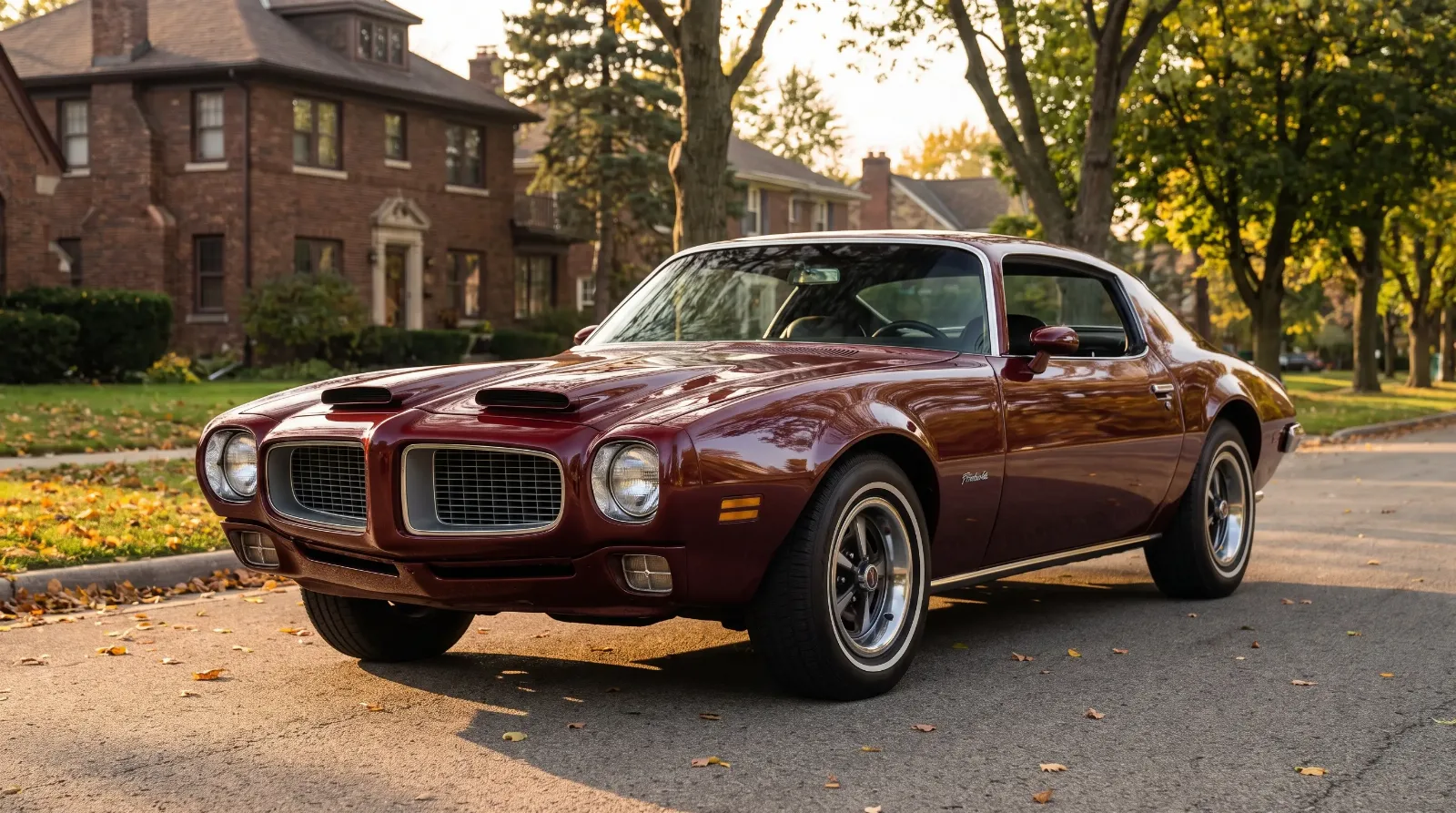
- Verify the hood matches the car. A lot of Formulas have had the twin-scoop hood swapped, replaced with reproduction fiberglass, or in some cases traded onto a car that never came with Ram Air to fake the option. None of that is a dealbreaker if the price reflects it, but it should not be sold to you as original.
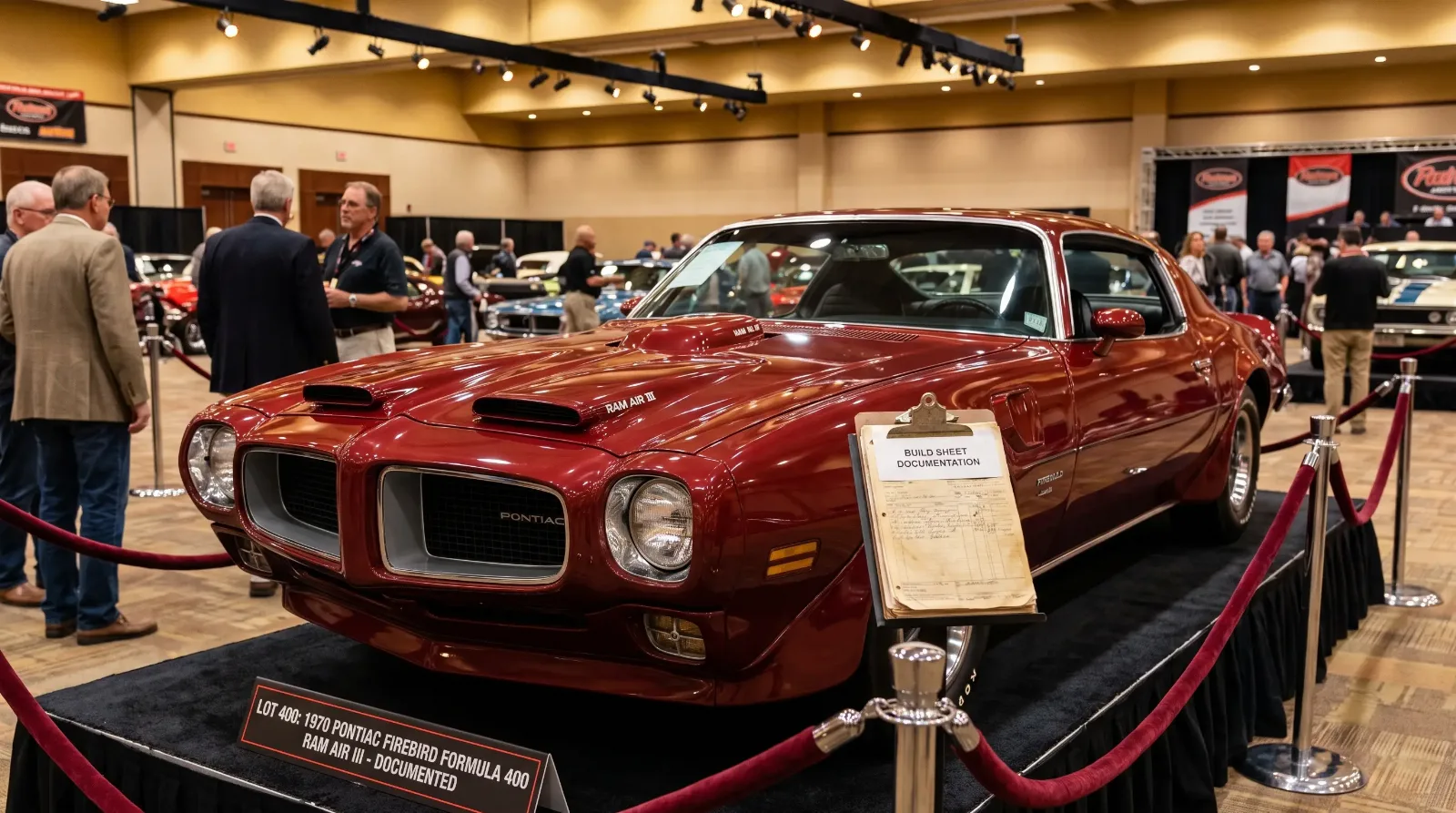
- Pull the trim tag and cross-reference the engine code against the VIN. Numbers-matching Formula 400s bring a real premium over a car with a service-replacement short block, and plenty of sellers gloss over the difference.
- Look at the trans tunnel and floor pans, not just the rockers. Rockers get patched. Floor pans under carpet get ignored until someone's foot goes through them.
What they're worth and who they're for
A driver-quality Formula 400 with some honest wear typically trades well under a comparable Trans Am, often by a meaningful margin, because the market has always paid a premium for the spoiler and the shaker hood even when the drivetrain underneath is nearly identical, a gap that traces back to the original showroom pricing, where a Trans Am cost several hundred to nearly a thousand dollars more than a comparable Formula 400 depending on the model year. That gap is exactly why I point people at these cars. You're getting the same chassis, similar power depending on options, and a genuinely quicker car in a straight line than the extra weight of the Trans Am's aero package would suggest, for a price that leaves room in the budget for the restoration work these cars usually need.
"Everybody wants the Trans Am until you show them the invoice difference on a comparable Formula 400 sitting right next to it. Same block, same year, four hundred less pounds of decal and ductwork up front, and a check that's a lot easier to write."
Mike Sullivan
The verdict
If you're chasing a numbers-matching investment piece with the biggest name recognition, buy the Trans Am and pay the premium. If you want a genuinely good driving classic Pontiac, one that doesn't punish you every time you pop the hood looking for parts, the Formula 400 is the smarter buy almost every time. It was built as the no-nonsense alternative in its own showroom, and thirty years of market behavior hasn't really changed that role. For a closer look at where the Formula sits in the broader Firebird lineup, read the Formula chapter, and if you want the hood itself broken down in detail, there's another angle worth reading. The full lineup context lives in our Firebird guide, and if you're ready to start shopping, there are usually Firebird Formulas for sale worth a look.
Sources and notes
Related Reading
Have a
Pontiac Firebird
for Sale?
Reach thousands of serious classic car collectors across the US.
Sell It Here →
Are You a Classic Car Dealer?
List your full inventory and connect with targeted classic car buyers.
Join as a Dealer →
#pontiac firebird
#muscle car buying guide
#classic pontiac
#Firebird Formula
#Formula 400
#Pontiac 400 V8

About the author
Mike Sullivan
Detroit-area muscle car enthusiast and restoration specialist with three decades of hands-on experience working on American iron.
Related Listings - Pontiac Firebird


Comments (1)
R
Rick Fontaine
2 months ago
Never understood why this model gets overlooked. Equal or better engineering than the cars that get all the coverage, usually at considerably lower cost.