
Researching ford bronco 1969 notable examples is a different exercise than researching the model year as a whole. Production numbers and option sheets tell you what Ford built. Individual surviving trucks tell you what actually happened to that production run once it left the factory, and which examples earned a place in the historical record through documentation, preservation, or simple luck.
Car Features
6 min read
Notable 1969 Broncos and Where They Are Now
What makes a surviving 1969 Bronco historically notable is not its paint job, it is the paper trail behind it, from original-owner trucks to institutional archives.
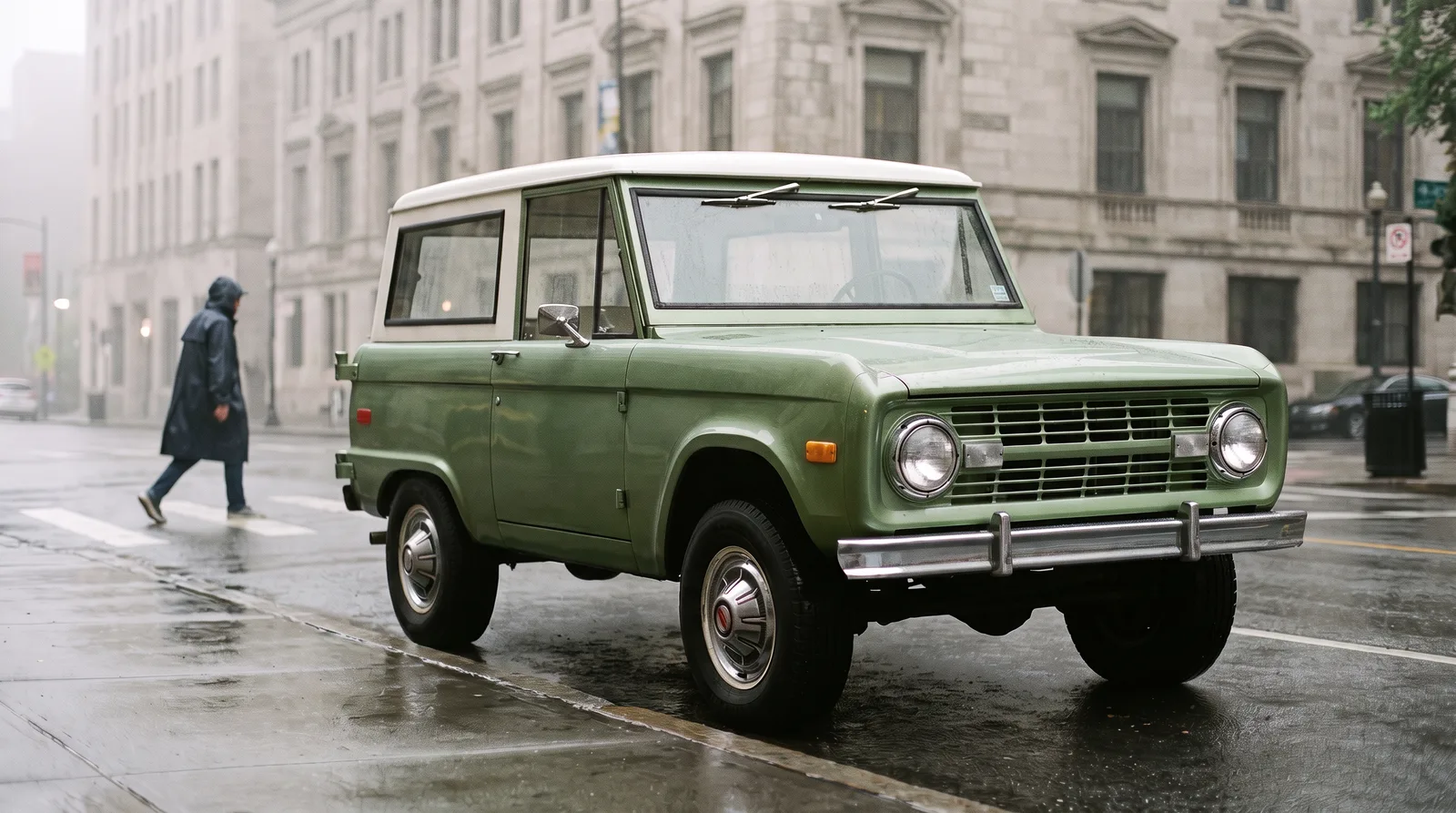
What makes a 1969 Bronco "notable" in the first place
Definitions here matter more than they might seem to at first glance. In concours and collector circles, a notable example is not necessarily the flashiest truck. It is the one with the strongest paper trail. A Bronco with a continuous ownership history, original build sheet, and documented mileage carries more historical weight than a truck that simply looks impressive but arrives with no verifiable past. I have handled appraisals where a rough-looking survivor with a complete file outranked a beautifully restored truck with no documentation at all, because the file told a story the restoration could not.
For 1969 specifically, notable examples tend to fall into a few recognizable categories: original-owner trucks that stayed with one family for decades, low-mileage survivors that were parked early and rarely driven, and documented ranch or fleet vehicles whose working history can be traced through business records rather than personal memory alone.
Original-owner trucks and why they matter
A Bronco that has never left its first owner's family carries a kind of authority no restoration can replicate. Every modification, every repair, every mile is accounted for by people who were actually there. These trucks are rare specifically because most vehicles this age changed hands multiple times, often losing paperwork and clear provenance with each transfer, sometimes deliberately when a seller wanted to obscure a rough patch in the truck's history rather than disclose it to the next buyer. When a genuine original-owner 1969 Bronco does surface, whether at a club show or through an estate sale, it draws serious attention from researchers and collectors precisely because it closes gaps that other examples leave open.
Low-mileage survivors and the stories behind them
Every so often a 1969 Bronco surfaces having covered a genuinely small number of miles, parked decades ago for reasons that range from a family simply outgrowing the truck to a mechanical issue nobody got around to fixing before life moved on. These low-mileage survivors are valuable to researchers because they preserve details that heavily used trucks lose: original upholstery texture, factory-applied undercoating, unworn pedal pads, small assembly-line marks that vanish after a few years of real use. Specific individual trucks and their current owners or locations are not addressed here, since that kind of provenance is best verified case by case rather than asserted in general terms.
These trucks function almost like time capsules. A researcher examining one can confirm details about factory assembly practices that written records from the period sometimes leave ambiguous, since dealer paperwork and factory bulletins were not always consistent with what actually happened on the line.
"A truck that was parked in 1975 and forgotten about is more useful to a researcher than ten restored trucks put together. It has not been touched by fifty years of someone else's opinion about what it should look like."
- Sarah Whitfield
Fleet and working trucks with traceable records
Not every notable Bronco was privately owned. Some of the more historically interesting 1969 examples spent their working lives attached to a business, a utility company, a park service, or a large ranching operation, and those institutional owners often kept better records than private buyers did. A truck with a documented fleet history, purchase orders, maintenance logs, eventual sale to a private owner, offers researchers a level of detail that personal recollection alone rarely matches. These trucks are not always the prettiest survivors, but they are frequently the most historically reliable.
Utility company records in particular can be surprisingly rich sources. Fleet purchasing departments often documented not just the purchase date and price but the specific equipment ordered, which trim level, which engine, which auxiliary equipment, information that helps researchers cross-reference against surviving option sheets and confirm exactly what a working 1969 Bronco carried when it left the dealer. That level of specificity is difficult to reconstruct from a private sale decades later, which is exactly why fleet-history trucks punch above their weight in serious research despite rarely being show winners.
What museum and archive holdings add to the picture
A smaller number of 1969 Broncos have ended up in institutional collections, whether at automotive museums, Ford's own archival holdings, or university transportation collections that occasionally preserve working vehicles alongside more traditional artifacts. These trucks are notable for a different reason than the ones in private hands. Institutional stewardship tends to come with rigorous documentation standards from the moment of acquisition, condition reports, provenance research, sometimes even oral history interviews with previous owners recorded before that history could be lost.
That kind of record keeping is exactly what a researcher hopes to find but rarely does outside institutional settings. A private collector might remember roughly when they bought a truck and from whom. A museum accession file typically documents that transaction with dates, prices, and supporting correspondence that leaves far less room for the details to blur with time.
Why documentation outranks condition in this research
It would be easy to assume the most notable surviving 1969 Broncos are simply the best looking ones. That is not how serious research treats the category. A truck's historical value comes from what can be verified about it, not from how recently it was repainted. A researcher working to understand 1969 production and use patterns needs documented examples across a range of conditions, not just the show-quality survivors that tend to get the most public attention.
Anyone wanting the whole picture of the 1969 model year, including the production and design context that helps explain why certain examples matter more than others historically, should read the fuller account alongside this piece. And for collectors hoping to eventually add a well-documented example to their own research or garage, it is worth taking time to find a classic Bronco with a verifiable history rather than simply the cleanest paint job available.
The truly notable 1969 Broncos are not necessarily rare in a production-numbers sense. They are rare in the sense that matters most to a historian: they have kept their own record straight, decade after decade, long enough for someone to still be able to trust it. That kind of continuity is what separates a genuinely notable example from a merely nice-looking one, and it is worth learning to tell the difference before treating either claim as settled fact.
Sources and notes
Related Reading
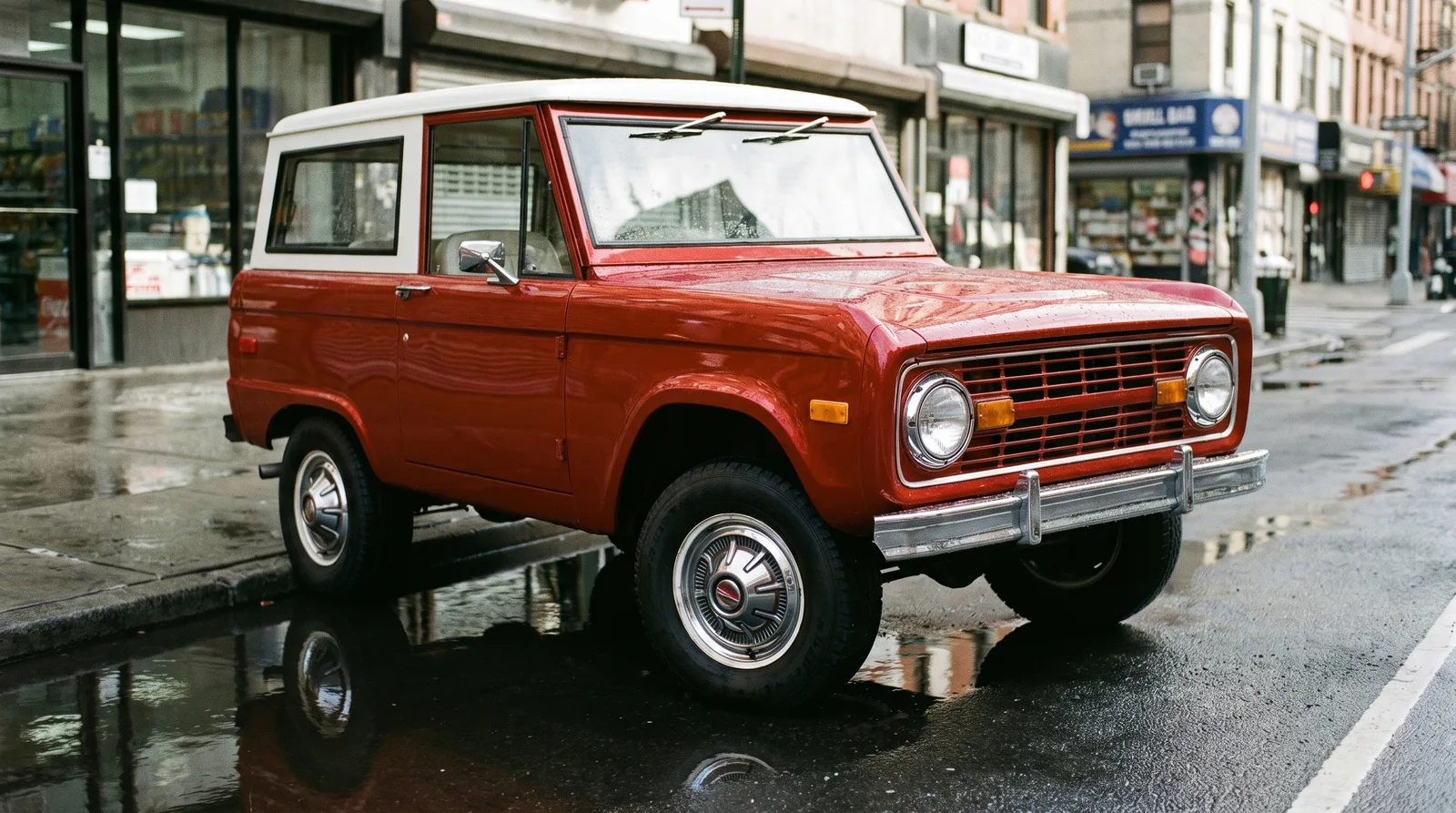
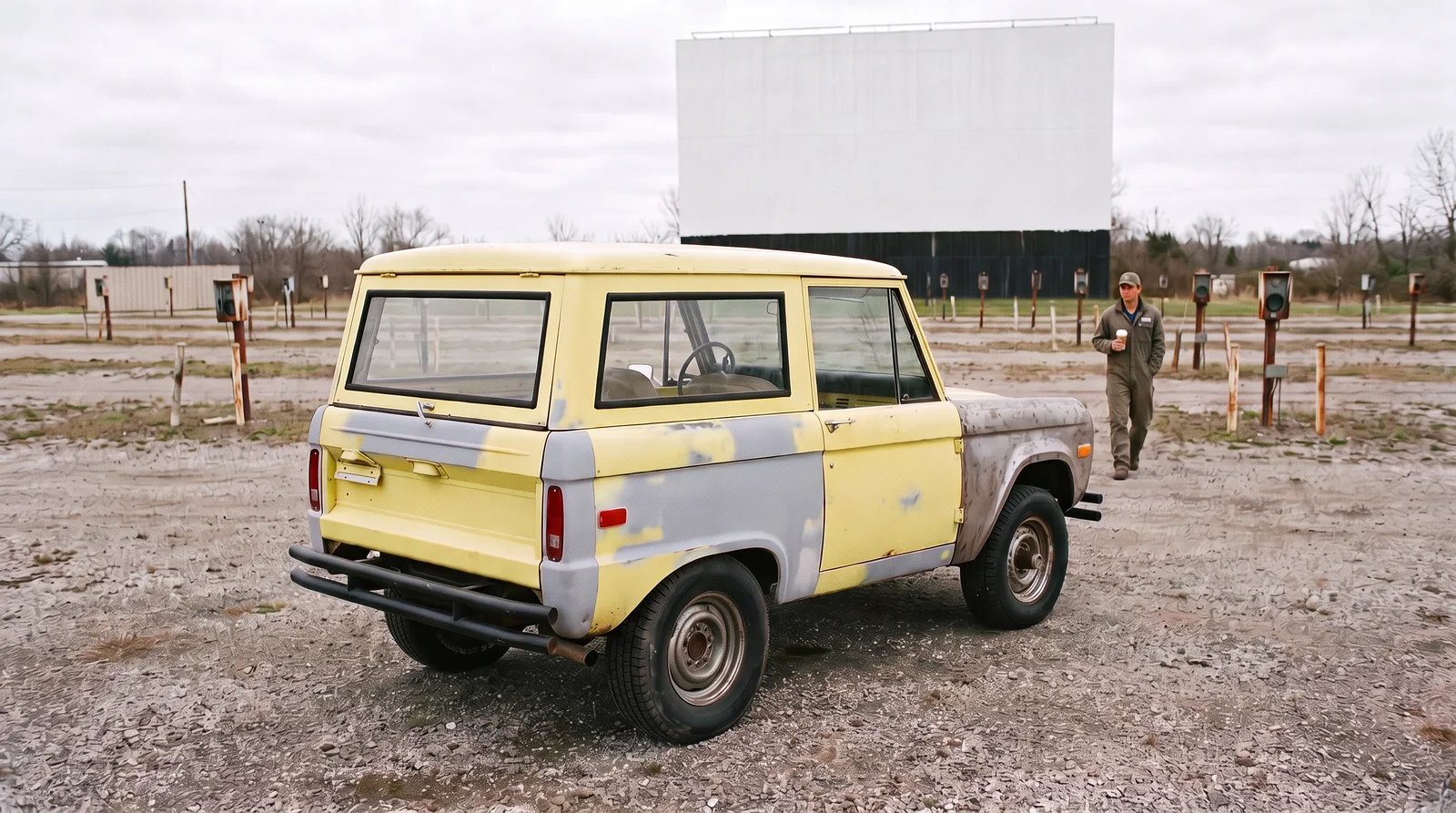
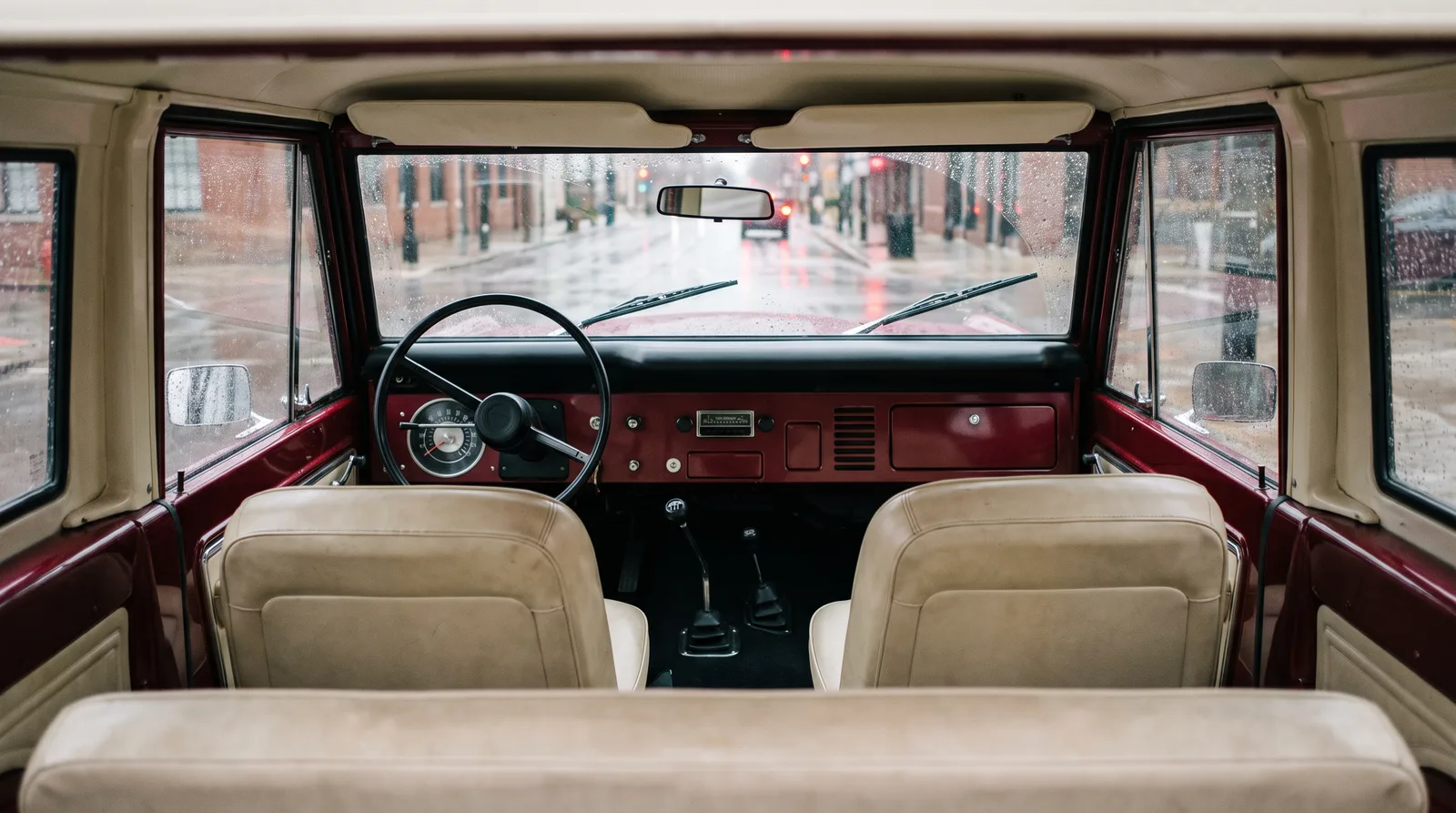
Have a
Ford Bronco
for Sale?
Reach thousands of serious classic car collectors across the US.
Sell It Here →
Selling a classic? Here's how: sell my classic car
Are You a Classic Car Dealer?
List your full inventory and connect with targeted classic car buyers.
Join as a Dealer →
#Ford Bronco
#classic truck history
#concours research
#Bronco provenance
#1969 Bronco
#Bronco documentation

About the author
Sarah Whitfield
Third-generation classic car collector specializing in pre-war American and European coachbuilt automobiles. Researcher and concours enthusiast.
Related Listings - Ford Bronco
Comments (1)
D
Derrick Haynes
1 week ago
Buick people learned what Sarah describes the hard way. Years back I passed on a shiny GSX with no paperwork and bought my Electra with the original owner's service folder instead. Twenty-some years later, that folder is still the first thing anybody asks to see.