
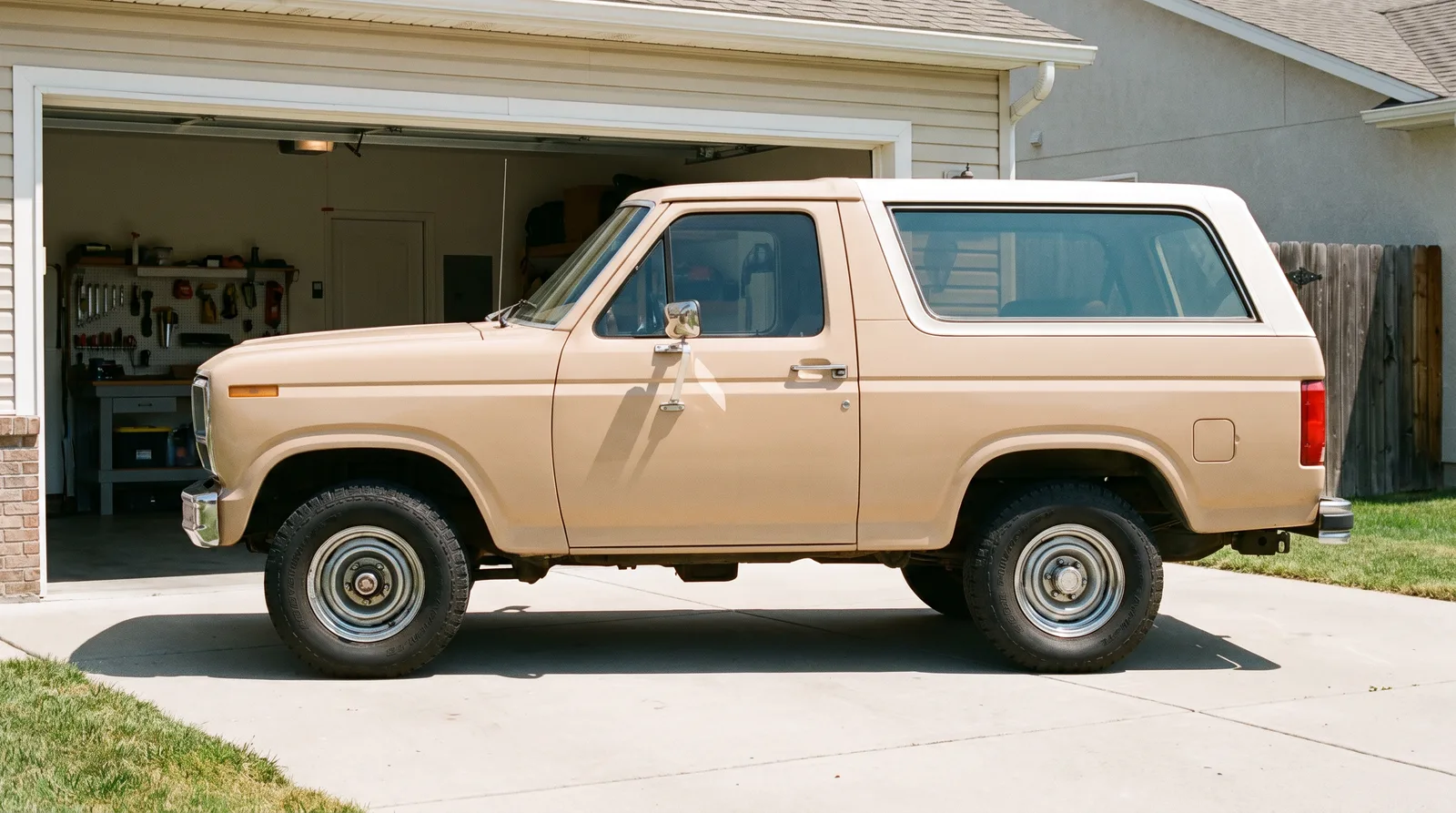
Ask three different sources what a 1973 Bronco is worth and you will get three different numbers, which is exactly the problem this ford bronco 1973 value guide sets out to fix. The early Bronco market has moved fast over the past decade, pulled upward by the same collector interest that has lifted first-generation Broncos generally, but the 1973 model year specifically occupies a middle tier that gets misrepresented more often than almost any other year in the run. It is neither the rarest early truck nor the most common, and pricing it correctly means separating condition, originality, and drivetrain from the noise of headline auction results.
Car Features
6 min read
What a 1973 Bronco Is Worth Now
A market analyst's breakdown of current 1973 Ford Bronco values by condition tier, with an honest buy or no-buy call for shoppers.
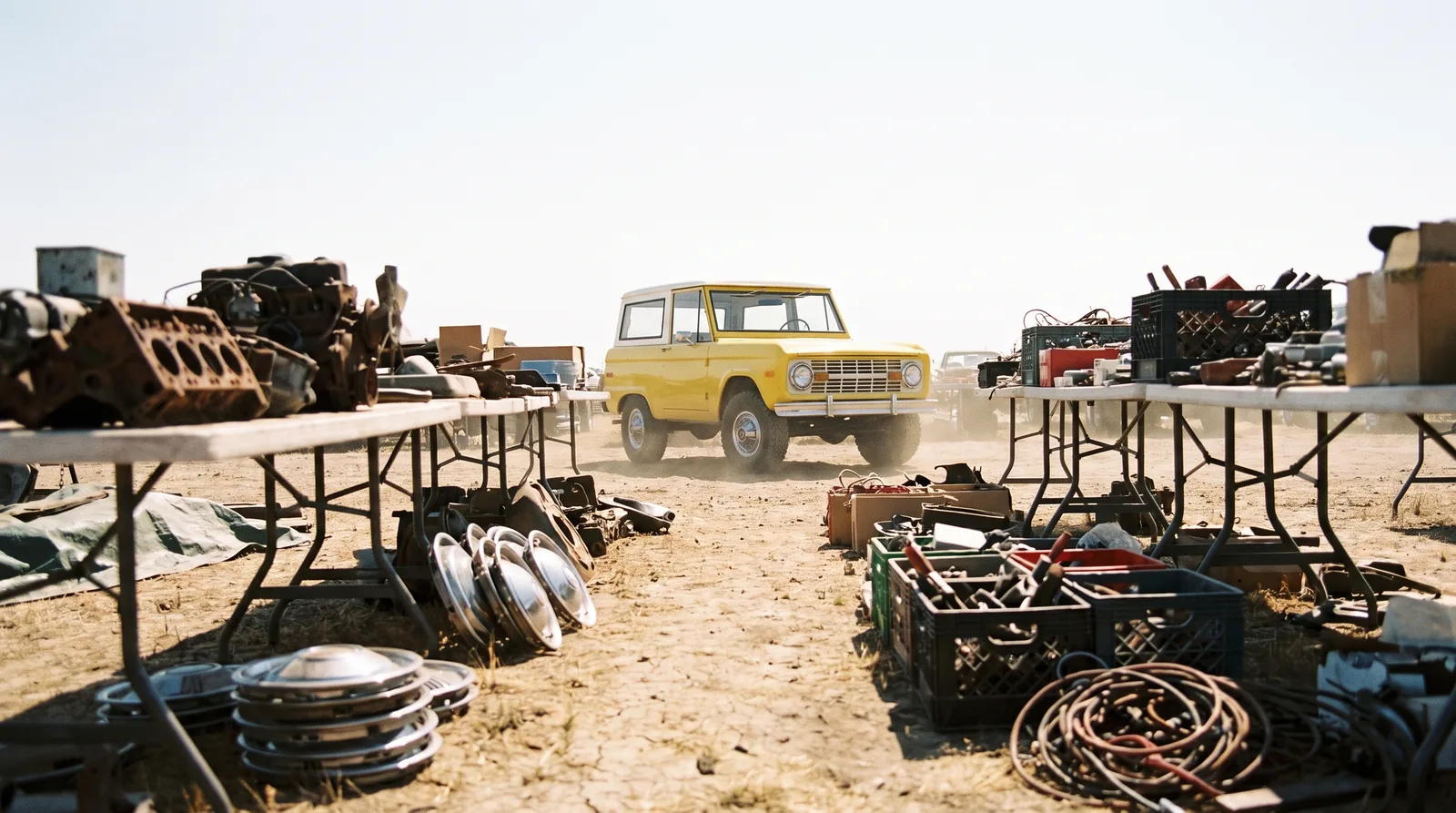
Where the current market actually sits
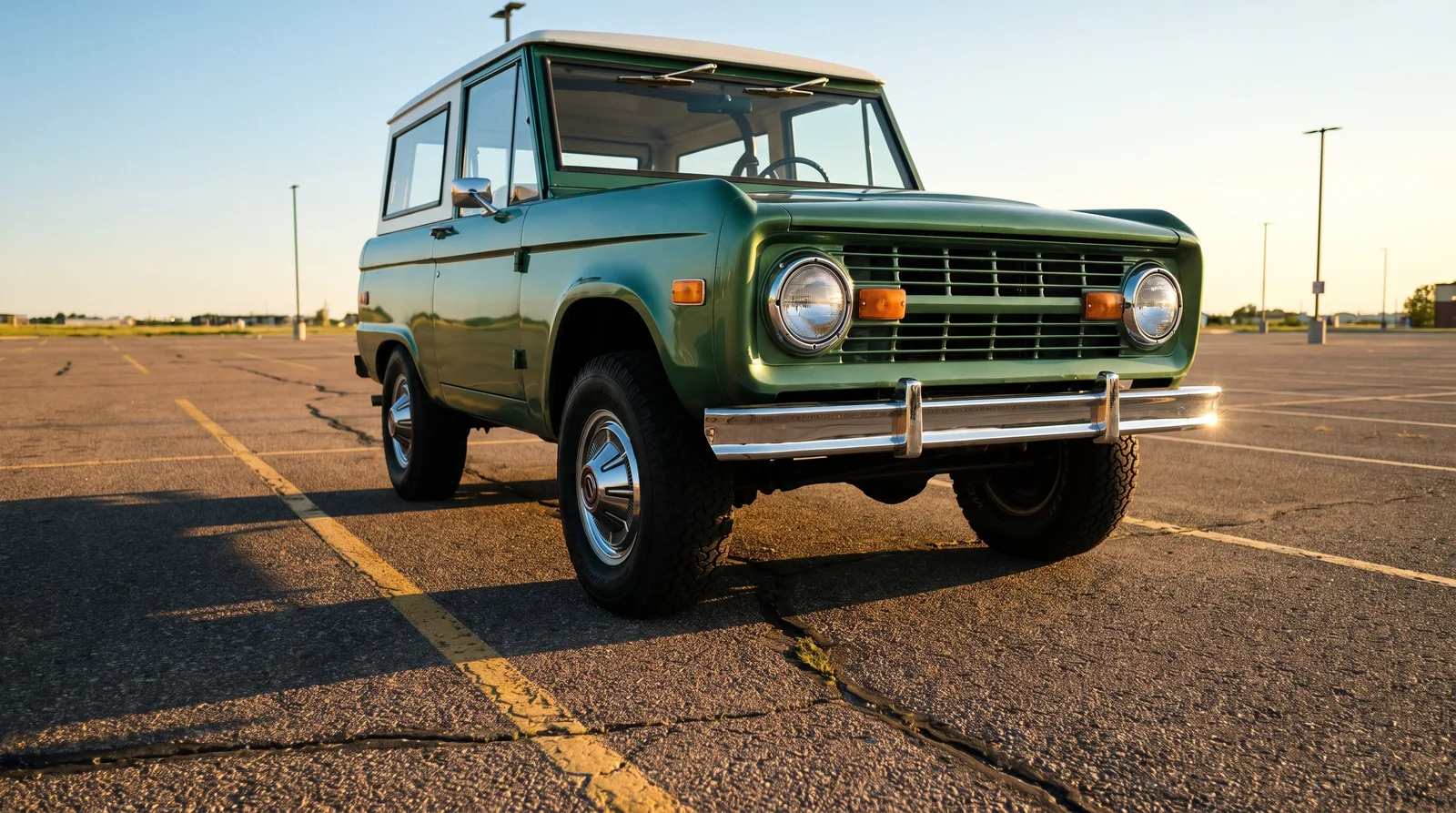
Rough, incomplete 1973 Broncos with drivetrain issues and significant rust routinely trade in the low five figures, the kind of truck that needs real investment before it is usable. Solid, driver-quality examples with a running V8, honest paint, and no major rust generally land in the mid five figures. Fully restored or concours-level 1973 trucks, particularly those with documented originality, desirable options, or a well-known early history, can approach or cross into six-figure territory at the very top of the market, though most restored examples sell well below that ceiling. That spread, from a rough project to a top-tier restoration, is the single most important thing a buyer needs to understand before trusting any single number they see quoted online.
Anyone unfamiliar with why the 1973 year carries the specific traits it does should read the background before comparing prices, since drivetrain and equipment differences directly affect what a given truck should command.
| Condition tier | Typical description | Rough value expectation |
|---|---|---|
| Project | Non-running or rough drivetrain, visible rust, incomplete trim | Low five figures |
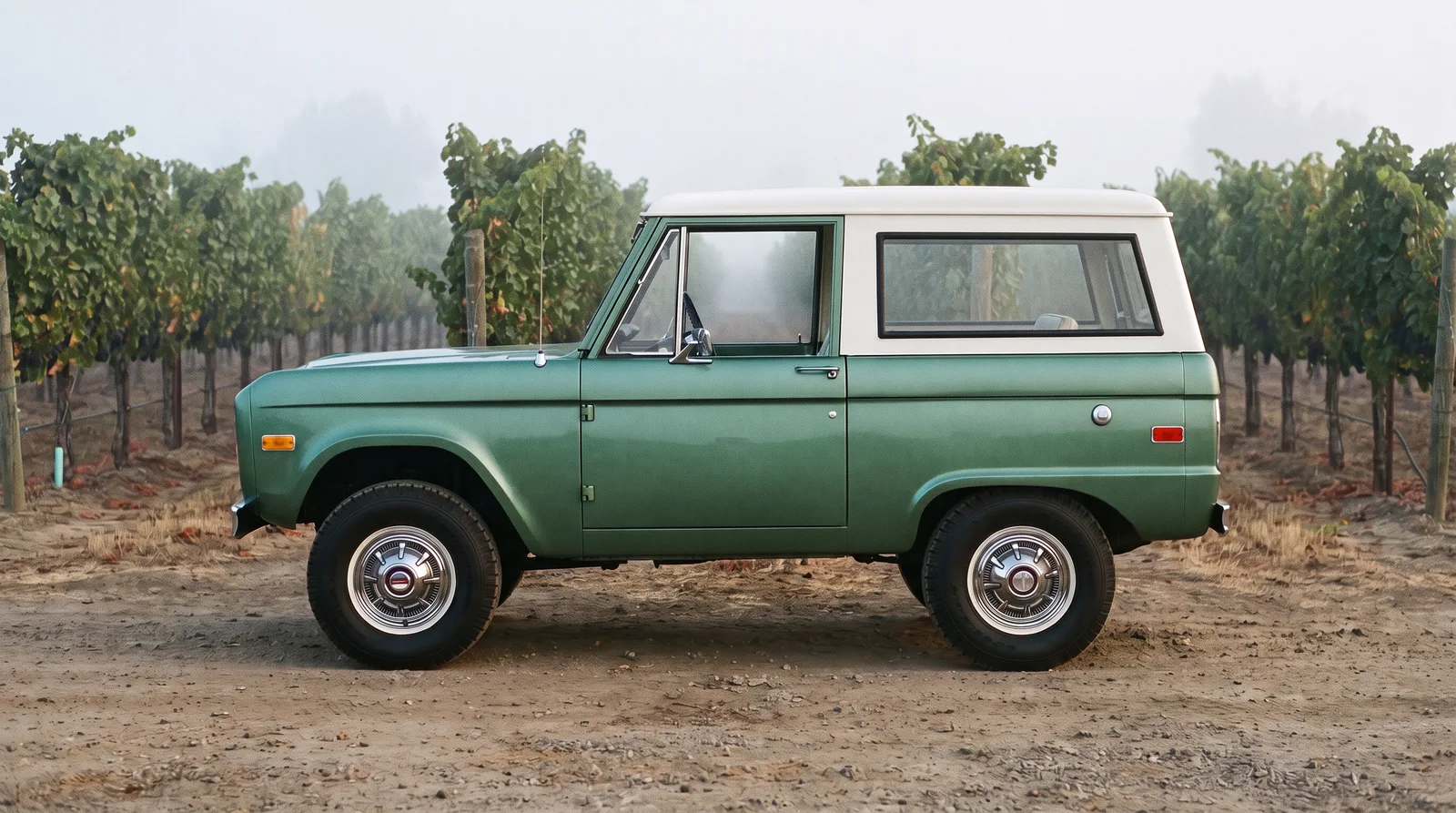
| Driver | Running V8, honest body, usable interior | Mid five figures |
| Show quality | Restored or exceptionally original, documented history | High five figures to six figures |
What actually moves the number
Engine matters more than most buyers expect. A numbers-matching V8 truck consistently commands more than an inline six equivalent, and a truck that has been re-powered with a non-period engine takes a real discount from originality-focused buyers even if it runs better than the original setup ever did. Rust is the second lever, and it is not subtle. The uni-body construction of the early Bronco means rust in the wrong location is a structural problem, not a cosmetic one, and serious buyers price that risk in immediately rather than treating it as a future fix. Documentation, meaning build sheets, original titles, and ownership history, adds a premium that is difficult to quantify precisely but shows up consistently in private-sale prices compared to undocumented trucks of similar visual condition.
The buy or no-buy call
For a buyer specifically hunting a 1973 truck rather than any early Bronco year, the current market rewards patience over urgency. This is not a year experiencing the kind of speculative spike that punishes hesitation. It has climbed steadily along with the broader early Bronco segment without becoming a year that specifically outpaces its neighbors. That makes it a reasonable buy for someone who wants a usable, drivable early Bronco without paying the premium attached to the scarcer 1966 first-year trucks, provided the buyer does the inspection work rather than trusting a listing description.
"People chase the 1966 because it says first year on the title. The smarter money has been quietly buying 1973s for less and getting nearly the same truck."
- David Mercer
Red flags that erode value fast
Frame and floor rust hidden under undercoating or fresh paint is the single most common way a buyer overpays. A drivetrain swap that is not disclosed until after a deposit changes hands is the second. Mismatched VIN and title information, or a build sheet that does not correspond to the truck's actual equipment, should stop a purchase entirely until resolved. None of these are rare problems in a market this active. They are the predictable result of sellers wanting top dollar for a fifty-year-old truck that has, in most cases, passed through several owners and at least one incomplete restoration attempt along the way.
Financing and insurance also factor into the real cost of ownership in ways a sticker price does not capture. Classic vehicle insurance policies typically require agreed-value coverage rather than standard market-value coverage, which means a buyer needs a credible appraisal before a policy is even written, and that appraisal itself can influence how a future sale gets priced. Buyers financing a purchase through a classic-vehicle lender should also expect stricter condition and documentation requirements than a conventional auto loan, another reason the paperwork trail on a given truck matters as much as its paint and drivetrain.
Buyers ready to compare real asking prices against this guide should browse classic Bronco listings rather than relying on generic price guides that rarely account for the condition and documentation differences that actually drive value.
How regional markets shift the number
Geography moves 1973 Bronco pricing more than most buyers expect walking in. Trucks sourced from dry climates, particularly the Southwest and parts of the interior West, consistently command a premium because buyers everywhere correctly assume less rust exposure over five decades. A 1973 Bronco with a clean Arizona or New Mexico title history will often sell above a mechanically identical truck from a Rust Belt state, even when both have been inspected and both check out structurally sound. Shipping and transport costs eat into that premium somewhat for out-of-region buyers, but rarely enough to erase the price gap entirely. Sellers who understand this tend to market a dry-climate truck's history prominently, and buyers should treat the absence of that detail in a listing as worth asking about directly.
Regional demand also plays a role independent of climate. Areas with strong existing Bronco club culture and active swap meet activity tend to see more competitive local bidding on solid examples, which can push private-sale prices above what a similar truck might fetch in a region with less concentrated enthusiast interest. A seller in a low-demand region willing to ship or deliver nationally often does better than one holding out for a strictly local buyer. Timing within the year matters too, in a smaller but measurable way. Spring listings, when buyers are thinking about summer road trips and off-road season, tend to draw more competitive offers than the same truck listed in the middle of winter, when the buyer pool shrinks to people with garage space and patience for a project.
The honest summary
A 1973 Bronco in solid driver condition remains a defensible purchase in the current market, sitting below the premium commanded by the scarcest early years while still delivering the same core early-Bronco experience. The number that matters is not what the model year sold for at some headline auction. It is what the specific truck in front of you, with its specific drivetrain, its specific rust history, and its specific paperwork, is actually worth.
Sources and notes
Related Reading
Have a
Ford Bronco
for Sale?
Reach thousands of serious classic car collectors across the US.
Sell It Here →
Selling a classic? Here's how: where to sell your classic car online
Are You a Classic Car Dealer?
List your full inventory and connect with targeted classic car buyers.
Join as a Dealer →
#Ford Bronco
#auction values
#classic truck values
#1973 Bronco
#Bronco market
#early Bronco pricing

About the author
David Mercer
Classic car market analyst with two decades of experience tracking collector car valuations, auction results, and investment trends.
Related Listings - Ford Bronco
Comments
Be the first to comment on this article.