
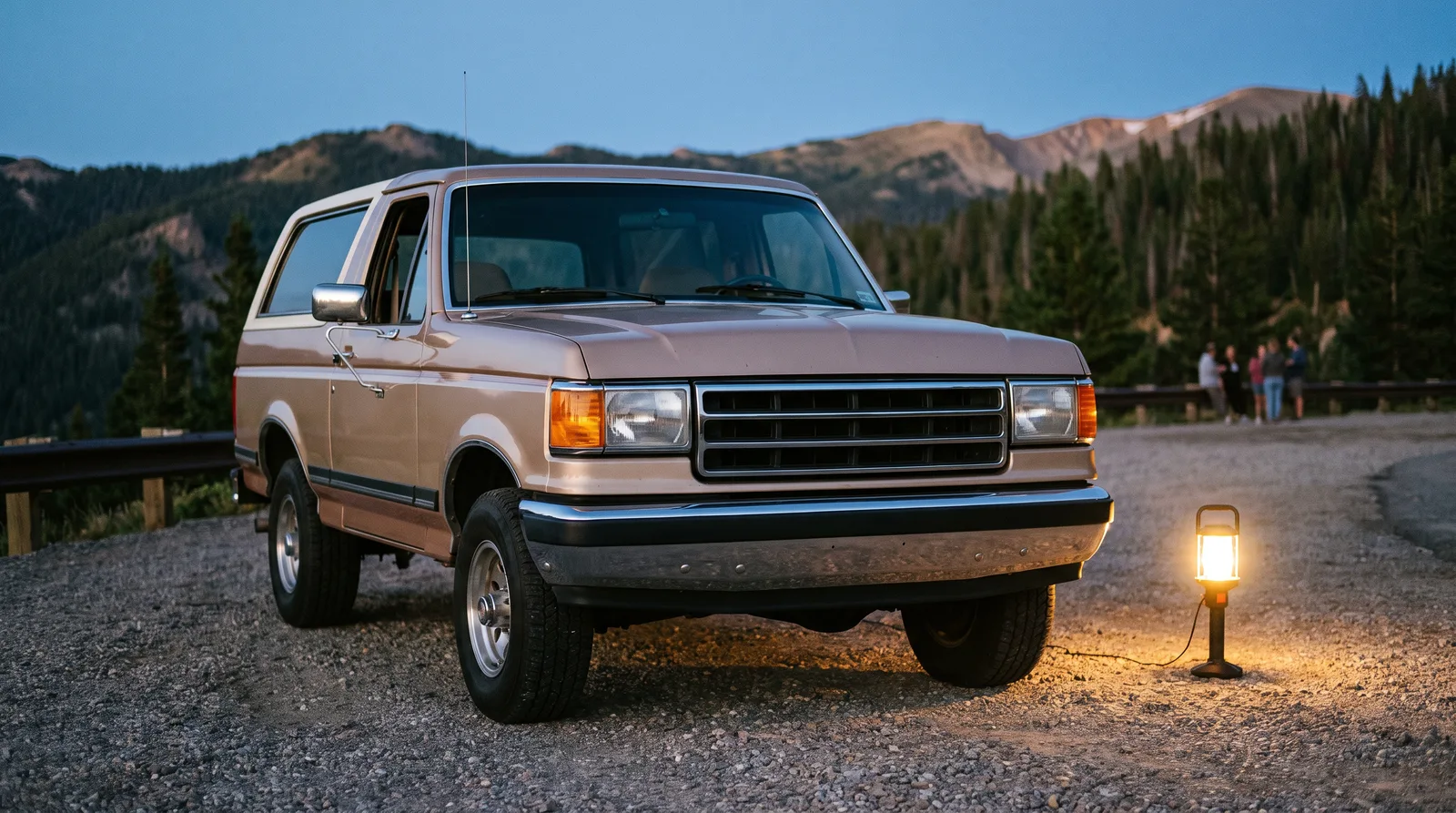
I have had both trucks up on the lift more times than I can count, a tight little 1972 and a big 1978, and the difference in how they are built tells you everything about what Ford was chasing with the ford bronco 1978 redesign. This was not a trim update. This was a different truck wearing the same name, built on a different platform for a market that had moved on from what the early Bronco was originally built to do.
Car Features
6 min read
The 1978 Bronco Goes Big, a Bold Redesign
A builder's look at the ford bronco 1978 redesign, when Ford dropped the compact platform for an F-Series based chassis and became a different truck.
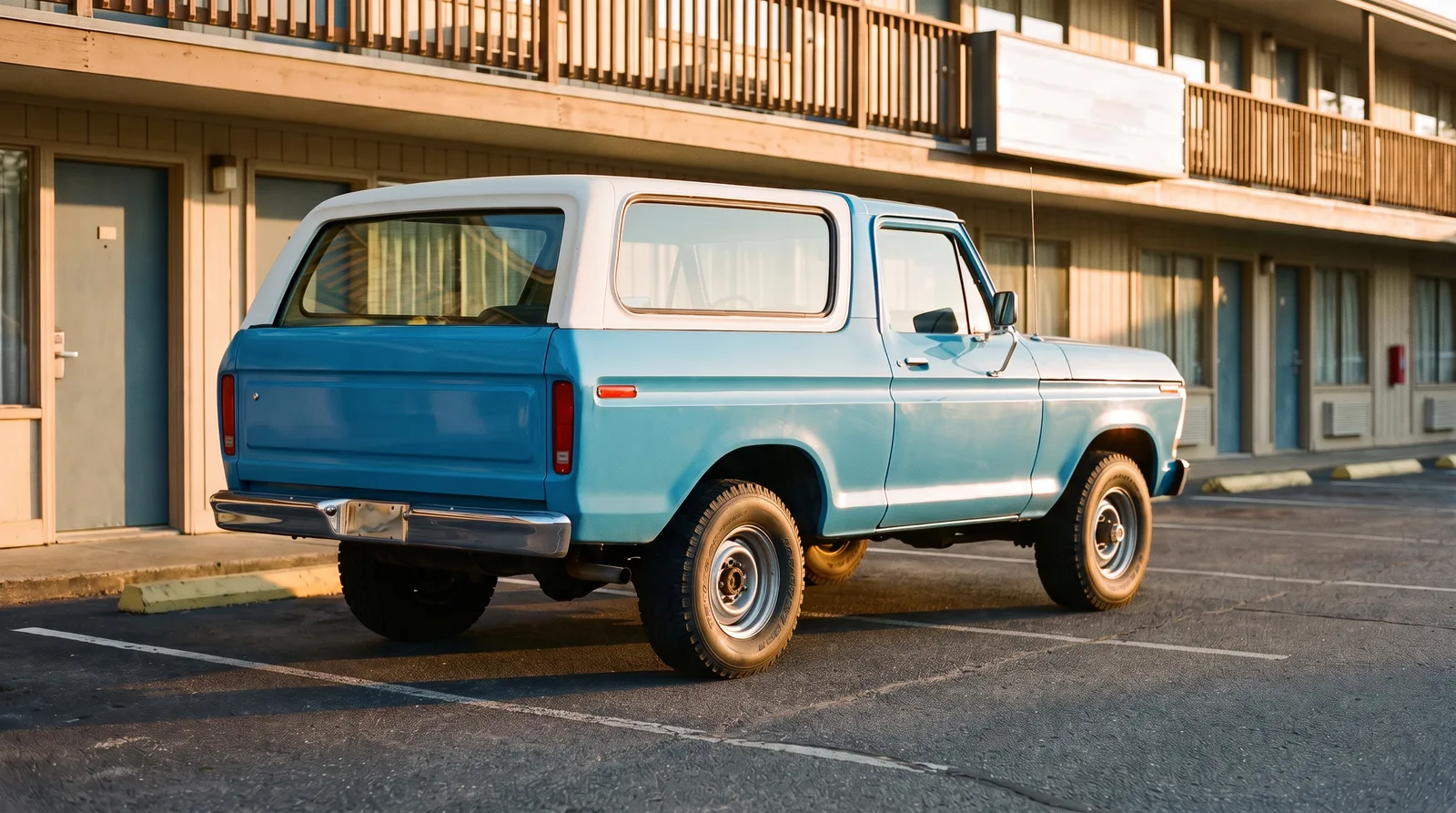
Why the little truck had to grow up
The original Bronco's 92 inch wheelbase was a strength in 1966, tight, light, easy to place on a trail. By the mid 1970s it had become a competitive problem. Buyers wanted more interior room, more towing capacity, and a ride that did not beat them up on the highway commute to the trailhead. Ford's answer was to stop pretending the compact platform could do everything, and instead build the 1978 Bronco on the F-Series pickup chassis, sharing its front sheet metal and much of its running gear with the full size truck line. That is a completely different engineering approach than the first generation truck used, and anybody working on both platforms side by side notices it immediately in the frame, the suspension mounting points, and the sheer mass of everything involved.
What actually changed under the skin
Bolt a 1978 Bronco frame next to a 1972 frame and you are not looking at a stretched version of the same design, you are looking at a heavier duty truck frame borrowed wholesale from Ford's pickup lineup. The suspension, the braking hardware, and the available engine options all scaled up to match. Where the early Bronco felt like a purpose built off roader that happened to be street legal, the 1978 redesign felt like a proper truck that happened to have removable rear bodywork. That is not a criticism. It is a different design brief entirely, and Ford executed it well for what the market was actually asking for by the late 1970s.
| Attribute | First generation (1966-1977) | 1978 redesign |
|---|---|---|
| Platform basis | Purpose built compact chassis | F-Series pickup chassis |
| Wheelbase | 92 inches | 104 inches |
| Body style | Wagon, half cab, roadster | Removable fiberglass top wagon body |
| General character | Compact off road utility | Full size truck with removable roof |
Bodywork tells you which era you are looking at
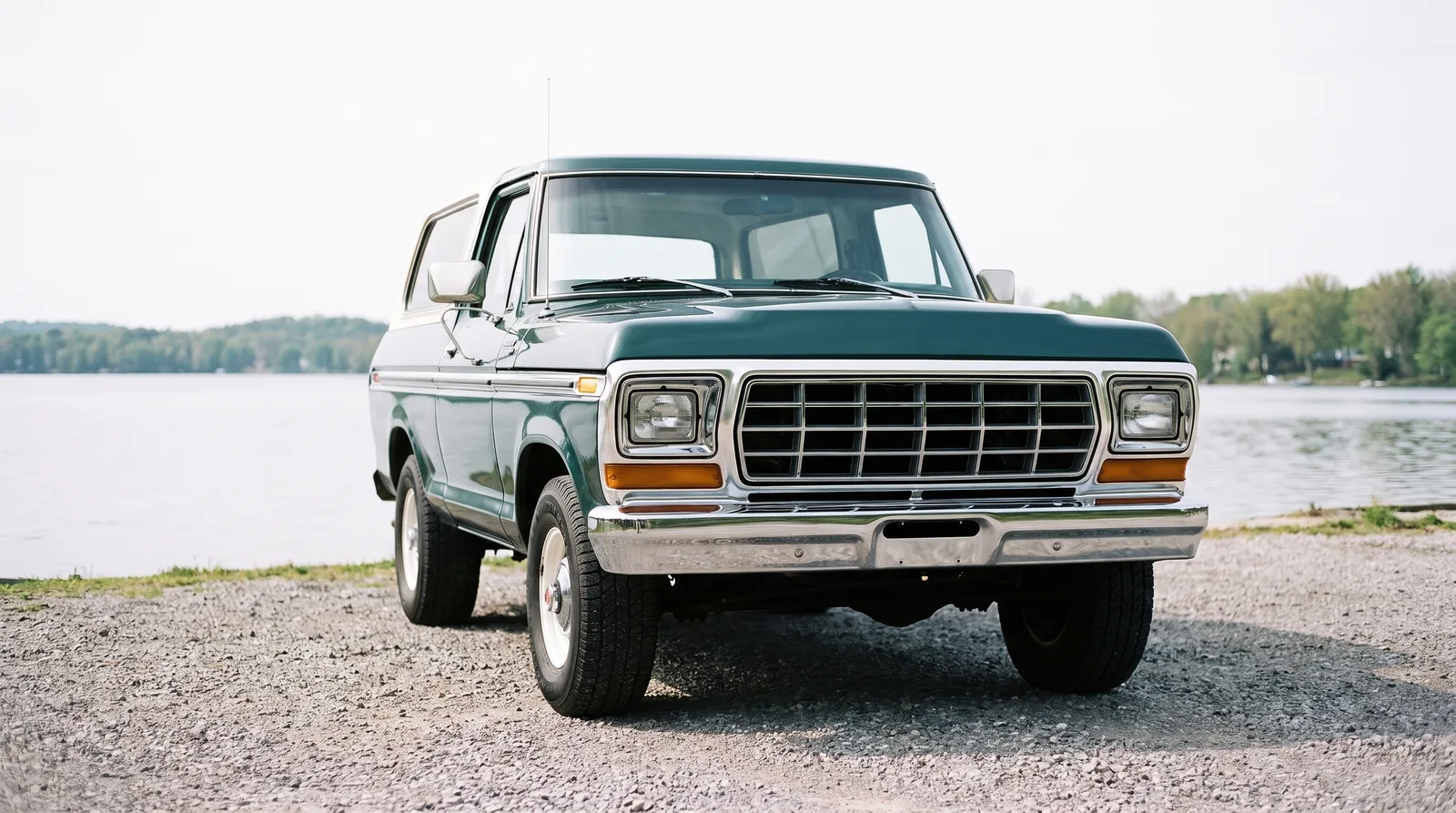
From a builder's perspective, the panel work is where the two trucks diverge most obviously. The early Bronco's flat steel panels are simple to repair with basic tools and patience, which is a big part of why the restoration community around that generation stayed so active for so long. The 1978 truck's larger panels and shared pickup front clip mean parts sourcing and repair work follow the F-Series playbook more than any dedicated Bronco specific catalog. That is not necessarily harder, it is just a different set of reference points, and a shop that specializes in one generation is not automatically fluent in the other. I have seen plenty of guys who know the early truck inside out get genuinely surprised the first time they pull a 1978 apart and realize how much of it traces straight back to the pickup line.
Period correct versus poseur, on this generation too
People assume the period correct versus poseur argument only applies to the early trucks, all the swap meet debates about correct engine codes and trim details. It applies just as much here. A genuine 1978 or 1979 truck running its original F-Series based drivetrain and correct fiberglass top is a different animal from a truck that has been cobbled together from mismatched parts bins across both generations. I have seen sellers blur the line between the two platforms in listings, describing a truck loosely as an early Bronco derivative when it is really built on the later chassis, or vice versa. Know which platform you are actually looking at before you get attached to a listing photo.
"Different frame, different brief, different truck. Respect it for what it actually is instead of grading it against the little one."
- Jim Vasquez
Working hours tell a story specification sheets do not. Pulling a body off an early Bronco frame is a two person job most afternoons, manageable with basic equipment and a bit of patience. Doing the same on a 1978 truck, with its larger fiberglass top and heavier full size components, changes the math on lift capacity, storage space, and how many hands you actually need standing around the shop. Neither job is harder in a skill sense, but they are different jobs, and a shop that quotes both the same way is either overcharging on the small truck or underestimating the big one. Customers researching either generation should ask a prospective shop directly how many of each platform they have actually completed, because familiarity with one does not automatically transfer to the other the way people assume it will.
Where this leaves buyers and builders today
The 1978 redesign is not a lesser Bronco, it is a different answer to a different question than the one Ford was answering in 1966. Anyone shopping this era should decide up front whether they want the compact off road character of the original or the full size capability of the redesign, because trying to judge one by the other's standards leads to disappointment either way. For the full history of how the original platform got here, 1978 ford bronco history covers the transition year in more detail, and if you want the broader context on why Ford made this call in the first place, a related story digs into that decision. Buyers ready to compare examples from either generation can look through Broncos for sale now to see what is currently on the market.
My honest take, having wrenched on both, is that neither generation is the objectively correct choice. The right answer depends entirely on what you actually want to do with the truck once it is out of the shop. If the goal is trail work and a light, nimble feel, the original platform still does that job better than anything that came after it. If the goal is a truck you can tow with, load up for a real family trip, and still take off pavement on the weekend, the 1978 redesign earns its keep. Buy for the job you actually plan to do, not for whichever generation currently has the louder fan base online. Both trucks earned their name honestly. They just earned it doing different work, and a builder who respects that difference will get a better result out of either one than a builder trying to force one platform to behave like the other.
Sources and notes
Related Reading
Have a
Ford Bronco
for Sale?
Reach thousands of serious classic car collectors across the US.
Sell It Here →
Selling a classic? Here's how: compare the places to sell classic cars
Are You a Classic Car Dealer?
List your full inventory and connect with targeted classic car buyers.
Join as a Dealer →

About the author
Jim Vasquez
Southern California hot rod and custom car builder with roots in the traditional kustom kulture scene.
Related Listings - Ford Bronco
Comments
Be the first to comment on this article.