
Ask ten Bronco owners about ford bronco top configurations and you will get ten different opinions about which one is correct, and every single one of them will be right for what that owner does with the truck. The early Bronco was designed from day one to lose its roof, or at least part of it, and that flexibility is a big piece of why it built a cult following that outlasted its own production run.
Car Features
7 min read
The Removable Top and the Open-Air Bronco
From the short-lived doorless roadster to soft tops and hard tops on the sport utility body, the Bronco's removable roof options shaped its whole identity.
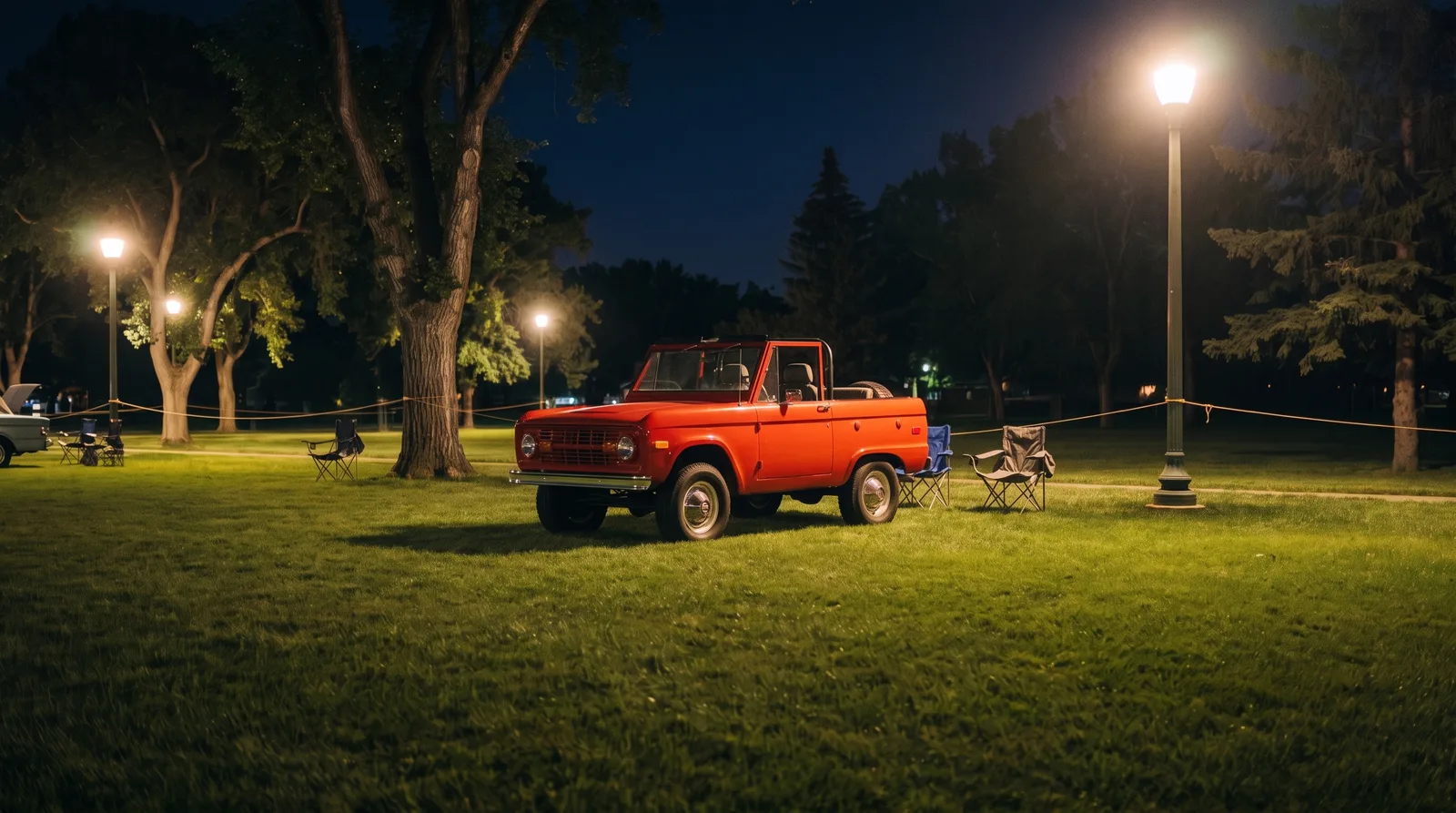
The roadster nobody remembers
Most people picture the early Bronco with its steel half cab and a soft top stretched over the cargo area, but Ford's original lineup in 1966 also included a roadster with no top at all, no doors, and nothing but a wraparound windshield between the driver and the weather. It sold in tiny numbers and got dropped within a couple years because, unsurprisingly, most buyers wanted at least some protection from rain. But it tells you what Ford's engineers had in mind for this truck from the start. It was built to be opened up, not just accessorized that way later.
The sport utility and wagon body styles that stuck around were the more practical answer to the same idea. Instead of nothing, you got a steel cab up front and a removable fiberglass or steel top over the rear cargo area, so you could run the front enclosed and the back open, or strip the whole thing down for a weekend.
Half cab, full cab, and what the names actually mean
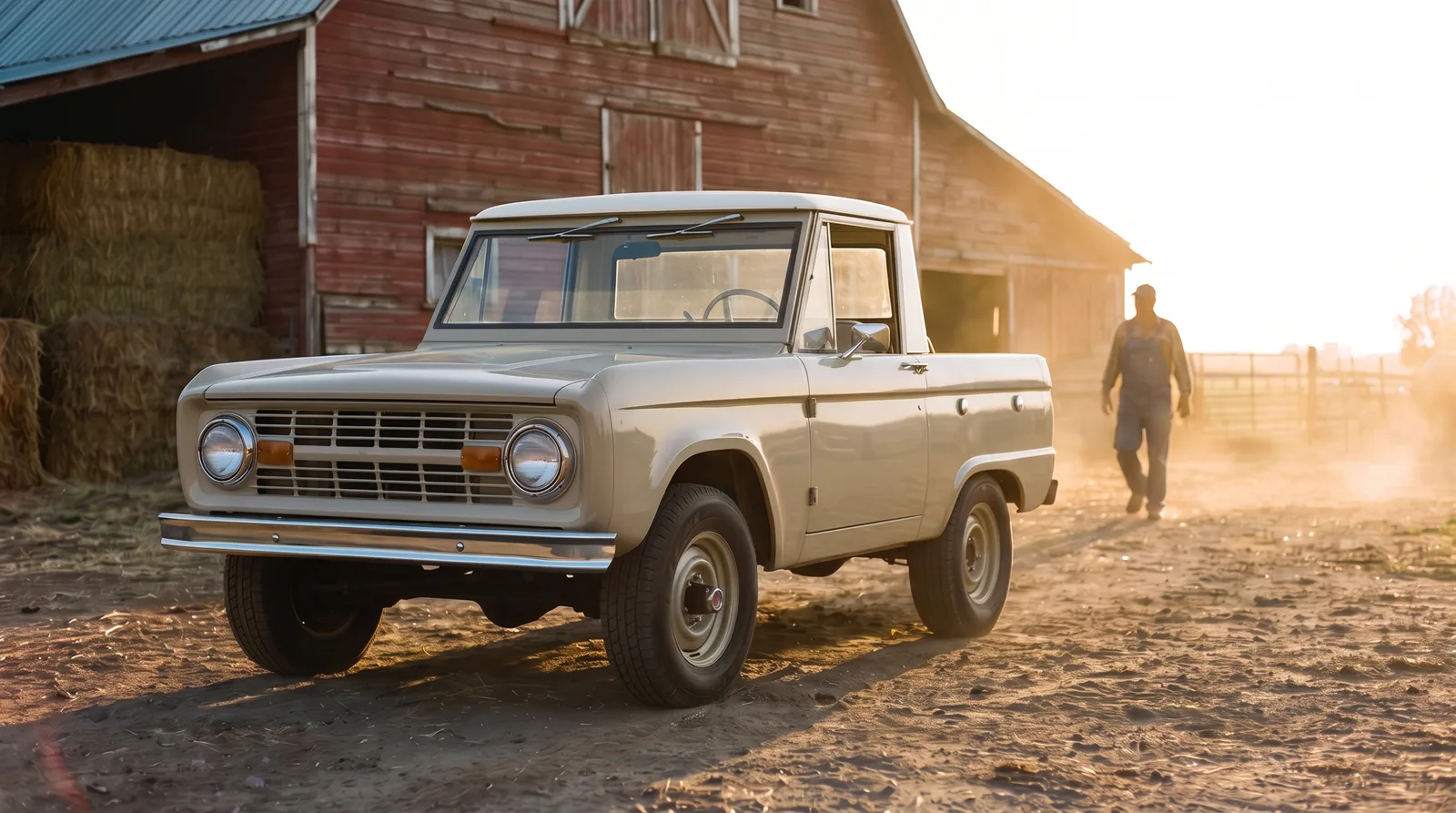
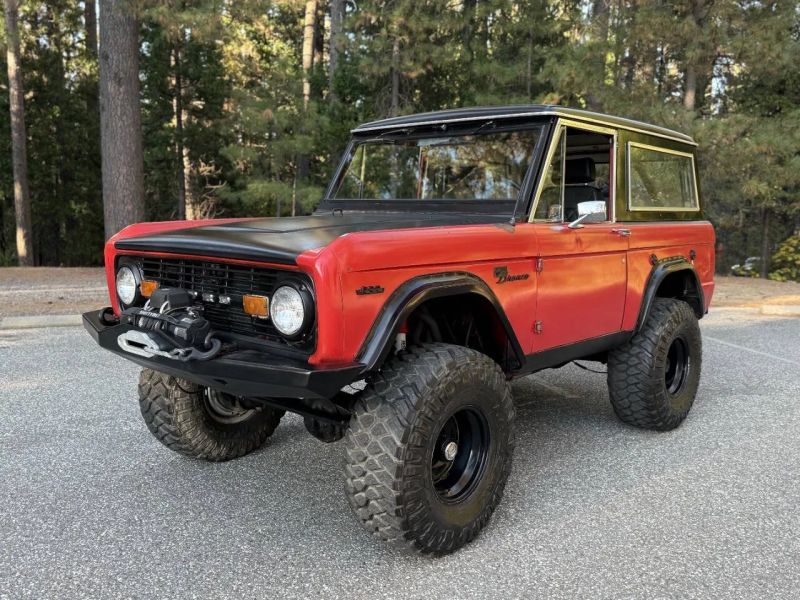
The term half cab gets thrown around loosely, but it specifically refers to the pickup style Bronco body, where the steel roof only covers the front seats and the bed behind it is open, sometimes with a canvas or fiberglass cover bolted over the load area. It is a distinct body style from the wagon, which is fully enclosed with a fixed steel roof front to back. If you want the full breakdown of how the body styles and engine choices tracked together across the truck's lifespan, ford bronco half cab history covers that ground in depth.
What matters for a top configuration conversation is that the half cab buyer was choosing an open bed on purpose. It was a work truck answer as much as a recreation answer, letting a rancher or contractor haul gear in back while still having a real cab up front for bad weather.
Soft tops versus hard tops in daily use
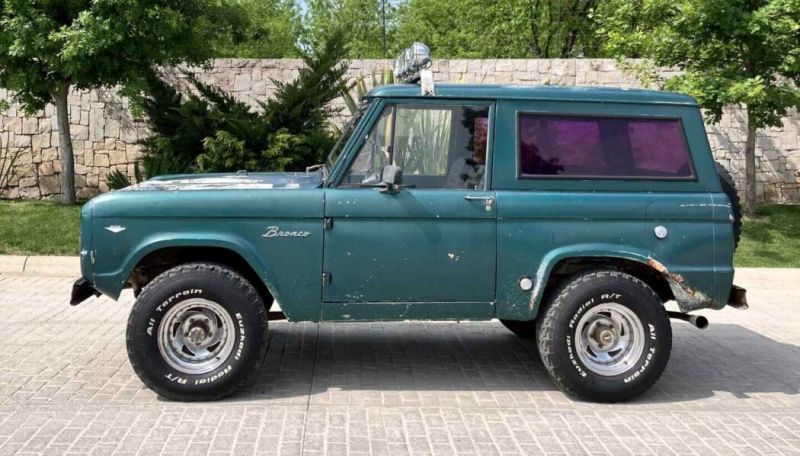
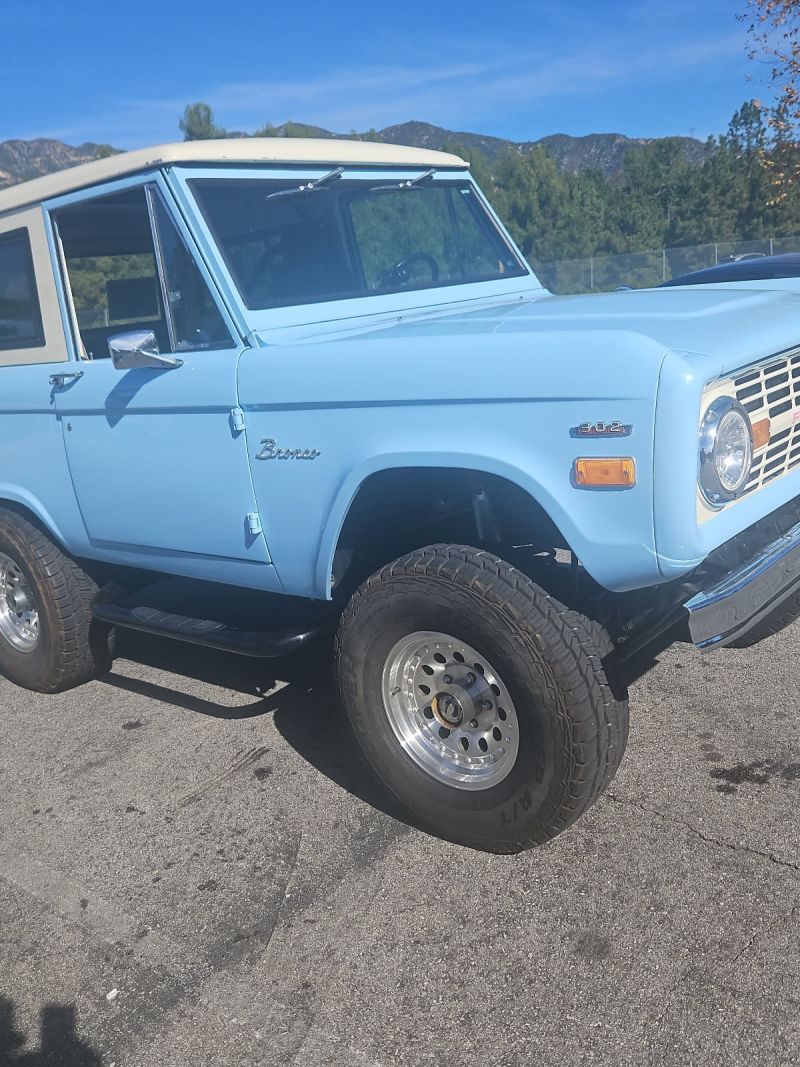
Once you get into the sport utility body with its removable rear top, owners had a real choice between factory soft tops and steel or fiberglass hard tops depending on the model year. A soft top is lighter, easier for one person to fold back on a nice day, and cheaper to replace when it finally cracks from decades of sun. A hard top seals better, keeps road noise down, and holds up structurally if the truck ever tips or gets T-boned, which matters more than people think on a vehicle this size.
Neither is objectively right. It depends whether you are chasing the open air feel that made the early Bronco famous or building a truck you can drive year round without fighting the weather every winter.
"A Bronco with the top off is a different animal than the same truck buttoned up. Same frame, same engine, completely different personality. That is not an accident, Ford built it that way on purpose."
- Jim Vasquez
What a period correct top setup should look like
If you are trying to keep a Bronco period correct, the top configuration is one of the first things a knowledgeable buyer checks, because tops get swapped, lost, and mismatched more than almost any other body part on these trucks. A wagon body with an incorrect half cab style bed cover, or a half cab wearing a top that was never offered for that model year, tells you the truck has had non factory modifications somewhere in its life. That is not automatically a dealbreaker, but it changes what the truck is worth and how it should be described to a buyer.
Reproduction soft tops and fiberglass hard tops are available today from specialty suppliers, which has made restoring a correct configuration a lot more realistic than it was even fifteen years ago. Still, matching the top to what a truck actually left the factory with, rather than what looks close enough, is worth the extra research before you paint yourself into a corner.
What the full size trucks did differently
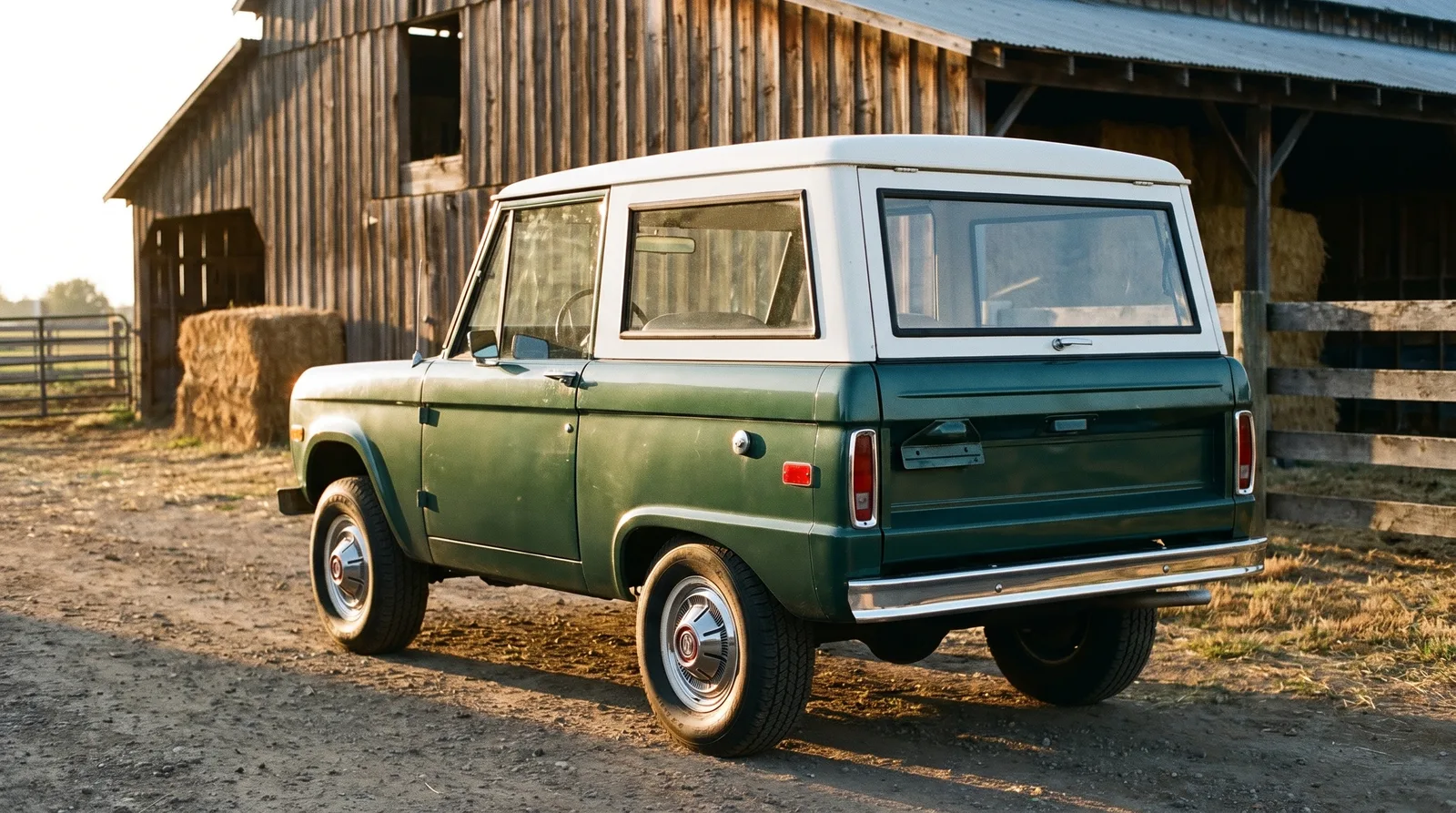
When the Bronco moved to the full size F-Series platform in 1978, the open air roadster and half cab pickup bodies disappeared from the lineup entirely, leaving a single enclosed wagon style body for the rest of the truck's production run. That is a real shift in what top configurations even meant for the truck. Instead of choosing between open bed and enclosed cargo, buyers on the full size trucks got a fixed steel roof up front paired with a removable fiberglass hardtop over the rear cargo area, with sliding window glass offered on that rear top before 1984, a more modest nod to the open air heritage rather than a continuation of it.
Some owners see that as the full size Bronco losing part of what made the original special. Others point out that a fully enclosed cabin made far more sense once the truck grew into a genuine family and towing vehicle rather than a stripped down trail rig. Both views have merit, and the market reflects that split, with early open configuration trucks commanding a premium specifically tied to that lost flexibility.
Why the open air identity still matters
The removable top is not a footnote in Bronco history, it is close to the whole point of the early truck's identity. Jeep had open air trucks first, but the Bronco offered a friendlier daily driving experience with the top on and the same open air freedom with it off, which is a balance a lot of later SUVs never quite matched. For more on how these configurations connect to the broader Bronco story, a related story is worth a look, and if a top equipped truck is what you are hunting for right now, you can see Broncos for sale now and compare what is actually available.
Whichever configuration a given truck wears today, that decision back in the showroom, hard top or soft, half cab or wagon, still shapes how the truck drives and feels sixty years later. That is a longer legacy than most options lists ever earn.
Sources and notes
Related Reading
Have a
Ford Bronco
for Sale?
Reach thousands of serious classic car collectors across the US.
Sell It Here →
Selling a classic? Here's how: the best sites to sell a classic car
Are You a Classic Car Dealer?
List your full inventory and connect with targeted classic car buyers.
Join as a Dealer →

About the author
Jim Vasquez
Southern California hot rod and custom car builder with roots in the traditional kustom kulture scene.
Related Listings - Ford Bronco
More in Car Features
Comments
Be the first to comment on this article.