
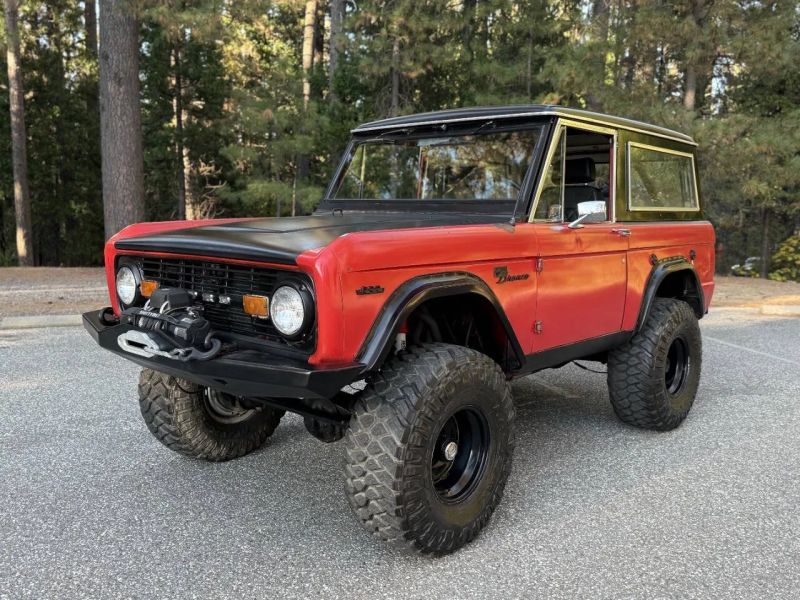
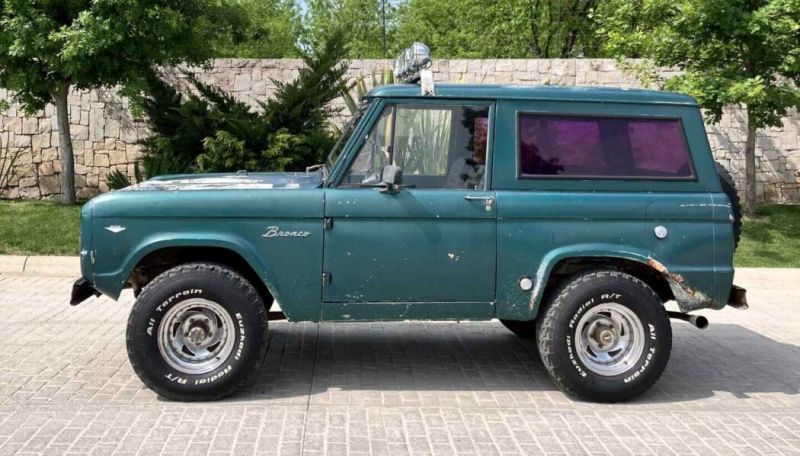
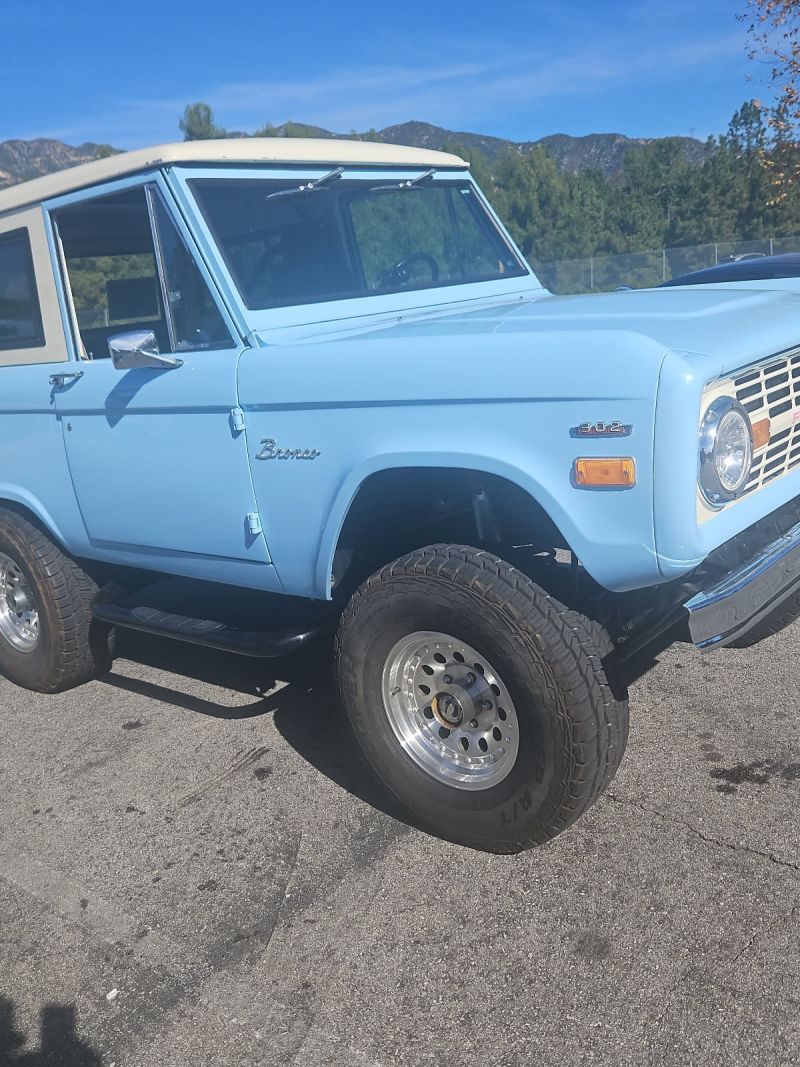
Walk into any Bronco show and count body styles, and the wagon wins every time by a wide margin. The U15 wagon was the version most people picture when they hear the word Bronco, the fully enclosed configuration with a steel top over the whole cabin, and it earned that dominance the honest way, by being the truck most buyers actually wanted to drive every day.
Car Features
7 min read
The U15 Wagon, the Bronco That Sold Best
The fully enclosed U15 wagon outsold both other first-generation body styles because it could do family duty and work duty in the same truck, and that abundance still shapes the market today.
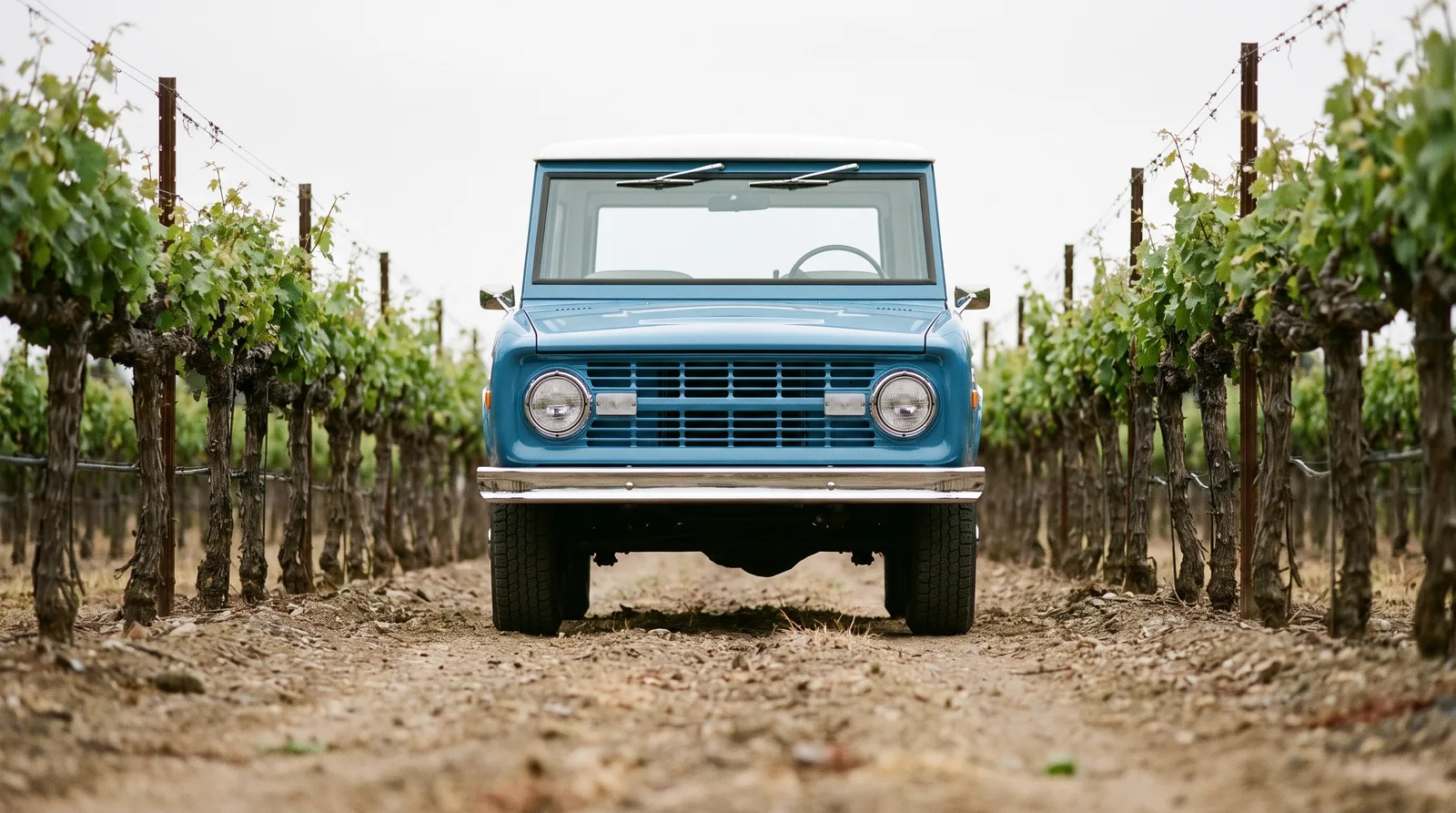
The body style built for real life
Ford's original Bronco lineup split into three factory body styles, and the U15 wagon sat at the practical end of that range. Unlike the stripped U13 Roadster or the open-bed U14 half-cab, the wagon offered a fully enclosed cabin with rear seating and weather protection, making it the obvious choice for anyone who needed the truck to double as family transportation and not just a work rig or a fair-weather toy. That versatility is exactly why it outsold both other configurations by a wide margin and why it is the version most people picture when they think of an original Bronco.
From a builder's standpoint, the wagon body brings its own set of engineering considerations that the other two configurations did not have to deal with. The full steel top adds structural rigidity in some ways while creating more surface area for rust to develop in others, particularly around the roof seams, the rear cargo door hinges, and the window channels. I have pulled more wagon roofs apart than I care to count, and the pattern is consistent enough that I can usually tell an owner where to expect trouble before I even get a flashlight involved.
What made it the sales leader
The numbers tell the story clearly enough even without diving into exact production figures for any single year, since surviving population and period sales literature both point the same direction. Dealers stocked wagons more heavily than the other configurations because that is what buyers walked in asking for, and Ford's marketing for the Bronco leaned into family and recreational use cases that fit the wagon's enclosed cabin far better than they fit a doorless Roadster or an open-bed pickup. The wagon was the Bronco that could take a family camping on Saturday and haul groceries during the week, and that flexibility sold trucks in numbers the other two body styles never approached.
That popularity has a direct effect on the market today. Wagons are the easiest early Bronco body style to find, the easiest to source parts for, and generally the most affordable entry point into first-generation Bronco ownership. None of that makes a wagon a lesser truck, it just means the ownership experience is less about hunting down a rare configuration and more about finding the cleanest, most honest example of the most common one.
Buying a wagon with your eyes open
Because so many wagons survive, buyers have real leverage in this market that owners of rarer body styles simply do not get, but that leverage only matters if you know what separates a genuinely solid truck from a well-disguised project. Roof seams, floor pans under the carpet, and the frame sections beneath the rear cargo area deserve close attention on any wagon, since these are the spots where decades of moisture exposure tend to do the most damage without showing obvious signs from a quick walk-around.
I always tell people shopping a wagon to get underneath the truck before falling in love with the paint. A fresh coat of paint tells you nothing about the frame rails or the floor supports holding that body up, and a wagon with hidden structural issues costs far more to properly repair than the premium you would pay for a genuinely solid example in the first place. Buy the structure, not the shine.
"A wagon looking good in photos has told you exactly nothing. Get a flashlight under the truck before you get your checkbook out."
- Jim Vasquez
How the wagon fits the bigger lineup story
Understanding why the wagon dominated sales makes more sense once you see it against the other two body styles Ford offered on the same platform, each aimed at a different kind of buyer with different priorities. For that full comparison across the Roadster, half-cab, and wagon, along with how engine options evolved across the lineup, read the background covers the complete picture.
If you are curious how rarity specifically plays into value across all three body styles, including how the wagon's abundance affects pricing relative to the U13 and U14, worth a look too breaks that comparison down directly.
Whatever body style ends up being right for you, the wagon remains the most accessible entry point into first-generation Bronco ownership, and accessible does not mean lesser. A well-sorted wagon with a solid frame and honest history is one of the most satisfying classic trucks you can own, and there are plenty currently on the market worth comparing. Take the time to shop classic Bronco listings and put a few side by side before committing, because with this many surviving examples, there is no reason to settle for the first one you find.
What separates a great wagon from an average one
With so many wagons on the market, condition and originality do more work separating the good trucks from the average ones than body style rarity ever will. I look at three things before I even start talking price with a client. First, whether the frame has been repaired properly or just patched cosmetically, because a botched frame repair is more dangerous and more expensive to fix correctly than most buyers realize. Second, whether the drivetrain matches what the truck would have left the factory with, since a numbers-matching wagon holds value differently than one that has been through several engine swaps over the decades. Third, and this one surprises people, how complete the interior trim actually is, because reproduction interior parts for the wagon exist but getting a full cabin back to original spec costs more in parts and labor than most buyers budget for upfront.
None of those three things show up clearly in a set of listing photos, which is exactly why I tell people not to fall in love with a truck before an in-person inspection. The wagon's abundance in the market is a real advantage for buyers willing to be patient and picky. There is no reason to compromise on any of these three factors when there are this many trucks to choose from, and the buyers who hold that line consistently end up with better trucks for similar money than the ones who chase the first clean-looking listing they find. Patience is the one advantage the wagon buyer has that the U13 or U14 buyer usually does not, and it is worth using.
Sources and notes
Related Reading
Have a
Ford Bronco
for Sale?
Reach thousands of serious classic car collectors across the US.
Sell It Here →
Selling a classic? Here's how: sell my classic car
Are You a Classic Car Dealer?
List your full inventory and connect with targeted classic car buyers.
Join as a Dealer →

About the author
Jim Vasquez
Southern California hot rod and custom car builder with roots in the traditional kustom kulture scene.
Wagon all day. Put some flake on that steel top, que bonito.