
Walk through any early Bronco gathering and you will eventually hear someone lean in close to a truck's front fender and say, quietly, almost reverently, "it's uncut." The ford bronco uncut culture that phrase belongs to is one of the more specific obsessions inside the broader Bronco hobby, and it has nothing to do with engines, paint, or trim. It is about sheet metal that was never touched, specifically the fender wells that generations of off-road owners cut and flared to fit larger tires. An uncut truck is one that escaped that fate, and among a certain kind of collector, that single fact matters more than almost anything else on the vehicle.
Car Features
7 min read
The Uncut Bronco Obsession Among Collectors
Why an unmodified fender well has become one of the most fiercely valued details in early Ford Bronco collecting culture.

What "uncut" actually means
For decades, early Bronco owners who wanted to run larger tires for off-road capability had one practical option: trim the factory fender wells to create clearance. It was common, it was effective, and it left a permanent mark on the truck. An uncut Bronco is simply one whose fenders were never modified this way, meaning the sheet metal panels sit exactly as Ford stamped them at the factory. That sounds like a small distinction. In practice, it separates a truck that a collector considers structurally original from one that carries permanent, irreversible modification, regardless of how well that modification was executed or how long ago it happened.
Readers unfamiliar with the design that made these fenders significant in the first place should look at more on the first generation bronco for the full context on the uni-body architecture these panels belong to.
Why cutting became so common in the first place
The early Bronco was built as a compact off-roader, and its factory fender clearance reflected the tire sizes common when it launched in 1966. As off-road culture through the 1970s and 1980s pushed toward larger tires and more aggressive suspension lift, Bronco owners followed the same trend seen across the broader four-wheel-drive community, and cutting fenders for clearance became a standard, almost unremarkable modification. Most Broncos that saw real off-road use during those decades ended up cut in some fashion. That history is precisely why an uncut example, one that either saw light use or had an owner who prioritized originality over trail capability, has become genuinely uncommon.
How the term spread beyond fenders
Once "uncut" established itself as a meaningful category for fenders specifically, the term started drifting toward broader use in some corners of the hobby, occasionally applied loosely to any panel that avoided period modification, including rocker areas trimmed for clearance or roof sections altered for aftermarket hardtops. Purists within the community tend to push back on this broader usage, insisting the term stay tied specifically to the fender well modification it originally described, since diluting the definition makes it harder for buyers to know exactly what a seller means when the word appears in a listing. This tension between precise and loose usage mirrors similar debates found throughout the collector car world generally, wherever a specific technical term slowly acquires a more general meaning through repeated informal use.
Why the obsession runs so deep
For collectors focused on originality, an uncut fender is not just a cosmetic detail. It is physical evidence of a truck's use history. A Bronco that was never cut was, by definition, either never pushed into serious off-road service requiring larger tires, or owned by someone unusually committed to preserving its factory condition despite that use. Either story adds value in the eyes of a preservation-minded buyer. The sheet metal itself becomes a kind of documentation, more convincing in some ways than paperwork, because it cannot be faked without leaving evidence of the repair.
"You can forge a build sheet. You cannot un-notch a fender and make the metal look like it was never touched, not to anyone who has spent real time looking at these trucks. That is why uncut still means something."
- Patrick Walsh
How the culture treats repaired cuts
Not every modified fender stays modified forever. Skilled metalwork can repair a cut fender convincingly, and a well-executed repair can be difficult to distinguish from an original panel without close inspection. The uncut culture treats this with a specific kind of skepticism. A repaired fender is generally valued below a genuinely untouched one, even when the repair is excellent, because the underlying claim, that the panel is exactly as Ford built it, is no longer strictly true. Serious buyers in this niche routinely bring an inspector specifically trained to spot the telltale signs of a repaired cut before committing to a purchase.
The broader story of how the Bronco built the kind of devoted following capable of caring this much about a single fender detail is covered in where this started, tracing the truck's origins back to its 1966 introduction.
How the community verifies a claim
Because "uncut" carries real financial weight, the club culture around it has developed something close to an informal inspection standard. Experienced members look for consistent seam lines along the fender edge, factory spot-weld patterns that should never have been disturbed, and undercoating or factory paint overspray in areas that a cutting operation would typically have to grind through or mask off. A cut-and-repaired fender, even when finished well, often shows subtle inconsistencies in these details to someone who knows what the untouched factory pattern is supposed to look like. This kind of verification is learned almost entirely through hands-on experience rather than written guides, which is part of why buyers new to the hobby are consistently advised to bring an experienced set of eyes rather than trust their own read on a first purchase.
Club meets and regional gatherings function as an informal verification network for exactly this reason. A truck that gets presented as uncut at a show will often draw a small crowd of members willing to look closely and offer an honest opinion, sometimes to the visible discomfort of a seller who was hoping nobody would look too carefully. That social pressure, more than any formal certification process, is what keeps the uncut claim reasonably honest across the hobby, since a truck that gets publicly challenged and fails to hold up tends to develop a reputation that follows it through future sales.
What it means for today's shopper
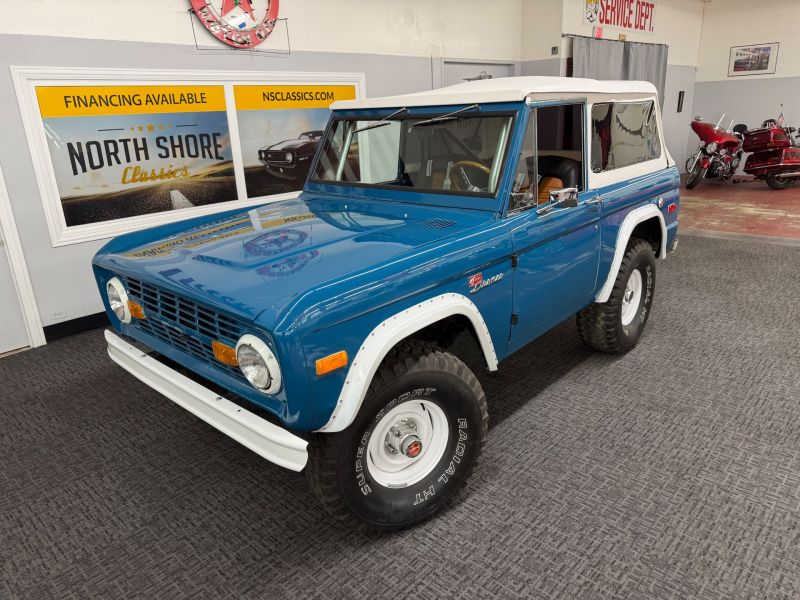
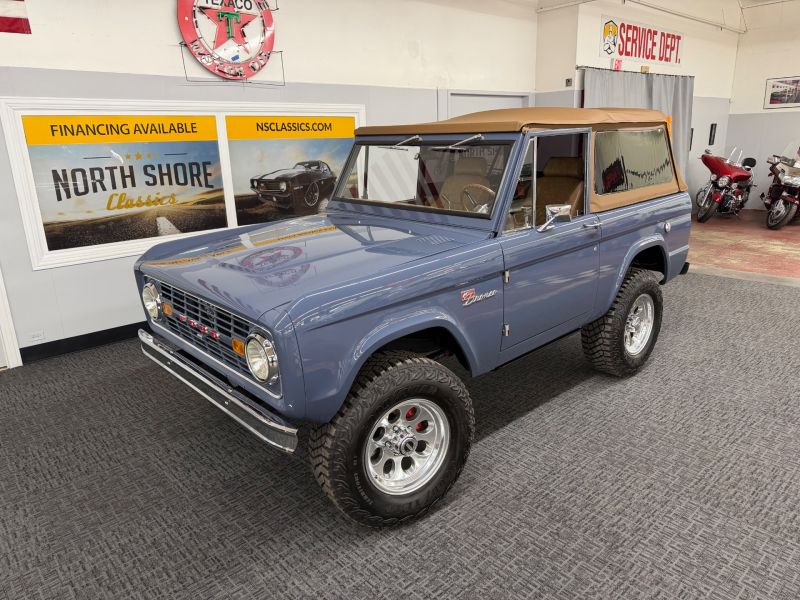
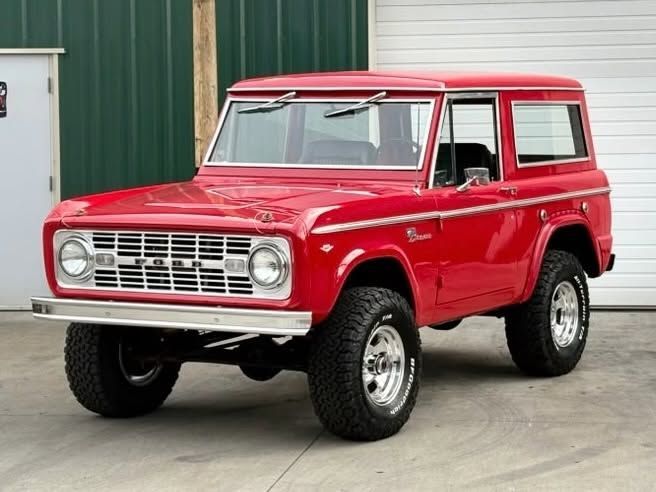
A buyer who does not care about originality can safely ignore all of this and simply evaluate a Bronco on mechanical condition and price. But anyone entering the market with preservation or long-term value in mind should understand that uncut status functions as its own pricing category within the hobby, separate from general condition grading. It is a narrow, specific obsession, but it is a real one, and it shapes what serious sellers charge and what serious buyers are willing to pay. Shoppers who want to see how that distinction plays out in real listings can look at classic Broncos on the market and start asking sellers directly about fender history. A confident, specific answer, backed by photos of the panel seams and a willingness to let an inspector look closely, tells you more about a truck's real condition than any adjective in the listing description ever will.
Sources and notes
Related Reading


Have a
Ford Bronco
for Sale?
Reach thousands of serious classic car collectors across the US.
Sell It Here →
Selling a classic? Here's how: sell my classic car
Are You a Classic Car Dealer?
List your full inventory and connect with targeted classic car buyers.
Join as a Dealer →
#Ford Bronco
#classic truck culture
#early bronco
#Bronco collecting
#uncut Bronco
#Bronco originality

About the author
Patrick Walsh
Automotive journalist covering classic car shows, events, and the enthusiast community across North America.
Related Listings - Ford Bronco
Comments
Be the first to comment on this article.