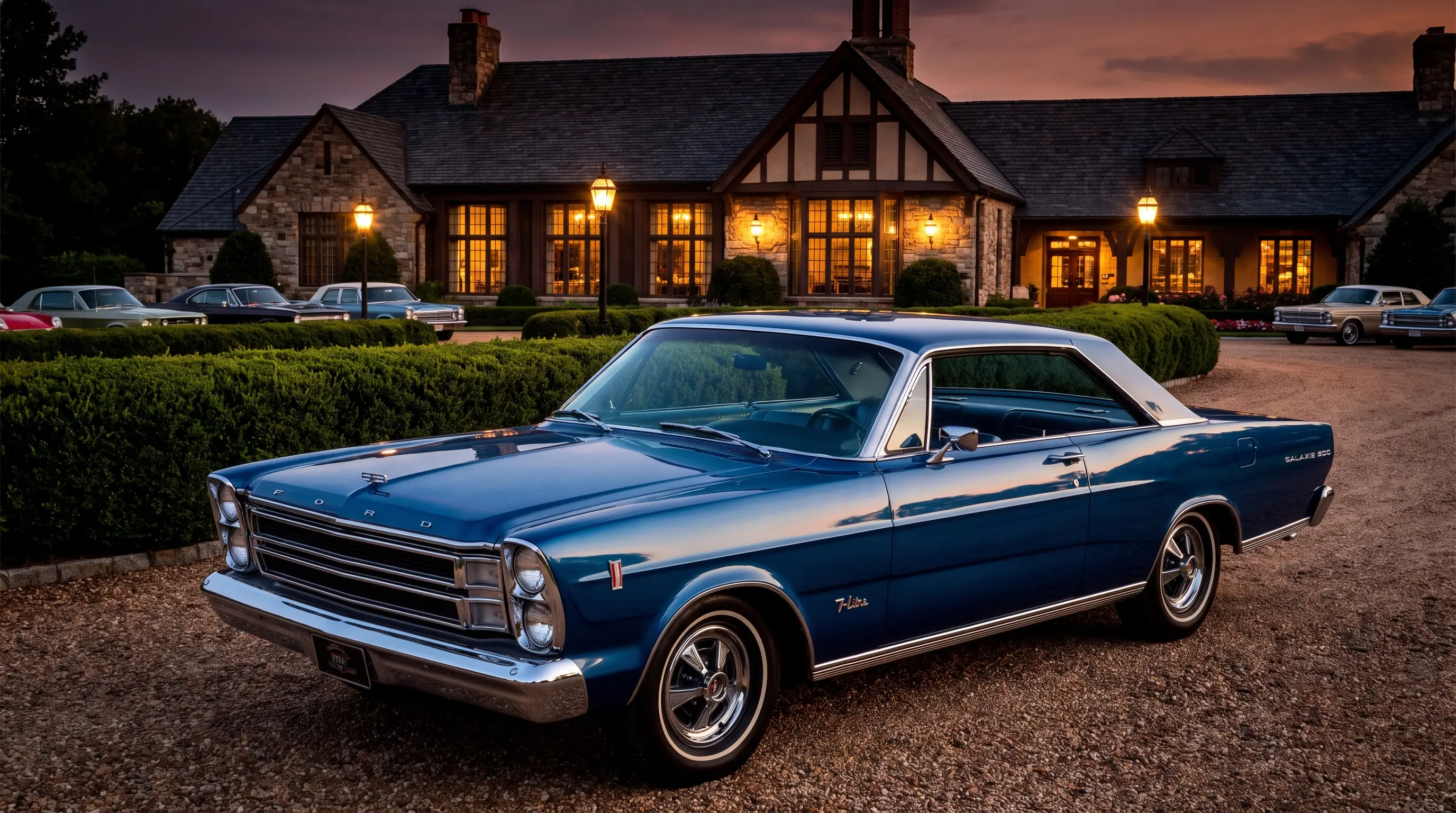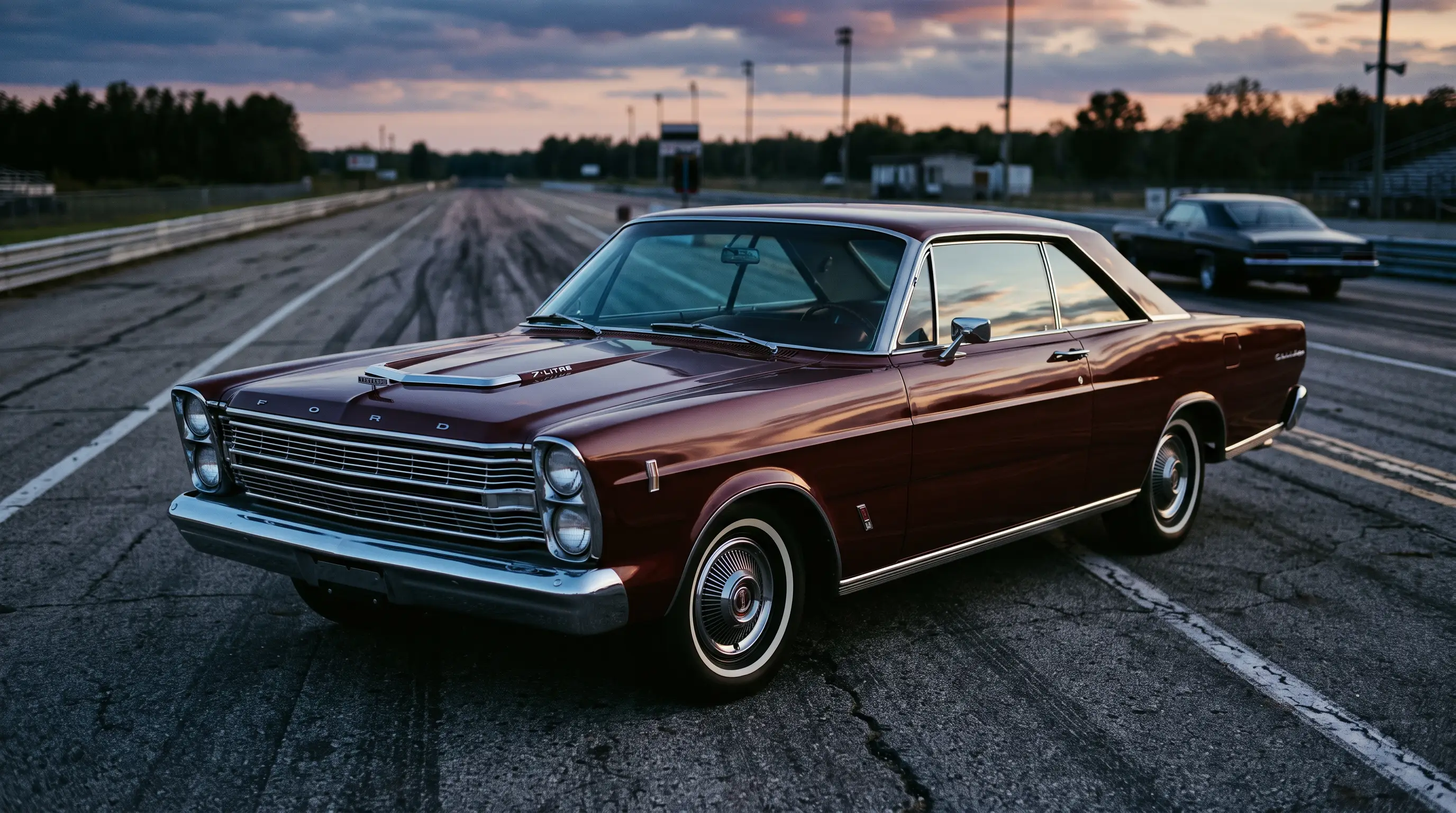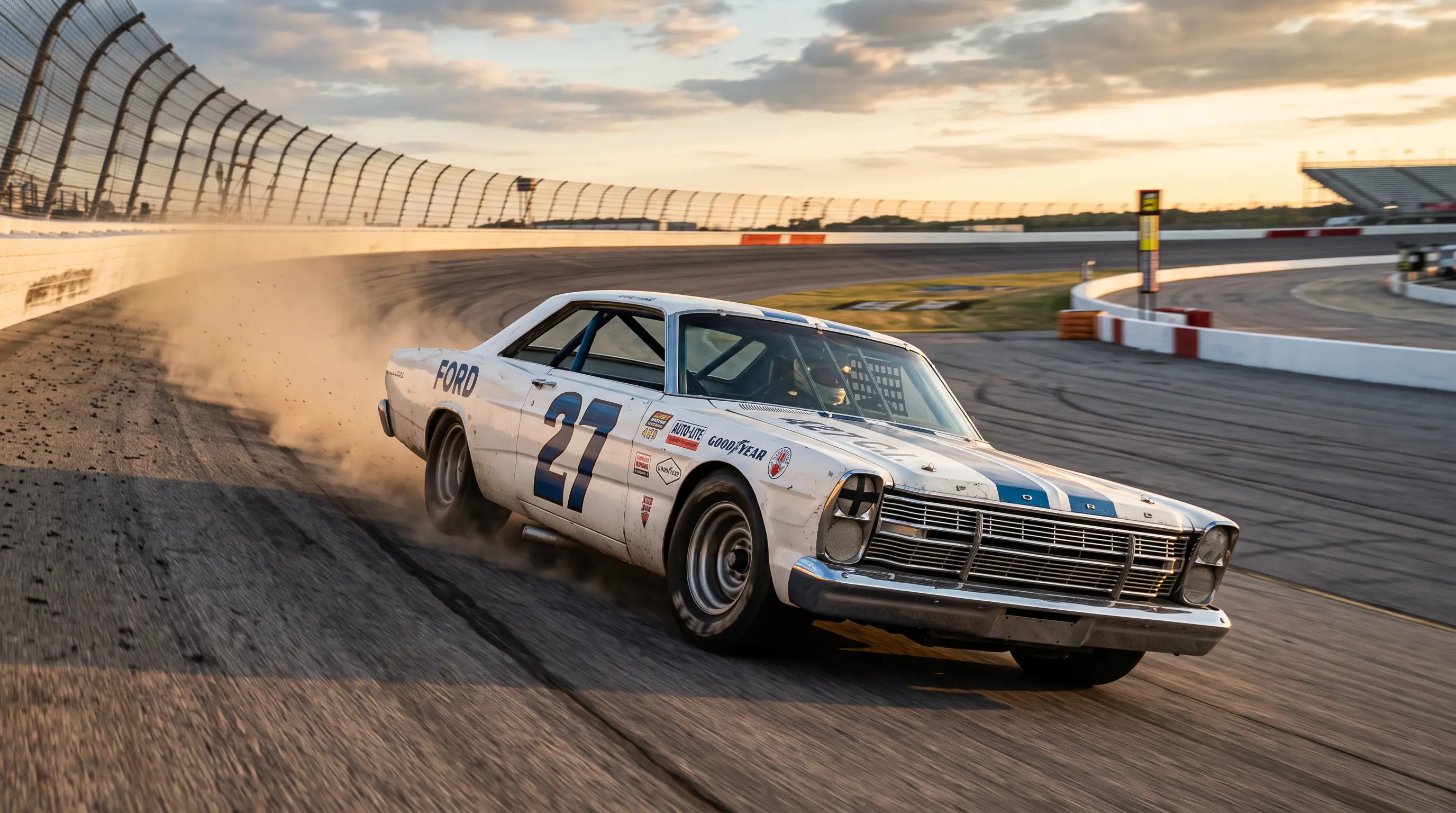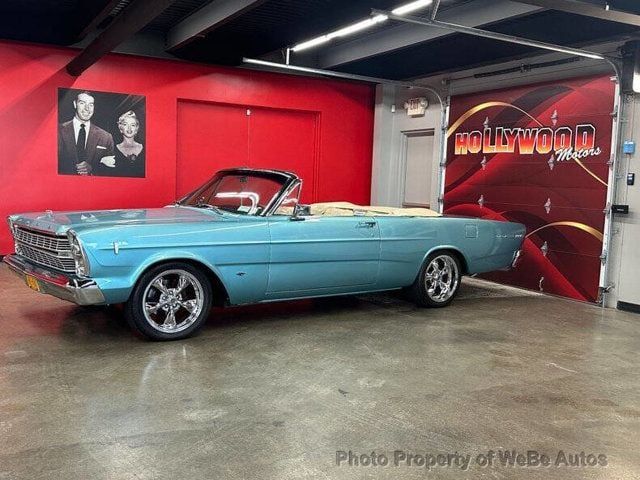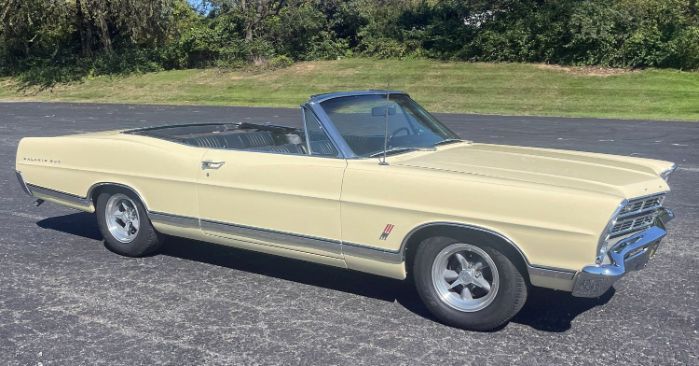
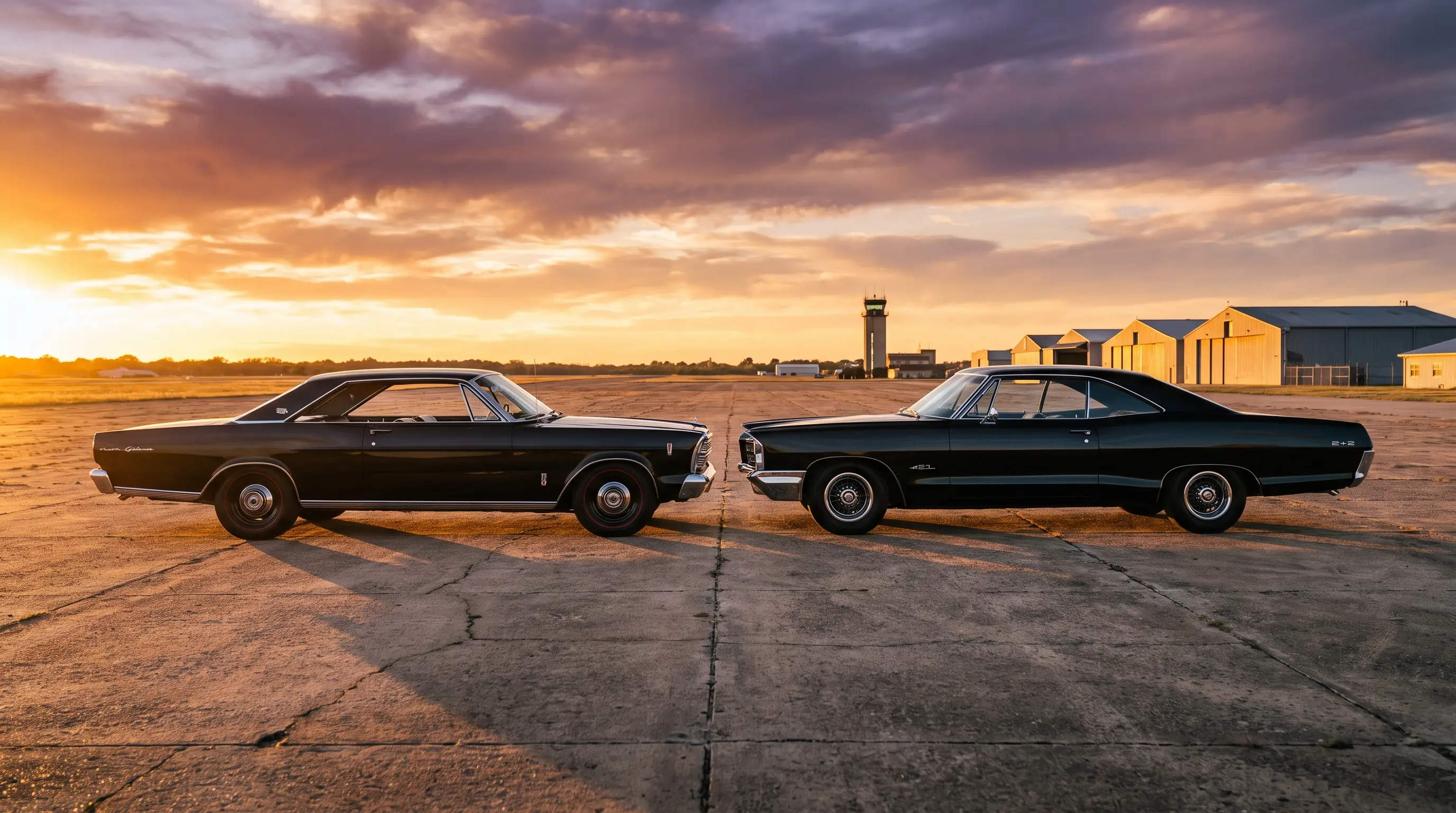
Pontiac had built an entire brand identity around performance by 1966, and the Ford Galaxie 1966 vs Pontiac 2 plus 2 421 comparison puts that identity to a direct test against Ford's own quieter approach to the same market. Pontiac's 2+2 was a full-size performance package built on the Catalina platform, offering the 421 as its flagship engine option, while Ford's 7-Litre offered its 428 as standard equipment on a narrower, more tightly defined trim. Both companies were chasing the same buyer, someone who wanted a big-block full-size car without the raw visual aggression of a smaller specialty model, but their engineering and marketing paths to that buyer differed in ways worth examining carefully.
Pontiac's performance identity versus Ford's restraint
By the mid-1960s, Pontiac had built its entire brand around performance credibility, from the GTO's mid-size muscle car breakthrough to the 2+2's full-size interpretation of the same philosophy. That brand context shaped how the 2+2 was marketed and perceived, as a legitimate performance package from a company whose reputation for speed was already established. Ford's Galaxie, by contrast, carried decades of reputation as a mainstream, dependable family car, which meant the 7-Litre had to work harder to convince buyers it was a genuine performance flagship rather than simply a well-equipped sedan. That difference in brand starting position mattered enormously to period buyers even when the underlying engineering was broadly comparable.
| Comparison point | 1966 Galaxie 7-Litre | 1966 Pontiac 2+2 |
|---|---|---|
| Flagship engine | 428, standard on 7-Litre | 421, optional on 2+2 |
| Brand performance reputation | Mainstream family car heritage | Established performance identity (GTO era) |
| Body styles | Hardtop, convertible only | Hardtop, convertible |
| Standard equipment approach | Big-block bundled as standard | Big-block available as top option |
The 421 and 428 as engineering choices
Pontiac's 421 and Ford's 428 both prioritized torque delivery suited to heavy, full-size platforms rather than high-rpm output, reflecting the same broader industry consensus that shaped Chevrolet's and Ford's own big-block strategies during this period. Where the two diverged was in how each company let buyers access that engine. Pontiac offered the 421 within a range of engine choices across the 2+2 package, meaning a 2+2 badge alone did not guarantee the top engine was fitted, similar to how Chevrolet structured its Impala SS options. Ford's approach with the 7-Litre skipped that menu entirely, making the 428 the only standard engine regardless of what else a buyer selected. That structural difference means verifying a genuine top-spec example requires different research depending on which nameplate a buyer is chasing. For the complete context of how the 428 fit into the rest of Ford's 1966 Galaxie lineup, read the background on the full model year.
Interior and how each car felt from the driver's seat
Both the 7-Litre and the 2+2 leaned on bucket seats and console-mounted controls to signal their flagship status, a shared design language across nearly every full-size performance package of the mid-1960s regardless of manufacturer. Pontiac's interior treatment tended toward a slightly sportier instrument layout, reflecting the brand's broader emphasis on driver engagement that had already defined the GTO's cabin a couple of years earlier. Ford's 7-Litre cabin, while equally well-appointed, stayed closer to the comfort-oriented instrumentation found across the rest of the Galaxie range, prioritizing a calm, confident driving position over the more overtly sporting cues Pontiac favored. Neither approach was objectively better, but they reveal how each company translated the same big-block flagship concept through the lens of its existing brand identity rather than starting from a blank sheet for the top trim specifically.
Ride quality differences followed a similar pattern. Full-size Fords of this era were tuned toward a softer, more isolated ride even in performance trims, while Pontiac's suspension calibration on the 2+2 tended to communicate more road feel to the driver, consistent with the brand's broader positioning as the performance-minded choice within General Motors. A period buyer cross-shopping the two cars back to back would likely have noticed this difference immediately, and it probably influenced purchase decisions as much as any spec sheet comparison between the 421 and 428 themselves.
How production numbers compare
Both the 7-Litre and the 2+2 represented narrow slices of their respective full-size lineups, built in numbers far smaller than the base trims sharing the same platform. Pontiac's overall full-size sales trailed both Chevrolet's Impala and Ford's Galaxie through the mid-1960s, meaning the 2+2 drew from a smaller pool of buyers overall even before accounting for how few of those buyers specifically ordered the 421. Ford's 7-Litre drew from the larger Galaxie sales base but limited itself just as tightly through its narrow body style and standard-equipment structure. Neither nameplate should be mistaken for a common survivor today, and both reward the kind of documentation-first approach that separates a verified example from an assumption based on badges alone. Pontiac built roughly 6,400 2+2s for 1966 across both body styles, noticeably fewer than the roughly 11,000 7-Litres Ford produced the same year, and within that already small 2+2 total, the specific 421 Tri-Power/four-speed combination narrows down to close to 1,100 cars, a genuinely scarce configuration even by this comparison's own low-volume standards.
"Pontiac had the performance reputation walking in the door, and Ford had to build that credibility one trim package at a time. The 7-Litre and the 2+2 arrived at similar cars from very different starting positions, and that context is easy to lose if you only compare spec sheets."
- Sarah Whitfield
For collectors deciding between these two flagship interpretations of the 1966 big-block full-size formula, the choice often comes down to which brand's broader story appeals more, Pontiac's performance-first identity carried over from the GTO era, or Ford's quieter, standard-equipment approach to the same underlying idea. Either path rewards careful verification of trim tags and factory documentation before assuming a car is exactly what its badges suggest.
Practical advice for a buyer weighing both
A buyer genuinely undecided between the two nameplates should think carefully about what they actually want the ownership experience to feel like day to day, not just at a car show. A 2+2 with the 421 fitted rewards a driver who wants more road feel and a slightly firmer, sportier character consistent with Pontiac's broader reputation. A 7-Litre rewards a driver who wants the largest available Ford engine wrapped in a calmer, more isolated ride, closer in spirit to a well-equipped family sedan than a dedicated performance car. Neither preference is wrong, and plenty of longtime collectors eventually own examples of both precisely because the two cars scratch different itches despite superficially similar specifications.
Parts and documentation availability also differ somewhat between the two. Pontiac's stronger overall performance reputation has kept demand for 421 and GTO-era parts relatively robust among restorers, while Ford's 428 benefits from that engine's broader use across multiple FE-family applications throughout the decade. Neither buyer should expect major difficulty sourcing mechanical parts for a well-known engine family, but documentation specific to the exact trim, genuine 2+2 badging and build sheets on the Pontiac side, verified 7-Litre trim tags on the Ford side, remains the harder and more valuable thing to track down. Those focused on the Ford side of this comparison can find a classic Galaxie currently listed and compare documented examples directly.