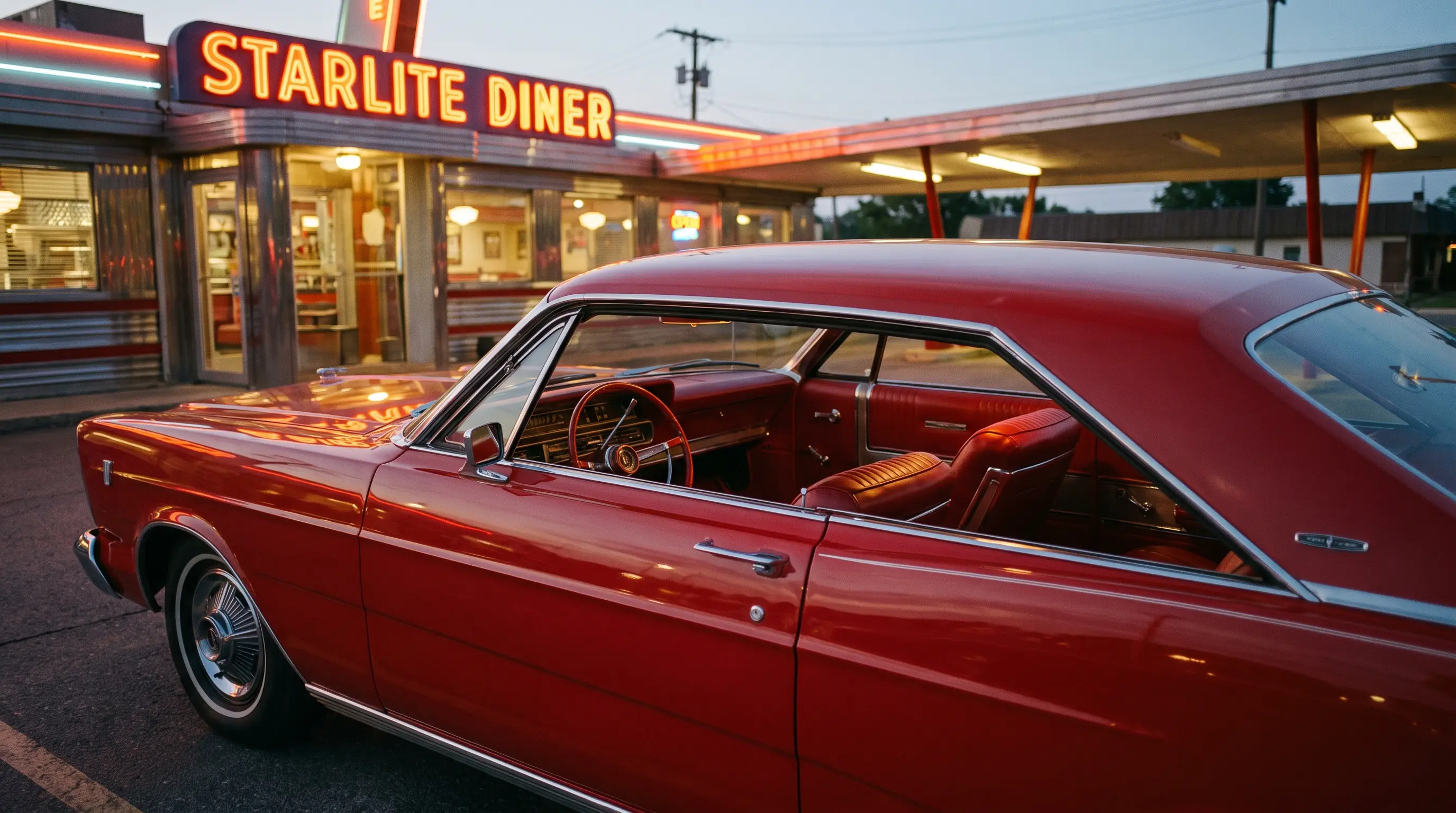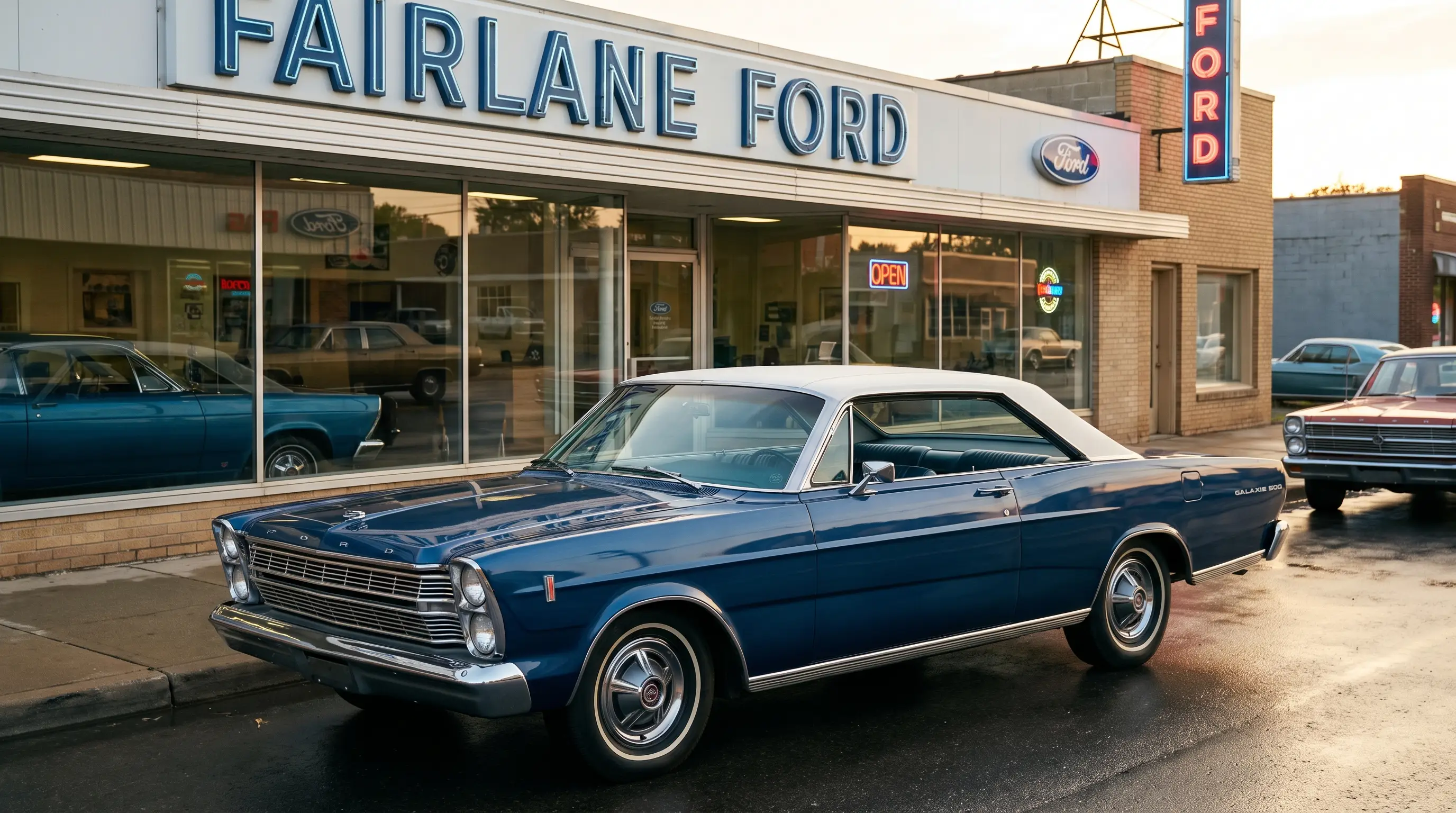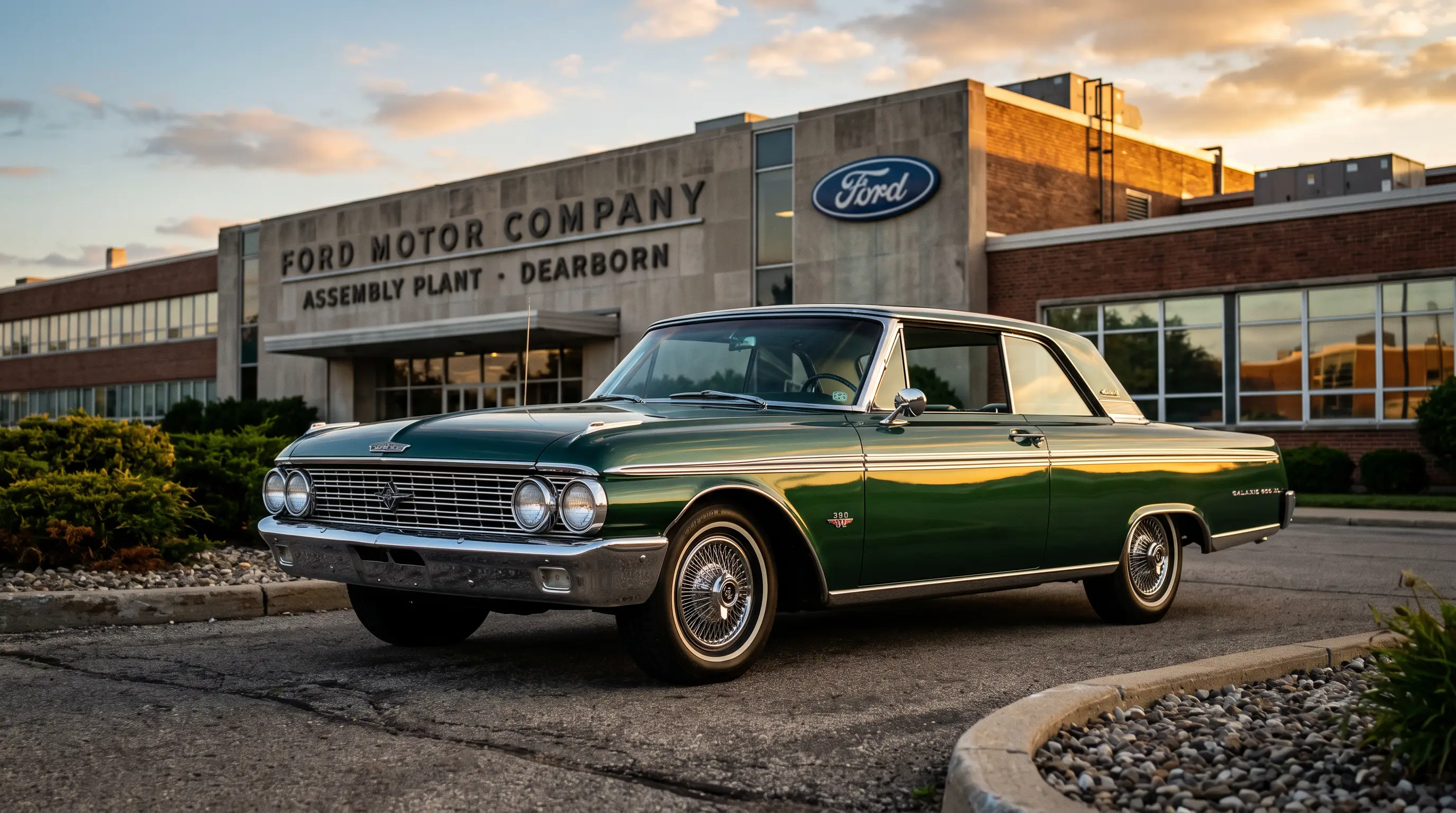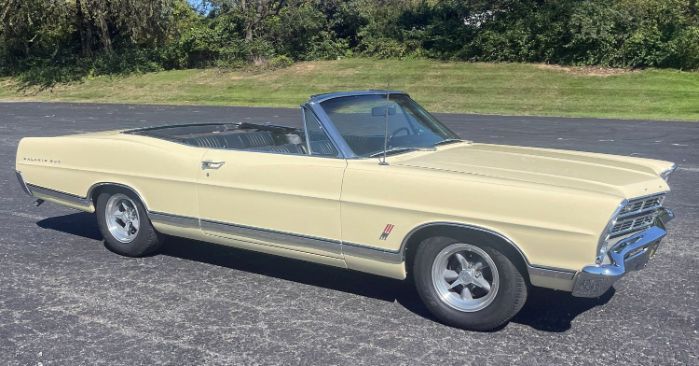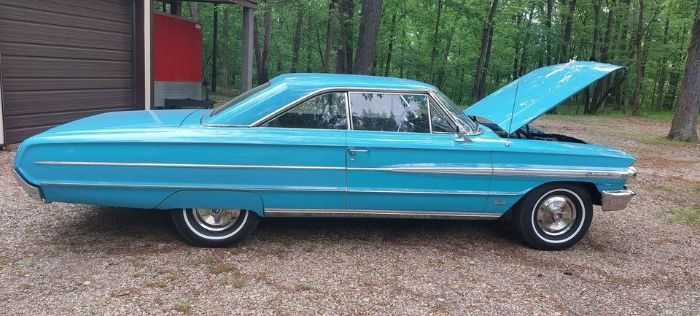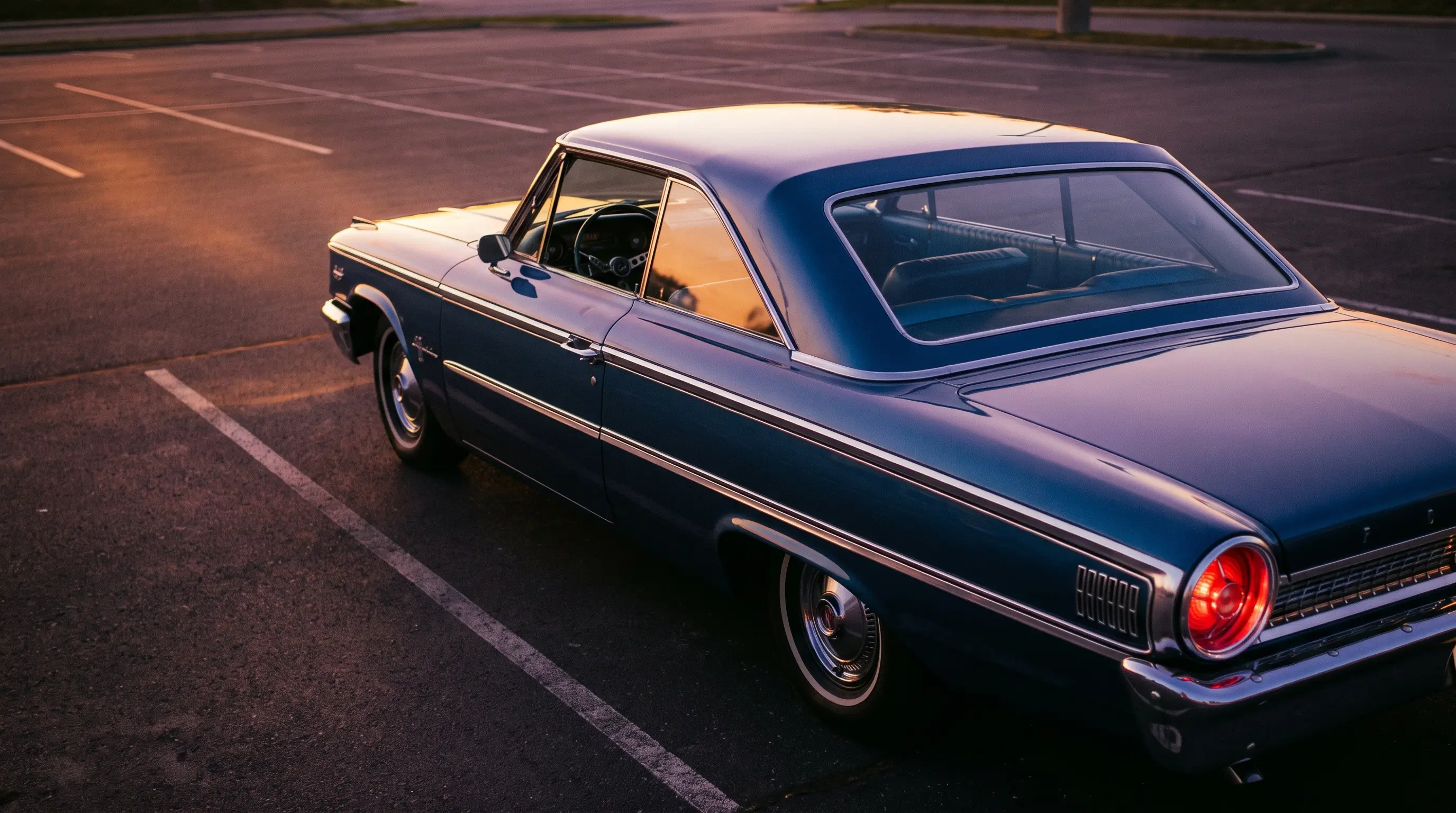
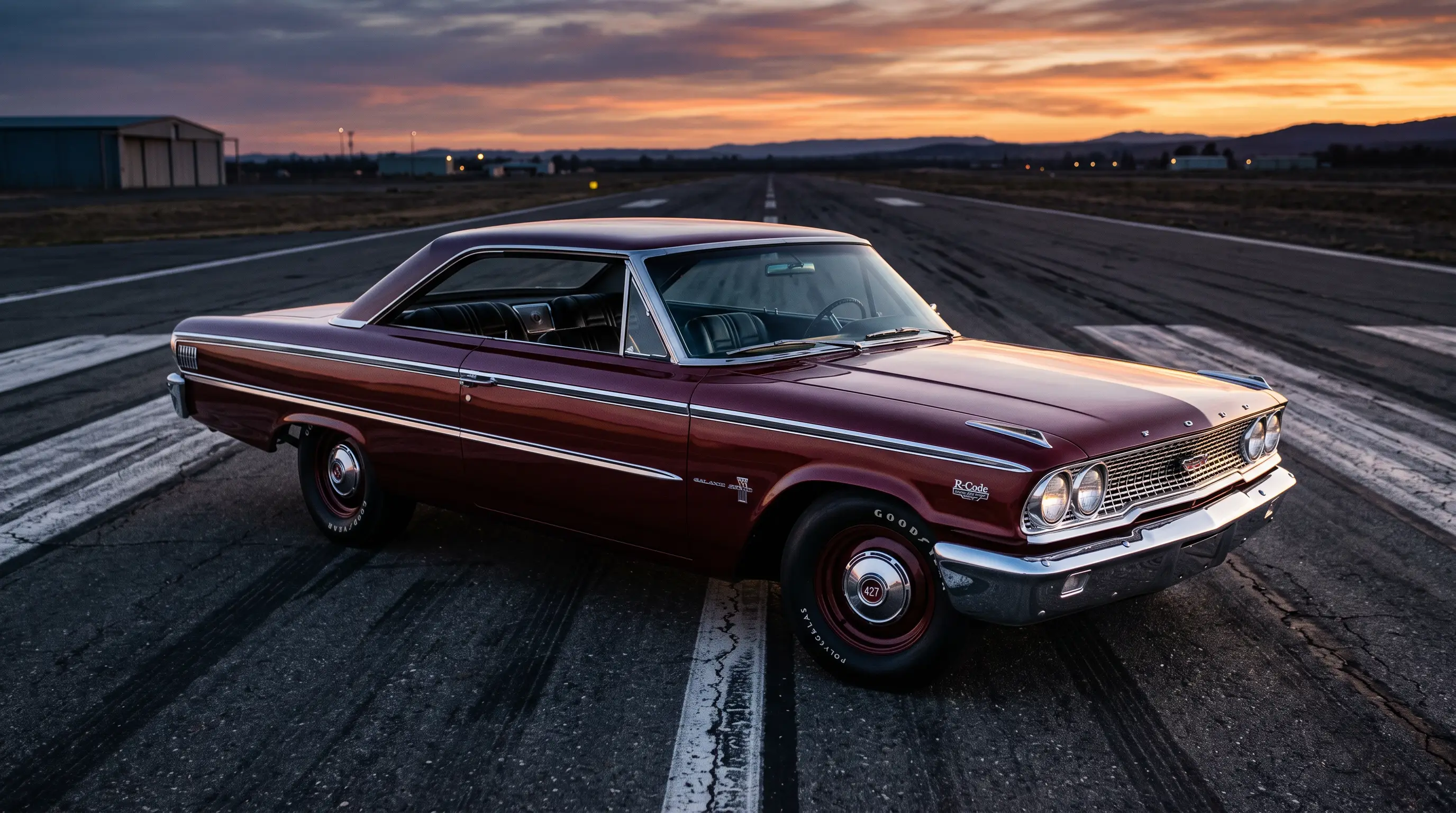
Order a 427 in a bucket-seat XL and you got two different cars fighting for the same badge. The ford galaxie 500 xl 427 r code pairing is a rare combination, and the numbers back that up. Most XL buyers wanted comfort and style. Most 427 buyers wanted speed. Put both in one car and you get one of the strangest, most underrated combinations Ford ever built.
The 427 R-code, in plain terms
Ford's R-code 427 was the top-shelf big block for full-size cars in the mid-1960s, rated at an advertised 425 hp with dual four-barrel carburetors on the highest-output version. This was not a mild-mannered engine dropped into a heavy car as a marketing checkbox. It was a genuine high-performance unit, built with a solid-lifter cam and forged internals, meant to compete on the NASCAR ovals and the drag strip both. Ford put it in Galaxies specifically to keep pace with Chrysler's Max Wedge and Chevrolet's 409, and later the 396, in a horsepower arms race that ran hot through the early and middle sixties.
Most 427 buyers ordered stripped-down cars. Less weight, less sound deadening, sometimes even lighter-gauge body panels on the most extreme lightweight drag packages. A 427 car was built to win, not to coddle a driver's back on a long trip.
XL was built for the opposite reason
The XL package existed to make a Galaxie feel special inside. Bucket seats, a console, extra brightwork, upgraded trim. None of that helps a drag car. It adds weight, and weight is the enemy of elapsed time. A buyer who wanted both was asking Ford for a car that looked sharp at a stoplight and still had teeth once the light turned green, and that buyer was rarer than you'd think.
Ford didn't stop anyone from ordering the combination. The order form allowed it, and dealers built cars to whatever spec a paying customer wanted. But the sales numbers tell the real story. Most 427 buyers skipped XL trim entirely, chasing every possible weight advantage instead. The people who paired big-block performance with the XL's comfort features were buying a fundamentally different kind of car: one meant to be driven hard on a Saturday and still look good pulling into church on Sunday.
Why this combination is worth more today
Rarity drives value, and the 427 XL pairing is rare by any measure. Collectors chasing straight-line performance usually want the lightweight, stripped-down 427 cars because those are the ones with race history and documented drag records. Collectors chasing full-size Ford elegance usually want a clean XL with a smaller, milder engine, since that is the more common and better-preserved combination. A car that satisfies both camps at once, real big-block muscle wrapped in the XL's comfort package, sits in a smaller pool of buyers who understand exactly what they're looking at.
That smaller pool matters at auction. A 427 XL with matching numbers and clean documentation draws bids from muscle car buyers and full-size Ford specialists both, and that competition pushes prices higher than either group alone would pay for a more common configuration. Anyone shopping this pairing should expect to pay a real premium over a standard-engine XL, and should expect documentation to matter more than usual given how easy it is to drop a 427 into a lesser car decades after the fact.
Numbers matching is not optional here. A engine stamp, casting date, and body tag all need to agree before a claimed 427 XL is worth the premium buyers pay for the real thing. For background on how the XL trim came together in the first place, read the background before evaluating any specific car's claims.
"Most people who ordered a 427 wanted the car stripped down. The ones who added bucket seats too were paying extra for a car that could do both jobs. That's rare, and rare sells."
- Dan Reeves
On the track and at the strip
The R-code 427 earned its reputation on NASCAR ovals first, where Ford's Total Performance push was aimed squarely at beating Chrysler and Chevrolet on Sunday to sell cars on Monday. The dual-quad 427 powered Galaxies to real wins during the era, and that racing pedigree is a big part of why the engine still commands respect from collectors who never set foot on a track. A drag strip 427 lightweight and a NASCAR-spec R-code shared the same basic architecture even though Ford tuned them differently for each job, and both versions fed the reputation that made the 427 name mean something beyond a displacement figure on a spec sheet.
None of that racing image did the XL-badged, comfort-equipped 427 cars any favors at the time. Racers and serious drag buyers wanted the stripped cars, and dealers steered performance-focused customers away from the heavier trim options for good reason. A 427 XL sitting on a showroom floor was, in a sense, a car built for someone who wanted to have the conversation about performance without necessarily living at the strip every weekend. That buyer existed, just in smaller numbers than the racers Ford's marketing department was chasing.
What to check before you buy one
Verify the engine block casting number against Ford's known R-code production specs for the model year in question. Check the trim tag for the correct XL code alongside the engine code. Cross-reference any claimed Marti Report or production documentation against the physical car rather than taking a seller's word for it. A 427 XL that checks out on all three fronts is a genuinely special piece of full-size Ford history, and one that didn't quite fit the mold Ford expected buyers to choose from when the order sheet went out.
There's a related angle worth reading on how the XL trim line grew out of its early years, which worth a look too covers in more depth. Shoppers ready to look at what's actually on the market today can shop classic Galaxie listings and start comparing documented big-block cars against the rest of the field.
Bottom line: this is a combination that rewards patience and homework. Most 427 cars on the market today wear a lighter, simpler spec, so a genuine 427 XL takes longer to find and costs more once you do. That's fine. Buy the paperwork, not the story a seller tells you at the curb, and the car will hold its value a lot better than one bought on a hunch. Sellers who can't produce a matching engine stamp, a plausible trim tag, and some form of period documentation are asking a premium price for a car they can't actually prove is what they claim it is, and that gap between claim and proof is where buyers lose money in this segment more than any other.