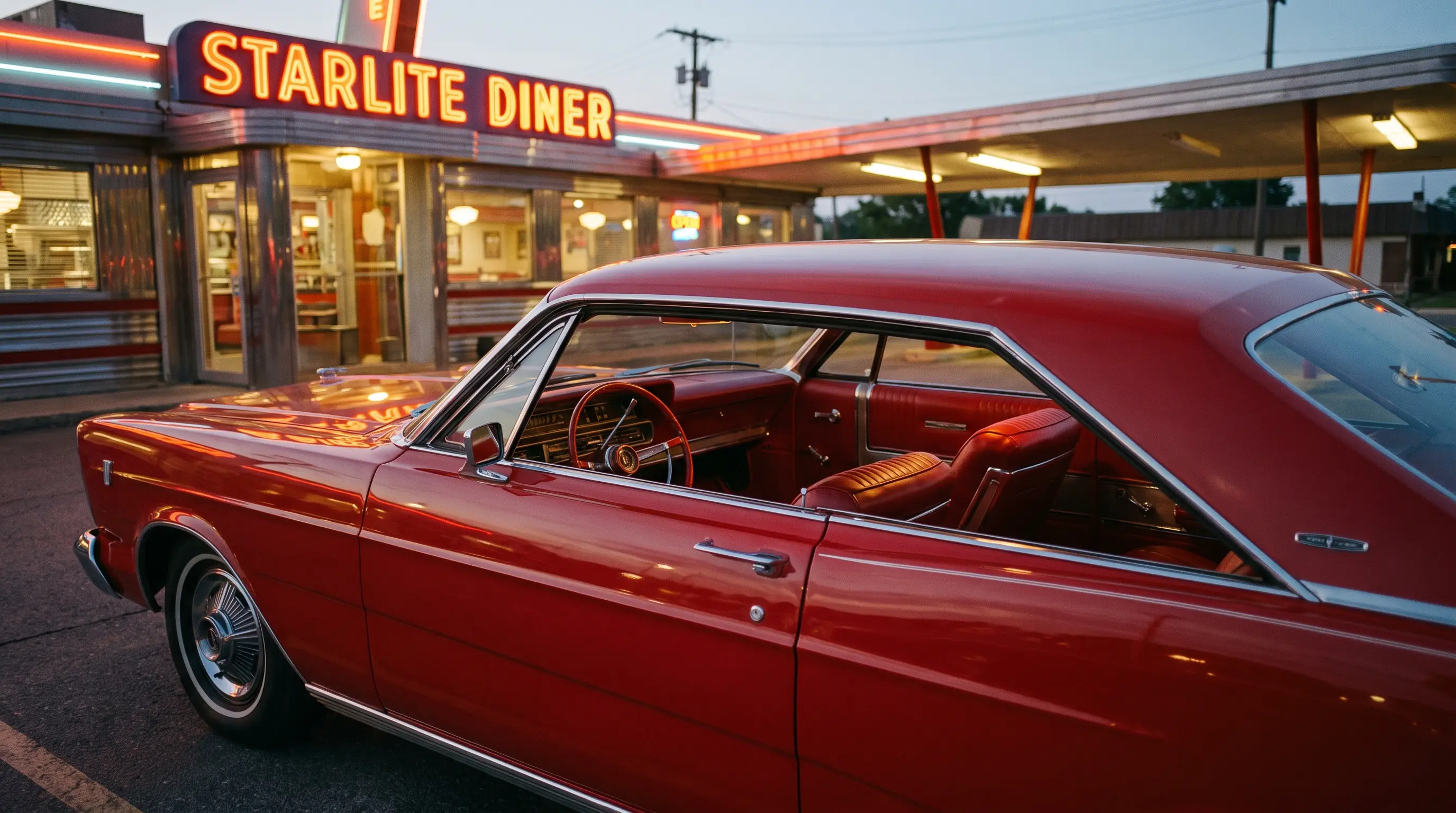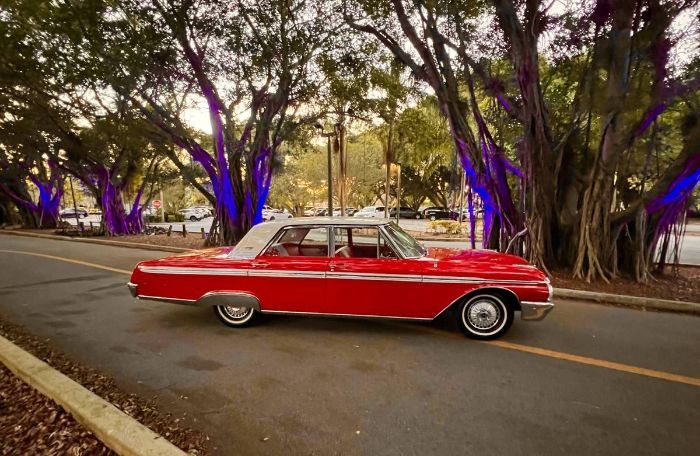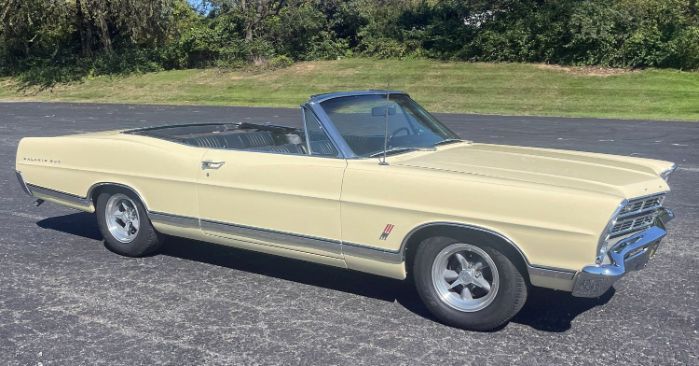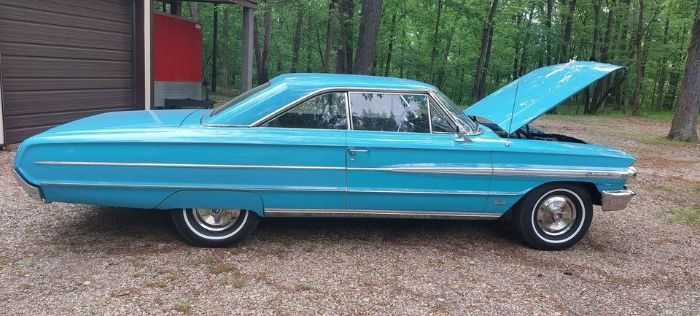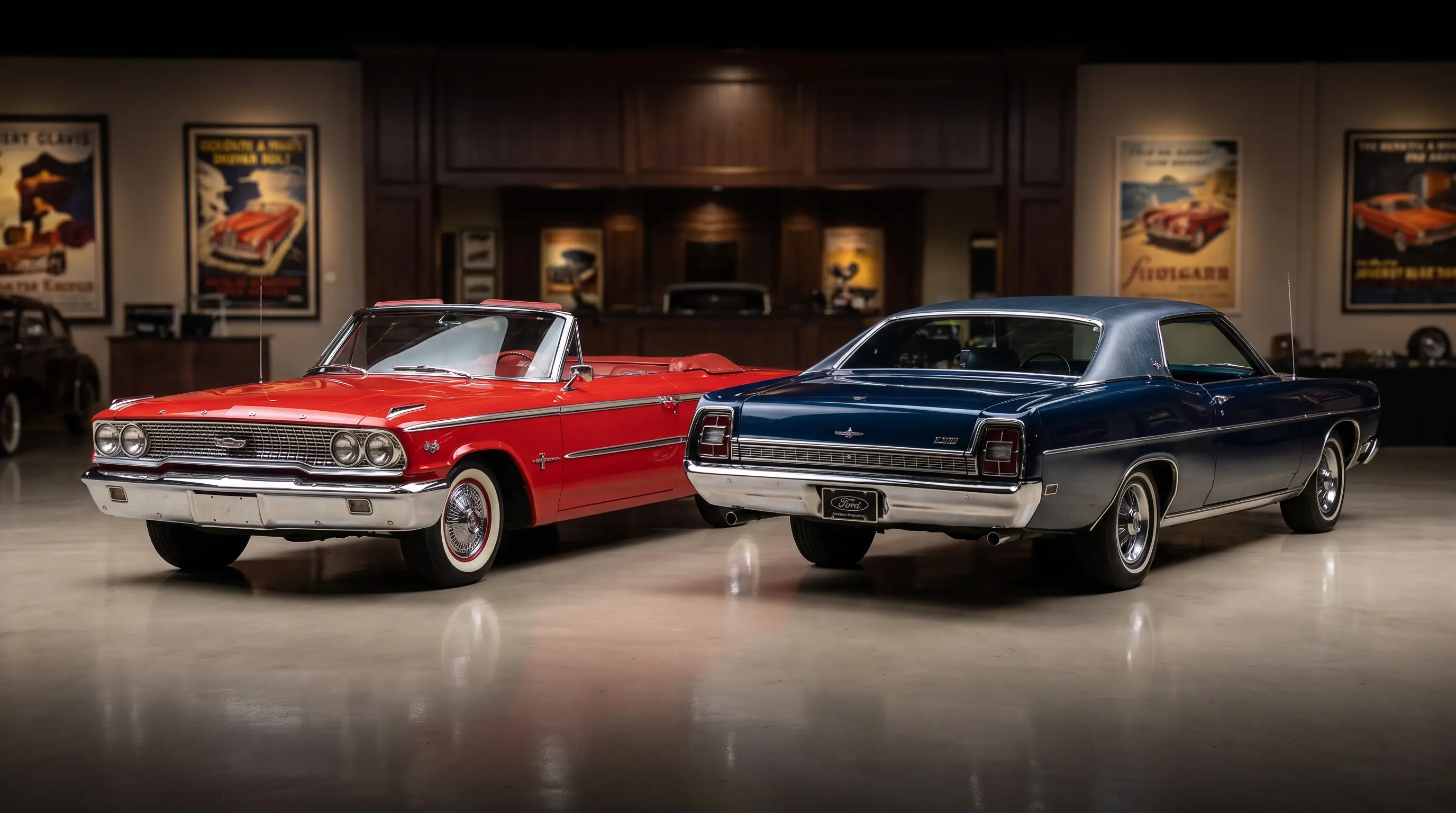
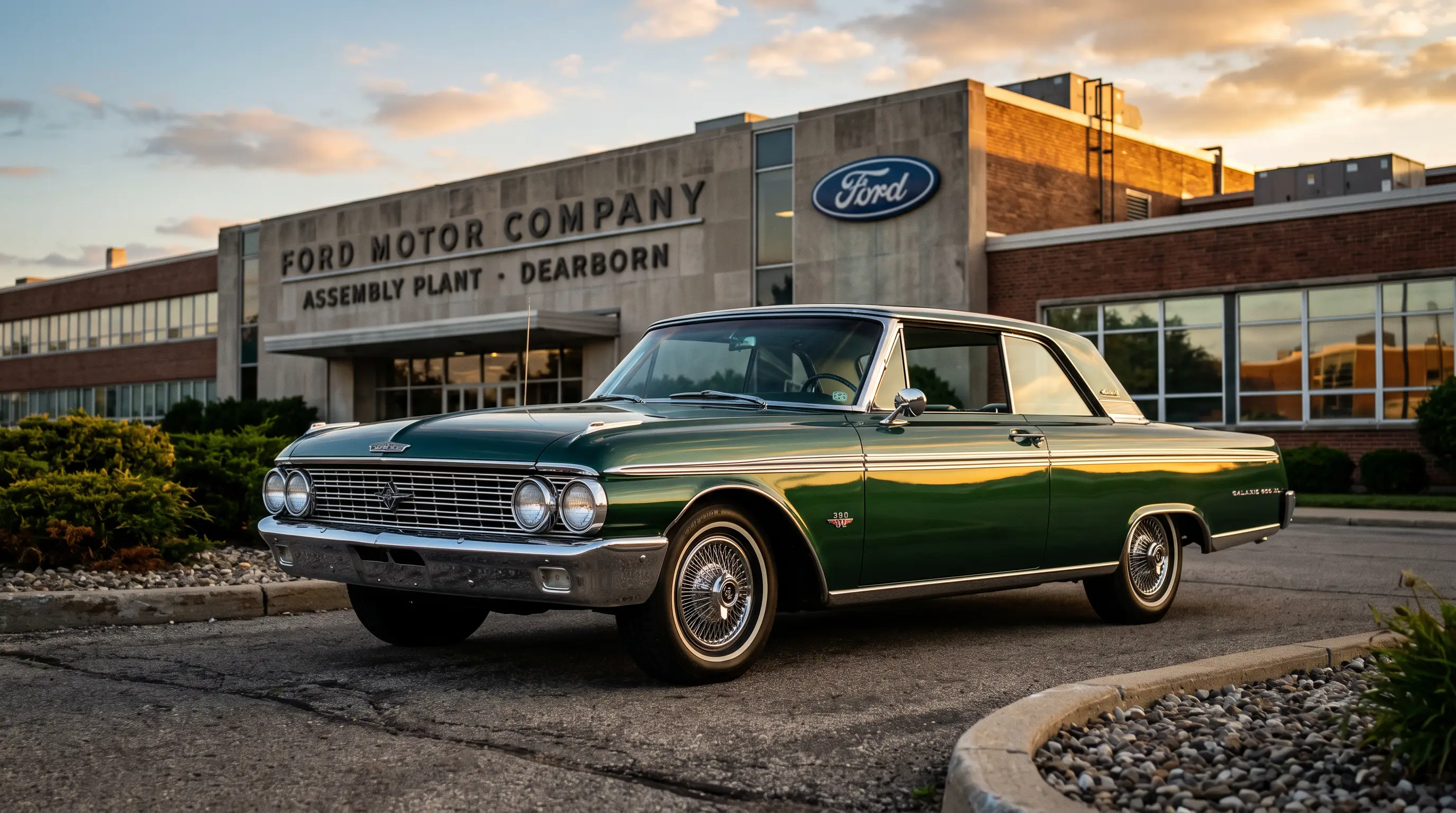
Ford introduced the XL package in 1962 as an answer to a market that had already moved without them. The ford galaxie 500 xl birth and evolution runs from that first year through its quiet fade by the end of the decade, and the record shows a trim line that Ford revised nearly every model year in response to what buyers and competitors were doing around it. Tracing that arc year by year tells you more about how full-size Ford buyers thought about performance and style in the 1960s than almost any other single trim package Ford offered.
1962: an answer to Chevrolet
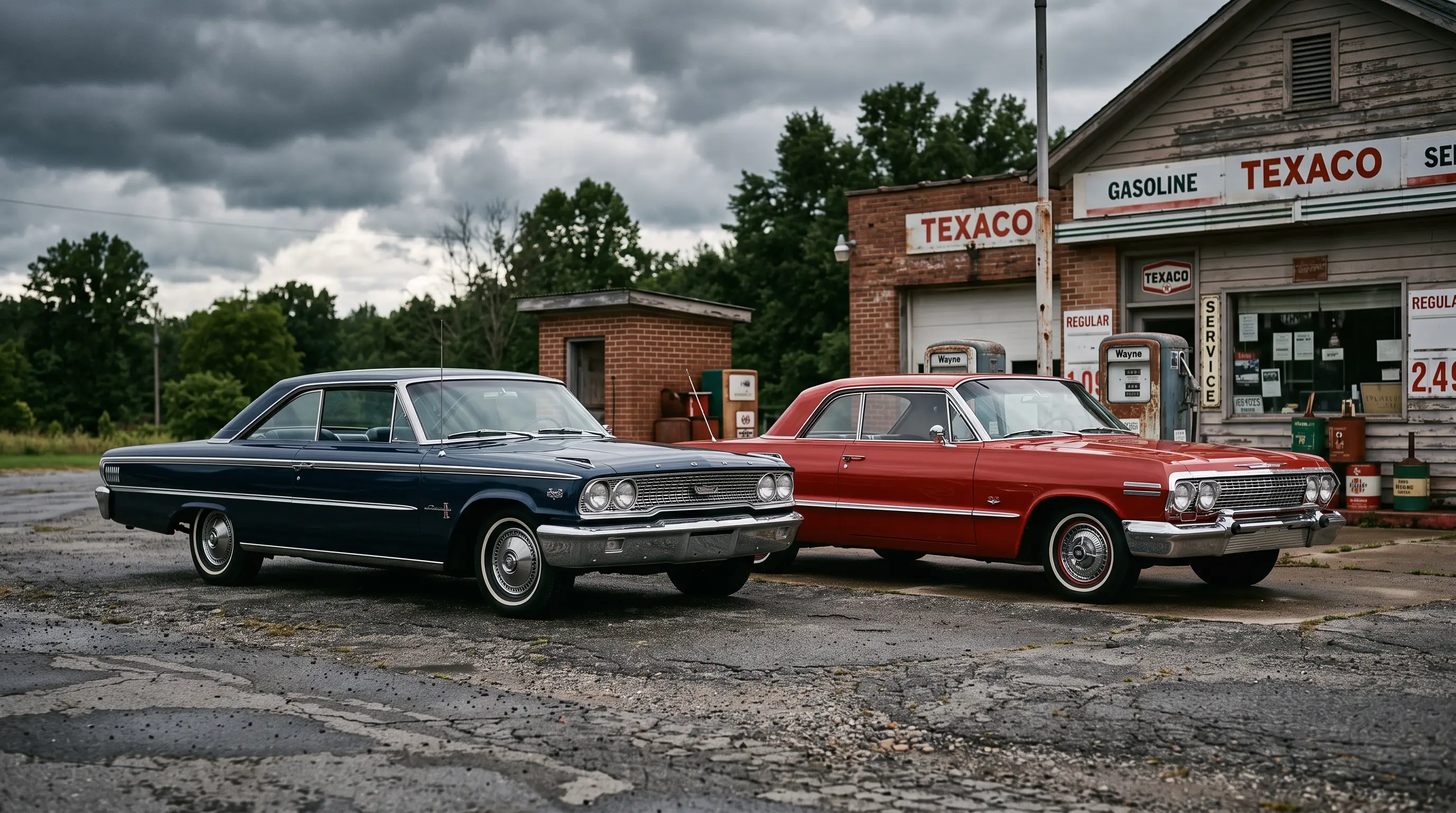
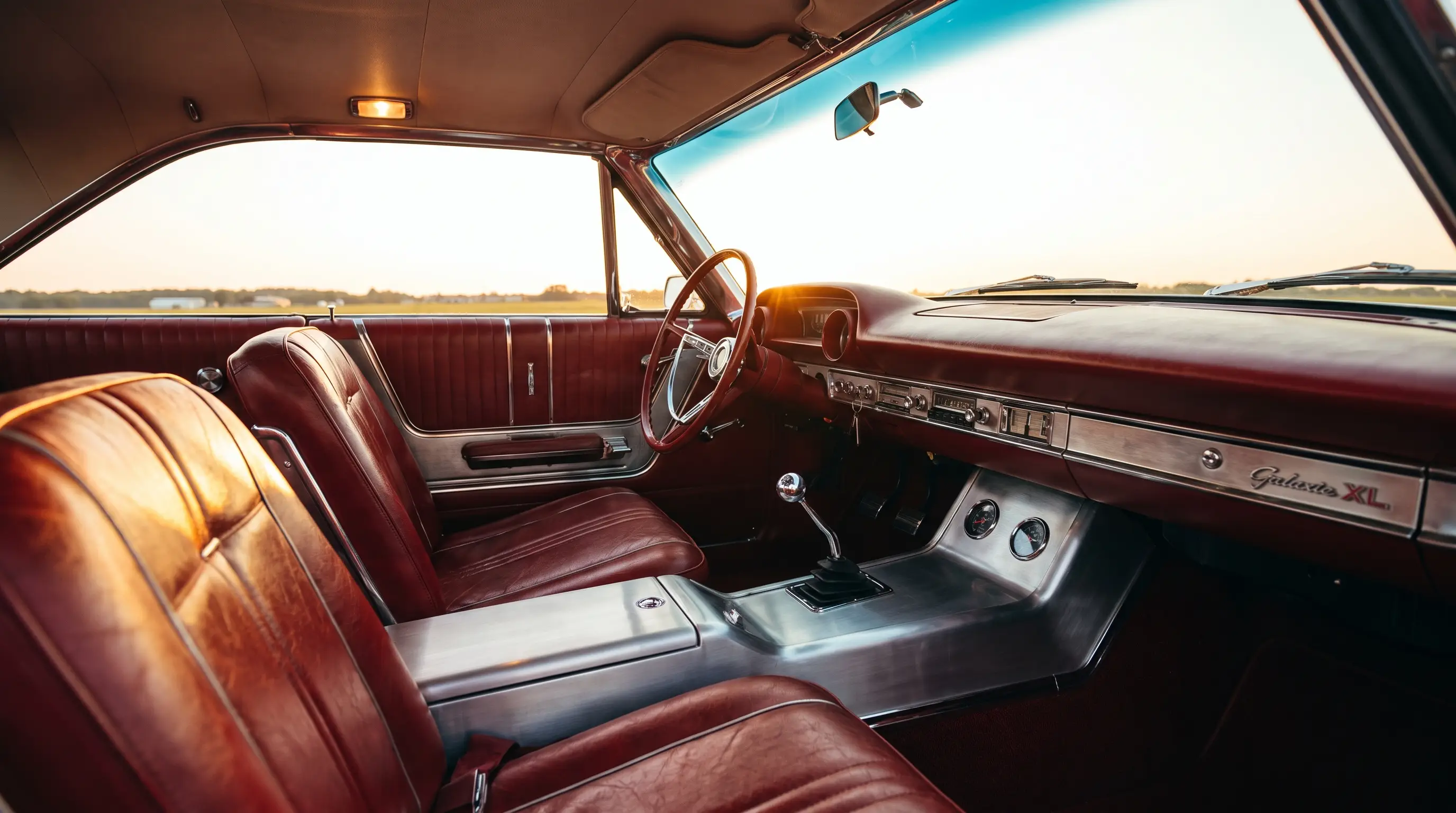
Chevrolet's Impala SS had proven there was demand for a sportier full-size car that did not sacrifice practicality. Ford's response, the Galaxie 500 XL, arrived for the 1962 model year with bucket seats, a console, and enough exterior brightwork to distinguish it from a standard Galaxie 500 on the same showroom floor. The timing put Ford directly into competition with Chevrolet's most fashionable full-size trim, and the two packages were cross-shopped constantly by period buyers deciding between Ford and Chevrolet dealerships.
Documentation from that first year shows the XL package available on Ford's sportier body styles, including the Sunliner convertible and hardtop coupes, giving buyers real choice in how they wanted their bucket-seat Galaxie configured. The package commanded a real price premium over a standard Galaxie 500, and dealers marketed it as the aspirational choice for buyers who wanted their full-size Ford to feel like more than transportation.
| Model year | Notable XL development |
|---|---|
| 1962 | XL package debuts, bucket seats and console standard equipment |
| 1963 | Fastback Sports Hardtop body style added to the lineup |
| 1964-65 | Trim and brightwork revised, full-size Ford restyled around it |
| 1966-67 | XL continues alongside expanding LTD luxury line |
| 1968-69 | XL identity narrows as buyer interest shifts to LTD and true muscle cars |
Mid-decade refinement
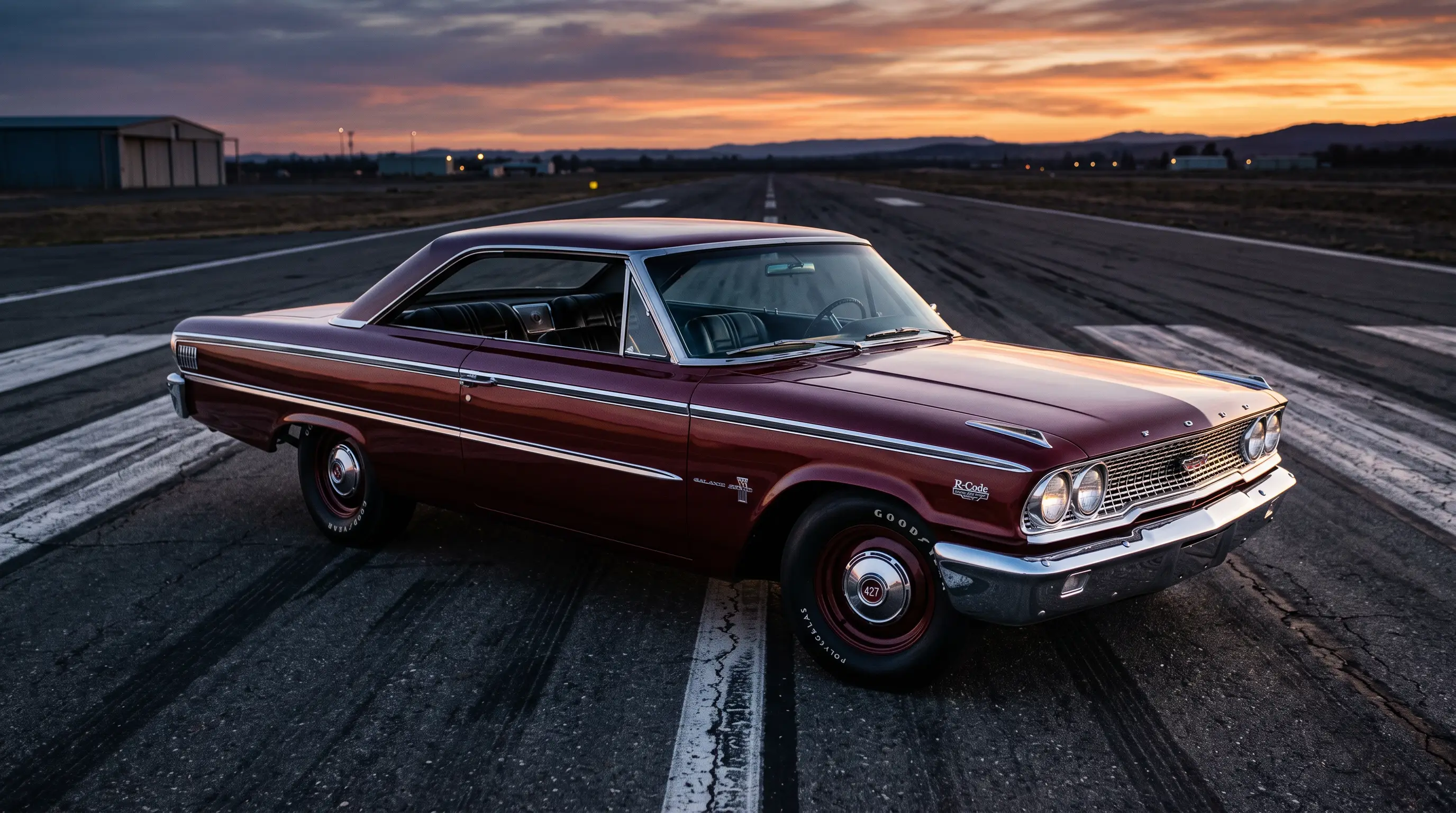
By 1963 and 1964, Ford had learned which elements of the XL package buyers actually valued and which they treated as forgettable filler. The Sports Hardtop fastback roofline, introduced for 1963, gave the XL package a genuinely distinctive silhouette that separated it visually from a standard Galaxie 500 even at a glance, and Ford's NASCAR success with the 427 R-code engine that same era gave the whole Galaxie lineup a performance halo that XL buyers could borrow from without necessarily ordering the big-block themselves.
Interior trim continued to evolve through these years as well, with upholstery patterns, door panel designs, and console details all shifting from year to year in ways that collectors now use to date a car precisely. Anyone researching a specific XL car needs model-year-specific reference material, since a console or seat pattern correct for 1963 will not match a 1965 car, and the differences are precise enough to matter for judged shows and serious buyers.
The slow fade of a distinct identity
By the late 1960s, Ford's full-size lineup had grown more complicated, with the LTD nameplate absorbing much of the luxury-oriented buyer interest that XL had once served alongside its sportier mission. Genuine muscle car buyers, meanwhile, increasingly looked toward intermediate-size Fords and dedicated performance nameplates rather than a full-size trim package. XL found itself squeezed from both directions, no longer the only sporty option and no longer the primary badge Ford leaned on to signal performance intent.
That squeeze did not happen overnight, and XL soldiered on for years after its cultural moment had technically passed, still finding buyers who wanted the specific combination of full-size practicality and bucket-seat style the package had always offered. But the marketing emphasis Ford placed on XL in 1962 and 1963 never fully returned in later years, and the package eventually faded from Ford's lineup as tastes moved elsewhere.
"You can read the whole story of what full-size buyers wanted across a decade just by tracking how Ford revised one trim package year after year."
- Sarah Whitfield
How it compared to what else was on the lot
Placed against its Ford stablemates, the XL package sat in an interesting middle position. It cost more than a standard Galaxie 500 but less than a fully loaded LTD once that nameplate arrived, and it offered sportier styling than either without the compromise in interior space that came with Ford's smaller performance-oriented models. That middle position is exactly why cross-shopping data from the period shows XL buyers weighing their decision against Chevrolet's Impala SS and, in later years, Pontiac's bucket-seat full-size offerings rather than against anything else in Ford's own lineup.
Dealers understood this positioning and used it in their sales pitches. A customer who walked in undecided between a plain Galaxie 500 and something sportier could be walked to an XL demonstrator on the lot and shown exactly what the extra money bought, without needing to explain an entirely separate model line the way a competing brand's showroom might have required. That simplicity, one model with an upgrade package rather than a whole separate nameplate, made XL an easy sell for Ford's dealer network throughout its run.
Why the timeline matters to buyers now
Knowing exactly where a given XL car sits in this timeline helps buyers verify authenticity and understand what to expect from a specific model year. A 1962 XL and a 1967 XL are different animals under the badge, with different trim details, different available body styles, and different competitive context. Collectors who understand this progression can spot inconsistencies in a seller's claims quickly, since a car advertised with features that did not exist in its stated model year is an immediate red flag worth investigating before any money changes hands.
For a deeper look at what the XL badge specifically promised buyers across its run, more on the ford galaxie 500 xl covers the trim package in full. The Galaxie nameplate itself has a longer history worth understanding too, and where this started traces that broader arc. Buyers ready to compare specific years against what is currently available can browse classic Galaxies on the market today.
Documentation from these years survives unevenly. Dealer brochures and factory literature are relatively easy to track down for the early XL years given how heavily Ford marketed the package against Chevrolet, but production figures broken out specifically for XL-equipped cars by body style and model year are harder to pin down with precision. Serious researchers rely on a combination of build sheets, Marti Reports where available, and cross-referenced dealer records to fill in gaps that Ford's own published figures leave open, and that patchwork of sources is part of why year-specific claims about a given XL car deserve real scrutiny before they get repeated as settled fact. A researcher who takes the time to assemble that paper trail for a specific car ends up with something more valuable than a clean story. They end up with a documented timeline that holds up when the car eventually changes hands and the next owner starts asking the same questions all over again, which is exactly the kind of provenance that separates a genuinely collectible XL from one that merely wears the badge.