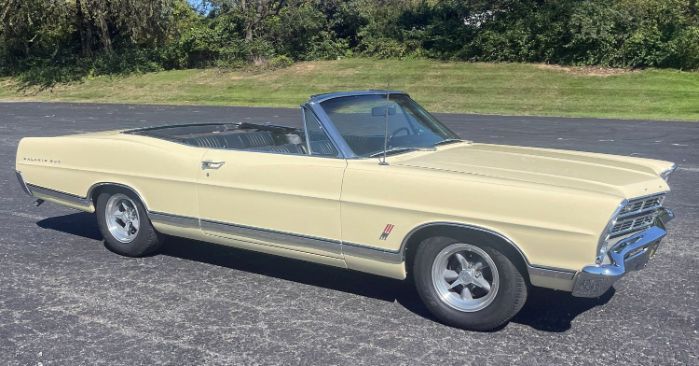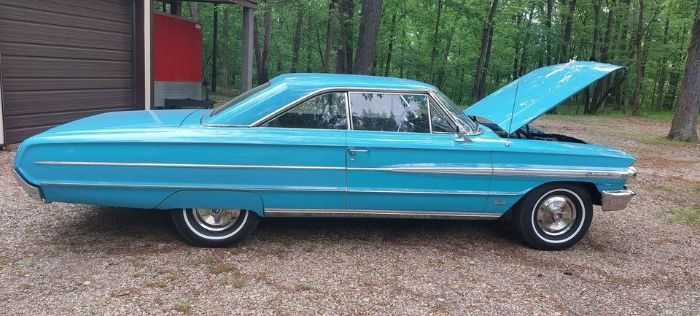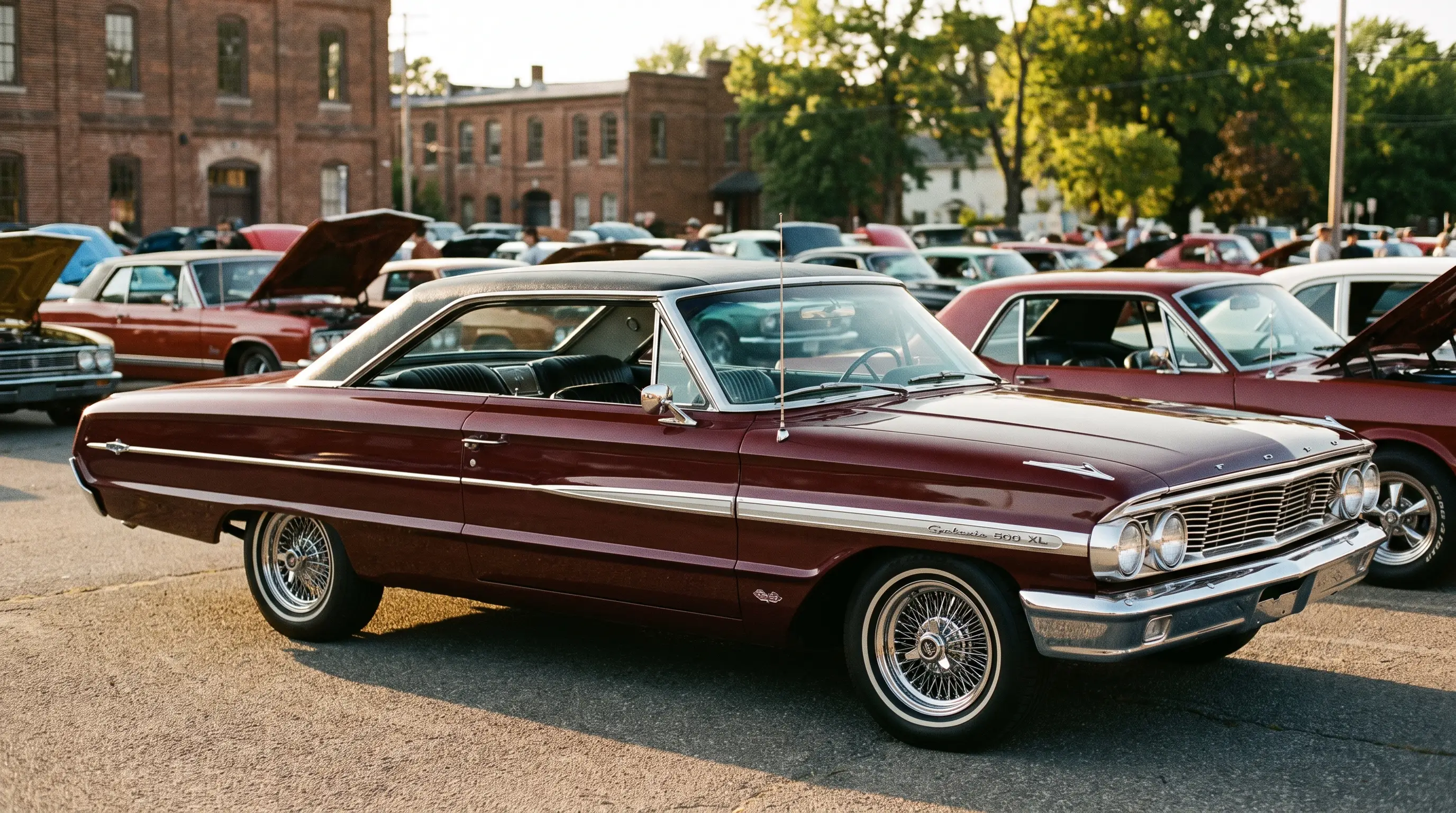
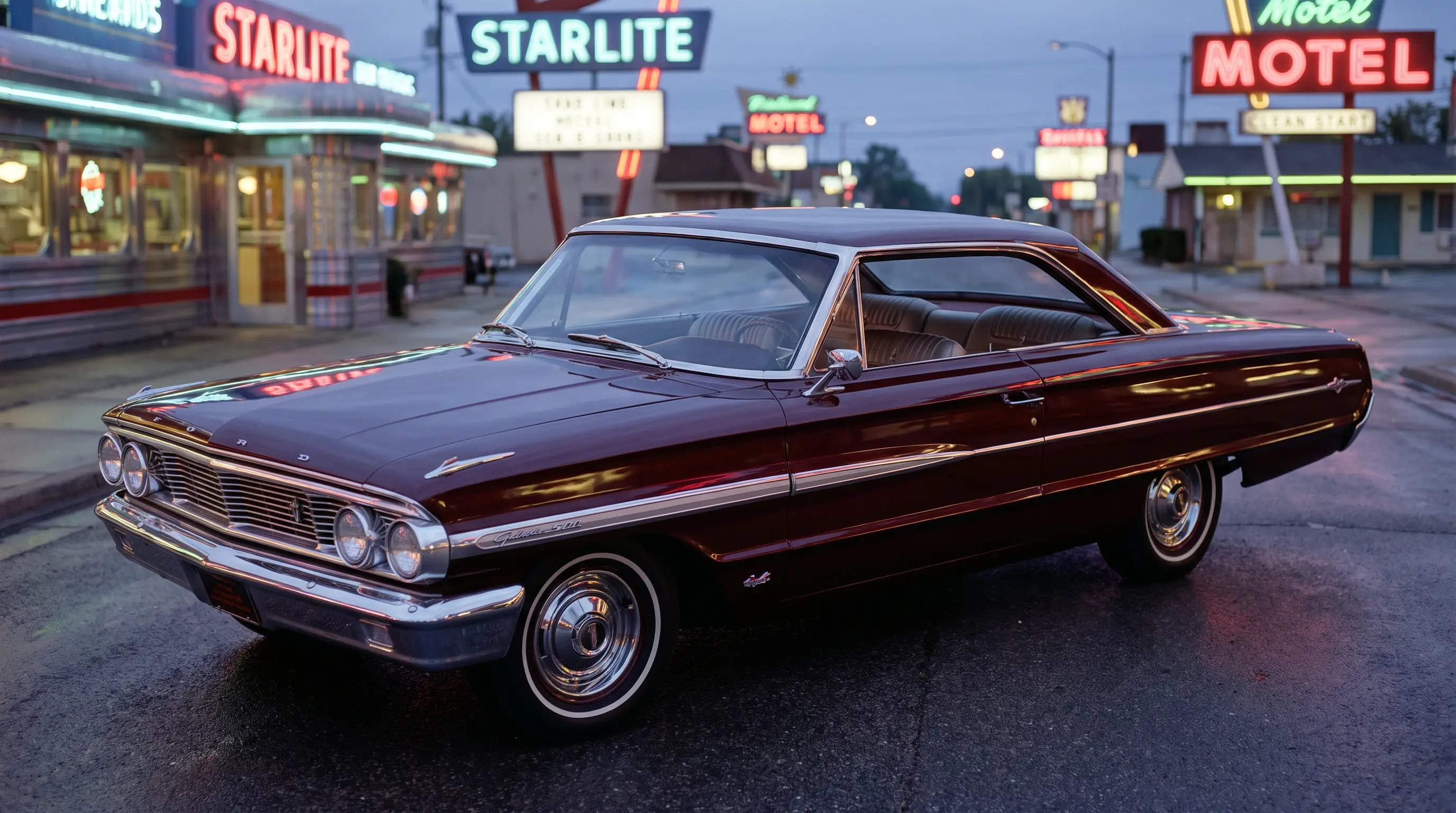
Watch enough film and television from the 1960s and you'll start spotting the same silhouette parked in the background of scenes it was never meant to steal. The ford galaxie 500 xl in pop culture story isn't one big Hollywood moment, it's a slow accumulation of appearances, a car cast again and again as the vehicle of a certain kind of American, upwardly mobile, a little flashy, never quite as wealthy as the Cadillac owner down the block but determined to look the part anyway.
The car Hollywood reached for without thinking
Production designers in the 1960s didn't need to make a statement casting a Galaxie 500 XL in a film or TV show. It was simply everywhere, a common enough car on American roads that using one signaled ordinary upper-middle-class life rather than anything exotic. That's actually the more interesting kind of pop culture presence. The 500 XL rarely got the hero shot. It got the driveway shot, the parking lot shot, the car a detective leans against while questioning a witness. Its cultural footprint is built from thousands of small, uncredited appearances rather than one famous scene.
That ubiquity is exactly why the car reads as period-authentic now. Filmmakers working on shows set in the 1960s still reach for a Galaxie or a close full-size Ford relative when they want a background car that doesn't distract from the actual story, because audiences absorbed that silhouette passively for years without ever consciously cataloging it.
What the XL signaled about its driver on screen
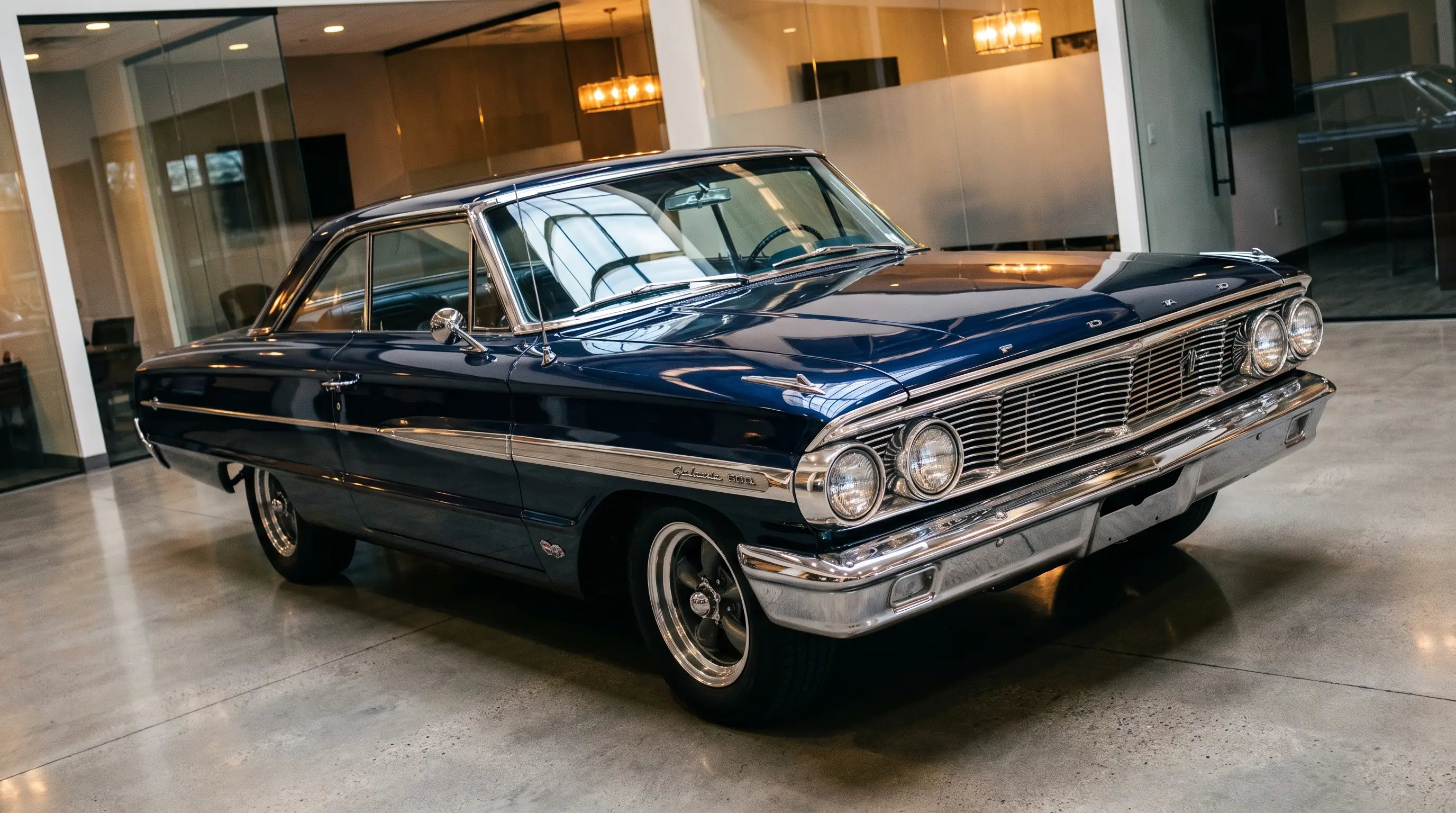
When a 500 XL did get more screen time than the average background car, it usually said something specific about the character behind the wheel. Bucket seats and a console read as a driver with some disposable income and a taste for looking sporty without going full sports car, a middle manager, a young professional, someone positioning themselves just above their actual station. Writers and directors didn't need dialogue to communicate that. The car did it for them, the same shorthand advertisers had built into the XL's marketing in the first place, just repurposed for storytelling instead of selling.
Color choice mattered in this shorthand as much as the body style did. A 500 XL in a bright, confident color read differently on screen than the same car in a conservative black or dark green, and set decorators of the era understood that distinction well enough to use it deliberately. A flashy character got the brighter car. A more buttoned-down character, even one driving the same model, got a subdued color that toned the sportiness down without changing a single mechanical spec. That's a level of visual storytelling most audiences never consciously noticed, but it worked on them anyway, which is exactly the point of good production design.
Television in particular leaned on the full-size Ford's flexibility. A single 500 XL could serve as a detective's personal car in one scene and a suspect's getaway vehicle in another, simply by changing the lighting and the actor behind the wheel. Studios kept fleets of common, era-appropriate cars precisely because a Galaxie didn't call attention to itself the way a more exotic model would have, letting the same handful of cars appear across dozens of episodes without viewers registering the repetition.
Music, magazines, and the wider cultural footprint
Beyond film and television, the 500 XL slipped into the broader visual language of the era through magazine ads, product placement in lifestyle photography, and the general cultural association between Ford's Total Performance push and youthful, aspirational living. Print advertising for the car leaned into a specific fantasy, weekend trips, a confident young family, a driver who wanted to be seen as active and a little bit sporty. That imagery got absorbed into the wider pop culture of the decade even outside any specific film or show, simply through repetition in magazines that millions of Americans read every week.
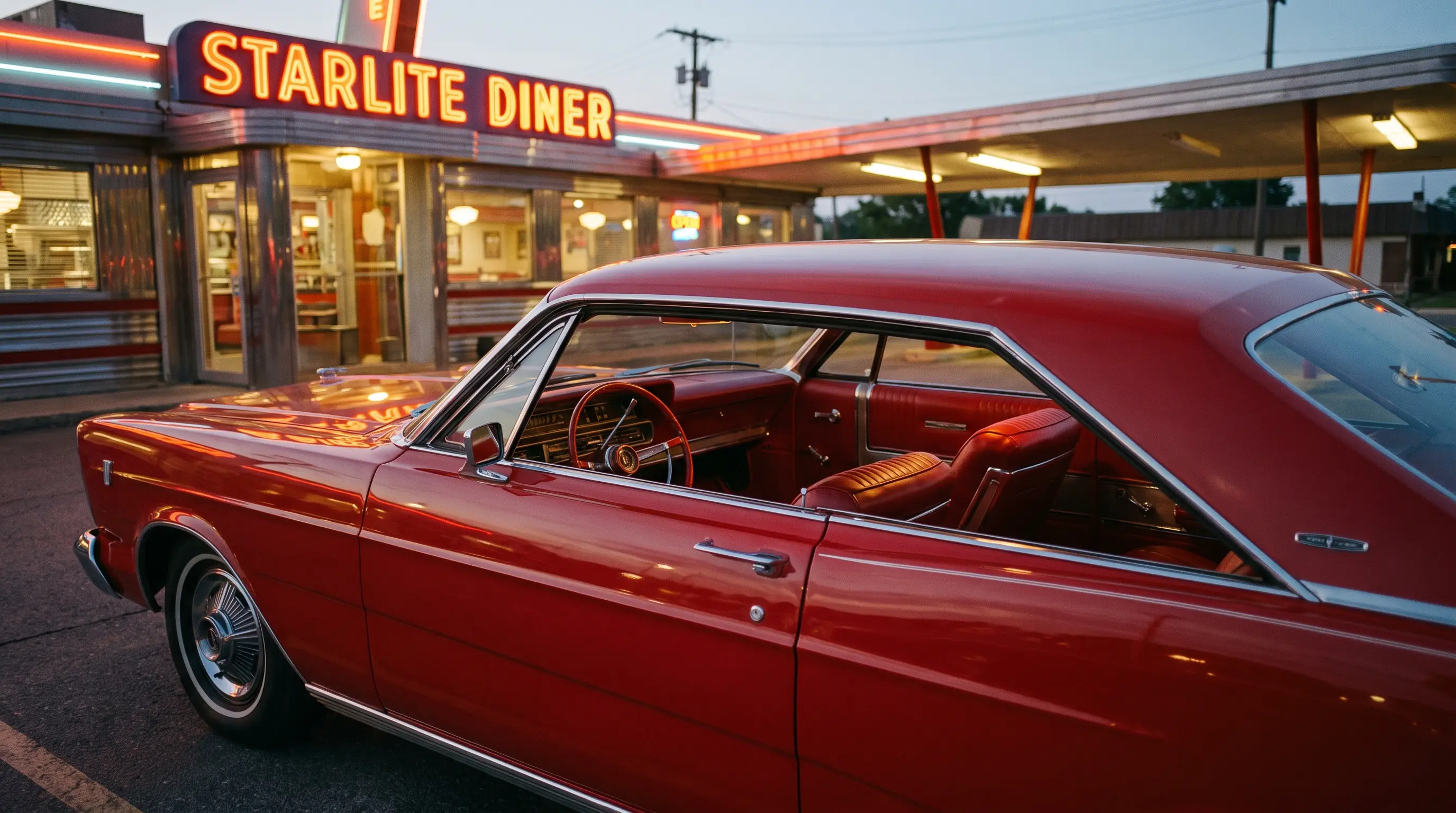
Automotive magazines of the era reviewed the 500 XL alongside its competitors, and those reviews carried their own cultural weight, shaping how a generation of readers thought about what a sporty full-size car should look and feel like. A road test with a photograph of the car parked outside a diner or alongside a marina did as much cultural work as any film cameo, planting an image of a certain lifestyle in the reader's mind that had little to do with the actual driving experience underneath. Decades later, those same photographs circulate again through collector forums and social media accounts dedicated to period Ford advertising, keeping the visual association alive for an audience that never saw the original print run.
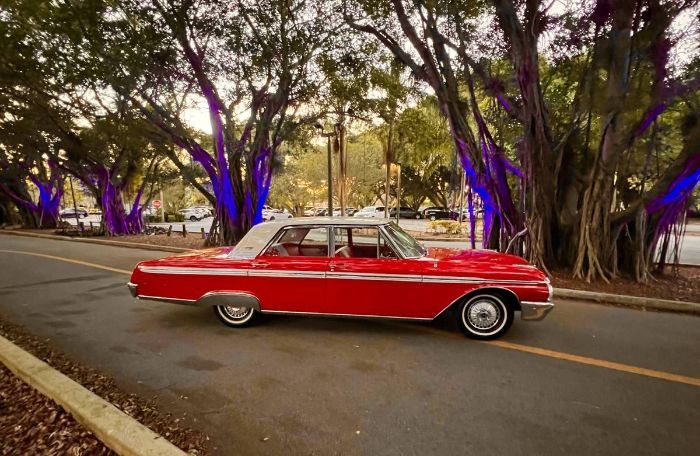
Regional car culture added its own layer too. In cities with strong custom and lowrider scenes, full-size Fords including the 500 XL occasionally got pulled into that world, reworked with different wheels, paint, and stance while keeping the factory bones recognizable underneath. That crossover into custom culture broadened the car's cultural footprint beyond its original marketing intent, giving it a second life in scenes Ford's own advertising department never anticipated when the car was new.
Owners who want our complete history of the model often come to it first through one of these cultural touchpoints, a car they half-remember from an old movie or a photo in a parent's scrapbook, long before they learn the details of the console layout or the engine options underneath.
"Half the reason people fall for this car isn't the spec sheet. It's a half-remembered image from a movie their dad watched, a background car that somehow stuck in the memory better than the actual plot."
- Patrick Walsh
Why the pop culture presence still matters to collectors
That accumulated screen presence, background or otherwise, feeds directly into how people feel about the 500 XL today. Collectors and casual fans alike carry a nostalgic association with the shape and stance of these cars that isn't tied to any single famous appearance but to a general sense of period authenticity. It's part of why the car keeps showing up at cruise nights and period-themed car shows, an easy, recognizable stand-in for an entire decade's aesthetic without needing a famous name attached to explain why it belongs there.
If that nostalgic pull has you wanting one of your own, there's usually a decent selection if you browse classic Galaxie listings for a car that carries the same look people remember from the screen, whether or not the specific example you find ever appeared in anything more than someone's family photos.
That's arguably the truest legacy this car has. It didn't need a single iconic film role to earn its place in the culture. It earned it the slower way, showing up again and again in the background of everyday American life until the shape itself became a kind of shorthand for an entire decade.