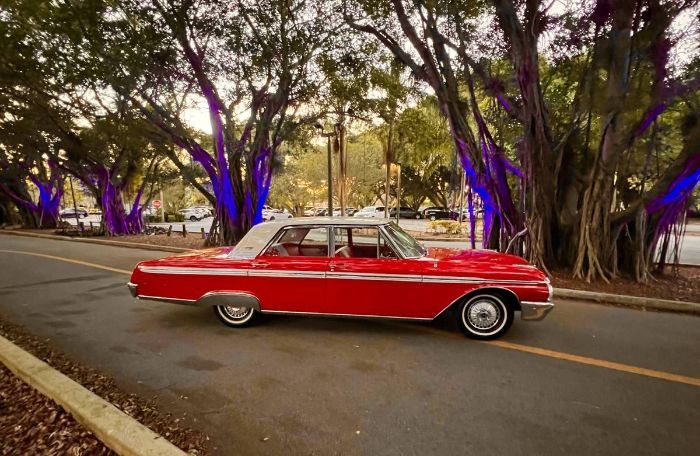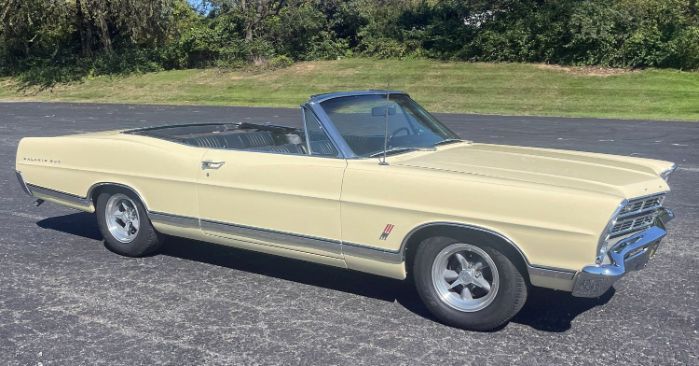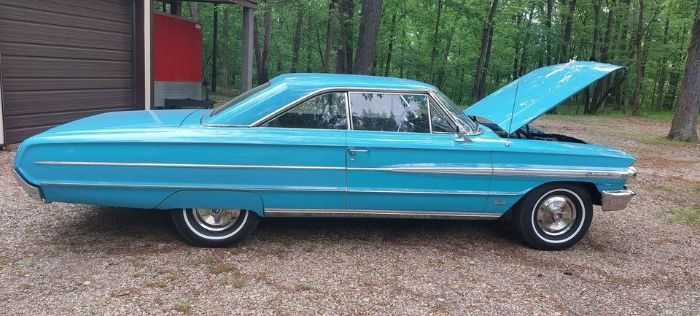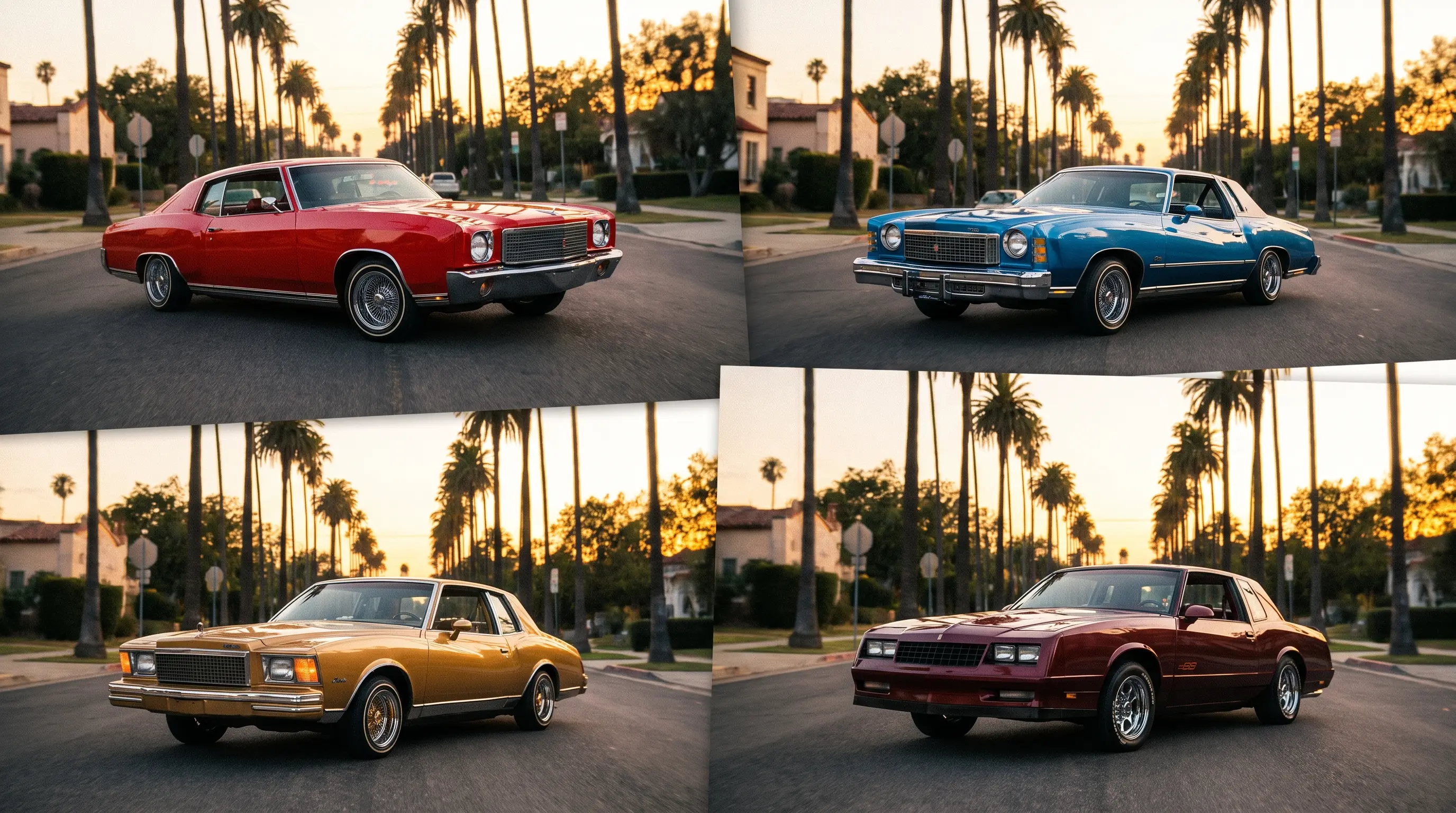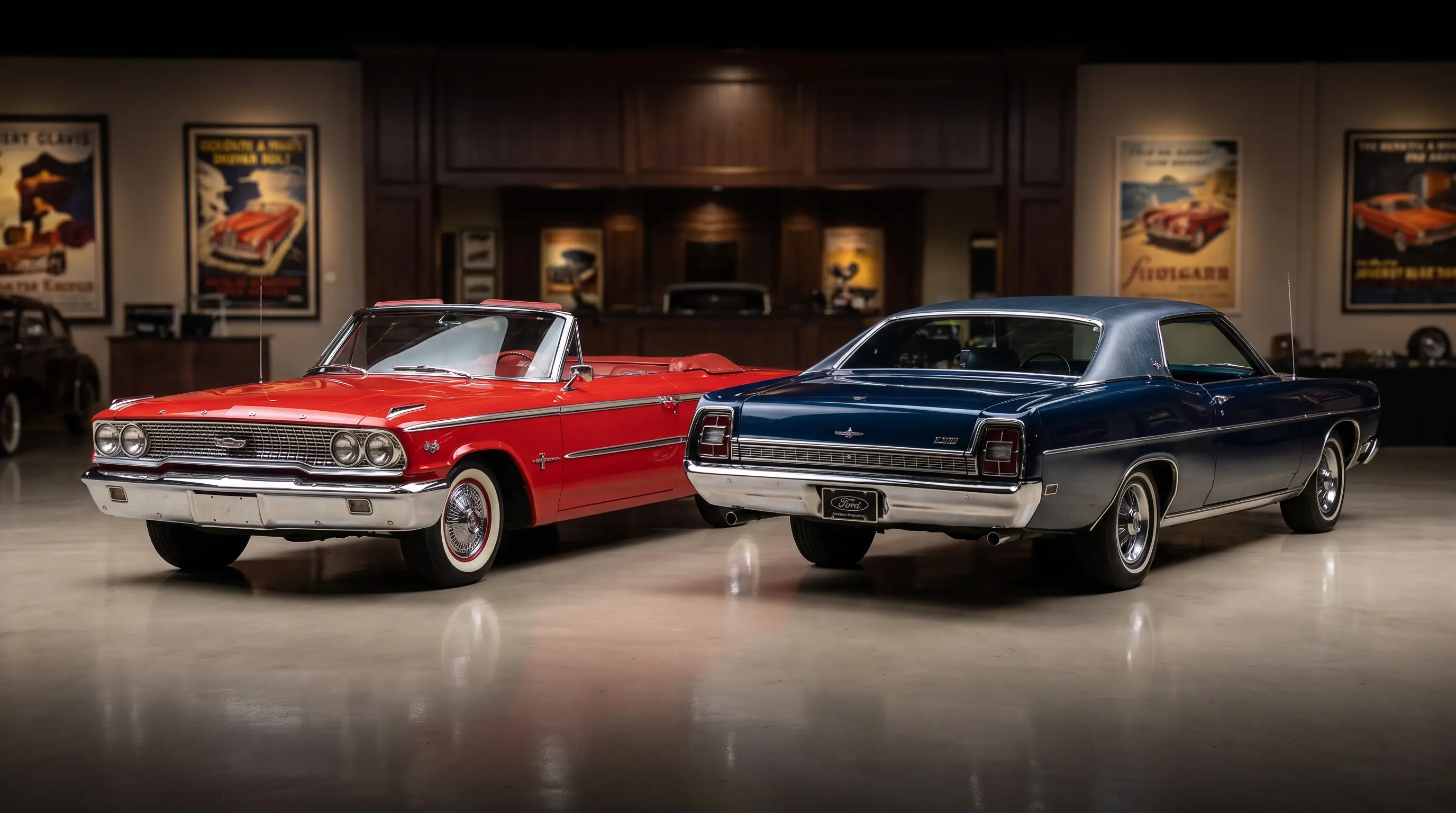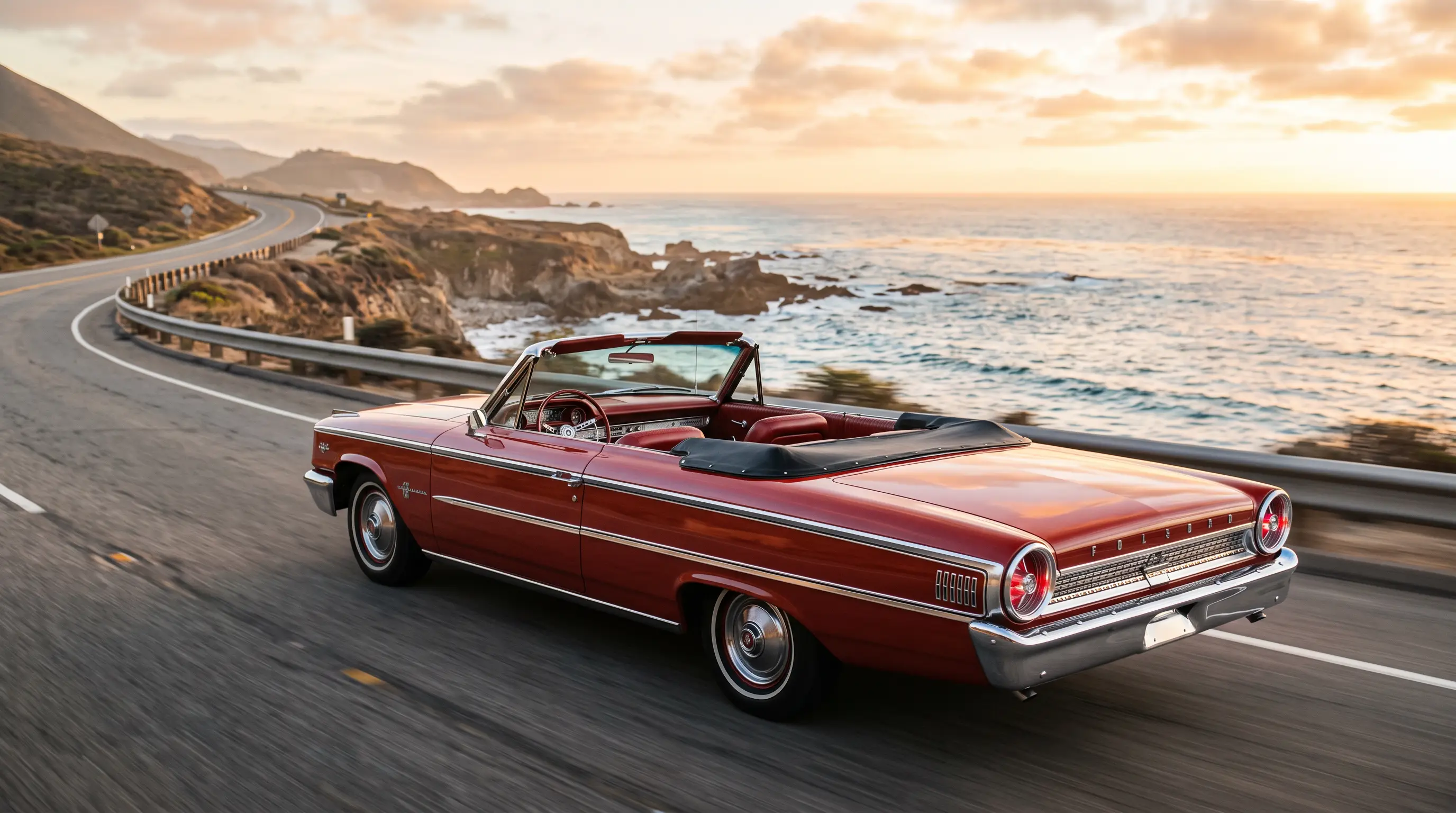
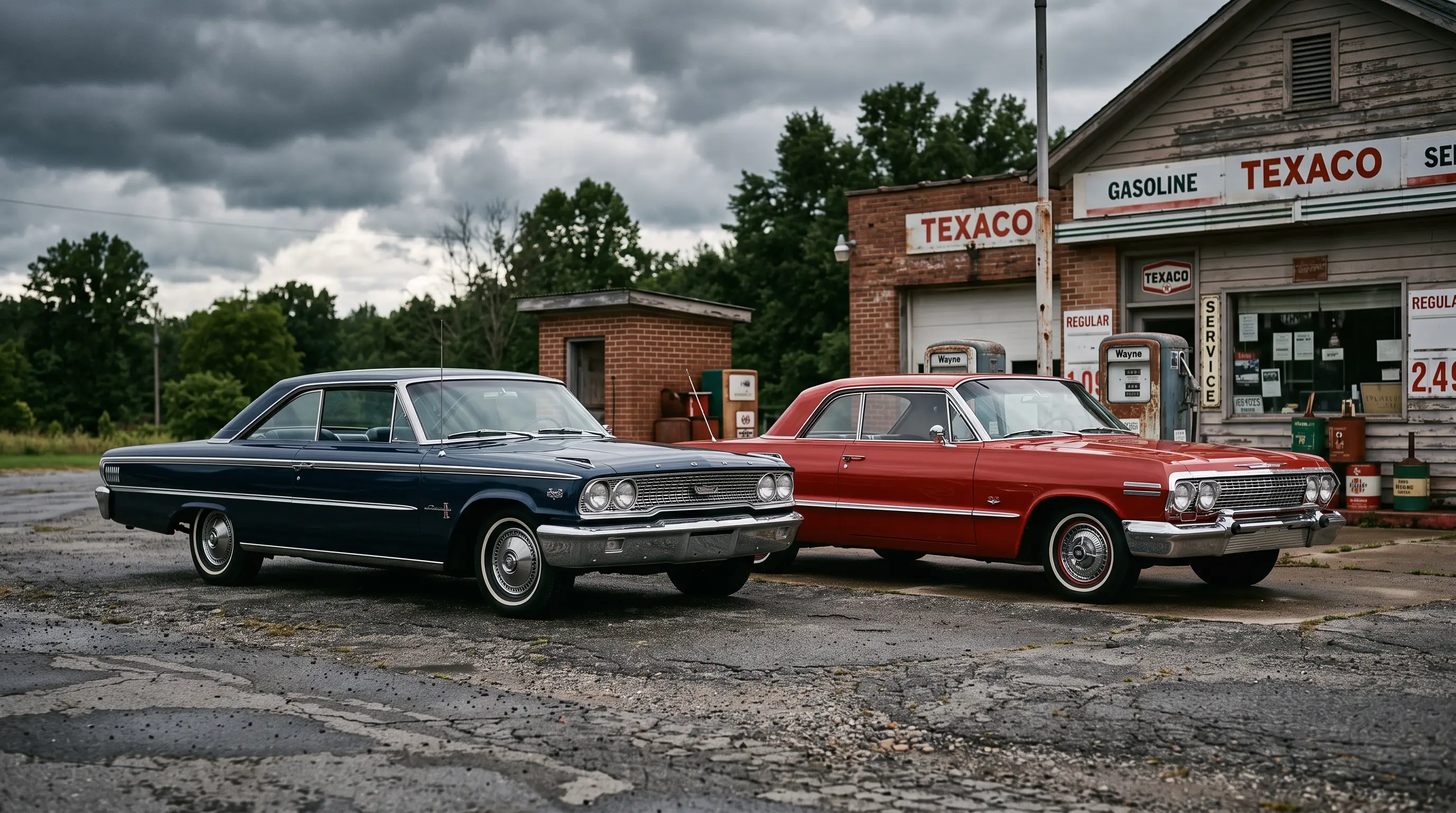
There's a guy at our regional cruise-in who parks his Wimbledon White Galaxie 500 XL directly across the aisle from a buddy's Impala SS every single meet, and neither one of them will admit which car actually wins the argument. That friendly standoff is basically ford galaxie 500 xl vs impala ss in miniature, and it's been playing out at car shows and dealer lots since the early 1960s, when Ford and Chevrolet decided full-size buyers deserved a sportier option without giving up their family car.
Two answers to the same question
Chevrolet got there first with the Impala SS, launching in 1961 and quickly establishing itself as the bucket-seat, console-equipped full-size car to beat. Ford's response, the Galaxie 500 XL, arrived a year later in 1962 with a similar formula: bucket seats, console, extra brightwork, and a badge that told the neighbors you paid a little more for a little more style. Both packages let a buyer keep a genuinely practical family car while adding the visual and interior cues of something sportier, and both companies leaned hard on that pitch in period advertising.
My buddy with the Impala likes to point out Chevrolet had the head start, and he's not wrong about the calendar. But being first isn't the same as being better, and Ford spent the years after 1962 refining the XL package in ways that kept it competitive right through the decade.
Where the two cars actually differ
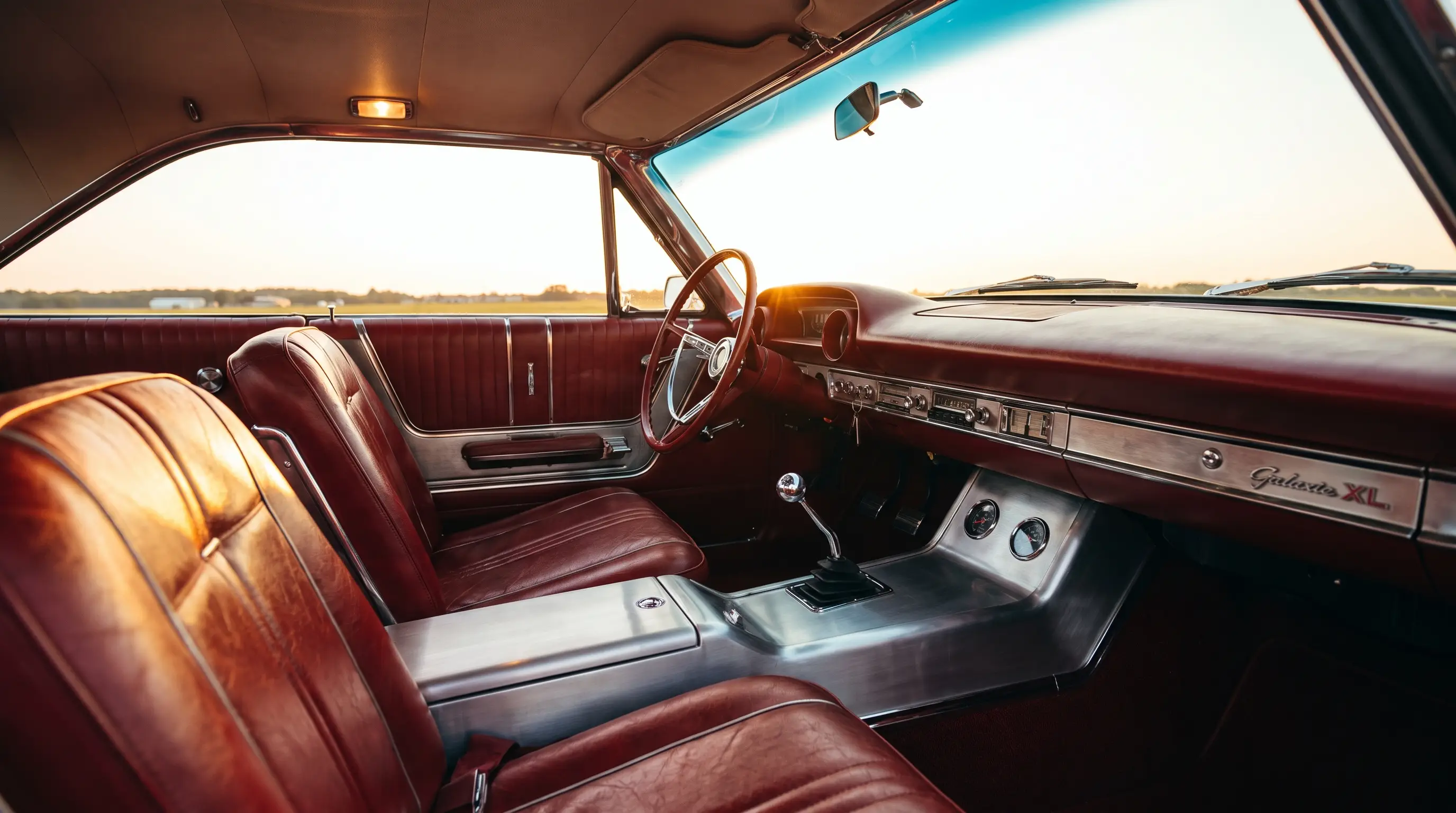
Underneath the shared formula, the cars feel different in ways regular club members debate constantly. Ford's Galaxie carries a slightly more formal, upright stance next to the Impala's lower, sleeker roofline in most model year comparisons, and that difference shows up in how the cars photograph at a show. Interior details diverge too. Ford's bucket seats through the XL's run tended toward a firmer, more upright bolster, while Chevrolet's Impala SS buckets in certain years leaned into a lower, more relaxed lounge feel.
Engine options tell their own story. Both manufacturers offered a wide spread from mild six-cylinders up through genuine big-block muscle, and both put their flagship performance engines, Ford's 427 and Chevrolet's 409 and later 396, into cars that could be dressed up with the sport trim package if a buyer wanted both look and speed in one order. Neither company sold huge numbers of that specific combination, which is exactly why documented big-block SS and XL cars both command serious money today.
What the club circuit actually thinks
Ask ten people at a regional show which car they'd rather own and you'll get ten different answers, usually depending on which brand's cars they grew up around. Chevy people talk about the Impala's lines and the small-block-to-big-block flexibility. Ford people talk about the Total Performance era and the 427's NASCAR pedigree lending real weight to the XL badge. Neither argument is wrong, and that's kind of the point. These two cars were built to answer the exact same market demand, and Ford and Chevrolet both succeeded well enough that we're still arguing about it sixty years later at the same cruise-in.
What tends to settle the debate, if anything does, is whichever car in front of you has better documentation and a cleaner restoration. A well-preserved, honestly restored XL will out-argue a rough Impala SS every time, and vice versa. The badge matters less than the condition once you're standing next to the actual car instead of debating brochures.
I've watched newer club members walk up expecting a clean-cut answer to which car is better, and they usually leave more confused than when they arrived, in the best possible way. They start noticing details they'd never considered, the shape of a taillight lens, the stitching pattern on a factory seat, the sound a 427 makes at idle next to a 409. That's really what these club meets are for. Nobody's actually trying to declare a winner. We're trying to keep the argument going long enough that everyone learns something about both cars along the way.
"Nobody at our club has ever settled the Ford versus Chevy argument, and honestly, that's half the fun of showing up every month."
- Wayne Coburn
Sales figures never lie, even when club members do
Production numbers give a clearer answer than any argument at a cruise-in. Chevrolet moved a substantial volume of Impala SS cars through the early sixties, riding the head start and the brand's broader full-size sales dominance during the period. Ford's XL numbers ran behind that pace for most of the decade, which is part of why Ford kept revising the package almost annually trying to close the gap. Neither company published XL or SS production broken out with perfect precision by every body style and engine combination, so club researchers still argue over exact figures for specific model years, but the broad pattern is clear enough: Chevrolet outsold Ford in this segment more often than not.
That production gap has an odd effect on today's market. Lower Ford volume in some years means genuinely correct XL cars are scarcer than a straight sales comparison might suggest, even though the Impala SS carries more brand recognition among casual buyers who never cross-shopped the two nameplates directly. A knowledgeable buyer willing to do the homework on Ford's side of this rivalry sometimes finds a rarer car for less money than the equivalent Chevrolet, simply because fewer people are actively searching for it.
Why both belong in the same conversation today
Collectors shopping this segment do themselves a favor by cross-shopping both nameplates rather than picking a side before they've looked at real cars. Prices move somewhat independently between the two, which means a buyer open to either badge sometimes finds better value simply by being willing to walk across the aisle at a show or a sale. The two packages were built to compete directly with each other, and that competition is still working in a buyer's favor decades later.
For the fuller story on how Ford's side of this rivalry came together, where this started covers the XL package from its 1962 debut onward. Anyone ready to look past the show-field debate and shop an actual car can browse classic Galaxie for sale and see what's currently available.
Whichever badge you end up parking in your garage, the two cars belong to the same story. Ford and Chevrolet were both reading the same room in the early sixties, and both built something that still draws a crowd at a show field decades later. My buddy will keep insisting his Impala wins the argument, and I'll keep parking my XL right across from him every month, and neither of us is going to stop showing up anytime soon.