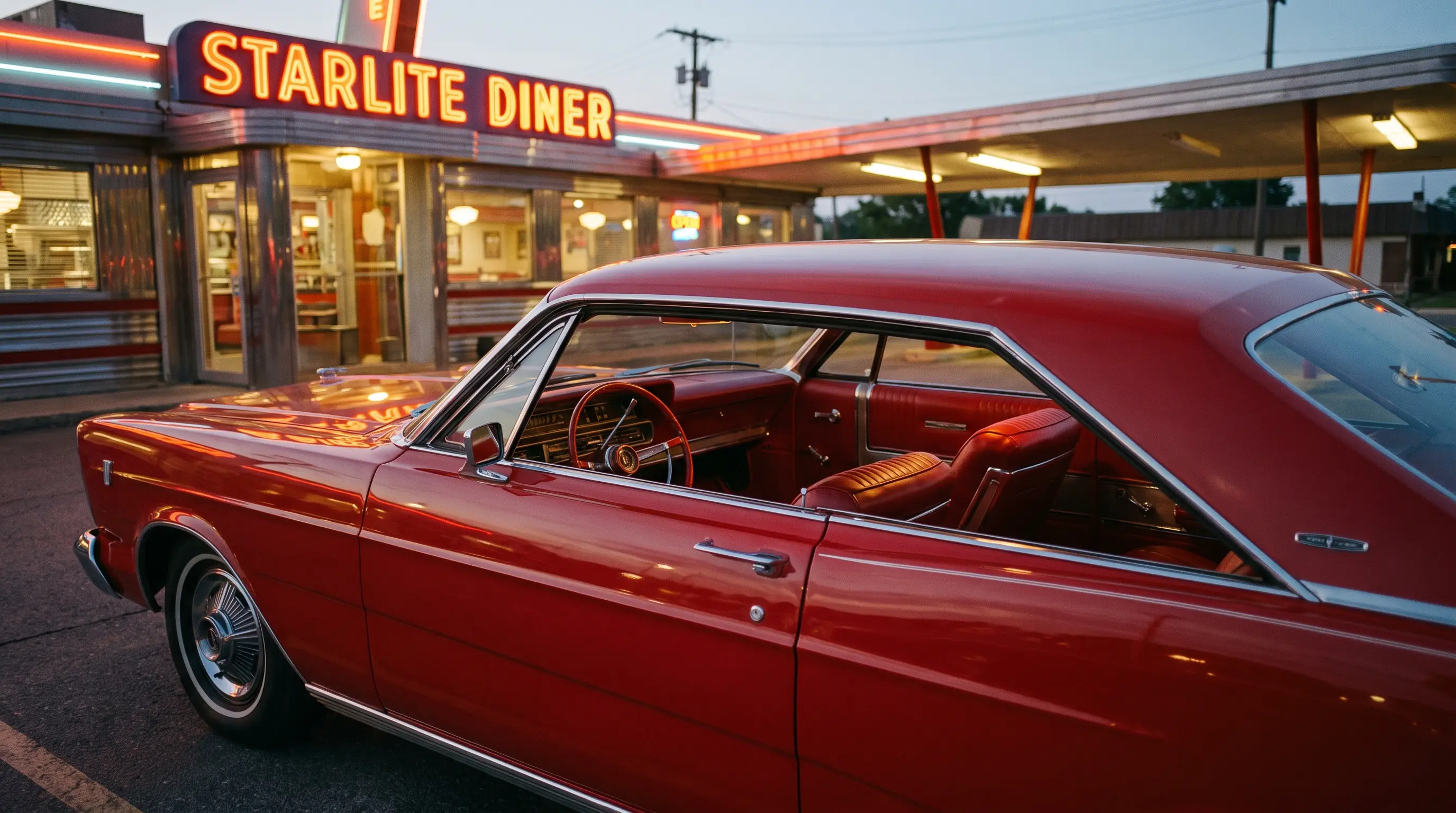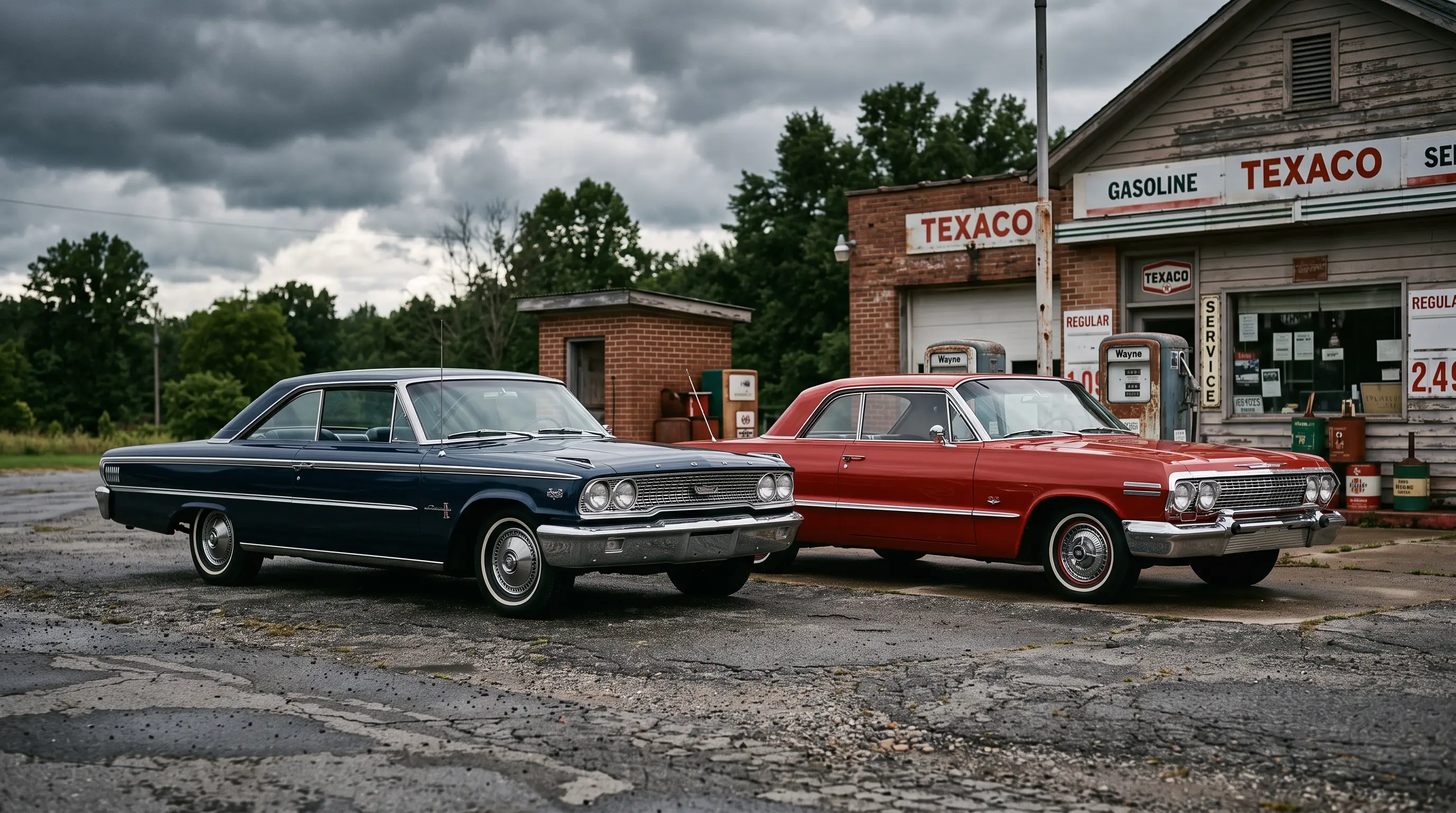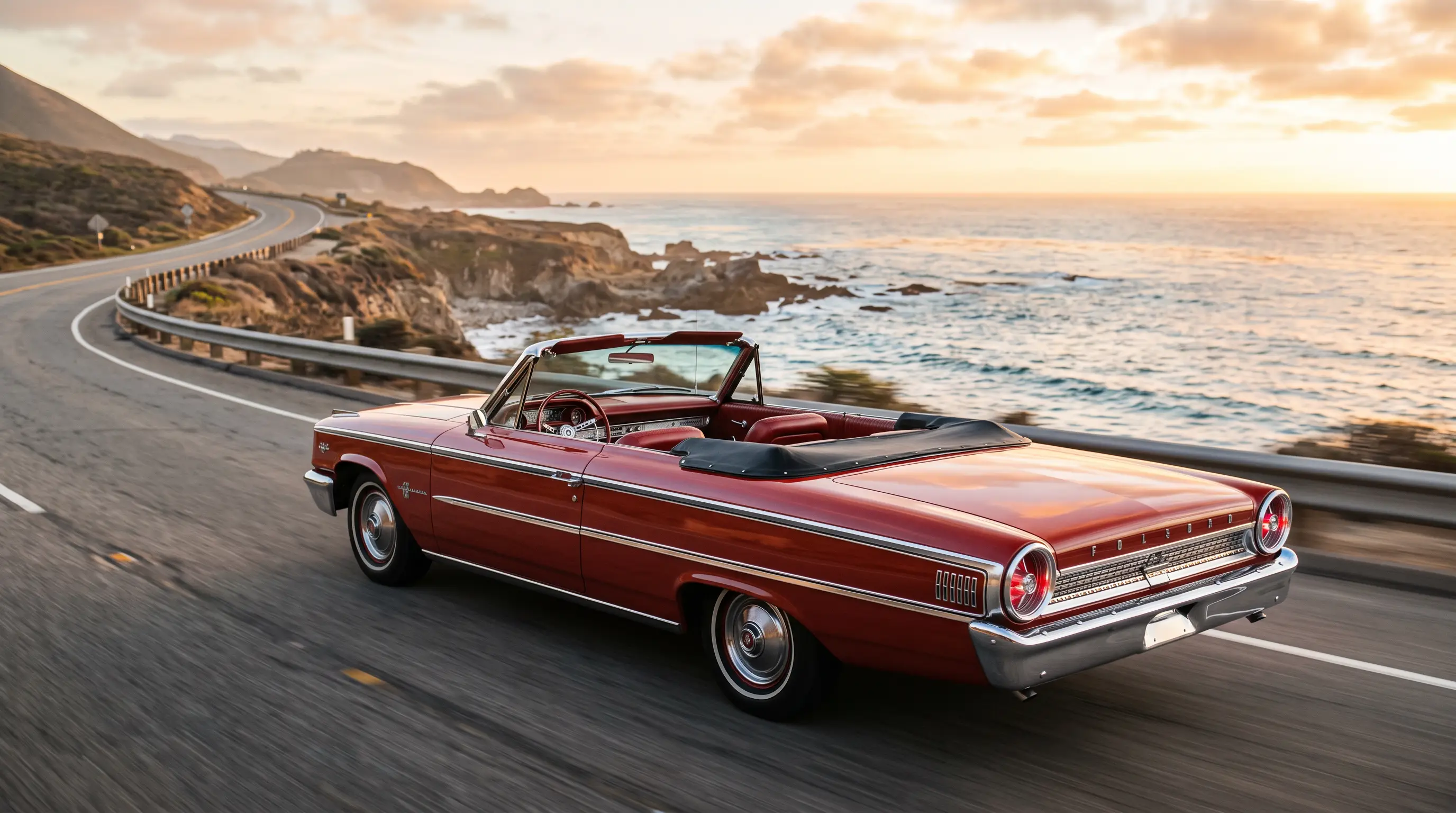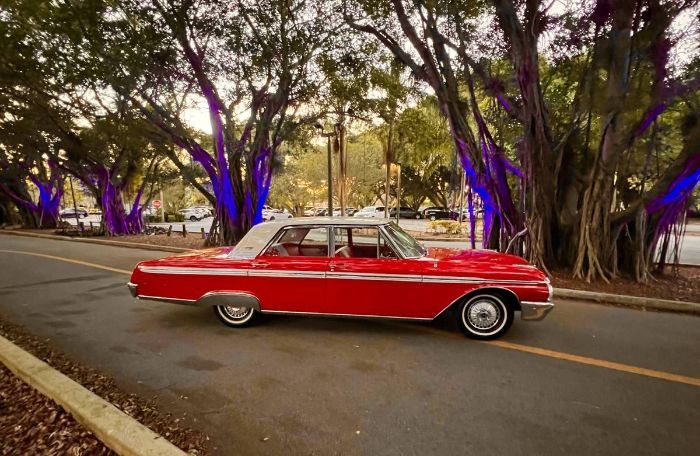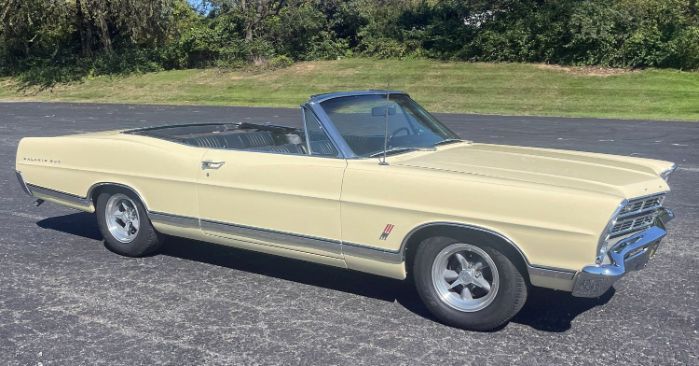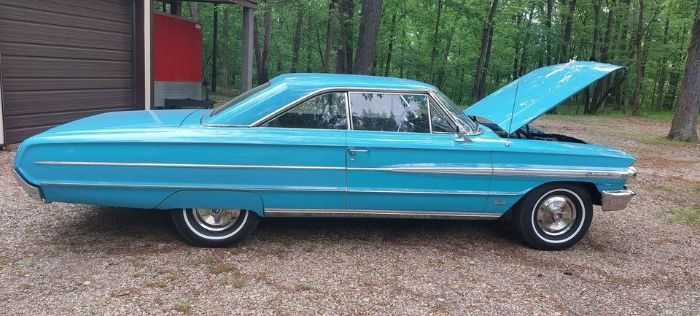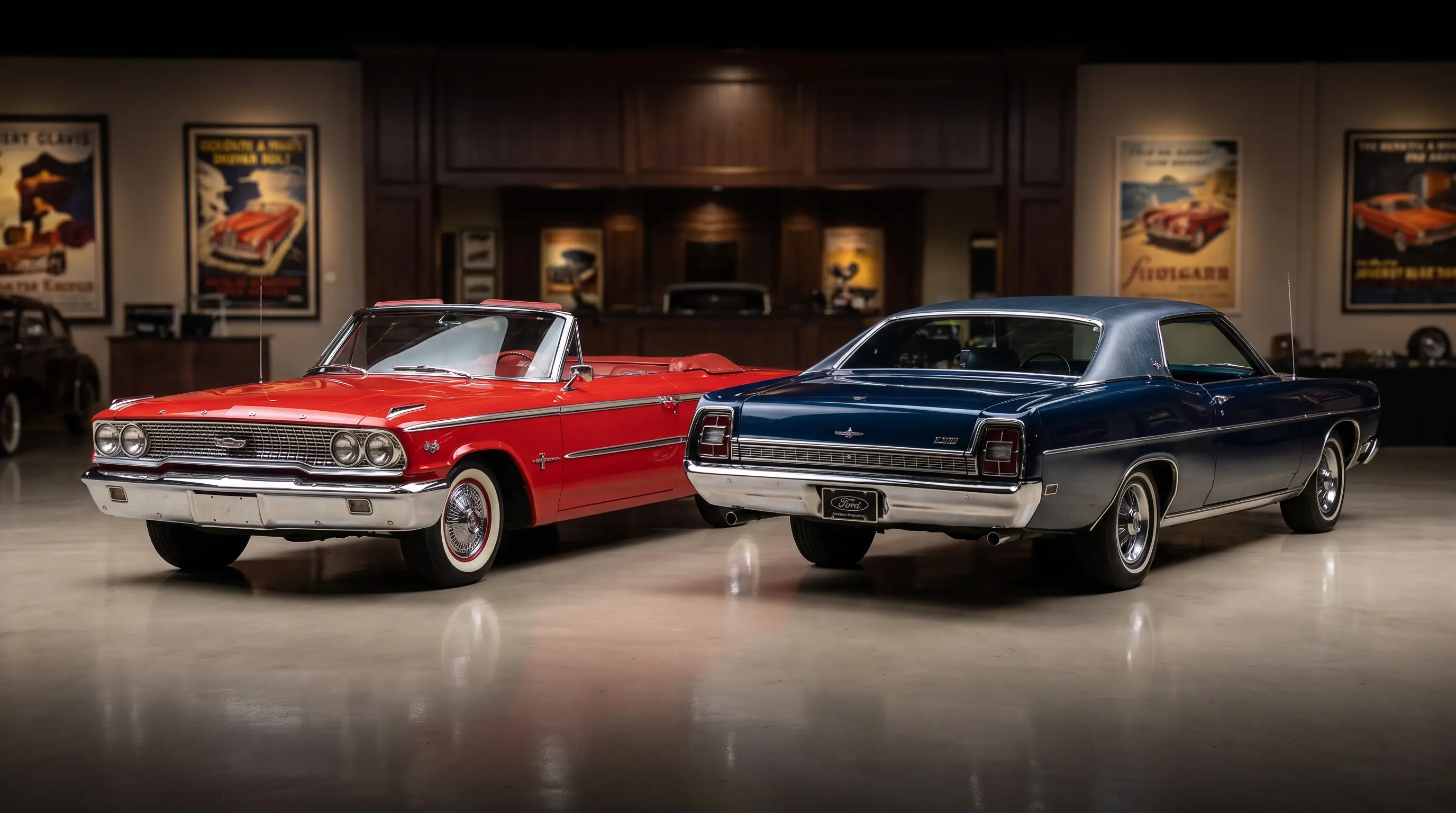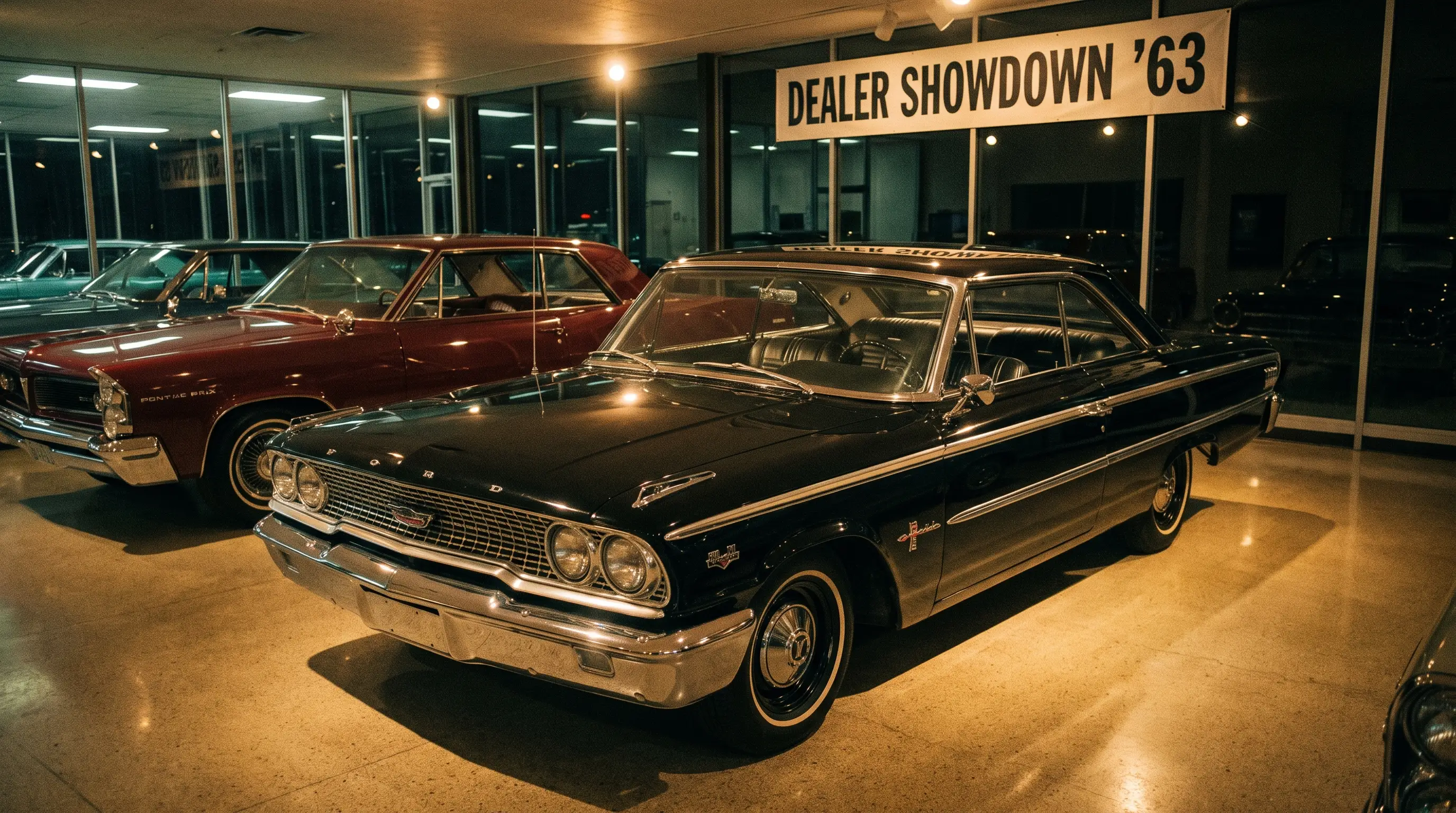
Two shops down from mine, a guy has been fighting the same argument with his neighbor for as long as I've had a wrench in my hand: ford galaxie 500 xl vs pontiac 2plus2, which full-size sport package actually deserved the money. Both cars showed up swinging in the mid-sixties, both promised buyers a family car that could still move, and both left behind a pile of cars that need real attention if you want one running right today.
Two different shops built two different answers
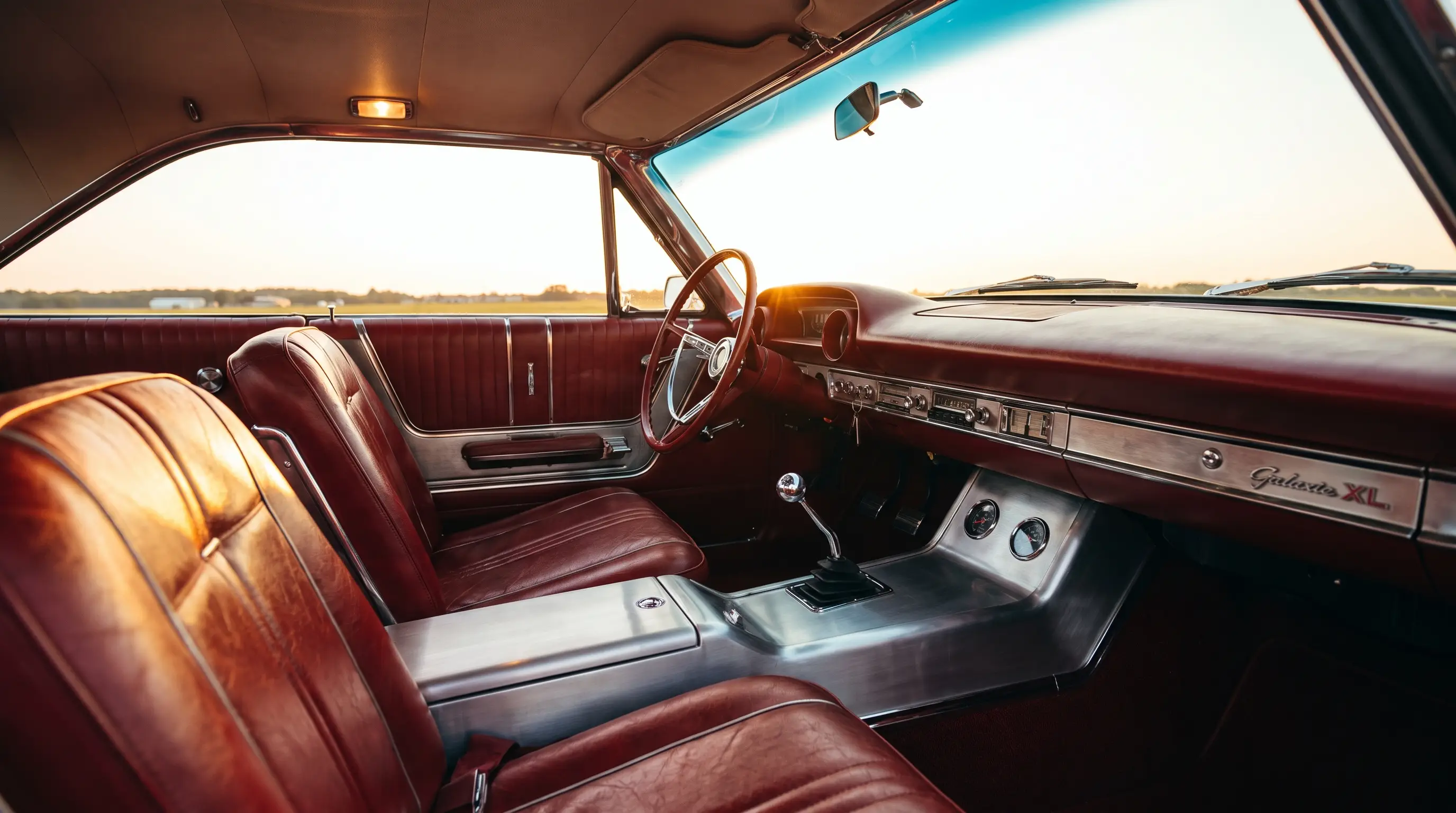
Ford's XL package started life in 1962 as bucket seats, a console, and extra trim on the Galaxie 500. Pontiac's 2 plus 2 came along a couple years later as its own answer to the same basic idea, a full-size Catalina dressed up with performance intent, bucket seats, and eventually some serious engine options to back up the looks. Pontiac leaned harder into the performance angle from the jump, which tracks given Pontiac's reputation during this era for building some of the hottest engines in Detroit.
Where the XL was fundamentally a comfort and style package that happened to be available with big engines, the 2 plus 2 read more like a performance package that happened to come with comfortable seats. That's a subtle difference on paper but it shows up in how the cars drive and how they were marketed at the time.
Under the hood, where it actually matters
Pontiac put its 421 into the 2 plus 2 package, and that engine had a real reputation on the street backed up by NASCAR and drag strip results both. Ford answered with the 427 in the Galaxie lineup, an engine with its own solid racing pedigree from the Total Performance era. Both engines will move a heavy car with authority, and both require the same kind of respect from a mechanic doing the work. Solid lifters need adjustment on a schedule, not when they feel like reminding you. Ignore that maintenance on either engine and you'll hear about it in the form of valvetrain noise long before anything actually breaks.
I've had both engines on my lift more times than I can count, and my honest opinion is neither one is meaningfully easier or harder to keep running right. They're both period-correct big-block engineering, which means parts availability depends more on how popular a specific engine code became with restorers than on anything inherent to the design. The 427 has a slight edge in aftermarket support these days simply because Ford built more of them across more model applications.
What actually breaks on these cars
Full-size cars from this era share a lot of the same wear patterns regardless of badge. Suspension bushings dry out and crack after decades sitting in a garage or, worse, sitting outside. Brake systems from this period were never great to begin with, and forty-plus years of neglect makes them worse. Console-equipped interiors, whether Ford or Pontiac, tend to have more brittle plastic trim pieces than their bench-seat siblings, because the extra pieces mean more parts that can crack, fade, or simply disintegrate from decades of sun exposure through a windshield.
Buyers looking at either car should crawl underneath before believing anything a seller says about how it drives. A car that "runs great" from someone who hasn't actually driven it past the end of the driveway in a decade is a different animal than one with a real, recent shakedown behind it. That's true whether you're looking at a Galaxie 500 XL or a Pontiac 2 plus 2, and it's true of pretty much every full-size car from this era regardless of what badge is on the fender.
"Both engines will run fine if somebody's kept up with them. Neither one will forgive a decade of neglect. Check the maintenance history before you fall for the badge."
- Mike Sullivan
How the two nameplates aged in reputation
Pontiac's whole brand identity through the sixties leaned on performance in a way Ford's full-size lineup never quite matched, and that reputation stuck to the 2 plus 2 long after production ended. Guys my age grew up hearing about Pontiac's engineering department pushing the envelope on horsepower figures, and the 2 plus 2 inherited that halo even though plenty of them left the factory with milder engines that never got anywhere near the top of Pontiac's performance catalog. The XL never carried quite the same street reputation, in part because Ford spread its performance image across the whole Galaxie line through the 427 rather than concentrating it in one specific trim package.
That difference in reputation shows up at swap meets and shows even now. A 2 plus 2 badge draws a certain crowd expecting to hear a story about horsepower, while an XL badge draws people expecting to hear about trim levels and comfort options first, performance second. Neither expectation is entirely fair to either car, since both were built across a wide spread of engine options, but reputations built in period advertising and word of mouth don't fade just because the actual production numbers were more nuanced than the marketing implied.
Which one's actually the better buy
Honest answer: it depends more on what a specific car has had done to it than on which nameplate is stamped on the trunk lid. A well-maintained 2 plus 2 beats a neglected XL every day of the week, and the reverse is just as true. If you're choosing purely on the merits of the packages themselves, the 2 plus 2 leans slightly more performance-focused out of the box, while the XL leans slightly more toward comfort with performance as an option rather than the headline. Neither answer is wrong. It comes down to what you actually want to do with the car once you own it.
For more on how the XL package developed on Ford's side of this rivalry, the full story covers the trim line in depth. If you're ready to start looking at real cars instead of arguing about badges, browse classic Galaxie listings and see what's out there worth a closer look.
My honest bottom line after years of having both under the lights in my shop: buy the car, not the reputation. A rough 2 plus 2 with a great story is still a rough car, and a clean XL nobody's heard of is still a clean car. Reputation gets you conversation at a show. Documentation and maintenance history get you a car that actually runs the way it's supposed to. Keep that straight and you'll do fine no matter which badge ends up in your garage. Ask for records, ask for a real driving test, and don't let a good story talk you out of due diligence you'd insist on for any other car twice its age.