
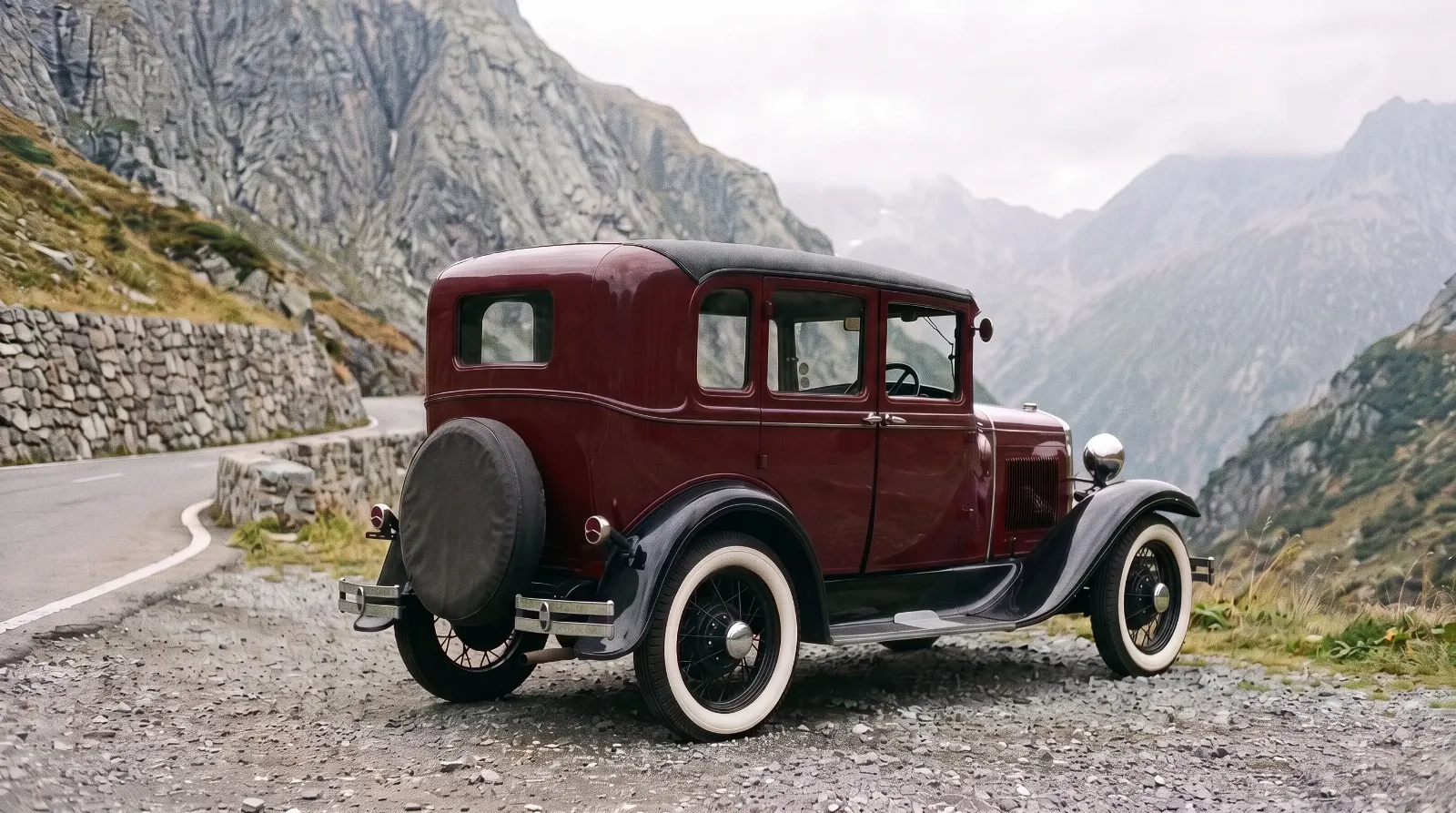
Ford Model A restoration did not start with a catalog, a reproduction body or a rulebook. It started with people who owned worn-out cars and wanted them to run, and who found out quickly that nobody had written down how they were supposed to look. The hobby spent the next seventy years filling in that blank. It formed clubs with the word "Restorers" in their names, printed a magazine, got small machine shops to make parts again, and argued its way to a 590 page book on what correct means. Here is how that happened, and what it means for anyone buying or rebuilding a Model A in 2026.
Car Features
7 min read
Model A Restoration: How the Hobby Learned to Rebuild Them
From the 1952 Restorers Club to a 590 page rulebook: how Model A owners found parts, researched details and learned to rebuild the cars right.
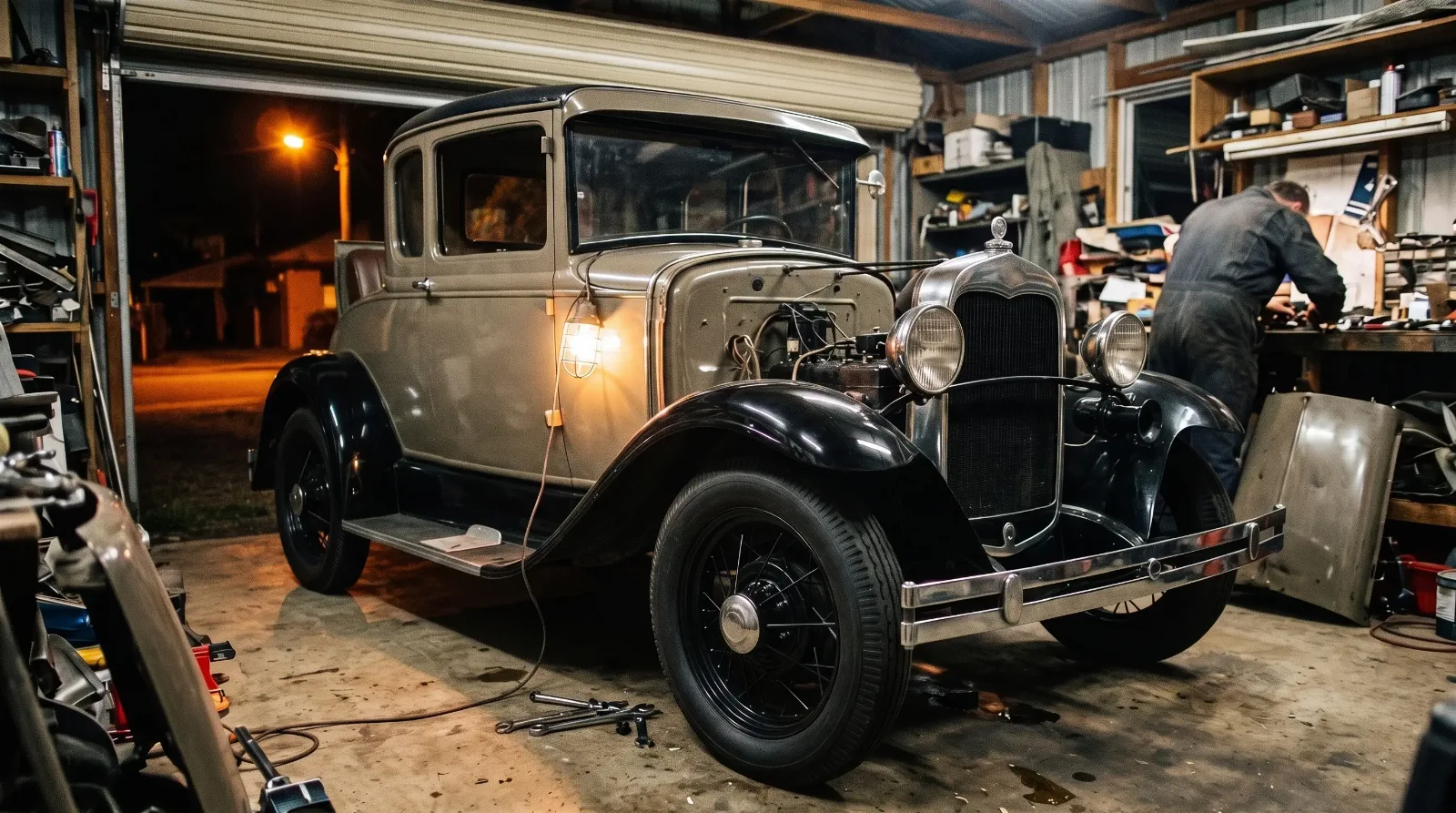
The clubs that put restoration in their names
Both national Model A clubs were founded as restorers' clubs. The Model A Restorers Club, MARC, formed in 1952 in West Hartford, Connecticut. In October 1955, Art Grow met with owners in Southern California to start a MARC regional club, and that group called itself the Model A Restorers Club of Southern California. It became the Model A Ford Club of America, MAFCA, and in May 1956 it put out the first issue of its magazine. The title was The Restorer. It still comes out every two months.
The names tell you what the members were doing. In the early 1950s a Model A was a used car, not an antique. Plenty were still on the road, worn and patched. The people who joined those clubs were the ones who wanted to put a car back the way Ford built it, and they needed each other because the information lived in old parts books, dealer manuals and the memories of mechanics who had worked on the cars new. For the clubs and museums as they stand today, there is more on that here.
Parts: from junkyards to reproduction suppliers
The first restorations ran on used parts. That works until a part wears out on every car at once, and then somebody has to make a new one. The small suppliers that grew up in the late 1950s did exactly that. Snyder's Antique Auto Parts in New Springfield, Ohio, was started by Don Snyder Sr., and its first product was a small carburetor spring for the Model T. The company says it has served the hobby since 1959. That is how the parts trade began: one little part that nobody else made, then the next one.
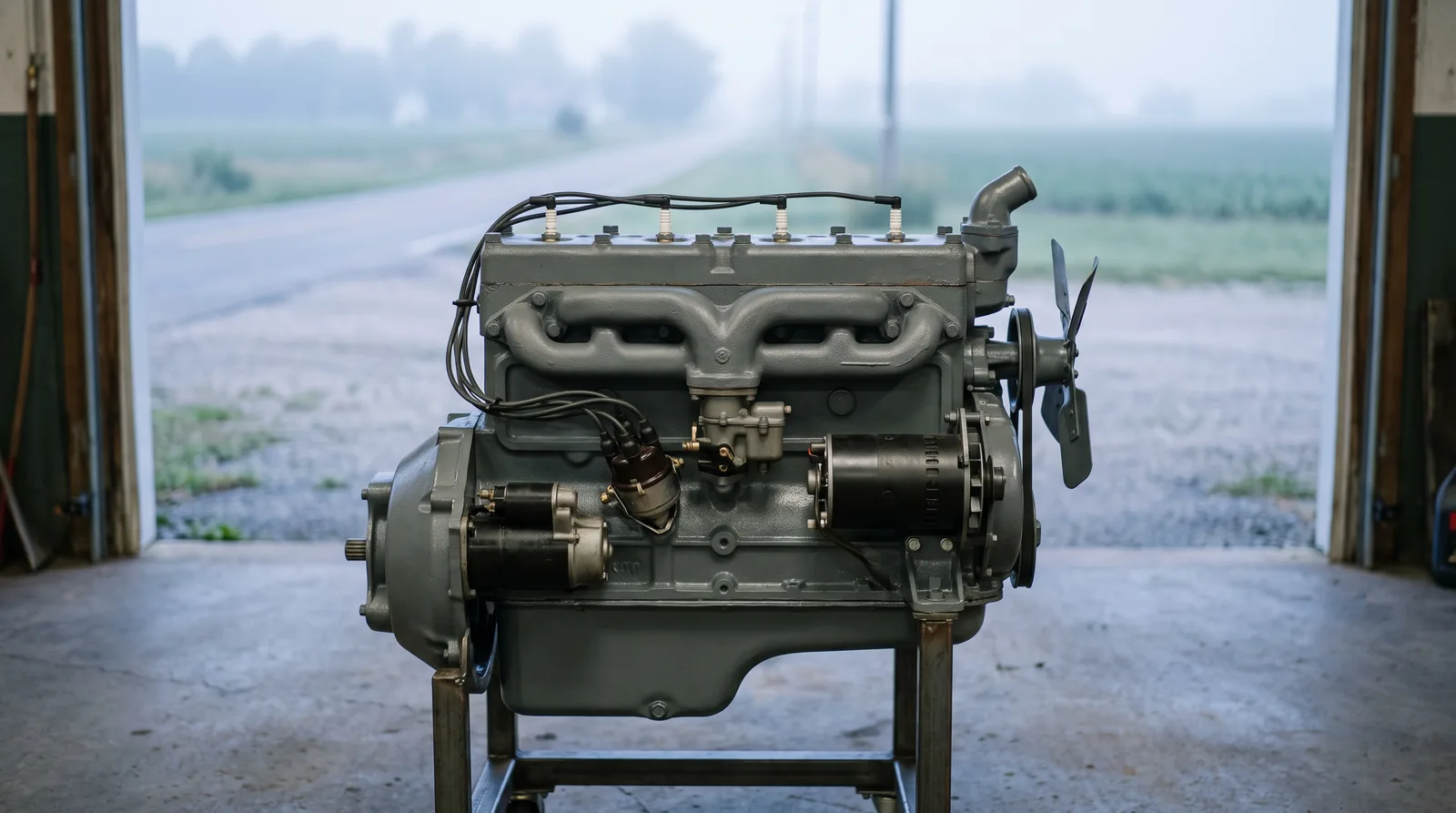
The Model A made that work easier than most old cars do. Ford built it in very large numbers, about 4.85 million in all, and the parts count is large too, more than 6,800 pieces against about 5,000 for the Model T. High volume meant plenty of cores to rebuild and a big enough market for reproductions. By the late 2000s a MAFCA chapter flyer could tell newcomers that reproduction bodies, fenders, and rebuilt engines and transmissions were all available from specialty suppliers. The same flyer said some estimate that 250,000 Model As still exist, complete or in pieces.
Learning what correct looks like
Parts were only half the problem. The other half was knowing which part belonged on which car, in which month. Ford made running changes to the Model A all through production, and owners had to sort out which ones applied to their car. The clubs worked it out themselves. One example: the early cars used a left-side emergency brake lever and a single rear brake system. Owner questionnaires collected through The Restorer placed the changeover between June 10 and June 22, 1928, between engine numbers A-155,000 and A-177,486 on US passenger cars. That is club research, built from owners checking their own cars and reporting back.
Judging pulled all of it together. The first MAFCA judging sheet, in 1961, was one page. In 1974 MAFCA and MARC issued their first joint pamphlet, Model "A" Ford Judging Standards, at 26 pages. It grew to 109 pages in 1981, became a ring binder in 1989, and went through more revisions in the 1990s and in 2016. In 2011 the clubs reversed the title to Model A Restoration Guidelines & Judging Standards, putting restoration first. Revision 5 runs 590 pages, took five years to develop, sells for $65, and adds supplements for the Town Car and the Victoria. If you want to know how a car is scored against that book, read about judging.
| Year | Milestone |
|---|---|
| 1952 | Model A Restorers Club (MARC) formed, West Hartford, Connecticut |
| 1955 | Model A Restorers Club of Southern California formed, later MAFCA |
| 1956 | First issue of The Restorer (May) |
| 1959 | Snyder's Antique Auto Parts starts serving the hobby |
| 1961 | One-page MAFCA judging sheet |
| 1974 | First joint MAFCA and MARC judging pamphlet, 26 pages |
| 2011 | Title reversed: Restoration Guidelines first |
| 2026 | Revision 5 in print, 590 pages |
Restored to drive, not just to show
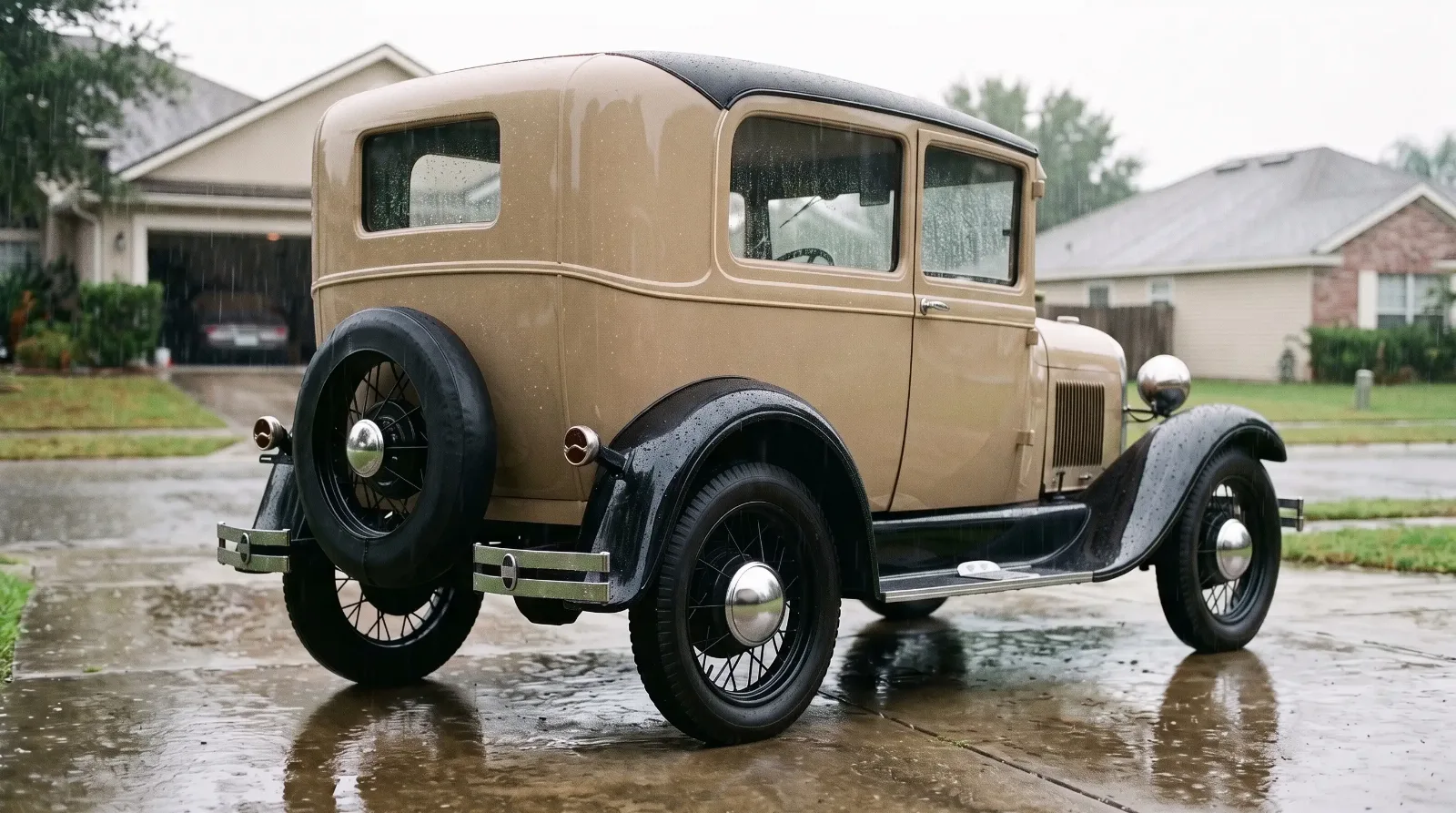
A rulebook that thick could have turned the hobby into trailer queens. It mostly didn't. MAFCA judging includes a Touring class, Red Ribbon, for cars that are restored and driven regularly with limited changes. Up to ten listed non-original parts, such as a torque-tube overdrive or a 12-volt conversion, are allowed, with points reduced on those components. Turn signals, seatbelts and a second taillamp cost nothing. Even in the top classes, a car in final judging has to finish a tour of about six miles before it can win anything.
That is the right call, in my opinion. A Model A was built to be used, and a restoration that cannot survive a few miles of road is not finished. The clubs wrote that into the rules.
"Before you price the paint, price the parts list. On a Model A almost everything can be bought. The question is how many of those things you are going to need."
Robert Halloran
What Ford Model A restoration costs you in 2026
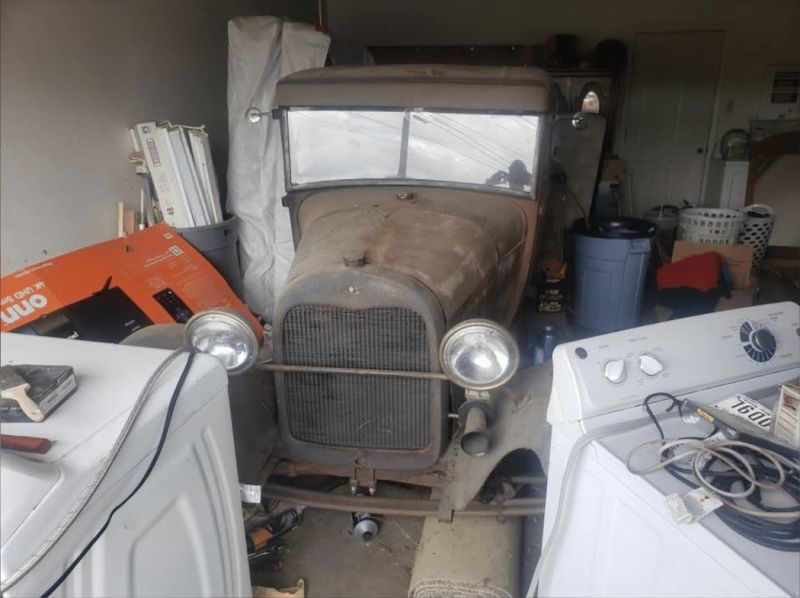
Here is the arithmetic that most first-time buyers get backwards. Finished, restored Model As have not been expensive cars. At Mecum in 2016, a restored 1928 Tudor and a restored 1928 phaeton each sold for $15,000. In August 2026, an unrestored but solid 1929 Business Coupe that had sat about sixty years in storage in Black Creek, Wisconsin, was listed on Facebook Marketplace at $10,000. The gap is $5,000. On a 1929 Sport Coupe project in 2022, a Barn Finds writer put a do-it-yourself interior alone at around $1,500 and advised budgeting for an engine rebuild on top, before any body or paint work. A full restoration can easily cost more than that gap.
So the smart move is usually to buy the best car you can afford rather than the cheapest project. If you do buy a project, buy one that is complete. A missing body panel can be bought. A missing year-correct small part, the kind the questionnaires were invented to identify, can take months to find. Look through Model A projects for sale with that list in hand: body tag, engine number, which pieces are there and which are not.
The hobby taught itself to rebuild these cars one spring, one questionnaire and one revision at a time. For how the cars got here in the first place, there is the whole story.
Sources and notes
Related Reading
Have a
Ford Model A
for Sale?
Reach thousands of serious classic car collectors across the US.
Sell It Here →
Selling a classic? Here's how: compare the places to sell classic cars
Are You a Classic Car Dealer?
List your full inventory and connect with targeted classic car buyers.
Join as a Dealer →
#reproduction parts
#ford model a
#project cars
#Model A restoration
#MAFCA
#MARC
#judging standards

About the author
Robert Halloran
Texas-based classic truck enthusiast with decades of experience buying, restoring, and writing about American pickups from the 1940s through the 1980s.
Related Listings - Ford Model A
More in Car Features
Comments
Be the first to comment on this article.