
I met a guy at an autocross in a hotel parking lot outside Nashville a few years back, cones already set up, cars lining up by class, and he was leaning against a 1970 Chevelle with a helmet under his arm like it was the most normal thing in the world. It was a Tuesday evening event, the kind of low-key gathering that doesn't make any magazine, and he told me he'd been running that same car in autocross for eleven years. Not restored to concours standard, not trailered in on a lift. Driven there, raced, driven home.
Car Features
6 min read
Grassroots Chevelle Racing Today
From SCCA Solo autocross to vintage road racing to bracket drag racing, here's how Chevelle owners keep the car's racing heritage alive today.
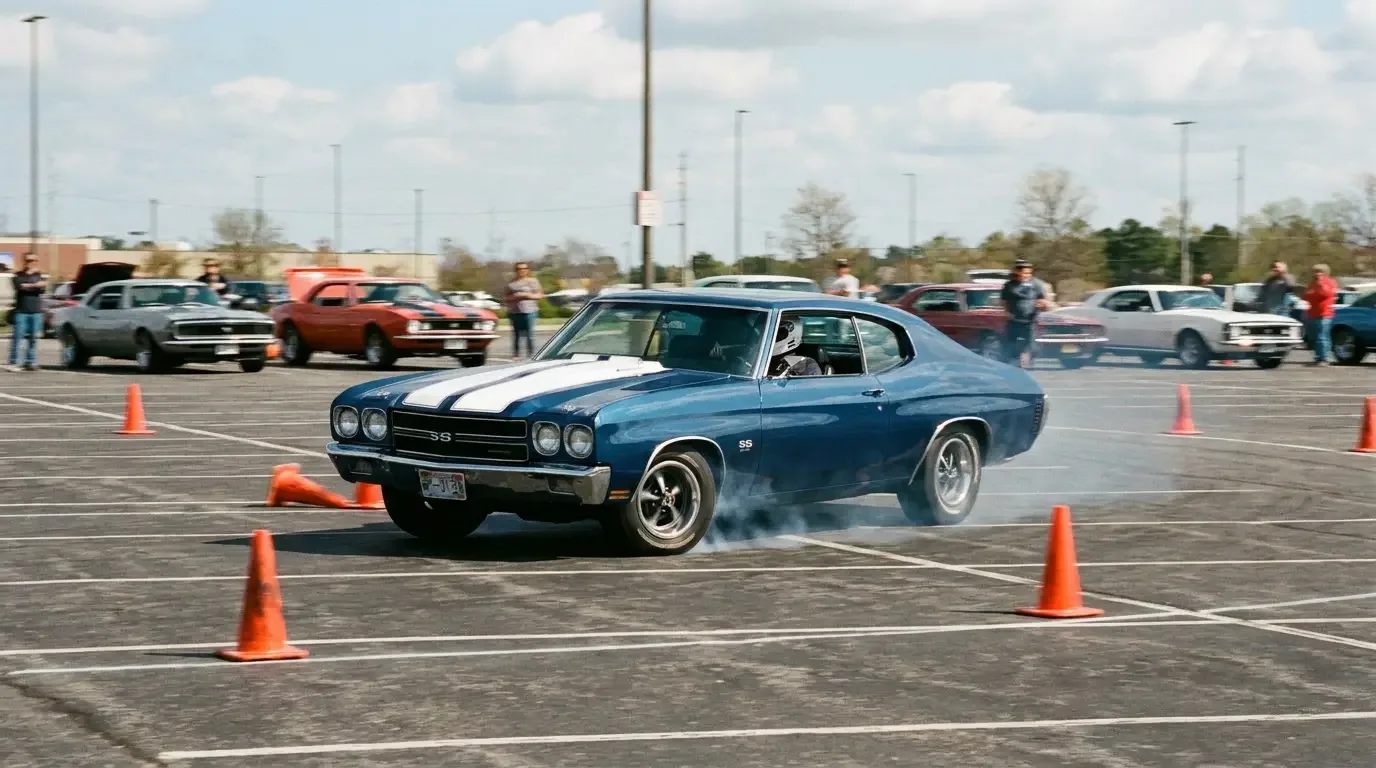
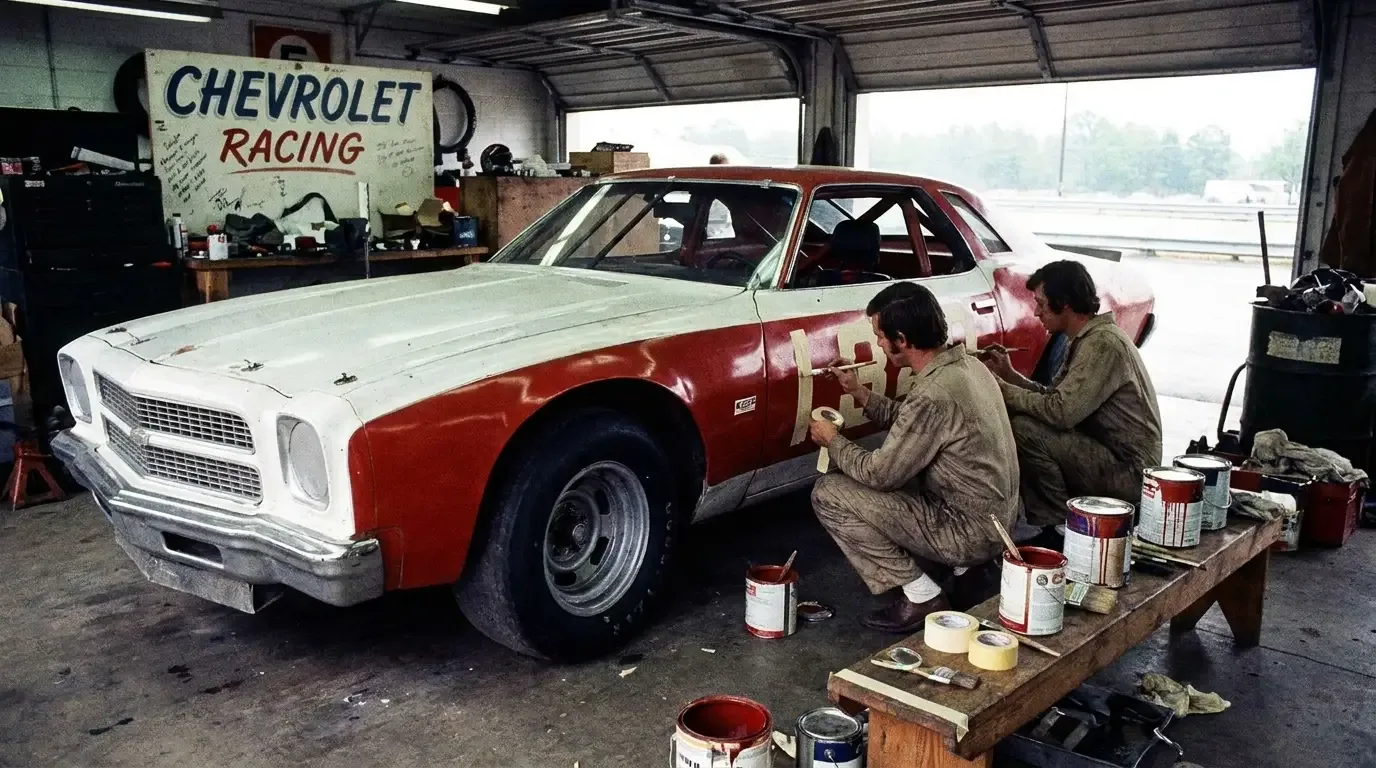
That's grassroots Chevelle racing in 2026, and it's a lot healthier than most people outside the hobby realize. The factory teams, the dealer-tuned specials, the NASCAR liveries, all of that is history now, documented and studied and occasionally worth serious money. But the Chevelle's competition history didn't end when the factory programs wound down. It just moved to a smaller stage.
Autocross keeps the Chevelle relevant
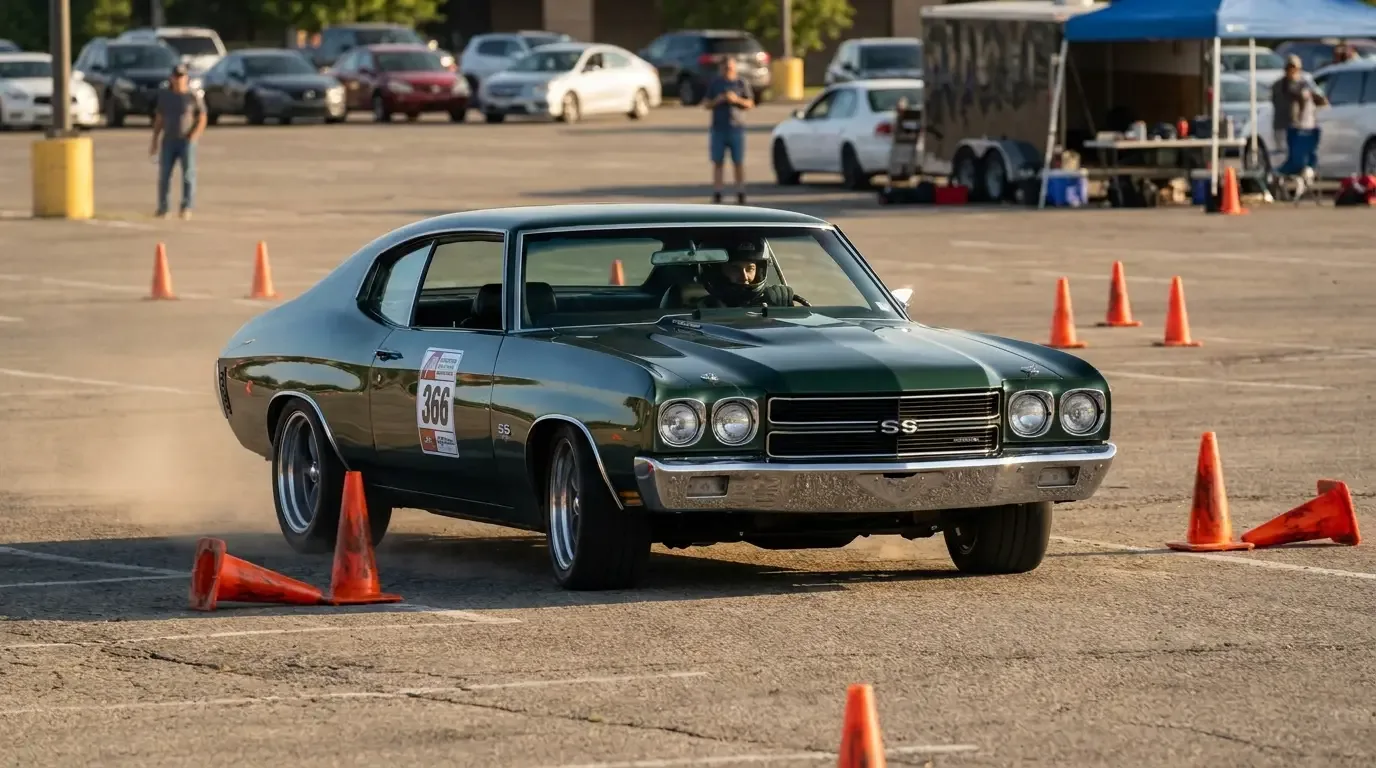
Autocross is where a lot of Chevelle owners actually get their car on a course today. SCCA Solo events and regional autocross series welcome classic muscle cars in vintage or modified classes, and a Chevelle with reasonable suspension work can be genuinely competitive against a field that includes everything from modern sports cars to other classic iron. The format rewards precision over outright speed, which suits a car that was never going to out-turn a modern chassis anyway.
What's changed since the sixties and seventies isn't the car, it's the accessibility. You don't need a factory connection or a dealer relationship to run a Chevelle in autocross. You need a helmet, a car that passes tech inspection, and an entry fee that's usually well under a hundred dollars for a regional event. That's a completely different barrier to entry than what it took to run a real race program fifty years ago.
Vintage road racing and historic classes
For owners chasing something closer to the car's actual racing heritage, vintage road racing organizations like SVRA and regional historic racing groups run classes for period-correct cars, including the occasional Chevelle built to a genuine period specification. These events are slower-paced than a modern race weekend, more about preserving the experience and the machinery than setting lap records, and that suits a car that was never really an aerodynamic road racer in the first place.
Documentation matters more in this world than in autocross. A vintage racing entry with a genuine competition history, especially one connected to the earlier chapters of this story, the NASCAR liveries, the SCCA regional entries, the dealer-tuned builds, carries a different kind of respect at these events than a car built purely to look the part.
Drag racing never really slowed down
If autocross and vintage road racing are the quieter corners of grassroots Chevelle competition, the drag strip is still the loud one. Bracket racing at local strips remains the single most accessible way to run a Chevelle competitively today, and the car's straight-line heritage, from Super Stock through the 454 big-block era, means there's a deep well of knowledge and parts support for anyone building one for the strip.
Local and regional drag racing clubs, along with NHRA's bracket and heritage classes, keep drawing Chevelle owners who want to run the car the way it was originally engineered to run, hard, straight, and fast off the line. That continuity between what the car was built for and what owners still do with it today is part of why the Chevelle's drag heritage feels less like nostalgia and more like an ongoing tradition.
🔧 Inspection Priorities
- Roll cage certification and dates. A car actively used for track events needs a cage that meets current sanctioning body requirements, and an outdated cage is a real safety and eligibility issue, not just a cosmetic one.
- Suspension wear from repeated track use. A grassroots-raced Chevelle sees harder cornering loads than a driver-quality street car. Check bushings, ball joints, and control arm mounting points for wear beyond what you'd expect on a garage-kept example.
- Fresh vs. period modifications. Know whether you're buying a car with genuine period racing history or one recently built for modern grassroots events. Both are legitimate, but they're priced and valued very differently.
"That guy in the parking lot outside Nashville told me something I've thought about since. He said the car doesn't care that it used to be worth six figures at auction someday. It just wants to be driven hard on a Tuesday night. I think that's the healthiest way to think about a car like this."
Patrick Walsh
What it costs to get started
Grassroots motorsport with a Chevelle doesn't require the kind of money that factory or dealer racing once demanded. Autocross entry fees run modest, typically well under a hundred dollars per event, though a proper roll cage, safety harness, and helmet meeting current standards represent a real upfront investment, generally a few thousand dollars depending on how far you go with the safety equipment. Drag racing at the bracket level carries similar modest entry costs, with the bigger expense being the car's performance build itself rather than the racing.
What all of this adds up to is a hobby that's still genuinely alive, not just a museum piece being polished for the next auction. Anyone drawn to track-ready Chevelles today has more accessible entry points into actual competition than at almost any point since the factory programs of the sixties and seventies wound down.
This ongoing grassroots tradition is a living continuation of the Chevrolet Chevelle story, proof that a car built more than half a century ago still earns its keep on a race course, an autocross lot, or a drag strip most weekends of the year. To understand how this all started, go back to where the Chevelle first proved itself on track. Read next: Chevelle in NASCAR Grand National for the early years that set this whole legacy in motion.
Sources and notes
Related Reading
Have a
Chevrolet Chevelle
for Sale?
Reach thousands of serious classic car collectors across the US.
Sell It Here →
Are You a Classic Car Dealer?
List your full inventory and connect with targeted classic car buyers.
Join as a Dealer →

About the author
Patrick Walsh
Automotive journalist covering classic car shows, events, and the enthusiast community across North America.
Related Listings - Chevrolet Chevelle




Comments
Be the first to comment on this article.