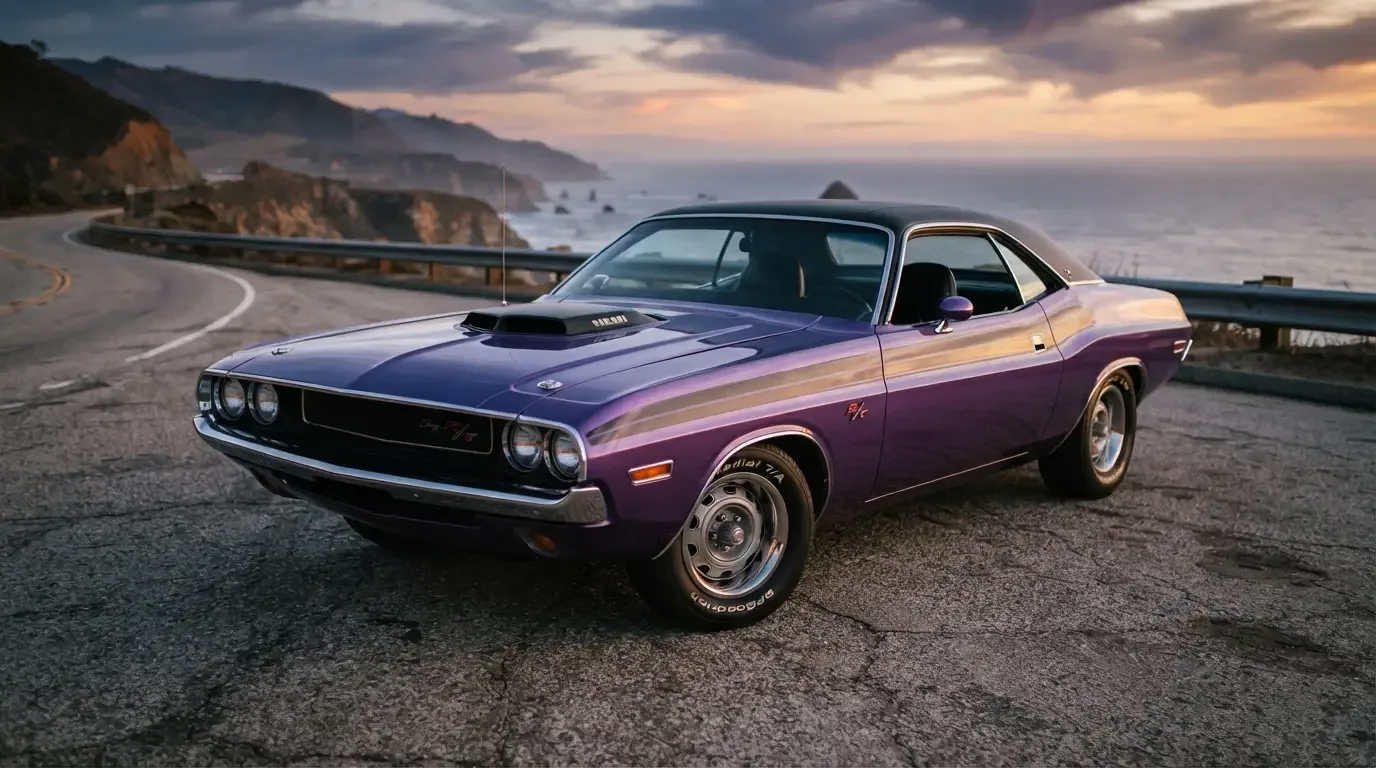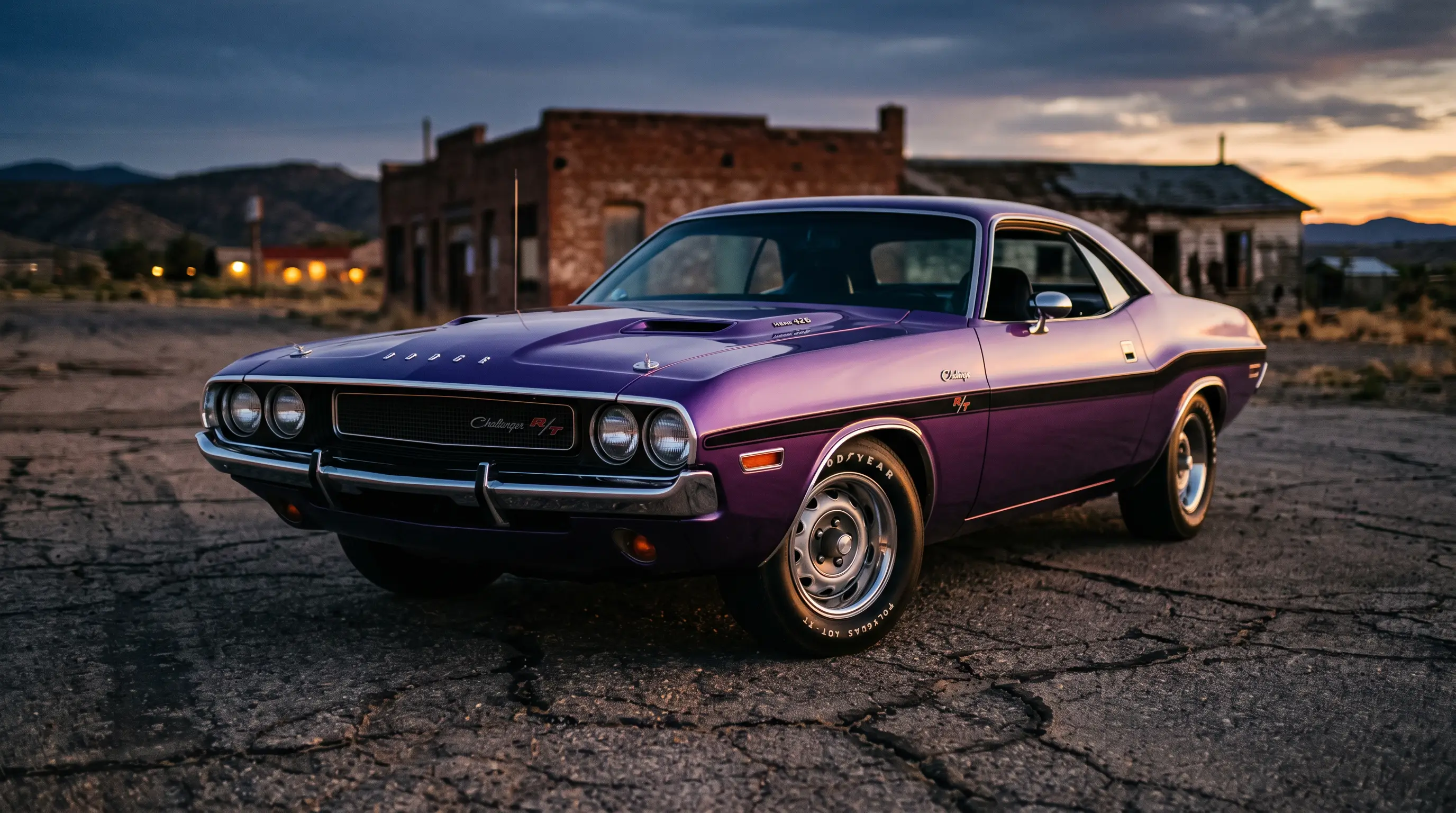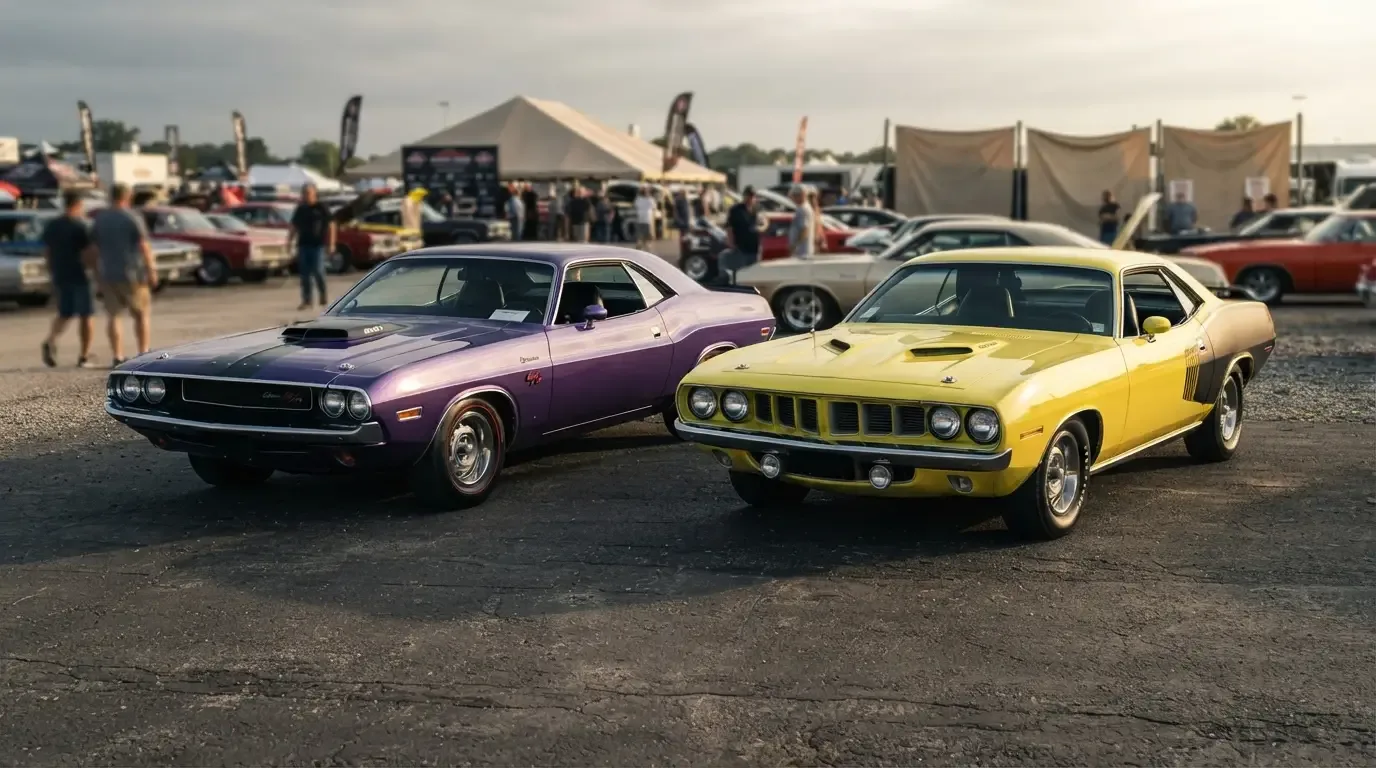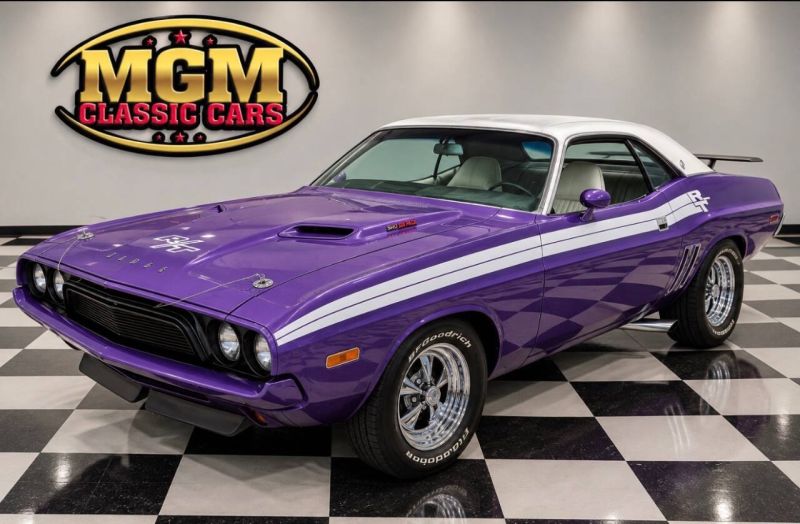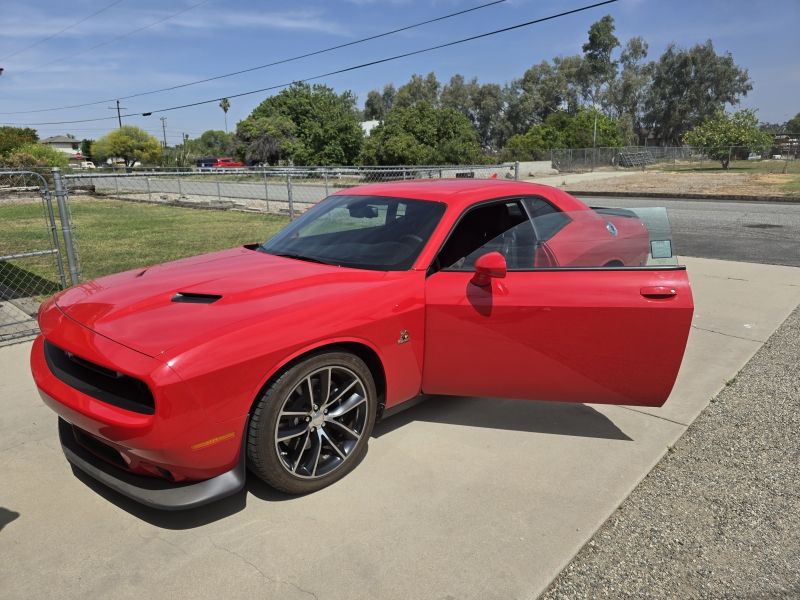
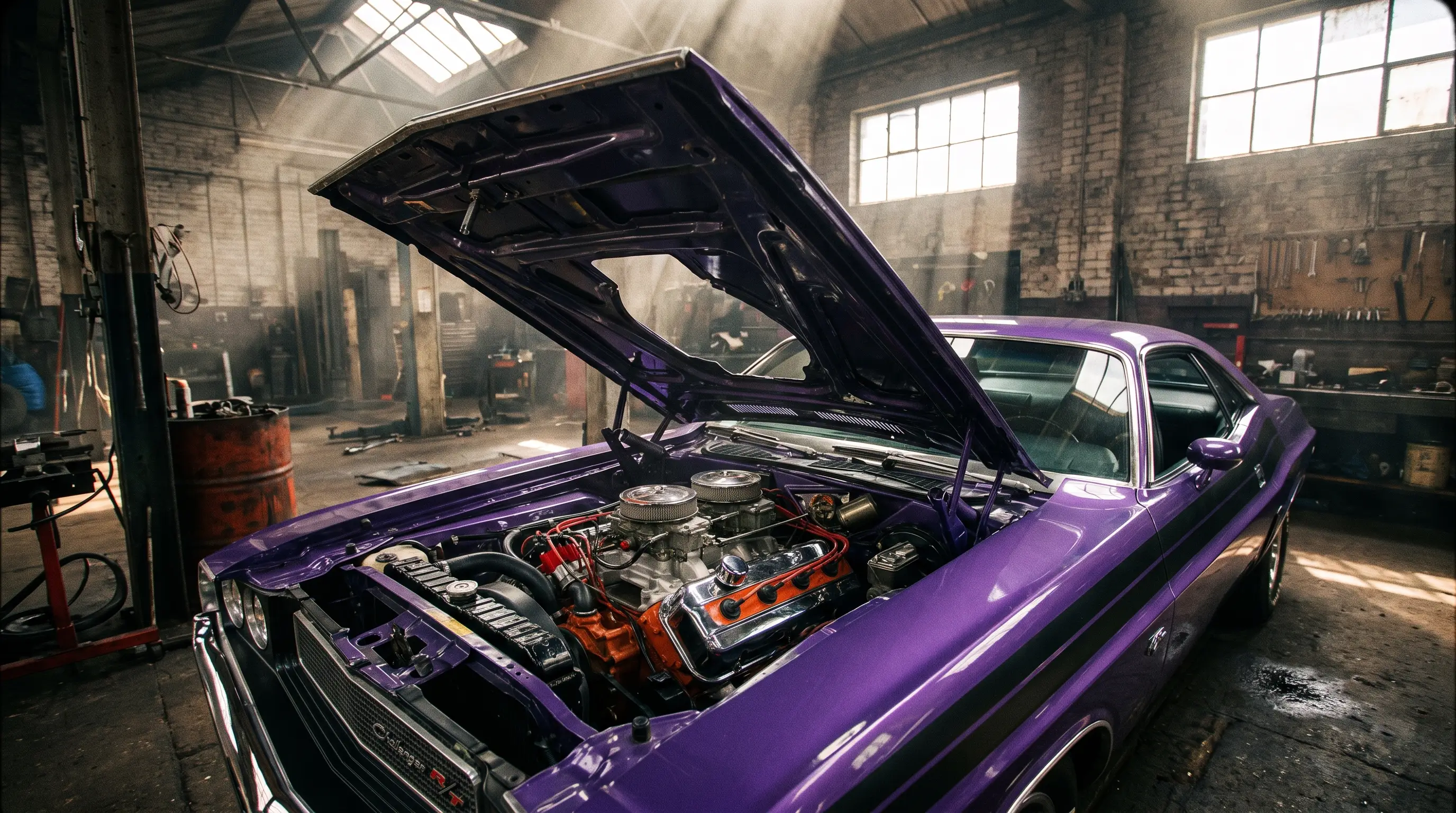
The 426 hemi challenger was rated at 425 horsepower from the factory. Nobody believed that number in 1970 and nobody believes it now. Real world output was higher, with dyno tests of correctly built Street Hemis commonly showing figures in the 450 to 500 horsepower range depending on rpm and exhaust configuration. That gap between the factory rating and the real number is most of what people get wrong about this engine, and it is worth clearing up before anything else.
The number that matters more than horsepower
Here is the number that actually explains the car: 426 cubic inches, hemispherical combustion chambers, a design pulled almost directly from Chrysler's NASCAR and drag racing programs of the mid 1960s. The street version detuned the racing engine just enough to survive daily use and emissions rules of the era, but the core architecture, the hemispherical head design that gave the engine its name, stayed intact. That is why this engine has a reputation the underrated horsepower figure alone would not explain. It is a race engine wearing a license plate, not a street engine dressed up to sound tough.
For the full background on how this engine ended up in a Challenger at all, read hemi challenger history. Short version here: the Hemi existed in Chrysler's lineup before the Challenger did, and Dodge simply put it under the hood of its new pony car when the model launched for 1970.
| Spec | Figure |
|---|---|
| Displacement | 426 cubic inches (7.0 liters) |
| Factory rated output | 425 horsepower |
| Factory rated torque | 490 lb-ft |
| Combustion chamber design | Hemispherical |
| Carburetion | Dual four barrel |
| Transmission options | Four speed manual or TorqueFlite automatic |
Why the factory number was low
Insurance underwriters in 1970 were already tightening rates on high output engines, and manufacturers had every incentive to keep published horsepower figures under a threshold that would trigger the worst premium brackets. That is not a conspiracy theory, it is documented industry practice across Detroit at the time, and the Hemi's rating sits right in the range where that kind of conservative reporting was common. The engine's real capability was never in serious doubt among people who actually drove one. It was in doubt on the spec sheet, for reasons that had nothing to do with engineering and everything to do with an insurance actuary somewhere doing math.
What it actually cost to build
The 426 Hemi was never cheap to order. It was the most expensive engine option available in the Challenger lineup by a wide margin, and that price tag alone kept production numbers modest compared to the small block options most buyers actually chose. Low take rate plus a decade of insurance driven attrition plus the usual muscle car casualty rate through the 1970s adds up to a genuinely small surviving population today, and that scarcity connects directly to how few of these cars were built in the first place. Anyone wanting the specific production count breakdown should read a related story covering exactly that number.
"Every underrated horsepower figure from this era gets treated like a fun fact. The 426 hemi challenger's number was not a fun fact, it was a real engineering decision with a real dollar figure behind it, and it worked."
- Dan Reeves
How it stacked up against the competition
Ford and Chevrolet both had big block answers on the market at the same time, and the numbers game between the three manufacturers in this era gets treated as settled history by people who were not around for the actual arguments. It was not settled at the time. Magazine comparison tests from the period show results that varied by track conditions, driver skill, and which specific engine tune happened to be under the hood of whichever test car a given publication got its hands on. What the numbers do support consistently is that the Hemi's combination of displacement and combustion chamber design put it in a class by itself on paper, whatever the actual track results said on a given afternoon.
The dual four barrel setup deserves its own mention here because it is frequently misunderstood. This was not two carburetors dumping fuel simultaneously for maximum flow at all times. The progressive linkage meant the engine ran efficiently, relatively speaking, during normal driving, with the second carburetor staying closed until the throttle demanded more air and fuel than the primary could supply. That is a more sophisticated approach to drivability than people give Detroit credit for from this era, and it is part of why the Hemi could be a genuinely usable street engine rather than a race motor barely tolerable outside of a quarter mile pass.
What ownership actually required
An engine this expensive and this powerful was never going to be a casual ownership proposition, and period service records back that up clearly. Ignition timing on the Hemi required more careful attention than the small block options, since the higher compression and dual carburetor setup left less margin for error before detonation became a real problem, particularly on the lower octane pump fuel that became common as the decade wore on. Owners who kept these engines running well tended to be the ones who understood the mechanical demands going in, not the buyers chasing a badge without appreciating what the car actually asked of them.
That maintenance burden is part of why so many Hemi Challengers did not survive in original configuration. An engine this demanding, paired with rising insurance costs and a used car market through the mid 1970s that punished high output engines with resale values far below their new sticker price, gave a lot of second and third owners real financial incentive to swap in a simpler, cheaper engine rather than keep chasing parts and expertise for the original setup. The cars that kept their numbers matching Hemi intact through that period did so because somebody along the ownership chain made a deliberate choice to preserve it, often at real cost relative to what the car was worth on paper at the time.
The bottom line on this engine
Strip away the mythology and the number that remains is simple. The 426 Hemi was a race derived, hemispherical head, dual carburetor engine sold in limited numbers at a high price point, and it delivered performance that exceeded its own advertised rating by a comfortable margin. That is a rare combination in Detroit's history, an engine whose reputation actually understates its real world capability rather than the usual pattern of inflated brochure claims. It is why the engine still commands the attention it does, and why buyers hunting one today need to move fast when a documented example surfaces. Anyone ready to act on that should look at Challengers for sale now rather than waiting for the next one to show up, because these do not sit on a lot for long once the paperwork checks out.