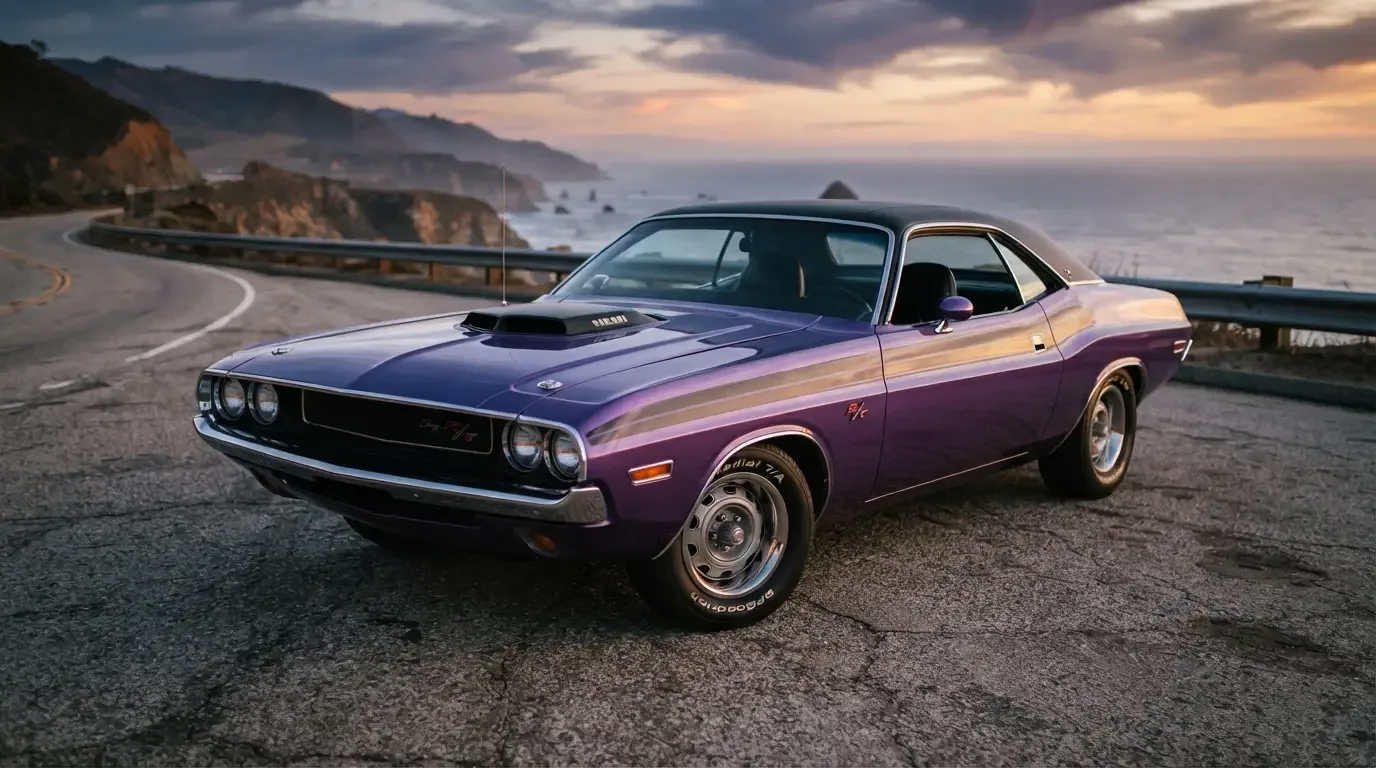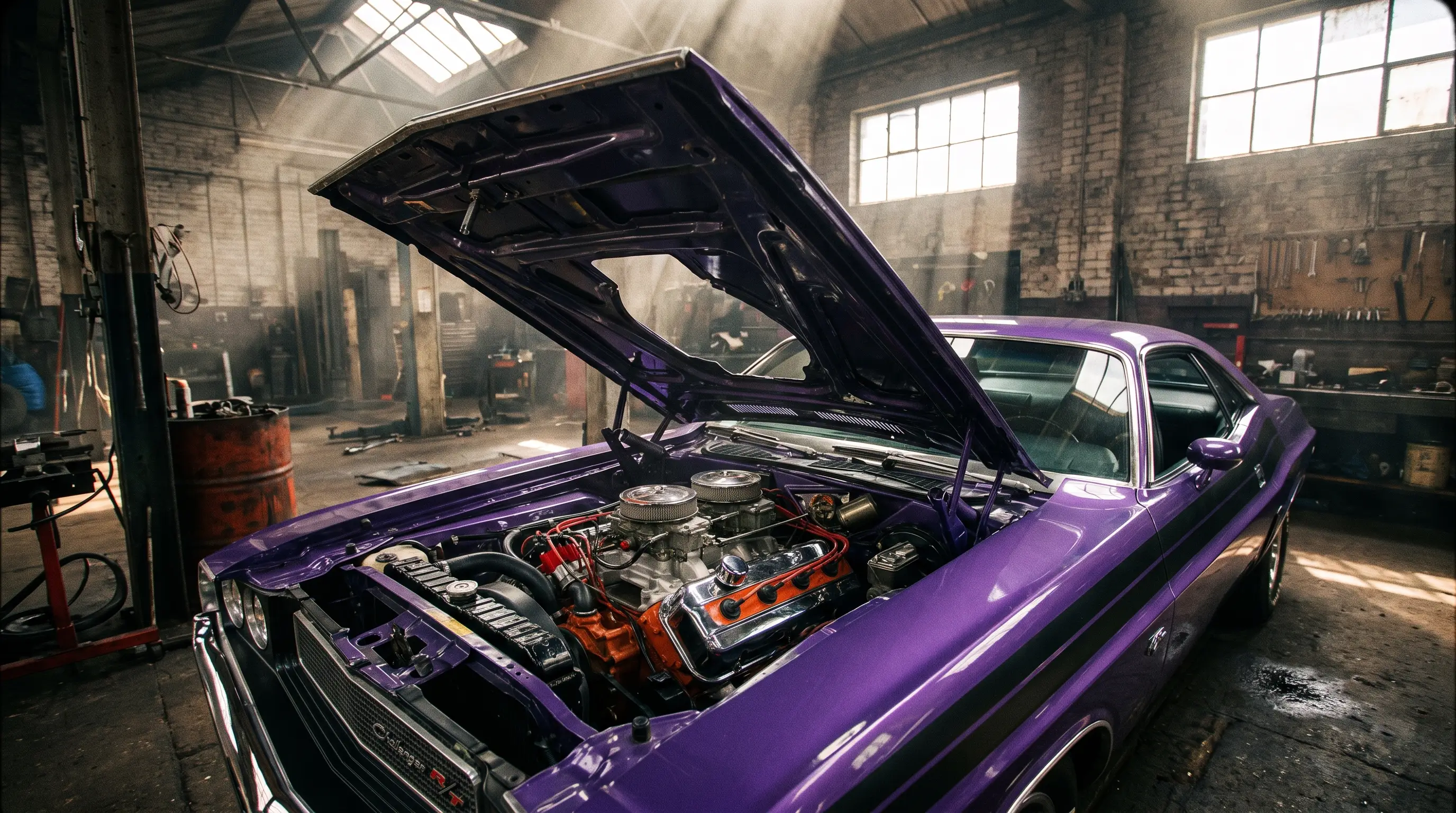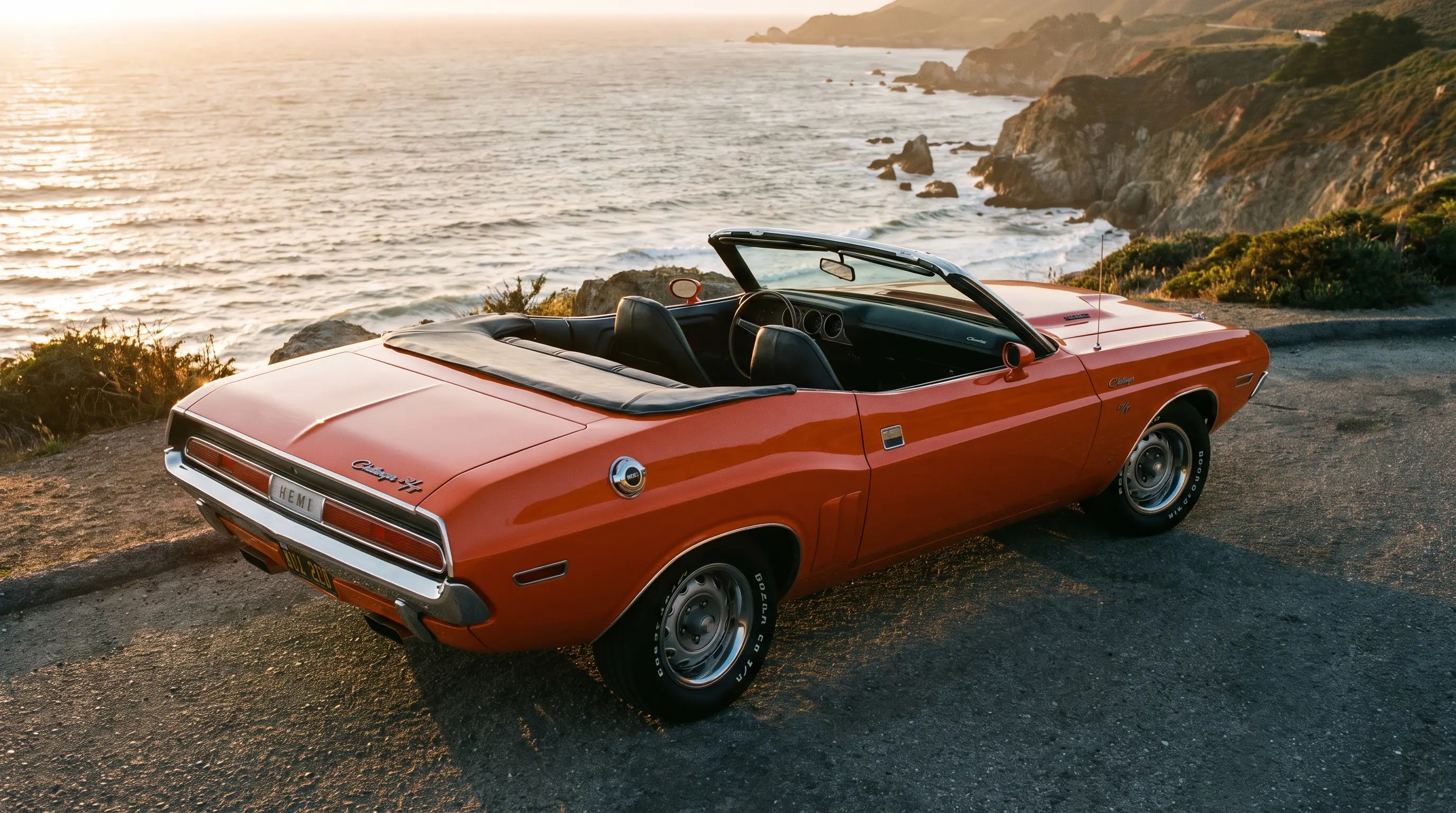
The question of how many hemi challengers were built sounds like it should have a clean, single answer, and it does not, which is itself a useful lesson about how muscle car production data actually works. Total Hemi Challenger production across the model's early run was low relative to the small block versions, but the exact figure depends on which body styles, model years, and documentation sources you are counting, and I want to walk through why that matters before quoting a number that will inevitably need caveats attached.
Why the count is not a single tidy figure
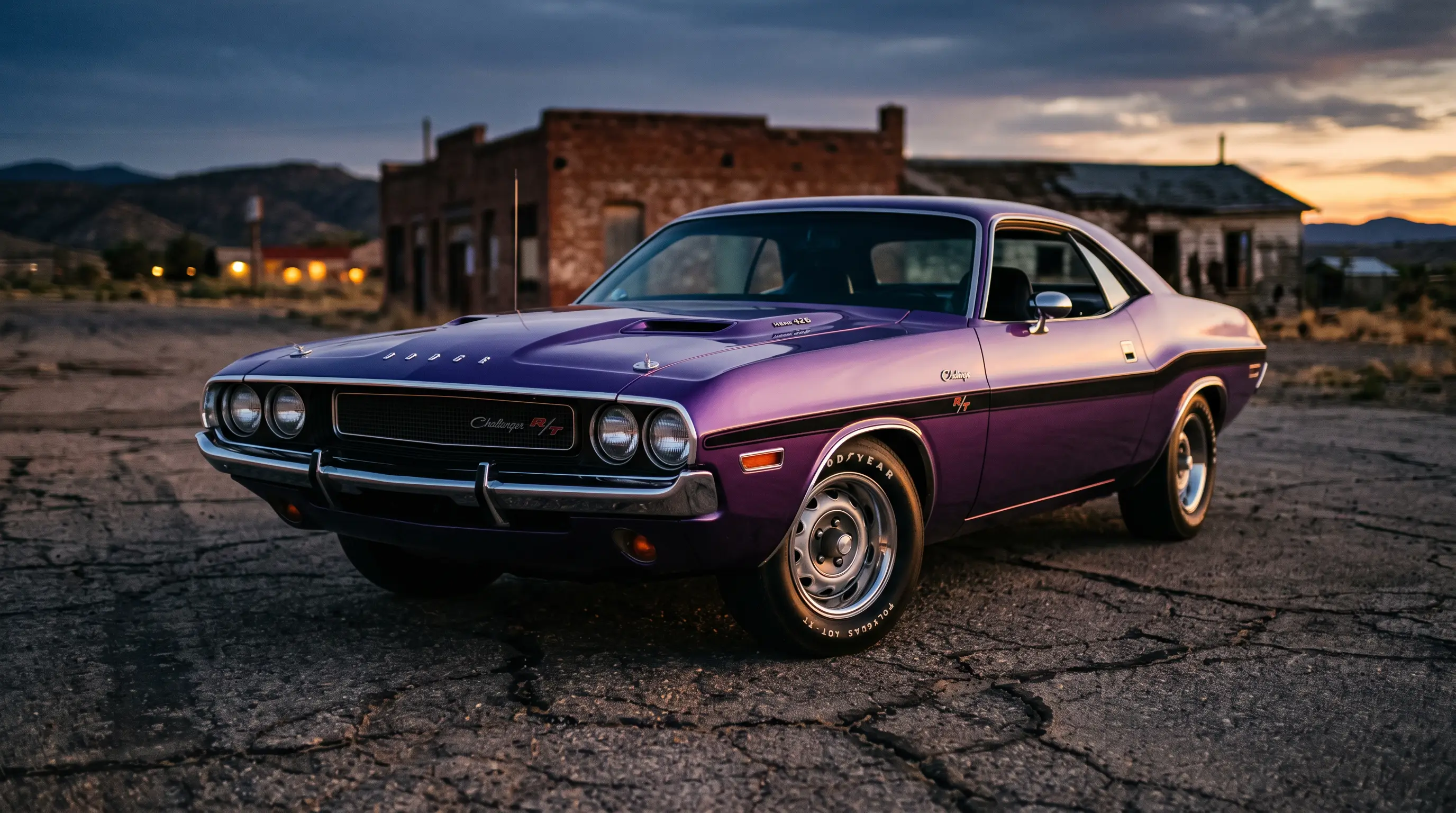
Chrysler's production records from this era were kept for manufacturing and warranty purposes, not for future historians trying to build precise registries fifty years later. Broadcast sheets, fender tags, and Chrysler's own build sheets sometimes disagree on details, and surviving factory documentation is incomplete in places. Independent registries maintained by Mopar clubs and researchers have done the hard work of cross referencing these sources over decades, and their totals are the best evidence available, but even the most careful of these efforts describes their figures as best known counts rather than certainties. The figure most commonly cited across registries and reference sources puts 1970 Hemi Challenger R/T production at around 356 cars total, with roughly 287 hardtops (split between four speed and automatic transmissions) and only 9 convertibles, but even that widely repeated number should be treated as a best current estimate rather than a fixed historical fact, since figures have been refined as documentation surfaces.
For the full context on how the Hemi ended up in the Challenger lineup in the first place, see our complete history of the engine and the model together.
What we do know with more confidence
The pattern across body styles and years is consistent even where exact totals stay debated. Coupes significantly outnumbered convertibles in Hemi trim. Automatic transmission cars and four speed manual cars were both offered, with take rates varying by year. Production dropped sharply after the engine's early run as emissions regulations tightened and insurance costs on high output engines climbed, a pattern that mirrors what happened across the entire muscle car segment industry wide, not something unique to this one model.
| Category | General Pattern |
|---|---|
| Body style split | Coupes far outnumber convertibles |
| Transmission split | Both four speed and automatic offered |
| Production trend | Sharp decline after the early production years |
| Primary verification source | Broadcast sheets and fender tag codes |
| Registry status | Actively maintained and refined by club researchers |
Why the low number matters to buyers now
A genuinely small production run, verified through documentation rather than assumed from reputation, is the single biggest driver behind how these cars are valued today. It also explains why clone cars are such a persistent problem in this segment. When the honest population of surviving, documented Hemi Challengers is this small, the incentive to build a convincing tribute car using a standard small block Challenger as the donor is significant, and buyers need to treat every claim of Hemi originality as something requiring proof, not something to take on the seller's word.
"A production number without a documented source is just a rumor with a decimal point. The real value in this hobby comes from knowing which numbers you can actually defend."
- Emily Chen
How registries actually reconcile conflicting data
The process club researchers use to build a defensible production count is more methodical than most people assume. It starts with cross referencing surviving Chrysler factory documentation against fender tag codes photographed and submitted by owners over decades, then checking those against broadcast sheets where they still exist, since those three sources were generated at different points in the manufacturing process and rarely agree perfectly on every detail. Where two sources conflict, researchers generally weight the physical evidence, casting numbers stamped into the block itself, more heavily than paper documentation, since paper can be lost, altered, or misfiled in ways a casting number cannot.
This is slow, unglamorous work, and it has been done largely by volunteers rather than any centralized institution with dedicated funding, which is itself worth appreciating given how much modern valuation in this hobby depends on numbers those volunteers spent years assembling without any expectation of profit or recognition beyond the club newsletter. That matters when evaluating how confident to be in any specific total. Anyone searching how many hemi challengers built in total actually existed will find a range of cited figures online, and a number backed by decades of cross referenced club research deserves real weight. A number repeated casually across enthusiast forums without a cited source deserves considerably less, even when the two figures happen to match.
What the split by transmission and body style tells us
Looking at the internal proportions within the total production run, rather than just the headline number, tells a more useful story than the total by itself. The heavy skew toward automatic transmission cars over four speed manuals reflects broader buyer behavior across the entire muscle car segment in this period, where most customers ordering the top engine option still wanted a car comfortable enough to drive daily, not a stripped down track special. That pattern held even for an engine as track derived as the Hemi, which tells you something about who was actually buying these cars new rather than who collects them now.
The coupe to convertible ratio tells an even sharper story. Convertibles cost more to begin with, and stacking that premium on top of the already expensive Hemi option priced the combination out of reach for all but a small slice of buyers willing to pay for both at once. That compounding effect, one expensive option layered on another, is a useful reminder that production numbers are rarely the result of a single variable. They reflect a chain of purchase decisions that stacked scarcity on top of scarcity, and understanding that chain explains the surviving population better than any single total ever could on its own.
The honest bottom line
If you are asking how many hemi challengers were built because you are trying to gauge scarcity for a purchase decision, the answer that matters is not a single headline figure. It is whether the specific car in front of you has documentation connecting it to that verified population. A car with a broadcast sheet and matching casting numbers is worth pursuing regardless of what the total production count turns out to be, and that principle holds whether the eventual accepted total for this production run turns out to sit slightly higher or slightly lower than whatever figure is currently cited in a given reference source. A car without that paperwork is a bigger question mark than the production statistics alone can resolve, no matter how low that overall number is. Buyers ready to start that search seriously should find a classic Challenger with documentation already in hand before making an offer, since the numbers only protect you if you can actually verify them against the specific car you are buying.