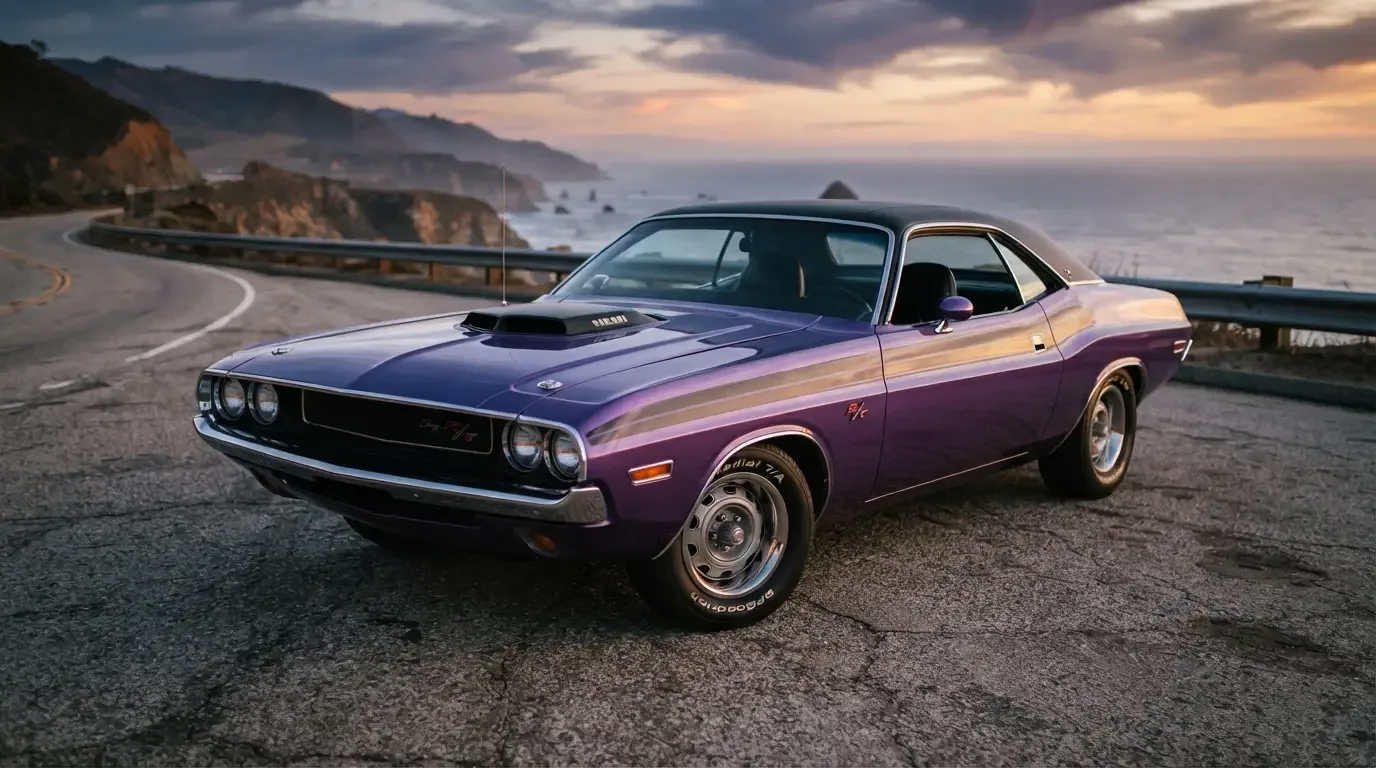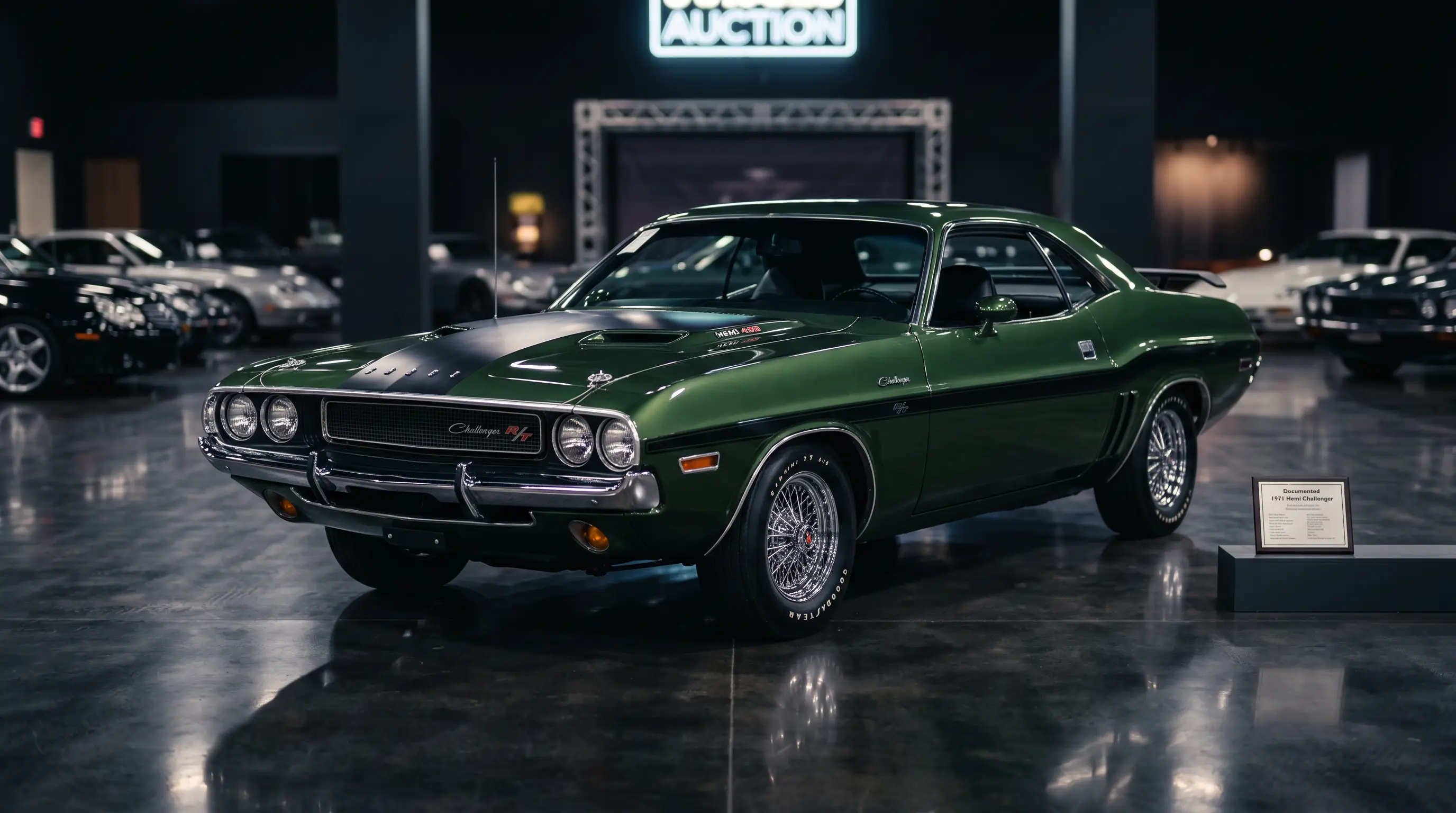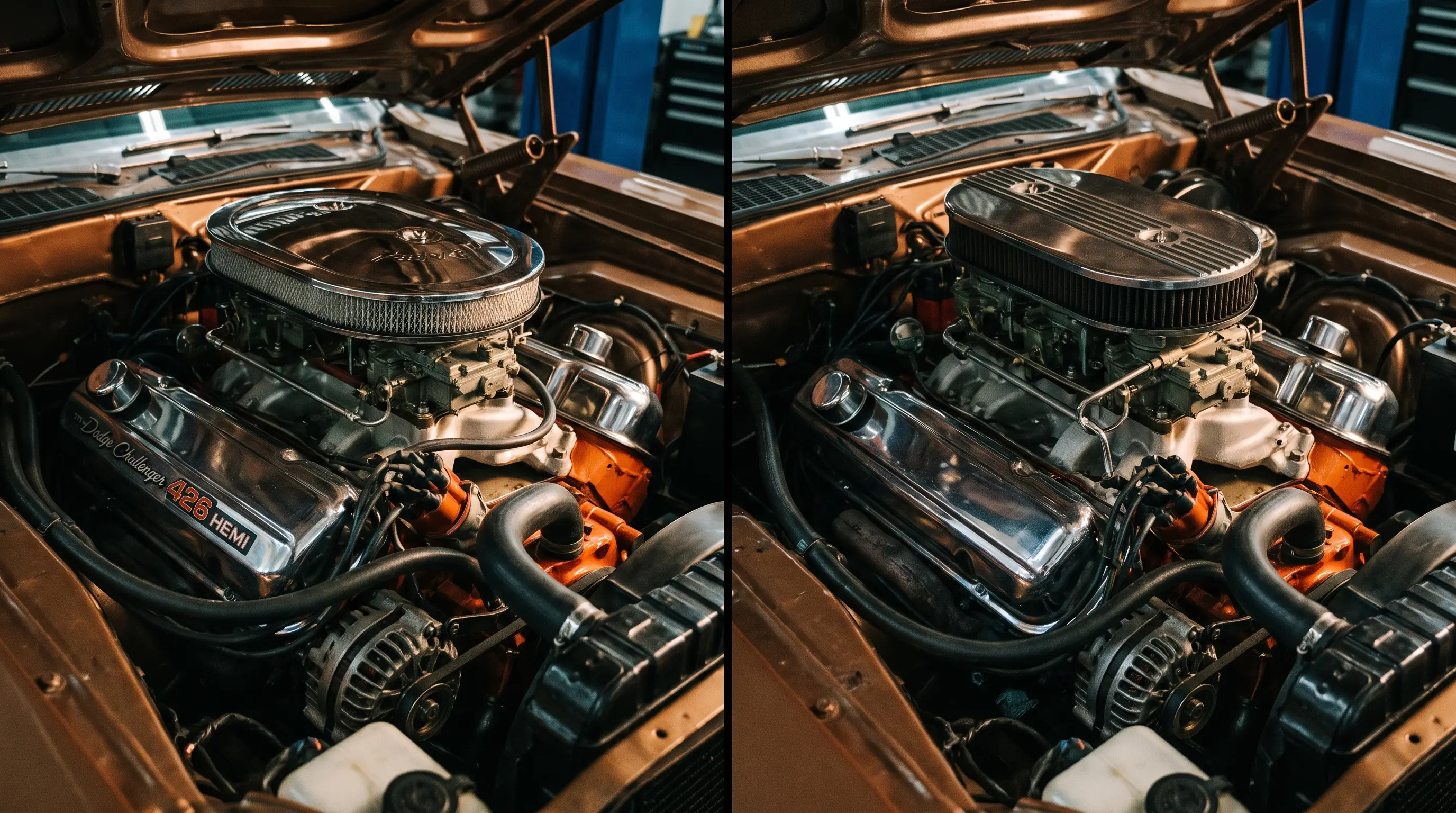
Every hemi challenger auction result gets treated as a headline number, and almost none of them get treated as what they actually are, which is a data point with conditions attached. I appraise these cars for a living, and the gap between the number a hammer price implies and the number a specific car is actually worth is where most of the interesting information lives. A Dodge Challenger with the 426 Hemi under the hood is rare enough that any single sale can distort the market narrative for a year if nobody reads the fine print.
The record sales and what actually sold them
The seven figure Hemi Challenger sales that make headlines are almost always convertibles, almost always four speed cars, and almost always cars with unbroken documentation chains back to the original selling dealer. Take any of those three legs away and the number drops fast, sometimes by half. A hardtop automatic with a documentation gap is a different car in the eyes of the market than a numbers matching convertible four speed, even if both left the factory with the same engine stamped on the block.
I have appraised cars where the seller genuinely believed a recent record sale set the floor for their own car. It rarely does. Auction results are ceiling data more often than they are floor data, because the cars that reach seven figures tend to be the best documented, best preserved examples that exist, not a representative sample of the surviving population.
Reading a result correctly
When I break down a hemi challenger auction result for a client, I am looking at four things in order: documentation, originality of major components, condition relative to originality, and finally rarity of options like color or convertible body style. Buyers who skip straight to the hammer price and ignore that order end up paying record money for a car that will not hold record value, because the next buyer down the line will apply the same four filters whether the current owner did or not.
This is not a knock on excitement around a big sale. It is a caution that a single auction result is a snapshot of one transaction between two motivated parties on one day, not a permanent valuation. I have watched prices for a specific body style spike after a record sale and then settle back within eighteen months once the market absorbed that the record car was genuinely exceptional, not typical.
"I tell every client the same thing before an auction, the number in the headline is real, the number that applies to your car almost never is, and confusing the two is the single most expensive mistake a buyer or seller can make."
- Marcus Feld
Risk, liquidity, and what a record sale does not tell you
A record hemi challenger auction result tells you demand exists at the top of the market. It tells you almost nothing about liquidity for the rest of the population. Plenty of genuine, well documented Hemi Challengers sit unsold at reserve because the pool of buyers able to write a seven figure check on auction day is small, and that pool does not necessarily show up for every sale. Sellers who assume their car will find that buyer just because a similar car did last year are often disappointed, and appraisers get the uncomfortable job of explaining why.
Downside risk in this segment is real too, even if the headlines rarely mention it. A car with an undisclosed replacement engine block, discovered after a sale, can see its value cut by more than half once the buyer's own appraiser catches the discrepancy. That is why I push every serious buyer toward independent verification before the gavel falls, not after. If you want the background on how this whole segment got so valuable in the first place, where this started covers the engineering and rarity story that underpins every number discussed here.
Buyer's premiums and the true cost of a headline number
Clients also routinely forget that the hammer price is not the purchase price. Buyer's premiums at major collector car auctions typically run somewhere in the ten to fifteen percent range, which on a seven figure Hemi Challenger sale adds real money on top of an already large number. Add in transport, insurance during transit, and any mechanical sorting a car needs after decades in a collection, and the true landed cost of a record sale car can run well past the number that made the news.
Sellers face a mirror version of the same math. Consignment fees, marketing costs, and the auction house's own cut all come out of the hammer price before a seller sees a check. I have had sellers walk away from a nominally record sale with less net proceeds than a lower profile private sale would have delivered, simply because the private deal had no premium stacked on either side. None of this makes auctions a bad venue, they remain the most transparent price discovery mechanism this hobby has, but treating the headline hammer price as the full economic picture is a mistake I see repeated every season.
I also watch how a car is marketed leading into a sale, because that tells you almost as much as the result itself. A car given a full catalog feature, professional photography, and a documented ownership history chapter usually outperforms an identical car dropped into a general lot with a paragraph of description. The auction result reflects the presentation as much as it reflects the car, and appraisers who ignore that context end up giving clients bad advice about what a similar, less well marketed car should bring.
What I tell clients before they bid
My standing advice has not changed in years. Treat the last big auction result as a reference point, not a target price. Get independent documentation review before you commit real money, and understand that condition and originality will always outweigh a headline number from a different sale of a different car. The market for these cars is thin enough at the top that patience beats urgency almost every time.
For buyers who are past the research stage and ready to compare real inventory against the numbers discussed here, there are always classic Challenger for sale listings worth reviewing with the same documentation checklist an appraiser would use. The car in front of you, not the headline from last month, is what actually matters when you sign the check, and no amount of auction excitement changes that basic fact about how value in this market really works, no matter how loud the room gets when the gavel finally comes down.