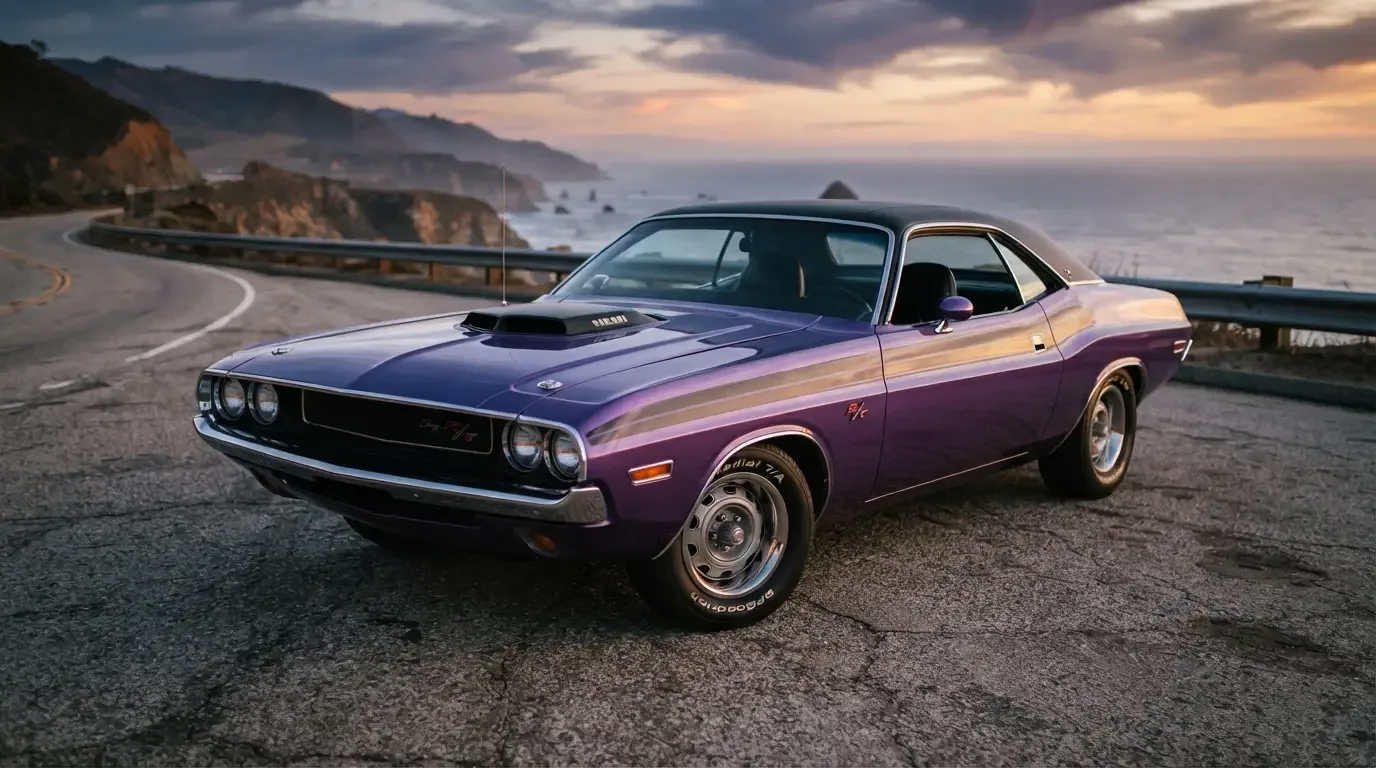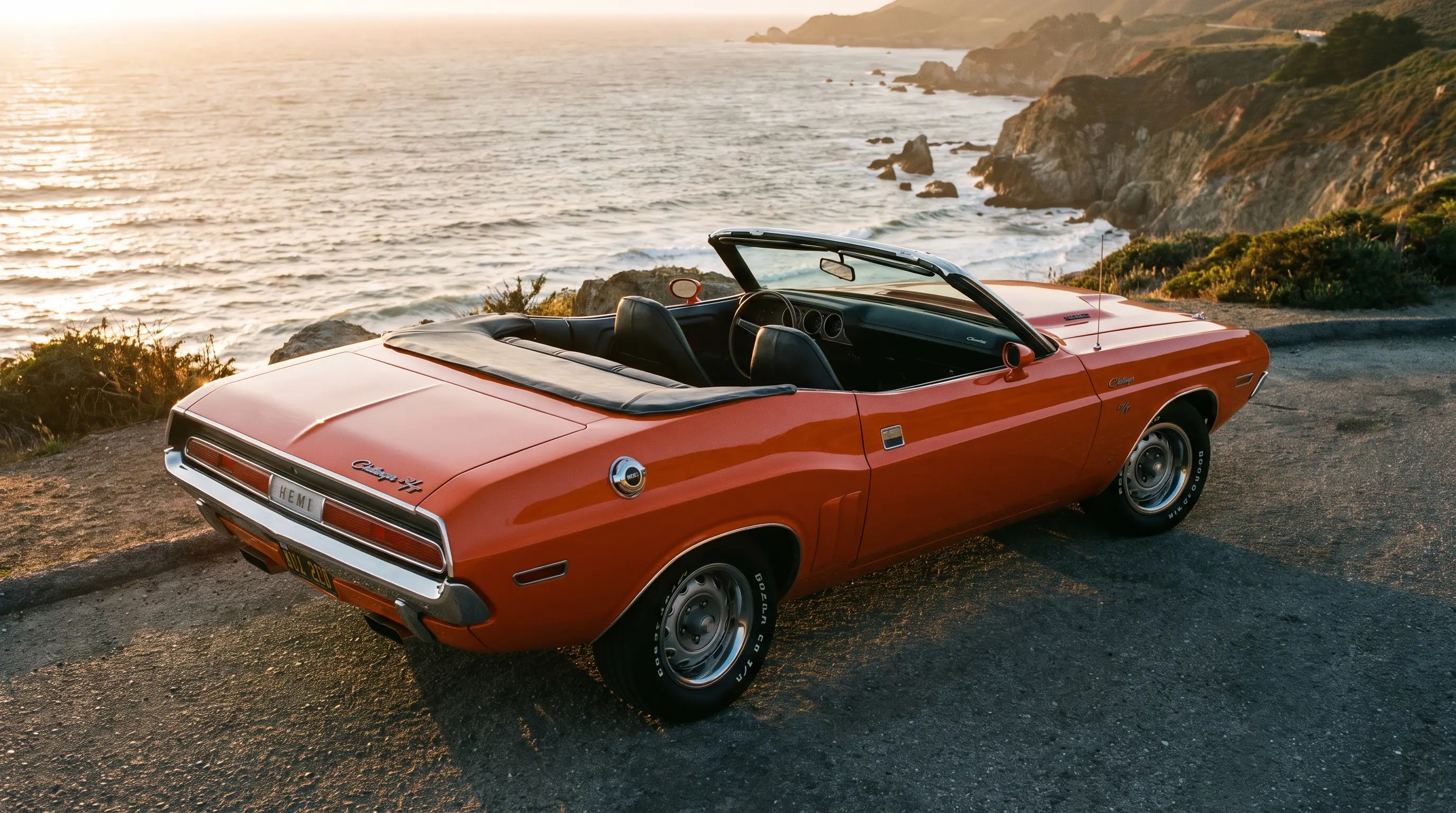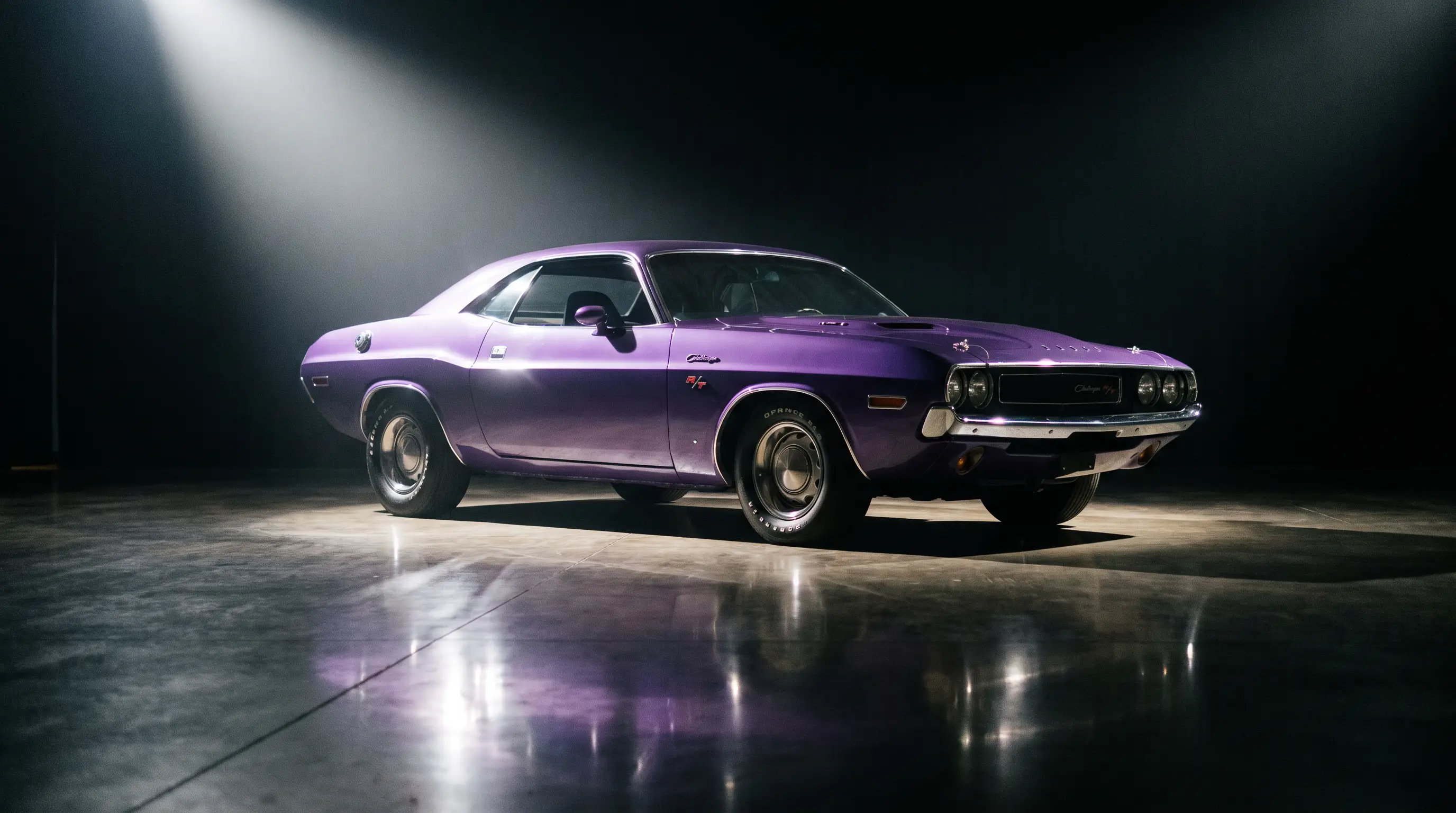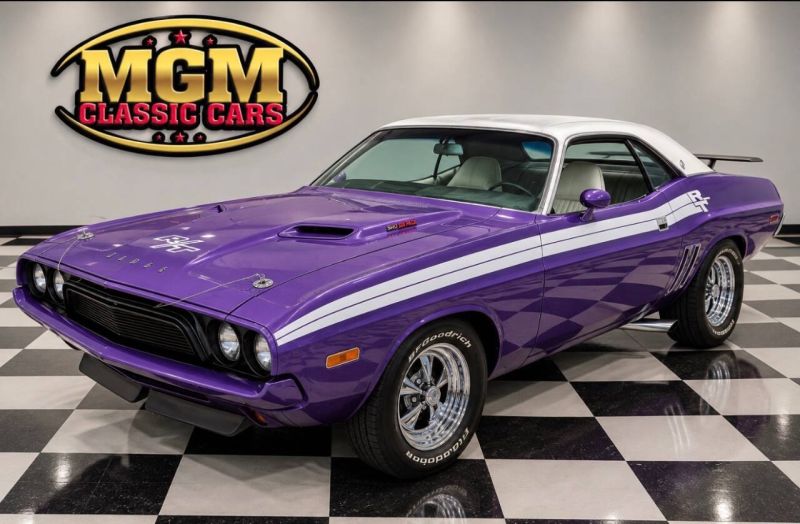
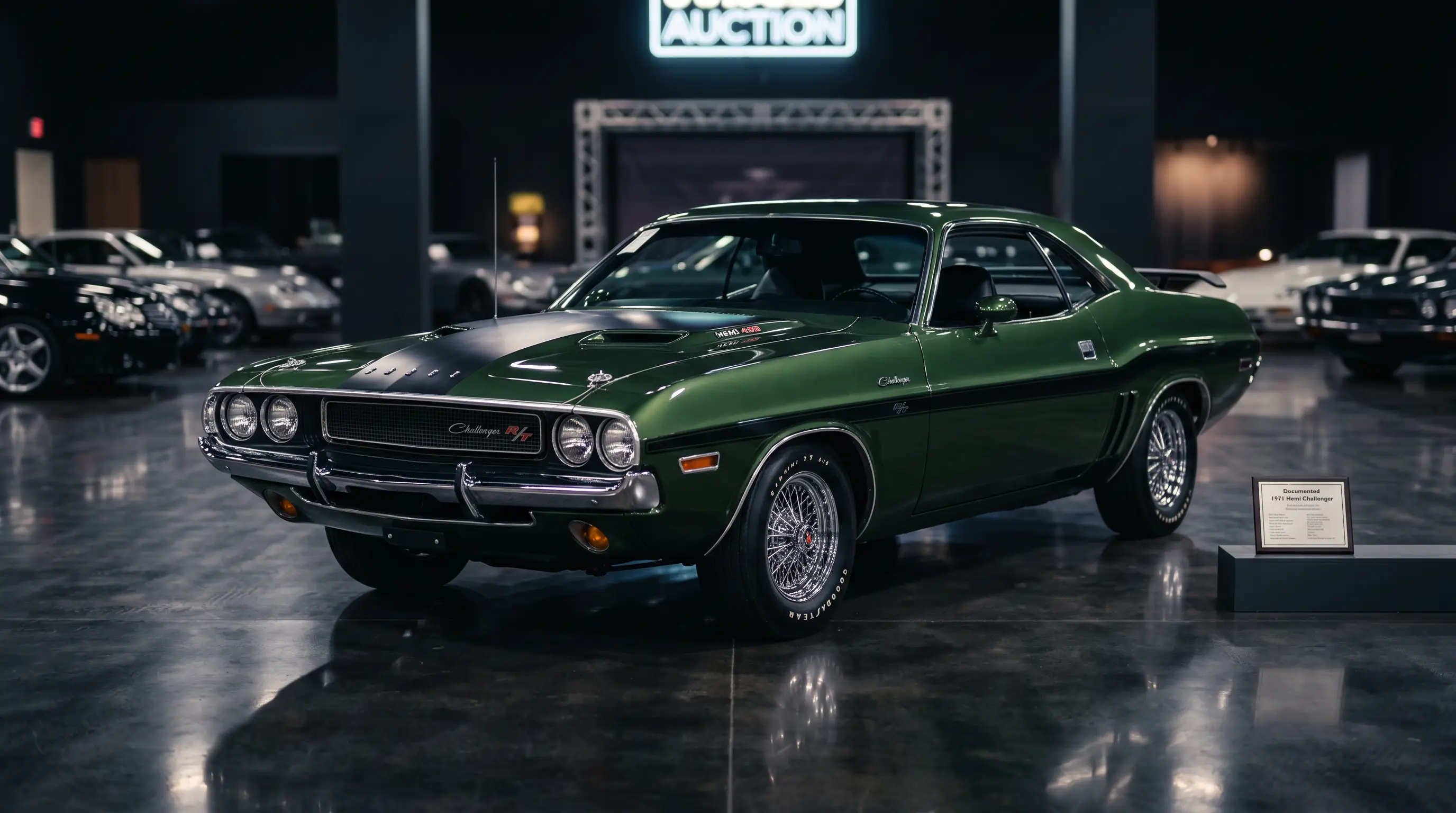
The Hemi Challenger value story is not a mystery once you look at what actually crossed the block over the last decade. A numbers matching 1970 Challenger R/T SE with the 426 Hemi is not a car anymore in the ordinary sense. It is an asset class of its own, with roughly 427 documented Hemi Challenger hardtops and convertibles built across the 1970 and 1971 model years combined, and buyers who understand that scarcity treat every sale as a data point.
What the auction record actually shows
Strip away the hype and the pattern is simple. Six figure results have been normal for verified Hemi Challengers since the mid 2010s, and seven figure results are no longer freak events, they are the ceiling doing what ceilings do when supply stays fixed and demand keeps climbing. Convertibles bring a real premium over hardtops, sometimes double, because Dodge built the ragtop Hemi Challenger in numbers that make the hardtop look common by comparison. Buyers do not pay for horsepower here. They pay for a fixed population that cannot grow, no matter how much money chases it.
I have watched enough of these sales to know the pattern holds even when the broader muscle car market softens. Ordinary 340 and 383 Challengers dip with the economy. Documented Hemi cars barely notice. That decoupling is the clearest signal in the hobby that these cars have crossed into a different category of collectible entirely, closer to blue chip art than to a used car.
Documentation is the whole game
A fender tag, a broadcast sheet, and a matching engine block are worth more to the sale price than any cosmetic detail. I have seen a driver quality Hemi Challenger with airtight paperwork outsell a beautifully restored car with a gap in its ownership history. That is not sentiment, it is math. Buyers at this level are paying for certainty, and certainty comes from paper, not paint.
This is also where clones and tribute cars get separated from the real thing. A 383 or 440 Challenger built to look like a Hemi car might drive identically and cost a fraction as much, but it will never close that value gap because the underlying scarcity simply is not there. If you want more on the hemi challenger itself, the engineering story explains why the gap between real and clone is so wide in dollar terms.
Why the market keeps climbing
Every year the pool of buyers who remember these cars new gets smaller, but the pool of buyers who want a piece of that era keeps getting larger, and wealthier. That imbalance is the whole engine behind hemi challenger value going up decade over decade. Add in a limited universe of surviving cars, most of them already tracked by name in enthusiast registries, and you get a market where a genuine, undocumented Hemi Challenger showing up at a regional auction can still cause a bidding scrum.
The people who bought these new in 1970 were paying a premium option price for the fastest engine Dodge sold. The people bidding on them now are paying a premium for something that cannot be replicated, not even by Dodge itself building a modern Hellcat Challenger with more horsepower. Original scarcity does not get manufactured twice.
"I stopped calling these transactions and started calling them allocations, because that is what buying a real Hemi Challenger is now, you are getting allocated a piece of a fixed supply, not purchasing a commodity."
- David Mercer
Color, options, and the fine print of value
Once you get past the basic real versus clone question, hemi challenger value splits again along lines that have nothing to do with the engine. High impact colors like Plum Crazy, Go Mango, and Panther Pink carry a real premium over a car finished in a plain white or black, because those shades were rare options even in period and buyers today want the full period statement, not just the drivetrain. A four speed manual usually outsells an automatic Hemi car at auction too, though the gap has narrowed as buyers who actually want to drive these things have grown more comfortable with a TorqueFlite.
Options stack in less obvious ways as well. A Shaker hood scoop, a Rallye instrument cluster, or factory air conditioning on a Hemi car all move the needle, sometimes by tens of thousands of dollars, because each one is another line on the broadcast sheet that a buyer can point to and say this exact car, not a similar one, had this exact feature from the factory. None of that changes the underlying engine, but it changes what a buyer is willing to sign a check for.
Condition matters less than people assume once a car clears a baseline of structural soundness. I have seen restored show cars sell for less than a well preserved original because serious collectors increasingly value what Dodge actually built over what a shop rebuilt decades later. That is a newer wrinkle in the market, and it is one more reason a blanket number for hemi challenger value is close to useless without knowing the specific car behind it.
Where the market goes from here
I do not expect a correction in the documented Hemi Challenger segment, and I say that as someone paid to be skeptical of hype. The buyer base has broadened past the original muscle car generation into younger collectors who grew up on Fast and Furious culture, and that base is not shrinking. If anything, the risk sits with undocumented or partially documented cars riding the coattails of the real market, cars where a buyer pays Hemi adjacent money without Hemi certainty.
For readers who want to understand how the Challenger got to this point at all, where this started lays out the earlier chapters before the Hemi option even existed. And if you are shopping rather than just watching the numbers, there are always classic Challengers on the market worth comparing against recent auction results before you commit to a bid.
My advice stays consistent regardless of the headline number of the month. Buy the paperwork first, the car second. A Hemi Challenger without a fender tag and broadcast sheet is a story, not an asset, and the market has gotten sharp enough to tell the difference every single time it matters, no matter how convincing the seller sounds on the phone.