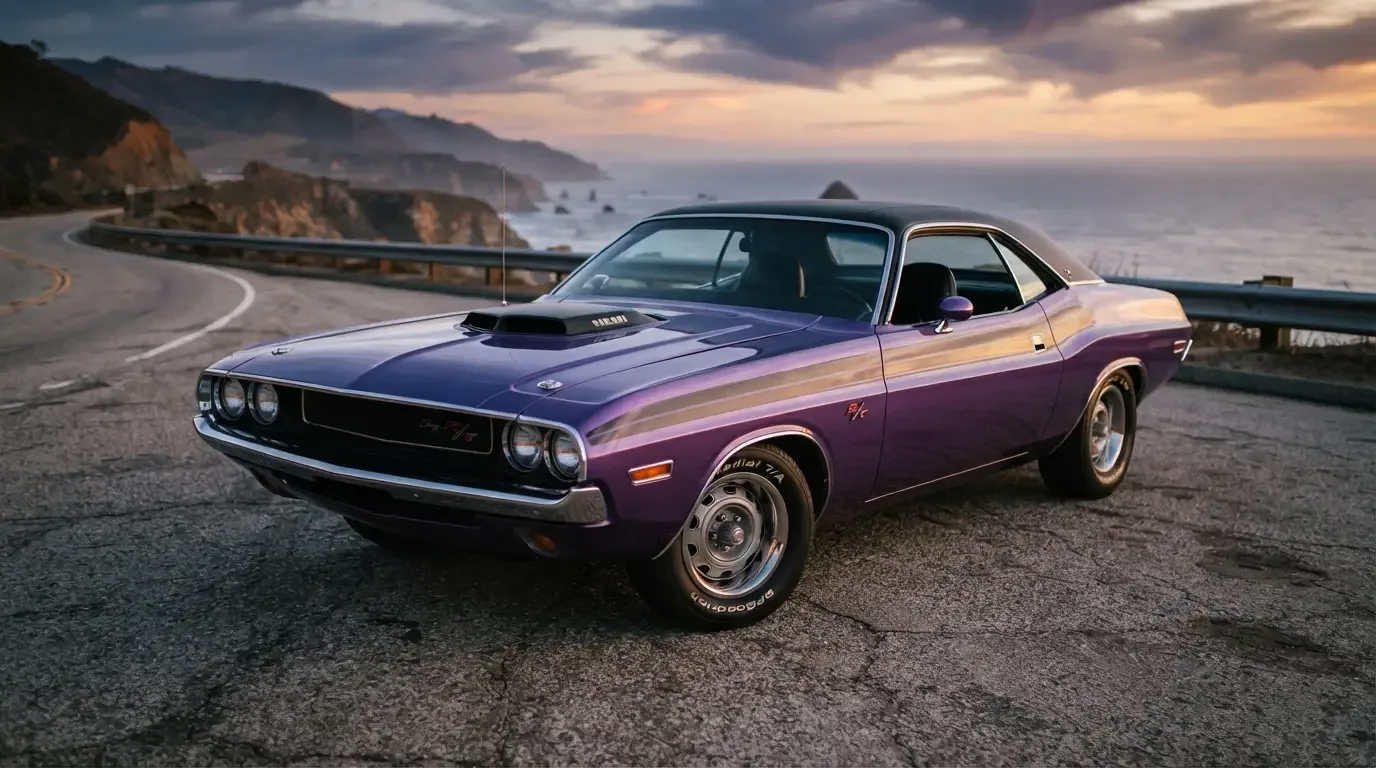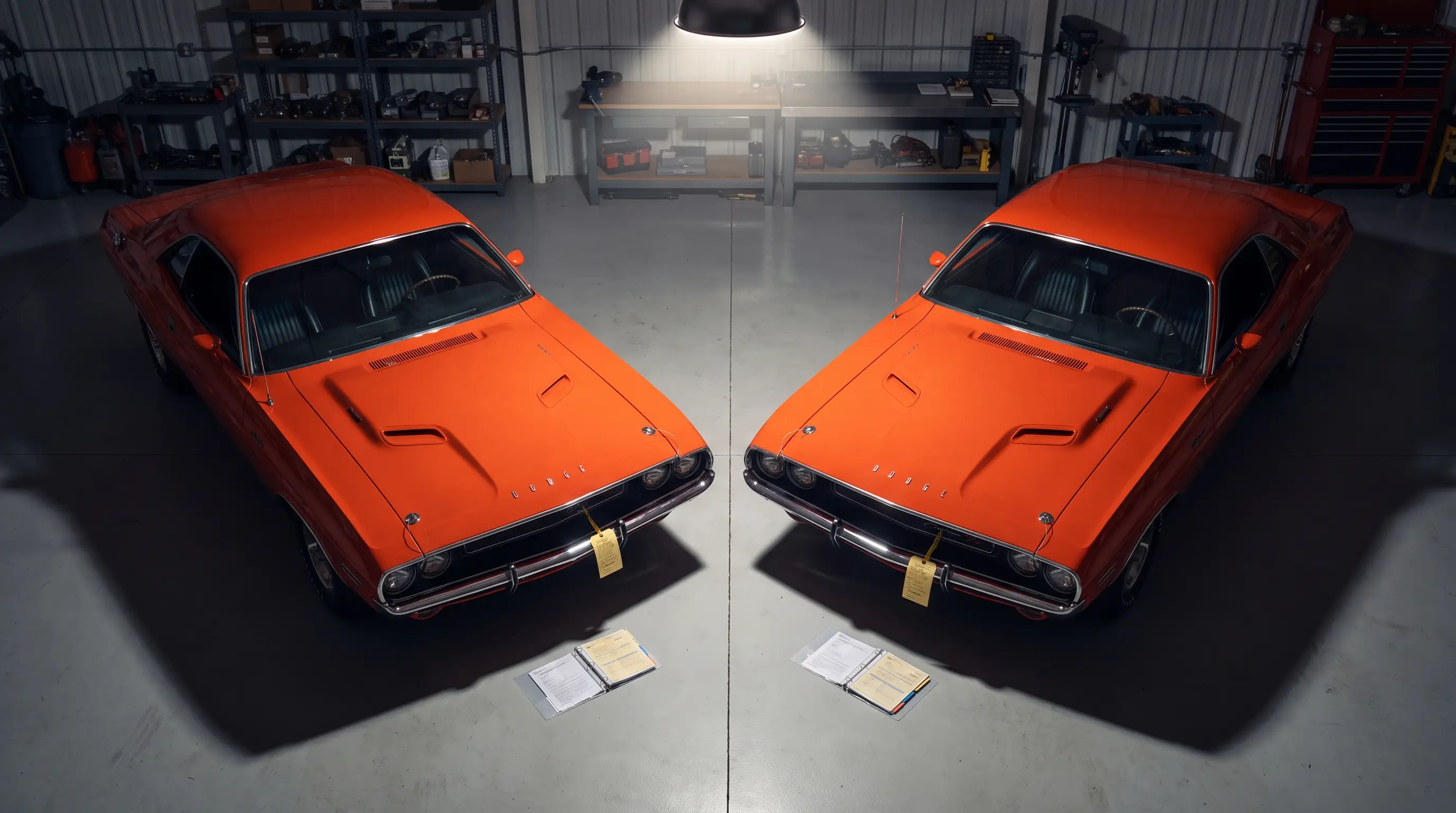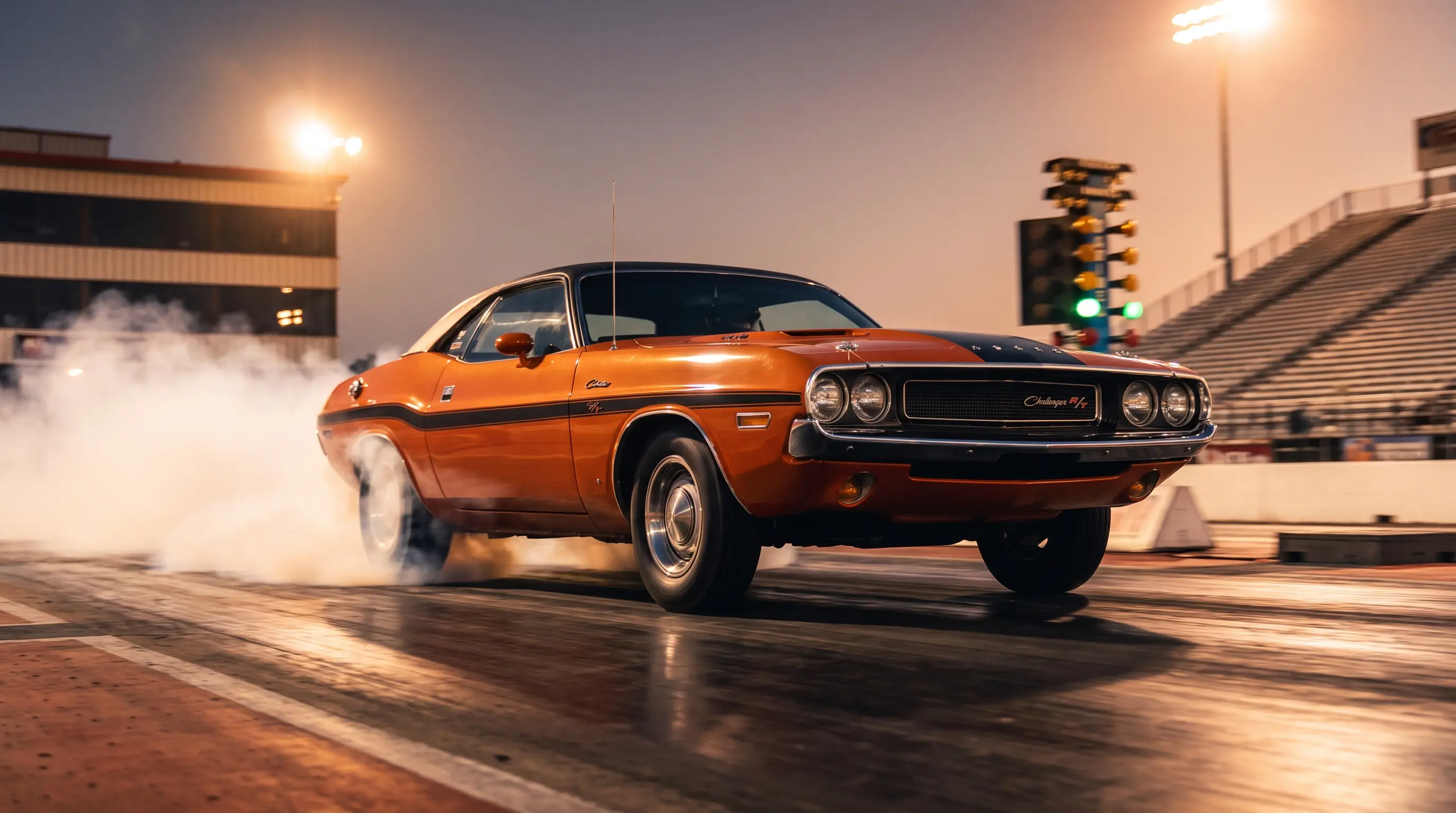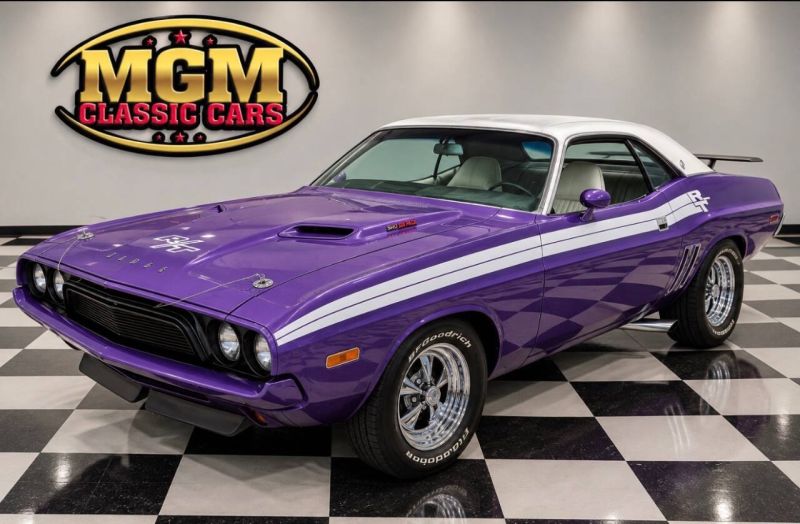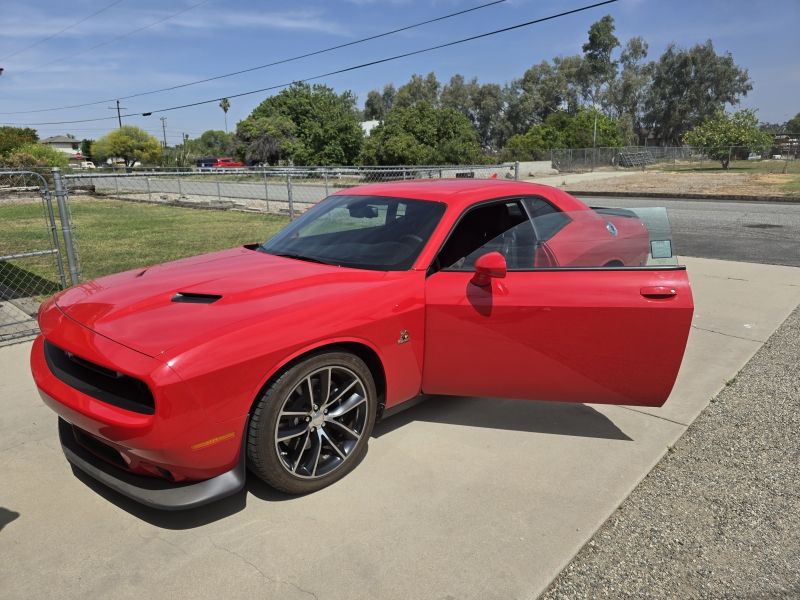
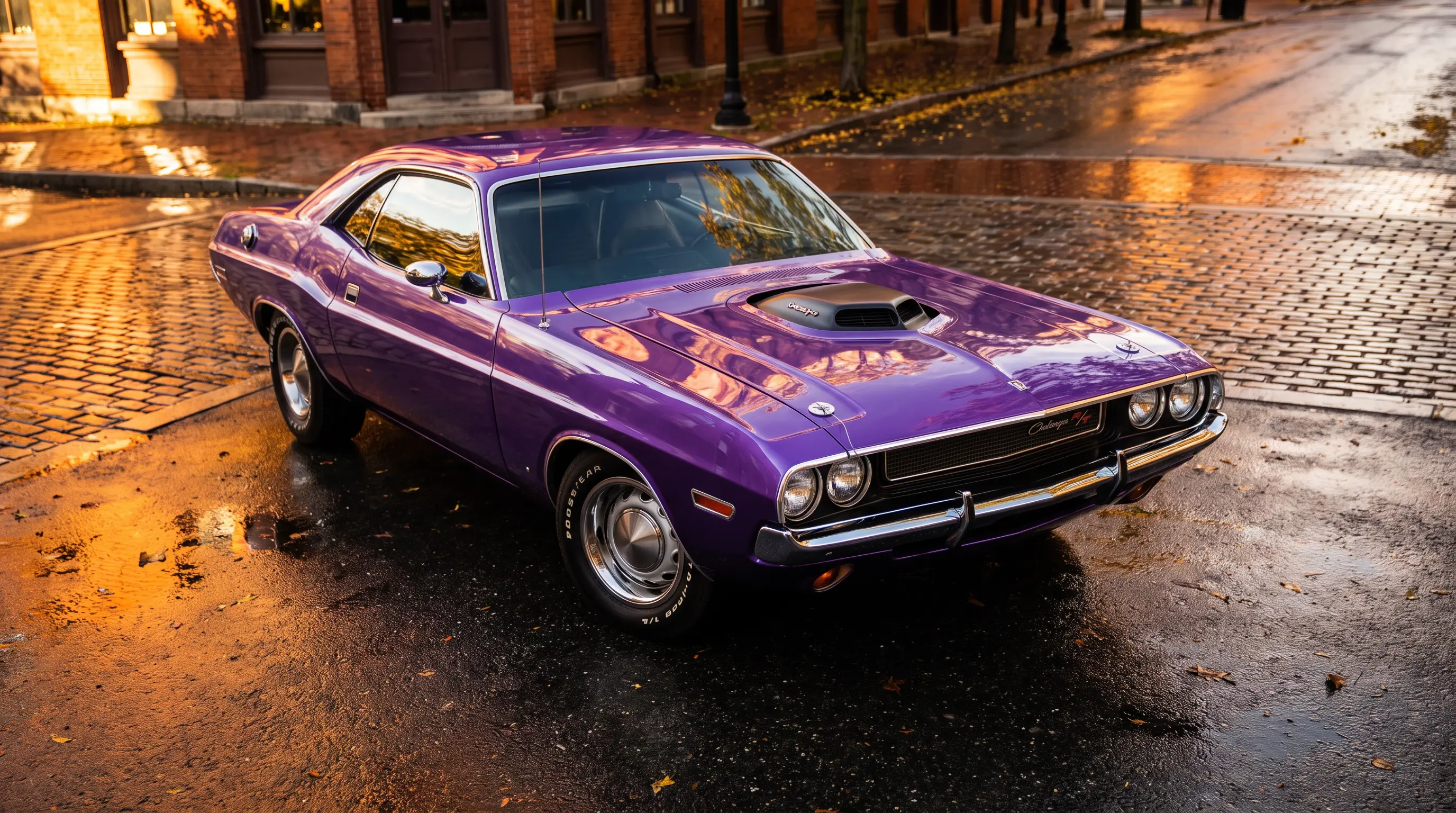
Hemi challenger colors were never subtle, and that was the whole point. Dodge's High Impact paint palette handed buyers a lineup of shades with names like Plum Crazy, Go Mango, and Panther Pink, colors built to make sure nobody missed a Challenger rolling by. Paired with the loudest engine in the lineup, these colors turned an already fast car into a rolling statement that still gets a reaction at car shows five decades later.
The High Impact palette by the numbers
Dodge introduced its High Impact color lineup in 1970 specifically to compete with Plymouth's equally aggressive palette on the same corporate platform. Colors like Plum Crazy purple, Go Mango orange, Panther Pink, Sublime green, and Top Banana yellow were all available on the Challenger, and buyers who wanted a Hemi could pair the engine with any of them. Production numbers for specific color and engine combinations are thin, but surviving registry data suggests Hemi cars in the boldest shades represent a small fraction of an already tiny overall Hemi Challenger production run.
That scarcity within scarcity is exactly why color has become its own value variable in this market. A Hemi Challenger finished in a plain white or black commands strong money on documentation and rarity alone. The same car in Plum Crazy or Panther Pink routinely brings a real premium on top of that baseline, because collectors treat the bold color as a second layer of period authenticity stacked on top of the engine itself.
Why buyers ordered these colors in the first place
Muscle car buyers in 1970 were not shy people looking for a subtle daily driver. Ordering a High Impact color alongside the Hemi option was a deliberate statement, the automotive equivalent of turning every dial to maximum. Dodge leaned into that attitude in its own advertising from the period, marketing these shades explicitly as colors that would get a car noticed whether the owner wanted the attention or not.
That marketing worked well enough in period that plenty of buyers who could have saved money with a more conservative color chose the loud option anyway, because the whole appeal of a Hemi Challenger was never about blending in. Fifty years later, that same logic drives collector demand, buyers who want the full statement car are not interested in a Hemi that hides in a parking lot.
How color affects value today
Appraisers and auction houses both treat color as a documented, quantifiable factor in Hemi Challenger pricing, not a subjective preference. A verified original High Impact color, confirmed against the fender tag's paint code, adds real dollars to a sale beyond what the same car would bring in a standard shade. Repainted cars claiming an original bold color without paperwork to back it up get treated with real skepticism, since a color change is one of the easiest things to fake on an otherwise legitimate car.
This is another spot where documentation trumps appearance every time. A stunning Plum Crazy paint job on a car that left the factory white is a cosmetic choice, not an originality claim, and serious buyers price the difference accordingly once the fender tag tells the real story.
"Color is not decoration in this market, it is a line item. A documented High Impact color on a real Hemi car adds real money, and a repaint claiming the same color without paperwork adds real risk instead."
- Dan Reeves
| High Impact color | Character |
|---|---|
| Plum Crazy | Bright purple, arguably the most iconic High Impact shade |
| Go Mango | Deep orange, aggressive daytime presence |
| Panther Pink | Hot pink, the boldest and rarest of the lineup |
| Sublime | Bright green, shared with Plymouth's equivalent lineup |
| Top Banana | Saturated yellow, high visibility daytime color |
Why some shades are rarer than others
Not every High Impact color sold in equal numbers. Panther Pink in particular was ordered so infrequently that surviving examples in any engine configuration are treated as significant finds on their own, regardless of what sits under the hood. Plum Crazy, by contrast, sold in higher volume and has become the color most associated with the whole High Impact era in popular memory, partly because it appeared in enough period advertising to stick in people's minds longer than some of the rarer shades did.
That uneven distribution means a buyer chasing a specific color combination on a Hemi Challenger may be searching a genuinely tiny pool of cars, sometimes down to single digits for the rarest pairings. Patience matters more than budget in that search, since no amount of money creates a car that was never built in the first place.
Where colors fit in the bigger Hemi story
Color is one variable in a larger equation that starts with the engine itself. For the full story on how the 426 Hemi ended up in the Challenger lineup at all, the broader retrospective covers the production numbers and history this piece builds on. Buyers curious about how a bold color stacks up against current pricing can compare classic Challenger for sale listings directly, keeping in mind that fender tag verification matters as much for paint color as it does for the engine underneath the hood.
The wildest colored Hemi Challengers were never subtle, and the market has never asked them to be. Buyers pay for the full statement, engine and paint together, because that combination is exactly what these cars were built to deliver from the very beginning.
None of that changes my basic advice for anyone shopping in this segment. Confirm the color against the fender tag before you get excited about a bold shade, treat an unverified repaint as a cosmetic feature rather than an originality claim, and understand that the rarest colors will cost real patience to find in the correct engine combination. The market rewards buyers who do that homework and quietly punishes the ones who pay a premium for a color story that a five minute paint code check would have disproven.
Interior and trim color matter too, though they get less attention than exterior paint in most conversations. A black interior was the common pairing across nearly every High Impact exterior color, but a handful of Challengers left the factory with white or parchment interiors matched to a bold exterior, and those combinations bring their own smaller premium among buyers chasing a specific look rather than just a specific engine number. Track down the interior code on the fender tag the same way you would the exterior paint code, since both tell part of the same originality story, and a mismatched pair is often the first sign that something in the car's history does not add up the way a seller claims.