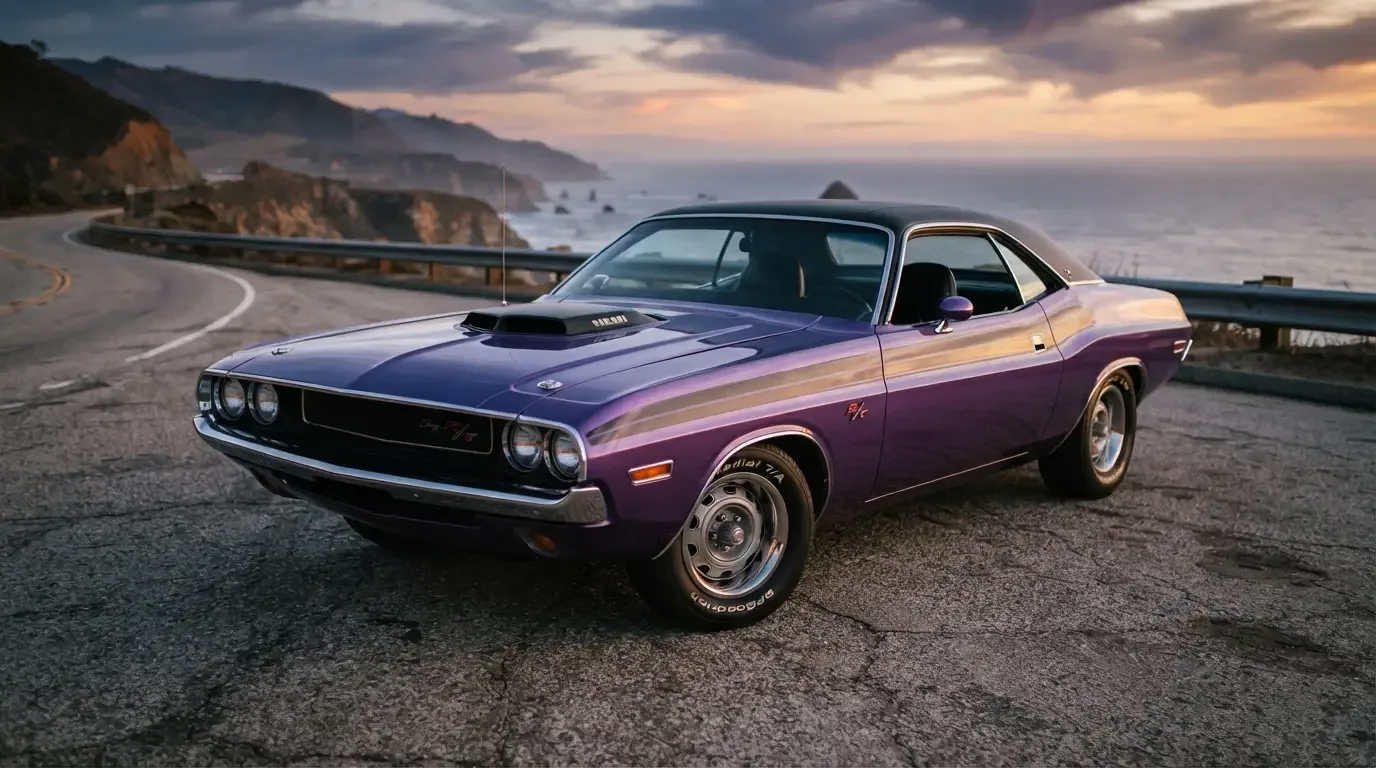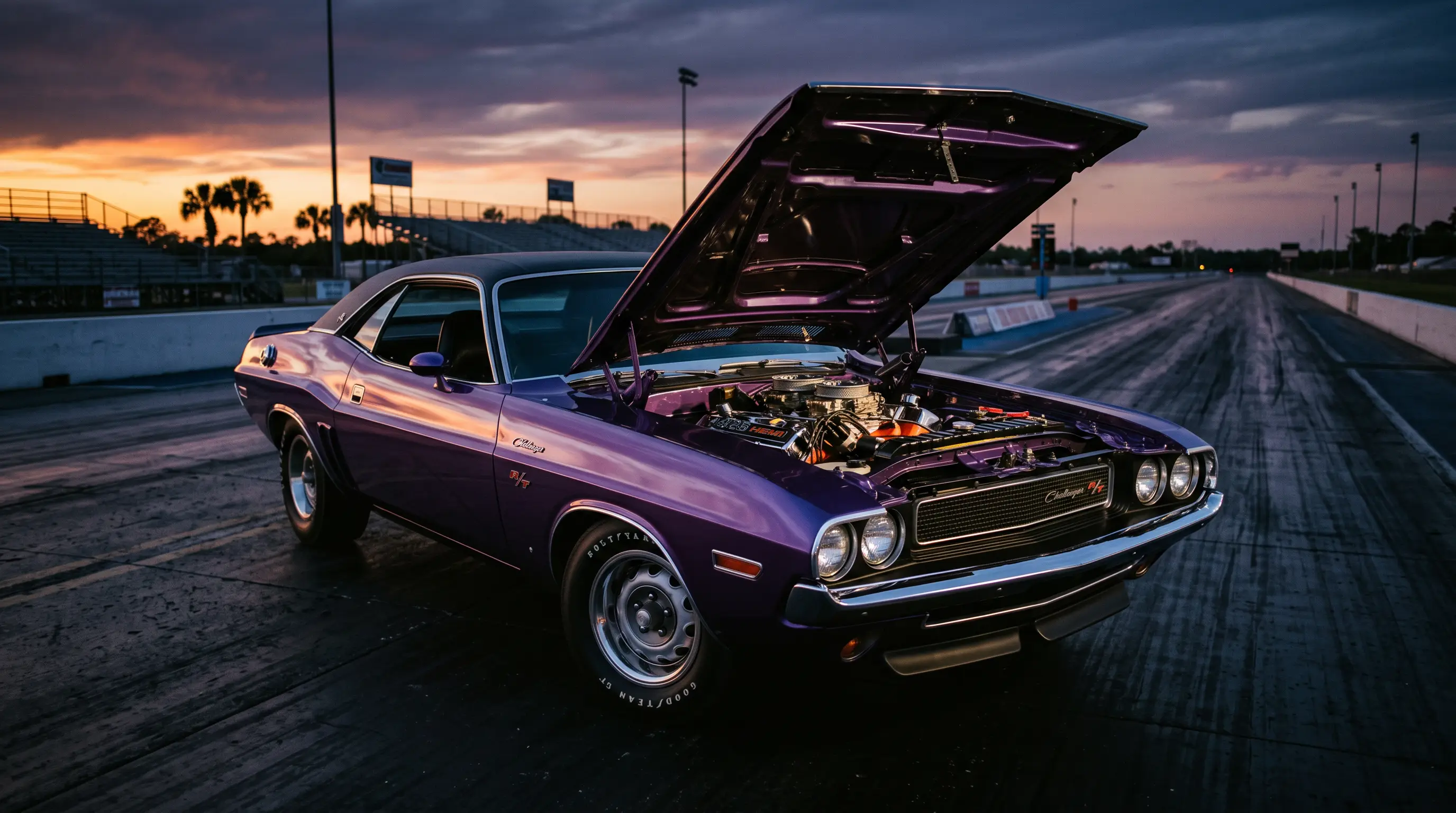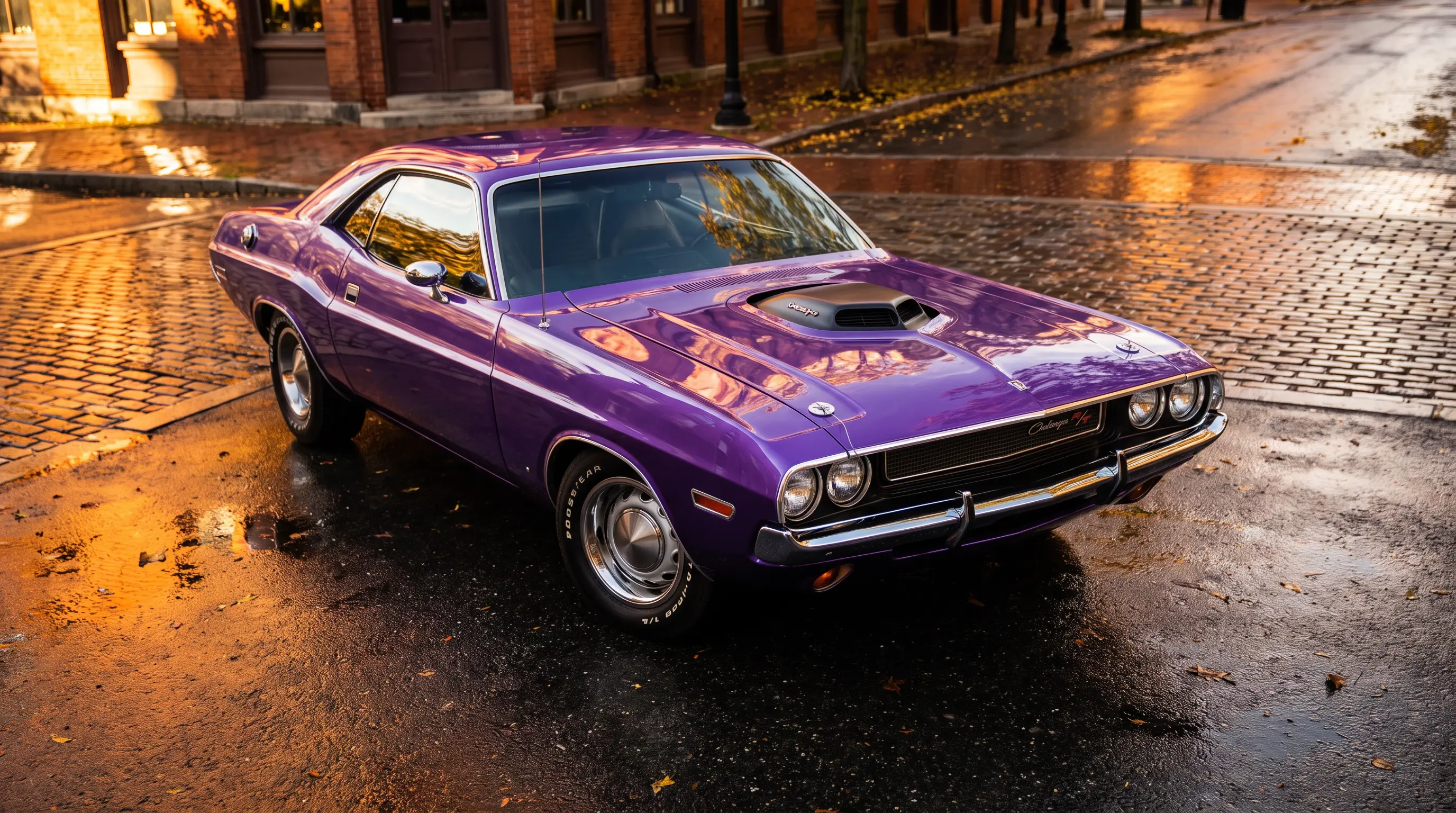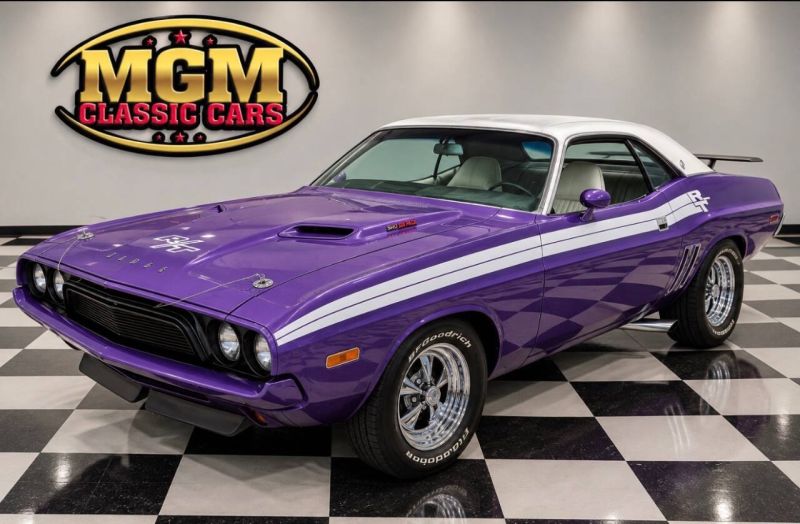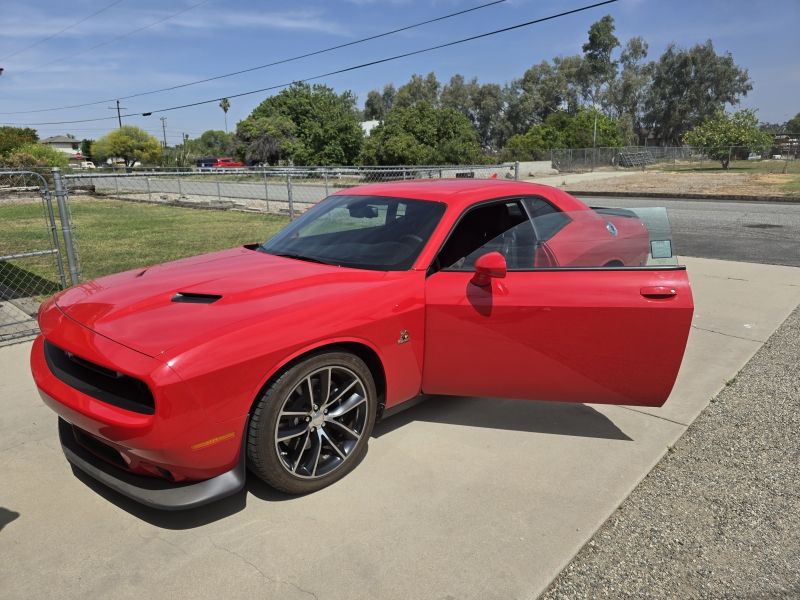
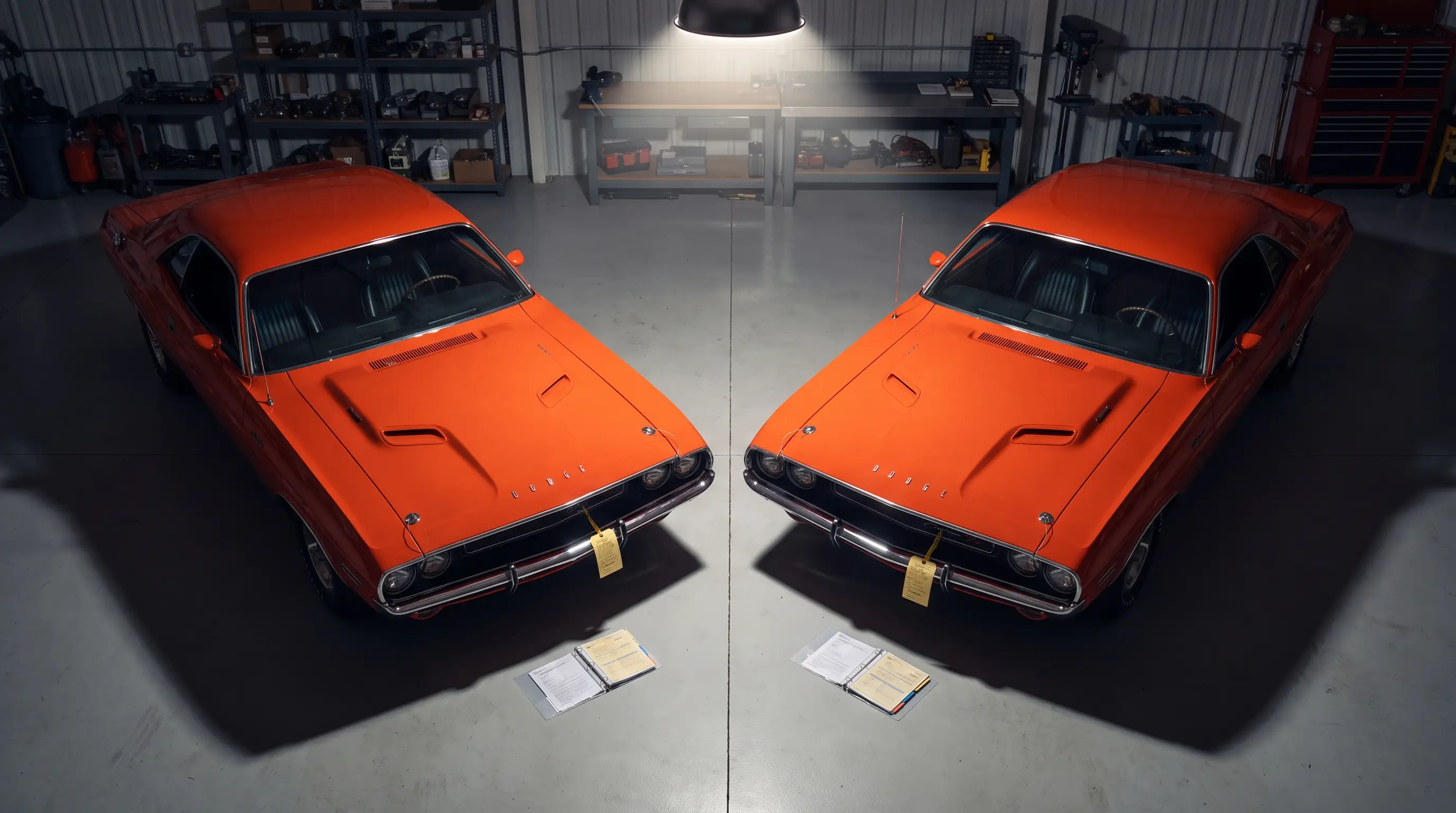
A real Hemi Challenger and a well built tribute car can look identical from ten feet away, share the same body panels, and even drive nearly the same on a test loop. The difference between them, sometimes measured in six figures or more, comes down entirely to what left the factory versus what got installed later. Understanding that gap is not optional for anyone shopping seriously in this segment, it is the single most important piece of analysis a buyer can do before writing a check.
What actually separates real from clone
A genuine factory Hemi Challenger carries specific, checkable evidence of its originality. The fender tag lists an engine code that corresponds to the 426 Hemi option, the broadcast sheet, if it survived, documents the exact build specification as it left the assembly line, and the VIN itself encodes the engine designation in a way that can be cross referenced against Chrysler's original production data. A tribute car, built by installing a Hemi or a Hemi-style engine into a Challenger that left the factory with something smaller, will not have any of that original documentation, no matter how correct the swap itself is mechanically.
This is not a judgment on the quality of a well executed tribute build. Plenty of clone Challengers are built with genuine period correct parts and real skill, and they make excellent driver's cars for owners who want the Hemi experience without the seven figure price tag attached to a documented original. The distinction matters for value, not necessarily for enjoyment behind the wheel.
How the market actually prices the difference
A documented, numbers matching Hemi Challenger with intact fender tag and broadcast sheet can be worth many multiples of an otherwise identical looking clone built from a 318 or 340 car. That gap exists purely because of scarcity and certainty, buyers paying top dollar want to know they are purchasing one of a genuinely small population of factory built cars, not a modern recreation no matter how well done.
Sellers sometimes blur this line, intentionally or not, by describing a tribute build with language that implies factory originality without stating it outright. That is exactly why a buyer doing real diligence needs to verify claims independently rather than relying on a listing description, however detailed it appears.
The verification process that actually matters
Serious verification starts with the fender tag decode, cross referenced against known Hemi production data, followed by physical inspection of the engine block casting numbers and date codes to confirm they align with the car's original build date. Specialists who focus specifically on Mopar muscle car authentication exist precisely because this process requires expertise most general appraisers do not have. Skipping this step to save money on a six figure purchase is the single most common regret buyers report after the fact.
None of this replaces enjoying the car itself. A well built tribute Challenger with a correctly installed Hemi can deliver the same driving experience as a documented original, sometimes with the added benefit of being less precious to actually use. But price and driving experience are separate questions, and conflating them is how buyers end up paying real money for a story that does not hold up under scrutiny.
"I have inspected cars where the paint, the stance, and the sound were all perfect, and the fender tag told a completely different story than the seller did. The engine bay does not lie even when the seller believes their own story."
- Emily Chen
| Check | Genuine Hemi Challenger | Tribute or Clone |
|---|---|---|
| Fender tag engine code | Matches factory Hemi designation | Shows original smaller engine code |
| Broadcast sheet | May survive, documents Hemi build | Will not reference Hemi option |
| Engine casting numbers | Date coded to original build | Sourced from a different vehicle or reproduction |
| Typical price position | Premium, sometimes seven figures | Fraction of documented car's value |
Why buyers still get fooled
The gap between real and clone should be easy to police given how much money rides on it, but confusion persists for a few specific reasons. Some sellers genuinely inherited incomplete information about a car's history and repeat what they were told in good faith. Others know exactly what they have and describe it in carefully vague language designed to let a buyer draw their own, incorrect, conclusion. A phrase like Hemi powered technically describes both a genuine factory car and a clone with a swapped engine, and that ambiguity is not an accident in a lot of listings.
Reproduction fender tags and forged broadcast sheets do exist, though they are rare enough that a specialist can usually spot inconsistencies in printing, wear patterns, or data that does not match known production records. This is exactly why relying on paperwork a seller hands over, without independent cross referencing against outside records, is not sufficient verification on a purchase of this size. The stakes are high enough that a few hundred dollars spent on independent authentication before purchase is trivial compared to the risk of paying real money for a car that cannot back up its own story, and that math holds true whether the purchase price is fifty thousand dollars or a full seven figures, because the cost of being wrong scales with the price tag in exactly the same proportion, and no seller's confidence is a substitute for a documented, independently verified answer.
Where this fits in the bigger picture
For readers who want the full context on why this specific engine option created such a wide value gap between real and recreated cars, the hemi challenger story covers the production numbers and history behind the pairing. And for the broader arc of how the Challenger nameplate itself developed before the Hemi option even existed, the full story fills in that earlier chapter.
Buyers currently shopping should treat documentation as a precondition, not a bonus feature, before comparing price against any of the classic Challengers on the market claiming Hemi power. The car that looks right and the car that documents right are not always the same car, and only one of them justifies the premium price this segment commands.
Buyers who take the extra step, hiring an independent Mopar authentication specialist rather than trusting a seller's binder of paperwork alone, rarely regret the expense even when the answer confirms what the seller already claimed. A clean bill of authentication protects resale value down the road as much as it protects the current purchase decision, since the next buyer in line will run through the exact same questions this piece has walked through here, and a documented answer on file saves everyone involved a repeat of the same investigation years later.