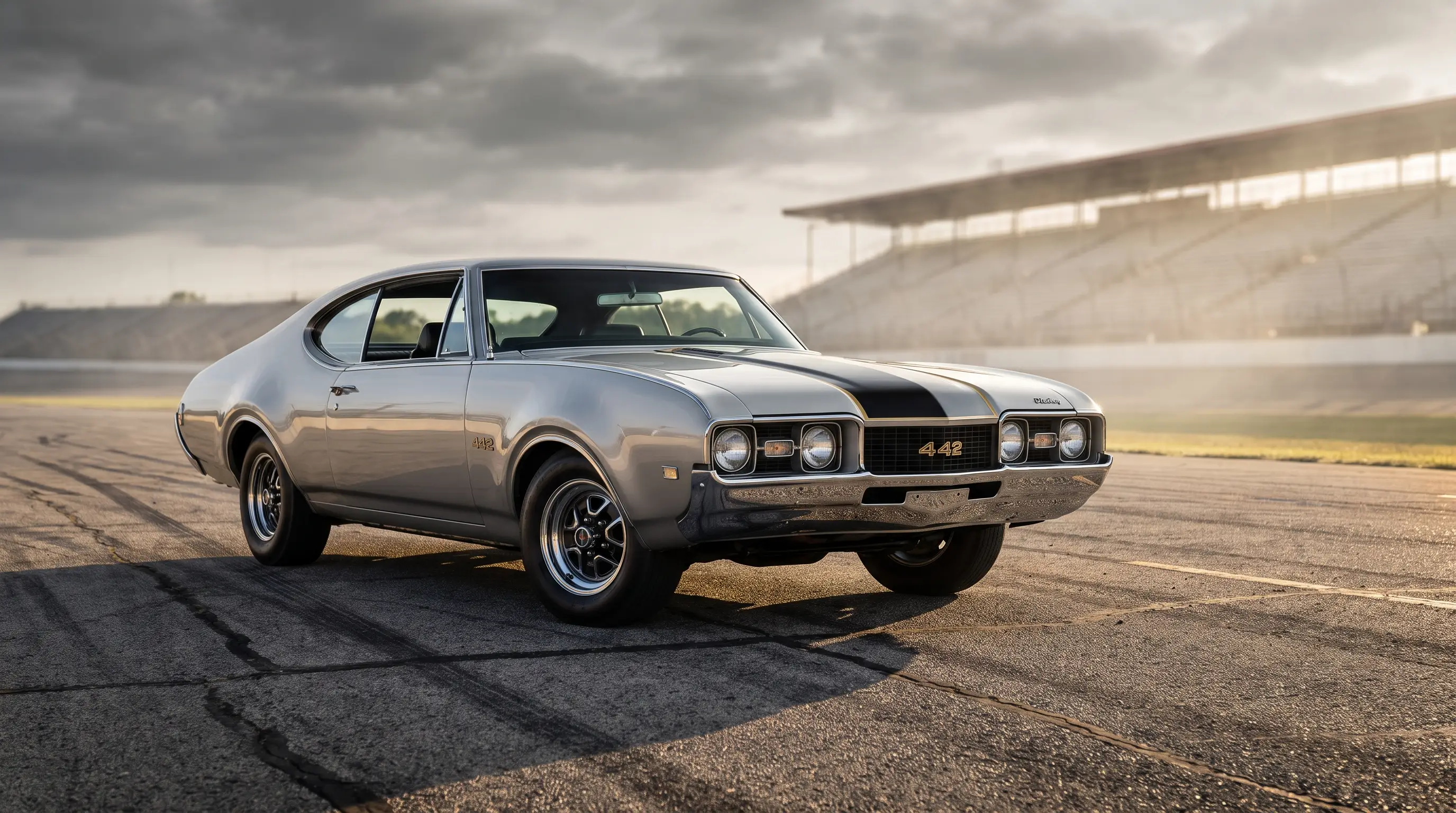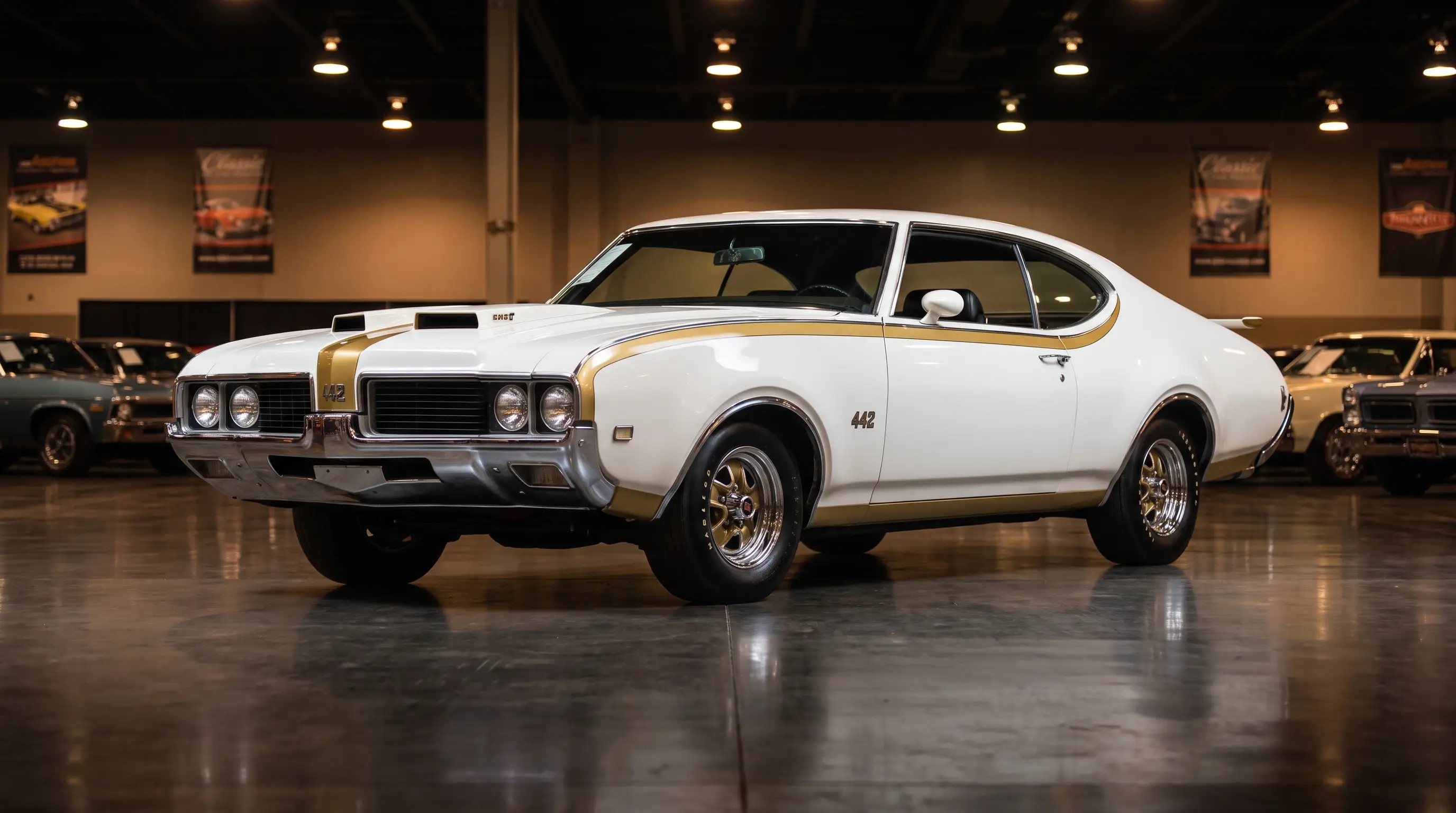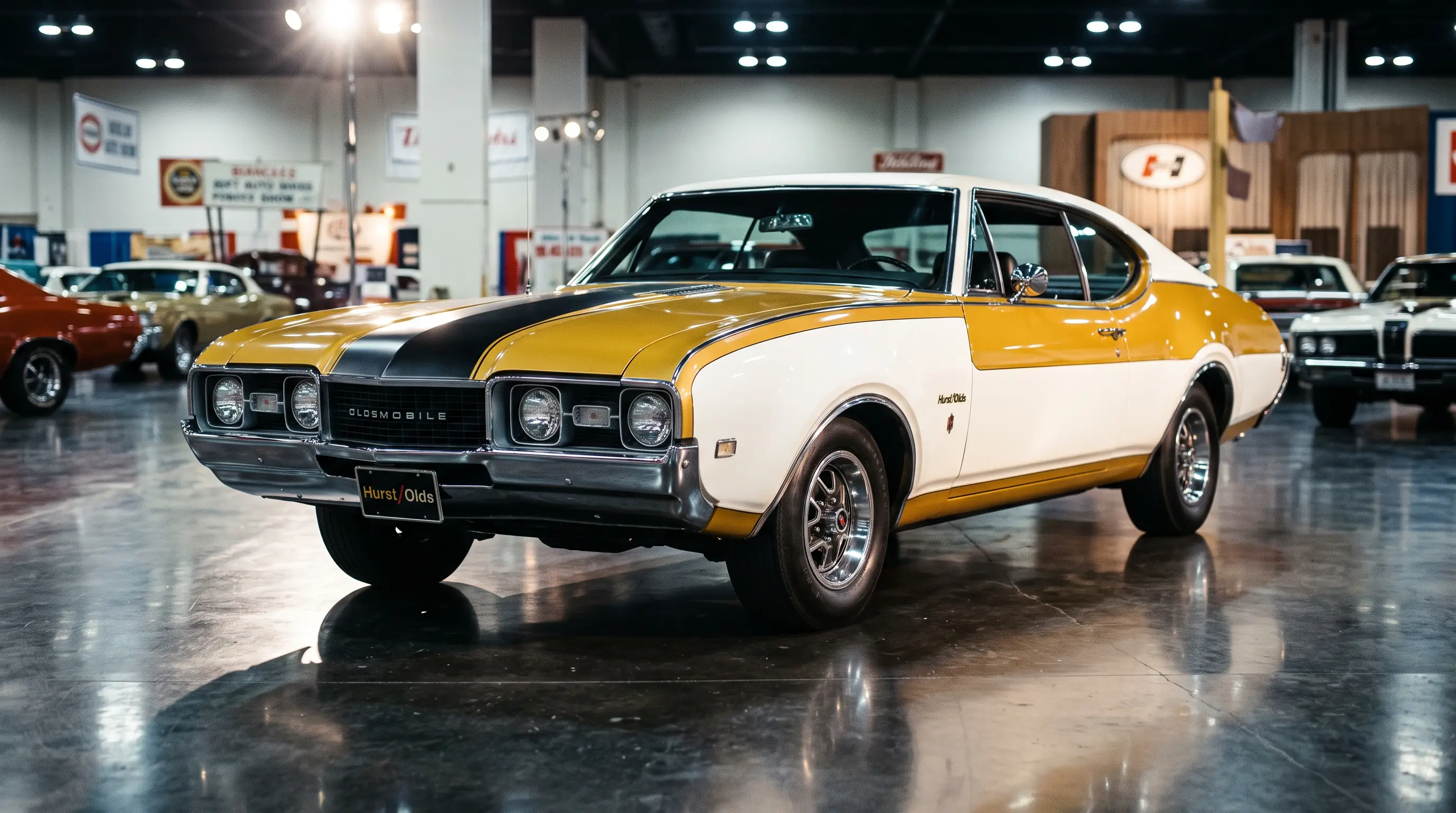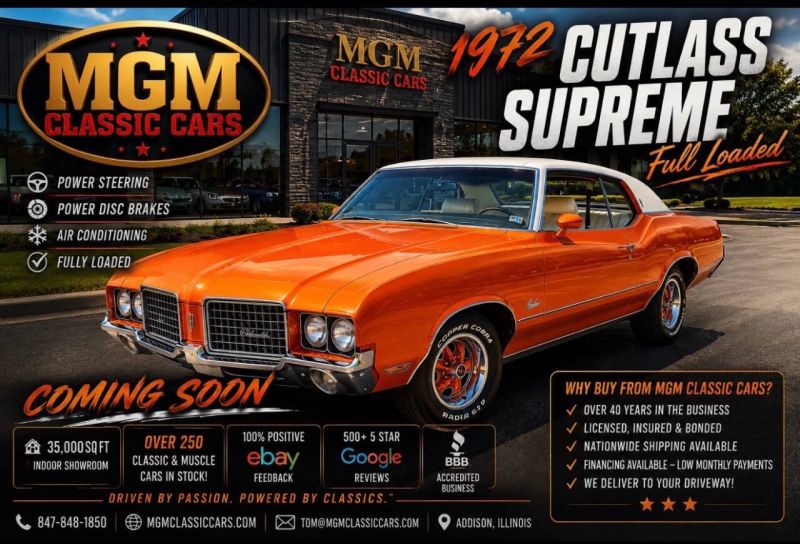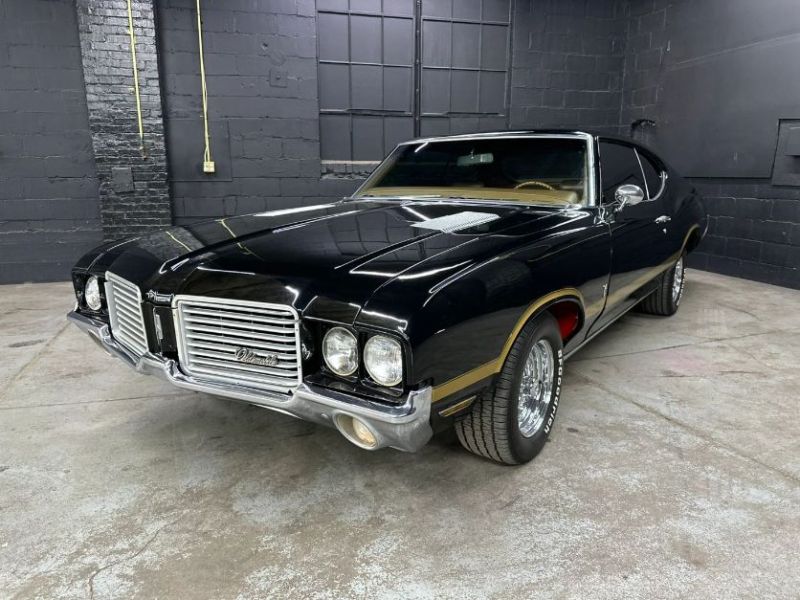
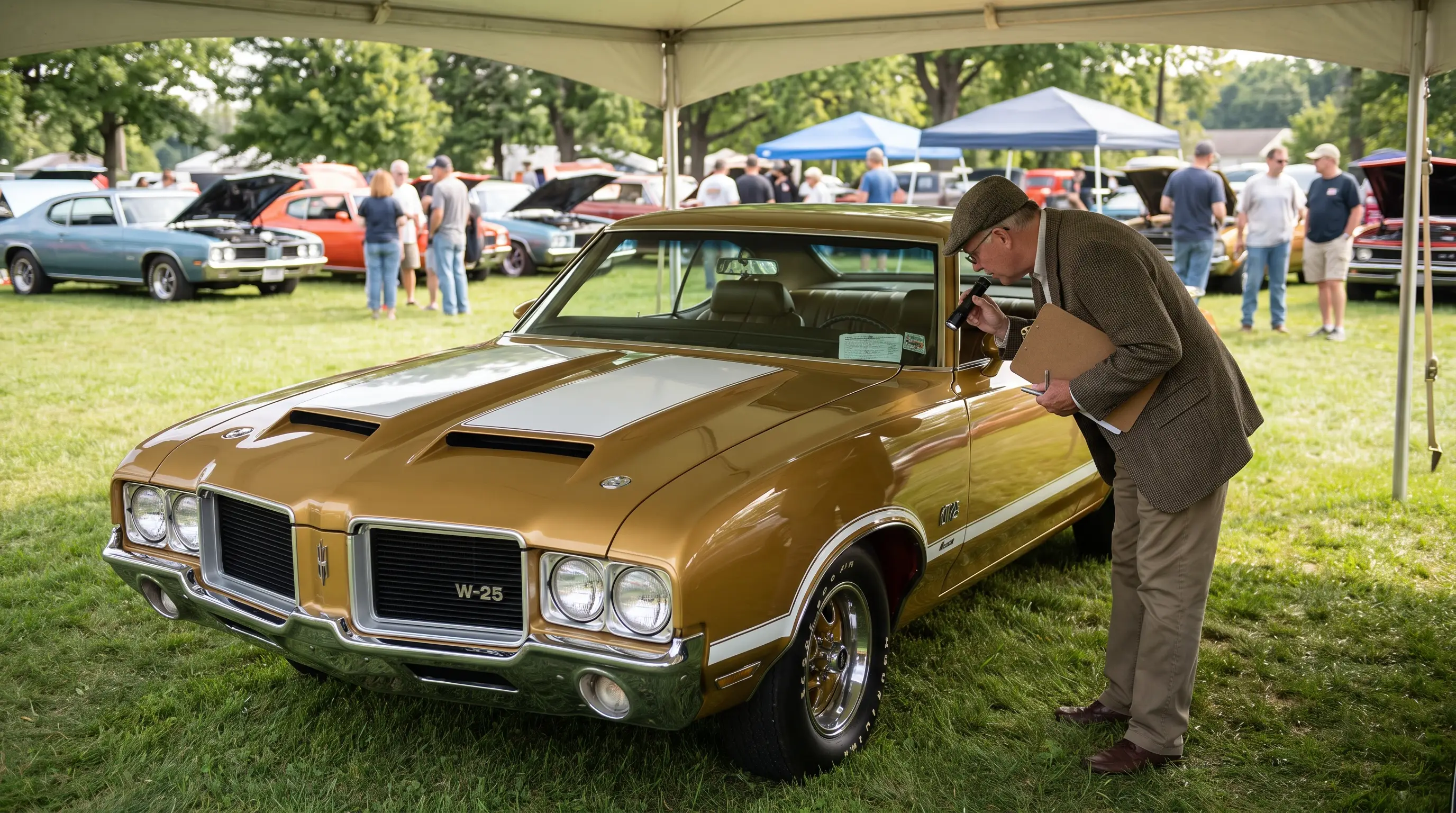
An authentic Hurst/Olds and a well-dressed clone can look identical in a listing photo, and I've watched buyers learn that lesson the expensive way more than once. The badges, the paint scheme, and the shifter are all reproducible. What isn't easily reproducible, if you know where to look, is the documentation trail that ties a specific car back to its original two-stage build. That's where a real authentication check has to start.
Why cloning is common in this specific segment
Hurst/Olds cars share their entire body, chassis, and most of their driveline architecture with the standard Cutlass 442. That's exactly what makes them attractive to clone. A builder starting with a correct-year 442 already has most of the underlying car right. Add the correct paint scheme, source the H/O badging and shifter hardware from the aftermarket, and the result can pass a casual inspection without much trouble. This isn't unique to the Hurst/Olds, most factory special editions built on a shared platform face the same exposure, but the popularity of the Hurst name and the price gap over a standard 442 make the incentive to clone one particularly strong.
None of this means every unverified Hurst/Olds is a clone. Plenty of genuine cars have simply lost paperwork over five decades of ownership changes. The goal isn't to assume the worst. It's to separate what's provable from what's merely plausible before a price gets set.
The documentation chain that actually matters
A genuine Hurst/Olds should trace through two build events: the original GM assembly line build as a Cutlass, and the subsequent Hurst-side conversion that added the correct engine package, trim, and badging. Look for a GM broadcast sheet or build sheet that confirms the base car left the factory configured to receive the Hurst conversion, ideally with the correct engine and options already specified. Then look for anything tying the VIN to Hurst's own records or period dealer documentation confirming the conversion took place.
Neither document alone is conclusive. A correct GM build sheet just proves the base car was capable of becoming a Hurst/Olds, not that it actually did. Hurst-side paperwork alone, without the GM base sheet, leaves questions about whether the underlying car matches what the conversion records describe. You want both, or at minimum a clear explanation from a specialist as to why one is missing and how the gap was otherwise verified.
| Check | What it confirms | Red flag if missing or inconsistent |
|---|---|---|
| GM build/broadcast sheet | Base Cutlass was factory-configured for conversion | No sheet, or options listed don't support a Hurst build |
| Hurst-side conversion record | Ties the specific VIN to the actual conversion | No record, seller relies on "everyone knows" claims |
| Engine block casting/stamping | Correct displacement and casting for the model year package | Casting numbers don't match the announced package |
| Trim tag and paint code | Color combination matches documented production spec | Off-spec color with no documented exception |
Reading the car itself, not just the paper
Paperwork matters, but the physical car has to back it up. Engine block casting numbers and stampings should match the displacement and package documented for that model year. Reproduction badging is common enough on genuine cars that badge correctness alone proves very little either way, but the underlying sheet metal, the VIN tag placement and stamping style, and the trim tag's paint and option codes are harder to fake convincingly without specialized knowledge.
Body panel gaps, factory undercoating patterns, and assembly line markings in areas a home builder wouldn't think to replicate are also worth a close look. A car that's been fully repainted and detailed can hide a lot, which is exactly why relying on visual impression alone is the mistake that costs buyers the most money in this segment.
🔧 Inspection Priorities
- Verify the VIN decode matches a genuine Cutlass base capable of the claimed Hurst conversion. A VIN that doesn't support the claimed configuration ends the conversation immediately.
- Have a marque specialist inspect casting numbers and trim tag data in person before final offer. Photos hide too much, and specialists catch details a general appraiser will miss.
- Ask directly why any expected document is missing, and judge the explanation, not just the absence. A believable, specific gap is different from a vague "it got lost over the years."
What this means for price
A fully documented, numbers-matching Hurst/Olds and an undocumented but visually correct car are not the same asset, even if they'd score identically in a casual walk-around. I price the gap based on how much of the documentation chain survives and how consistent the physical car is with that paperwork. A car missing one piece of the chain but otherwise checking out gets a modest discount. A car with no documentation at all, regardless of how convincing it looks, gets priced as a tribute build, not a genuine factory car, until proven otherwise.
For the broader history behind why this documentation trail exists in the first place, the Hurst/Olds chapter covers how the program came together and why two separate build stages became standard practice. And for a look at how these same cars perform once they've cleared authentication and reach the show field, a companion piece covers what judges and fellow owners actually look for at concours and club events.
"I've seen a beautifully built clone and a tired, honest original sit side by side at a show. The clone always looks better in photos. The original is the one worth the money, and the paperwork is the only thing that tells you which is which."
— David Mercer
The bottom line
Treat any authentic Hurst Olds claim as a documentation problem first and a visual inspection second. Badges and paint can be bought. A verified two-stage build history, backed by both GM and Hurst-side records and confirmed against the physical car, cannot. When those pieces align, you're looking at the real thing. When they don't, price the car for what you can actually prove, not for what the seller is confident it is.