
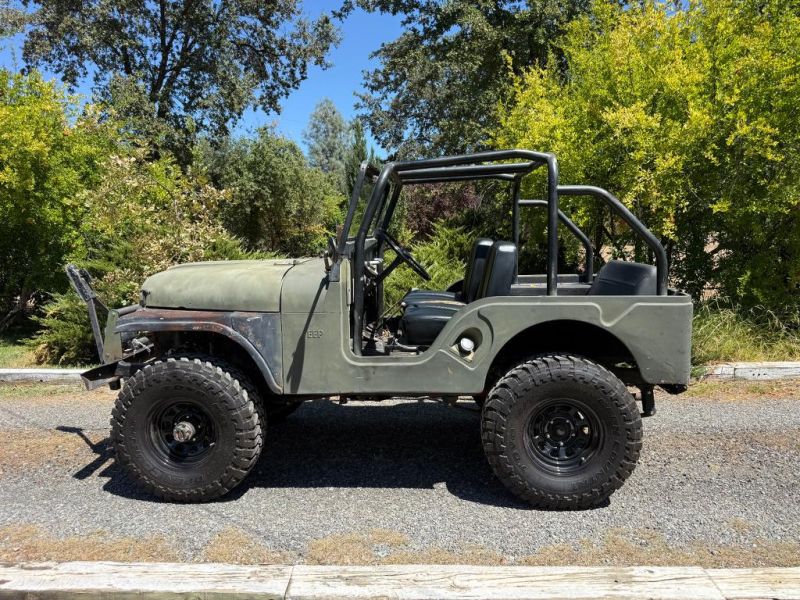
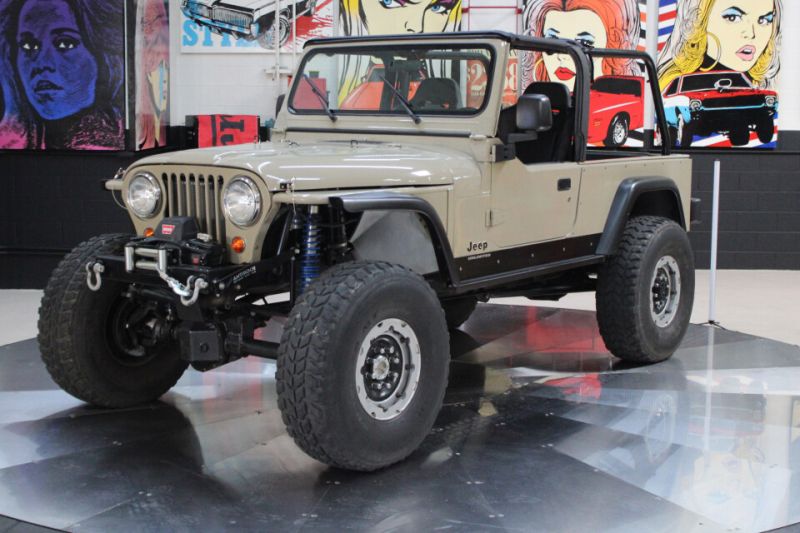
The first time Ruth Anders saw a Jeep club convoy, she was standing at a gas station outside Moab in 1974, watching a line of CJ-5s pull in one after another, each one dusty, each one driven by someone who waved at every other driver in line like they were cousins meeting at a reunion. She did not own a Jeep yet. She bought one eight months later, mostly because she wanted to be part of whatever that was. That instinct, more than any spec sheet, explains the jeep cj culture club scene, a network of local chapters and national gatherings that turned a farm vehicle into a community with its own handshake.
Car Features
7 min read
The Jeep Club Scene: Brotherhood of the CJ
From postwar garages to weekend trail convoys, the Jeep CJ club scene turned a farm vehicle into a community that still gathers today.
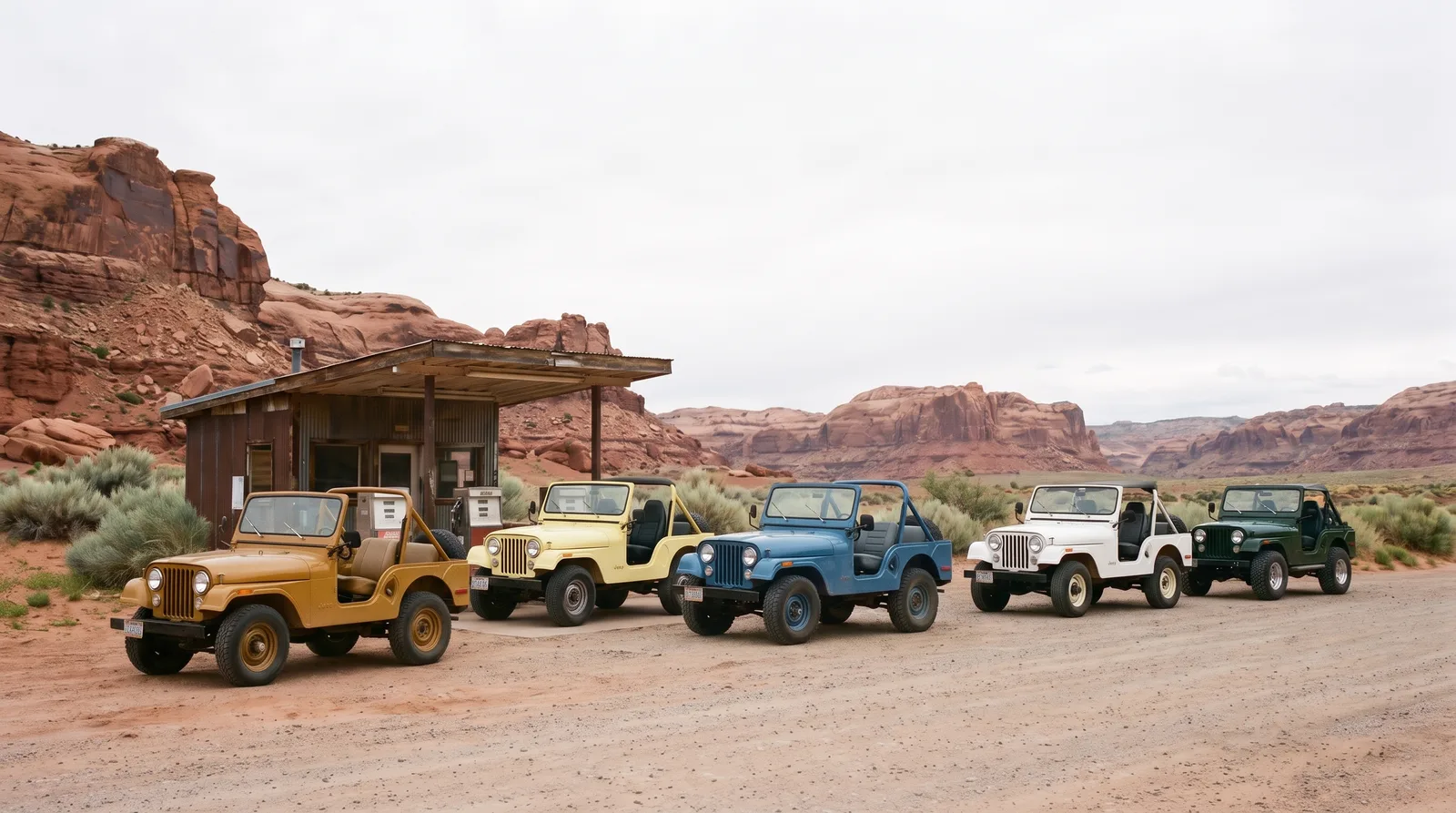
How the clubs actually started
Jeep clubs did not spring up because a manufacturer wanted them to. They grew out of necessity in the years right after the Second World War, when returning veterans who had driven MBs overseas bought civilian CJ-2As and discovered there was almost nowhere organized to take them. Trail access, parts knowledge, and basic mechanical advice were scattered and word of mouth. Small regional clubs formed to pool that knowledge, often meeting in someone's garage before they ever had a name or a newsletter. What began as practical problem-solving slowly became something closer to a second family, the kind where a stranger will hand you a tool before you finish asking for it.
The trail runs that built a culture
By the 1950s and into the 1960s, organized trail runs gave the scattered clubs a shared calendar. These were not races. They were slow, deliberate convoys over rock and sand, where the goal was getting every truck through together, not getting any one truck through first. That distinction matters. A culture built around finishing together, rather than finishing fastest, produces a different kind of loyalty than a racing scene does. People who spent a weekend winching each other's CJs out of the same wash did not forget each other by Monday. Some of those friendships lasted decades, outliving the trucks that started them.
"Nobody in that convoy cared what year your CJ was or how much you paid for it. They cared whether you'd help pull the next guy out. That was the whole membership fee."
- Nora Beckett
Regional flavor, national identity
What makes the jeep cj culture club scene interesting is how differently it developed depending on geography while still feeling recognizably the same everywhere. A Southeastern club built around mud and swamp trails looked nothing like a Rocky Mountain club navigating shelf roads at altitude, and neither resembled a Southwestern desert group crossing sand washes in summer heat. The terrain shaped the mechanics people talked about and the gear people carried, but the underlying rhythm of the meetings stayed the same everywhere: a potluck, a route briefing, a slow procession, and a story swapped around a tailgate afterward. That consistency is why a CJ owner from Oregon could show up at a Georgia club run in the seventies and feel at home within an hour.
Newsletters as the glue between meetings
Long before anyone had a way to reach a hundred members at once, club newsletters did that job, typed up on somebody's kitchen table and run off on a mimeograph machine, then mailed out to every dues-paying member whether they lived three miles away or three states over. These were not polished publications. They were often a single folded page with a trail report, a parts-wanted column, and a rough sketch of the next meet's route, but they kept a scattered membership feeling like one group instead of a dozen unconnected garages. A member who moved across the country could find the local club chapter through the same newsletter network, showing up at a new state's meeting already halfway known by reputation. That kind of continuity, built entirely on paper and stamps, is easy to underestimate now, but it is a big part of why the culture spread as evenly as it did across regions that otherwise had little reason to talk to each other.
Some of those old newsletters still circulate among collectors today, treated less like ephemera and more like primary source documents. They record which CJ modifications were considered smart and which were considered reckless in a given decade, which is information that never made it into any factory manual and would otherwise have been lost entirely.
What the clubs preserved
There is a quieter legacy here too, one that mattered more than any single trail run. Club members were often the ones who kept old CJs running long after Jeep itself had moved on to newer models. They traded parts, documented repairs in mimeographed newsletters, and passed down knowledge that never made it into a factory manual. A lot of what current owners know about keeping a CJ-3B or an early CJ-5 alive traces back to notes taken at a club meeting decades ago, not to any official Jeep literature. In that sense, the clubs functioned as an informal archive long before anyone thought to call it that. If you want the fuller arc of how trim and identity evolved alongside that community, our jeep cj renegade retrospective fills in the other half of the picture.
The scene today
Ruth still has that CJ-5, or a version of it anyway, rebuilt more than once over fifty years. She does not run the rough trails anymore, but she still shows up to the local meets, still knows half the people there by their trucks before she knows their names. That is the pattern across the country. The clubs have gotten older on average and a little smaller in some regions, but they have not disappeared, and a new wave of younger owners drawn to the CJ's honest simplicity keeps finding their way in, usually the same way Ruth did: they see a convoy, and they want in. For anyone standing at that same gas station moment today, wondering whether to finally buy one, there are always CJs for sale now waiting for someone to start their own version of that story.
A few of the older chapters have digitized their newsletter archives in recent years, scanning decades of mimeographed pages so the knowledge inside them does not disappear along with the members who wrote it. That effort matters more than it might seem. A trail report from 1968 describing which axle held up and which one did not under a specific creek crossing is still useful information to someone restoring the same generation CJ today, and it exists nowhere else but in those old pages. Preservation like that rarely gets attention, but it is quietly one of the club scene's most lasting contributions to the hobby as a whole.
The jeep cj culture club scene was never really about the trucks. The trucks were just the excuse. What it built was a standing invitation, renewed every weekend somewhere in the country, for strangers to become the kind of people who show up for each other.
Sources and notes
Related Reading
Have a
Jeep CJ
for Sale?
Reach thousands of serious classic car collectors across the US.
Sell It Here →
Selling a classic? Here's how: the best sites to sell a classic car
Are You a Classic Car Dealer?
List your full inventory and connect with targeted classic car buyers.
Join as a Dealer →

About the author
Nora Beckett
Automotive features writer and photographer who tells the human stories behind the cars, from show fields to cross-country road trips.
Related Listings - Jeep CJ

Comments
Be the first to comment on this article.