
Sit in a 1972 K5 Blazer and then climb into a 1973 model, and the difference hits you before you even turn the key. The 1973 K5 Blazer interior is not a facelift. It is a different cabin built for a different kind of buyer, one who wanted a truck that could double as a family hauler without apologizing for it. I have pulled dashboards out of both years, and the gap between them tells you exactly what Chevrolet was chasing.
Car Features
7 min read
Inside the Roomier 1973 K5 Blazer Cabin
The 1973 K5 Blazer interior traded its rough-edged first-generation cabin for real padding, a fixed roof, and a dash built for daily comfort.
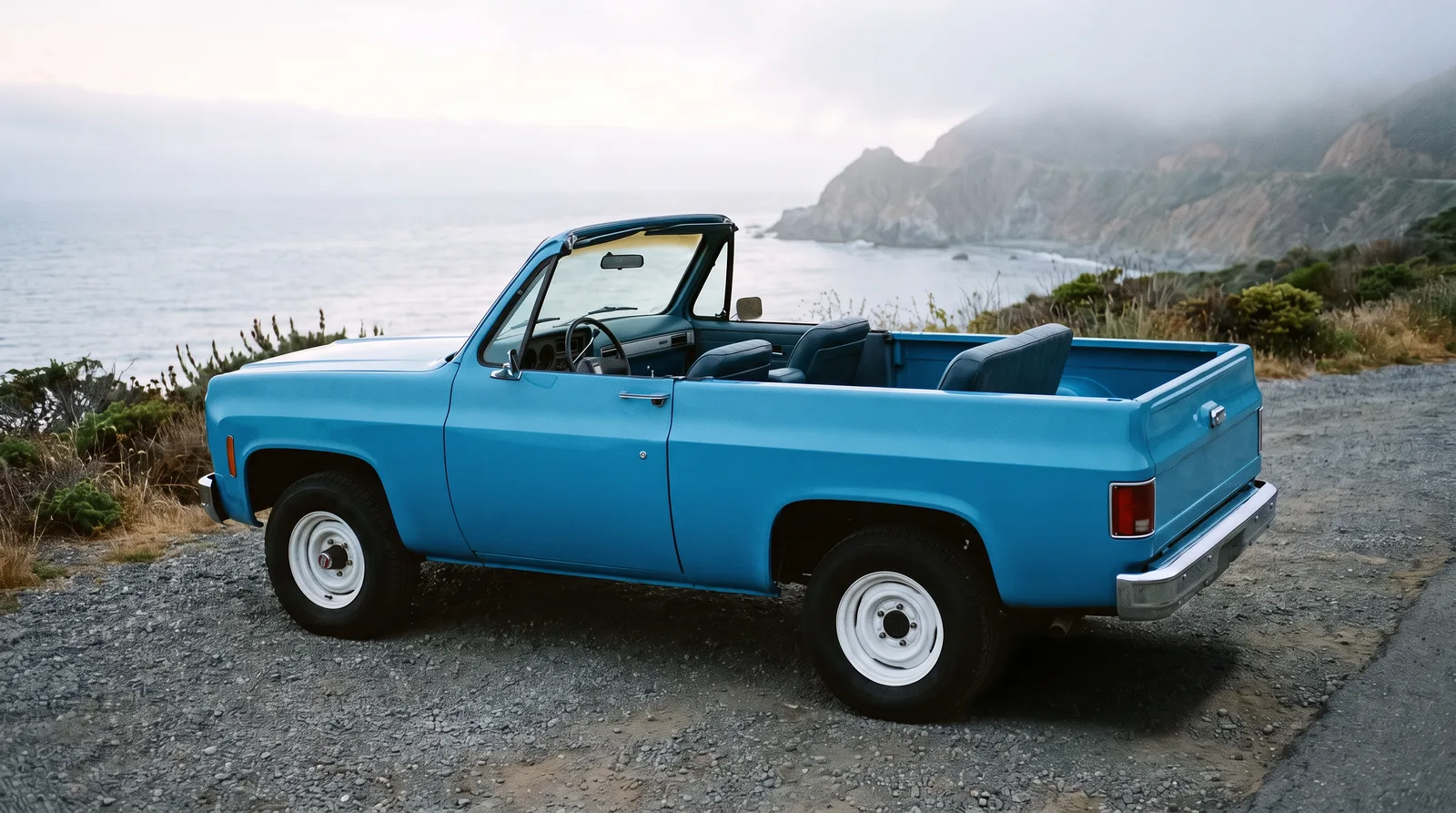
A cabin built for the squarebody era
The first-generation Blazer, 1969 through 1972, borrowed its cab from the C/K pickup but kept things simple. Removable top, a bench seat, a dash that felt more work truck than family truck. When the squarebody generation landed for 1973, the whole cabin grew up. The dash sat wider and flatter, the door panels gained real padding, and the HVAC controls moved into a layout that actually made sense to a driver who was not also a mechanic. I have swapped enough of these dashes on the bench to tell you the 1973 unit uses more plastic, more foam, and noticeably more attention to how a passenger's knee interacts with the glovebox lid. That is not an accident. That is a company reading the market.
What changed most was intent. The 1969-72 truck was still shaking off its Jeep-competitor roots. The 1973 truck was aimed at a buyer cross-shopping a Suburban or even a wagon, someone who wanted four doors' worth of comfort even though the Blazer only had two.
Seats, door panels, and the padding you can feel
The bench seat carried over as standard, but the available options sheet for 1973 reads like Chevrolet finally admitted people sat in these trucks for more than a job site commute. Thicker cushions, better spring rates under the vinyl, and a rear bench setup that could be ordered when the buyer wanted the K5 to work as a full-size people mover rather than a two-seat rig with cargo space behind. Door panels got taller map pockets and a more finished look along the beltline. None of it was luxury car material. It was still a truck interior. But it stopped feeling like an afterthought bolted to a frame.
I have stripped these cabs down to bare metal more times than I can count for you, and every 1973 and later Blazer I have opened up shows the same story: more sound deadening under the carpet, more foam behind the door skins, a genuine effort to quiet the cab down at highway speed. On a 1969-72 truck that work is thin to nonexistent.
Dash layout and the gauges that mattered
The instrument panel for 1973 moved to a design shared more closely with the C/K pickup line, which meant better parts availability down the road and a layout drivers already understood if they had ever sat in a Chevy truck of that era. Round gauges sat ahead of the driver rather than scattered across a flat panel, and the climate controls consolidated into a single cluster instead of being spread out wherever there was room. It reads as small stuff until you are the one trying to find the wiper switch at sixty miles an hour in the rain. Chevrolet fixed that for 1973 and it stuck for the rest of the squarebody run.
Optional gauge packages let buyers add oil pressure and amp readouts beyond the base warning lights, which mattered to owners who actually used these trucks off pavement and wanted real data instead of a light that only came on after something had already failed.
"People talk about the 1973 Blazer's styling changes on the outside, but the interior is where you feel the truck actually grew up. Chevrolet stopped building it like an afterthought and started building it like a truck people would live in."
- Jim Vasquez
What to check if you are sitting in one today
For the fuller picture of how the whole truck changed that year, not just the cabin, our 1973 k5 blazer retrospective lays out the entire redesign. And if you want to see how the interior work fit into the broader jump from the first generation, a related story walks through it side by side.
None of this interior evolution happened in a vacuum. It happened because Chevrolet watched what buyers actually wanted from a K5 Blazer and adjusted. That is the whole story of the squarebody cabin in one sentence, and it still shows up in how these trucks drive today.
If the 1973 cabin has you looking for one to sit in yourself, K5 Blazers for sale now is a good place to start comparing what has survived in honest condition.
The interior's lasting influence
Later squarebody Blazers through 1991 refined this cabin further, but the bones set in 1973 never really changed. Dash shape, door panel structure, seat mounting points, all of it traces back to the decisions made for that one model year. Owners restoring later trucks often find that 1973 interior parts, where they differ from the facelifted late-70s pieces, are the hardest to source because that first squarebody cabin was only produced for a couple of years before running changes started creeping in. It is a short window that set a long-running standard, and that is worth remembering the next time someone tells you the 1973 model was just a styling update.
Trim levels and how the cabin scaled with price
Chevrolet did not sell one interior for 1973. The base Blazer came with a rubber floor mat, a plain bench, and a dash that skipped most of the brightwork. Move up the trim ladder and you find woodgrain-look appliques on the dash face, upgraded door panel inserts, and a cleaner headliner material that resisted sagging better than the base cloth. Buyers who wanted the truck to double as a wagon for the family often paid for the upper trims specifically because of how much nicer the cabin felt on a long drive. I have restored base trucks and top trim trucks side by side, and the price difference from the factory bought a genuinely different experience behind the wheel, not just badges.
Custom Deluxe and Cheyenne-adjacent trim packages, borrowed from the pickup side of the lineup, brought the nicest cloth and vinyl combinations Chevrolet offered on a K5 that year. Finding one of these higher trim interiors intact today, without decades of aftermarket seat covers hiding what is underneath, is a genuine find for anyone chasing a correct restoration.
Heater and ventilation output also scaled with options. A truck ordered with the upgraded heater core moved noticeably more warm air to the rear footwells, a detail that mattered plenty to owners running these Blazers through real winters rather than just weekend trail days.
Sources and notes
Related Reading
Have a
Chevrolet Blazer
for Sale?
Reach thousands of serious classic car collectors across the US.
Sell It Here →
Selling a classic? Here's how: compare the places to sell classic cars
Are You a Classic Car Dealer?
List your full inventory and connect with targeted classic car buyers.
Join as a Dealer →

About the author
Jim Vasquez
Southern California hot rod and custom car builder with roots in the traditional kustom kulture scene.
Related Listings - Chevrolet Blazer

Comments (1)
G
Gene Przybylski
3 days ago
Here's the thing. My buddy Stan's '74 Blazer had that exact dash pad crack by the defroster vents, and a decent replacement pad ended up eating most of what he'd budgeted for the whole interior. He'd have been smarter buying a truck with a good pad already in it. Check that pad before you talk price, because that's real world money.
S
Sam Whitaker
2 days ago
sir my F-150 dash has that same crack by the vents rn. is a dash cover worth it or nah?