
I have put my hands on both generations of K5 Blazer sheet metal enough times to have opinions about which one is "right," and I will tell you up front that a lot of builders in my shop circle disagree with me. The k5 blazer 1973 squarebody debut is the moment the truck stopped looking like a jeep that got some steroids and started looking like the trucks people picture today when they hear the name Blazer. It was a bigger change than most casual fans realize, and it split the K5 Blazer's history clean in two.
Car Features
8 min read
1973: The Year the K5 Blazer Went Squarebody
The 1973 redesign traded the first-generation K5's rounded fenders for flat squarebody panels, splitting the truck's history into two very different eras.
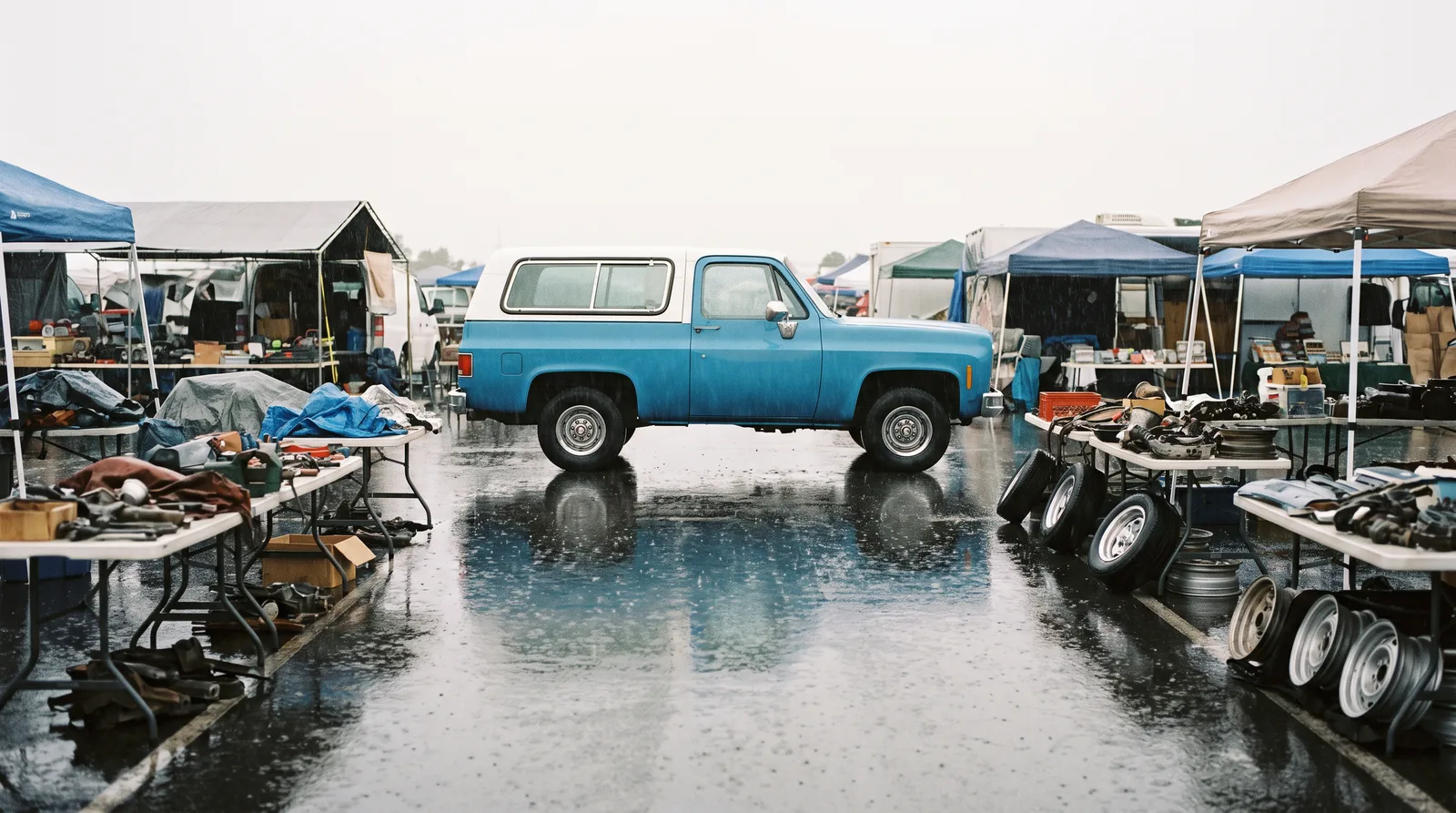
What actually changed when the body went square
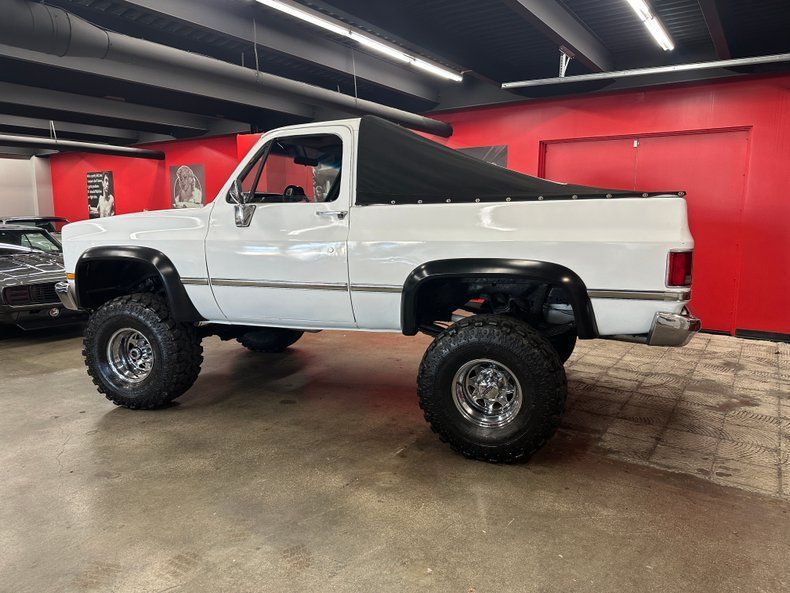
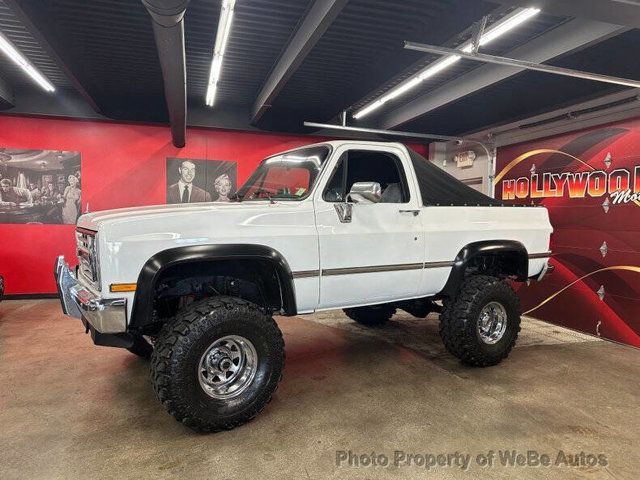
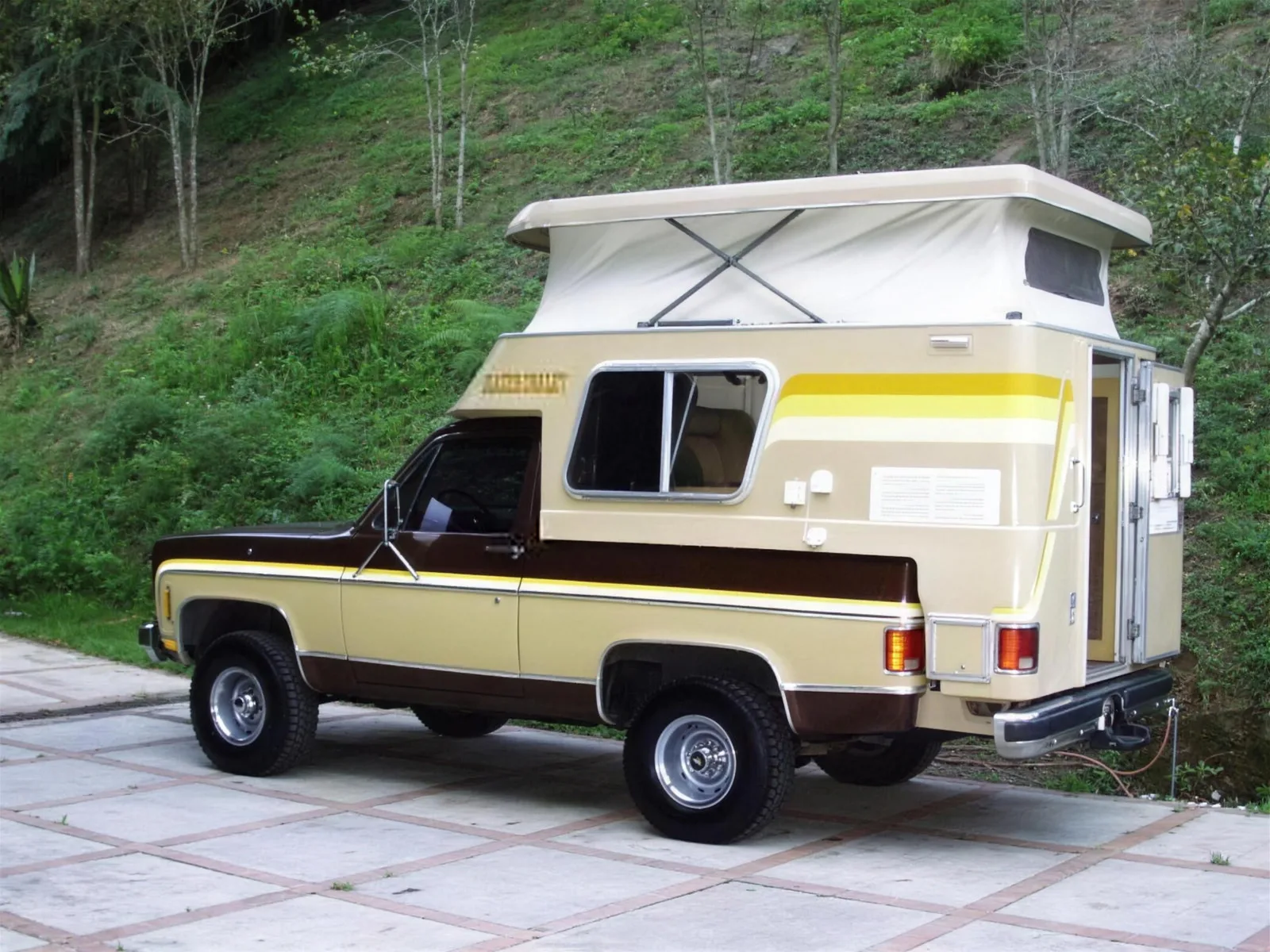
The first-generation K5, built from 1969 through 1972, rode on a shorter wheelbase with rounded fenders and a removable full-length top, a design that borrowed heavily from the smaller Jeep-style trucks it was competing against. For 1973, Chevrolet moved the K5 Blazer onto the same new full-size truck platform underpinning the redesigned C/K pickup line, and the whole visual language of the vehicle changed with it. Flat panels replaced the rounded ones. The hood grew wider and flatter. The cab got roomier, and the whole truck sat with a squarer, more upright stance that traded some of the original's scrappy charm for a bigger, more confident presence on the road.
That is where the nickname "squarebody" comes from, and it stuck to this generation of GM trucks so hard that people use it as shorthand decades later without needing to explain which years they mean. If you say squarebody in a truck circle, everyone in the room knows you are not talking about a 1970 Blazer.
The engineering that came with the new sheet metal
GM did not simply restyle the truck for 1973. The company's own people called this generation the Rounded Line, which sounds like a punchline now that everyone on earth calls it the squarebody, but the name tells you the designers were thinking about softened edges and airflow rather than the slab sides enthusiasts remember. GM Design Staff was still run by Bill Mitchell in those years, and the truck program finally got the kind of attention that used to be reserved for cars, including wind tunnel time at a point when almost nobody bothered testing a pickup for aerodynamics. The result was a cab with curved side glass, a first for a GM truck, and a greenhouse that felt a great deal less like a tool shed than the 1969 to 1972 cab did.
Underneath, the changes were just as real. The new truck line moved the fuel tank out from behind the seat, and anybody who has torn into an early cab will tell you that was a long overdue idea. Frame, suspension mounting points, steering, body mounts, cab structure: all of it was new to the platform, so almost nothing structural carries across the 1972 to 1973 line. That is worth knowing before you buy a parts truck, because a seller calling a 1971 chassis a squarebody donor is either confused or hoping you are.
"The squarebody redesign gave builders flat panels and honest proportions to work with. That is a gift if you know what to do with it, and a trap if you do not."
- Jim Vasquez
Why the change mattered more than a styling refresh usually does
A lot of model-year updates in this era were cosmetic, a new grille, revised trim, badges moved around. The 1973 change was structural and it reshaped how the truck lived day to day. The half-cab configuration that eventually became available gave owners a fixed steel roof over the front seats with a removable section over the cargo area, something the first-generation truck's full-length removable top never offered in quite the same way. That shift toward more permanent structure over the cab reflected where the market was heading, buyers wanted a truck that could handle daily use and weather without turning the whole roof into a project every time conditions changed.
From a builder's chair, that structural shift matters just as much as the styling does. The squarebody's flatter panels and boxier proportions are more forgiving to repair and modify than the rounder first-generation body, and that practical difference is a big part of why squarebody trucks have stayed easier to find in restorable condition. Straight panels do not hide damage the way curves can, and they do not demand the same level of specialized bodywork skill to get right.
How a 1973 was actually ordered
The order sheet is the part most people skip, and it is where the debut year gets genuinely interesting. Chevrolet sold the new Blazer in both two wheel drive and four wheel drive form, so a Blazer badge on the tailgate never guaranteed a driven front axle underneath, and plenty of these trucks have been converted in both directions across fifty years of ownership. Small block V8 power did the heavy lifting, with the 350 being the engine most buyers chose and the one most survivors still wear today. Trim ran from a plain work spec up through the Cheyenne, which brought the brightwork, the nicer door panels, and the interior touches that make a well optioned 1973 feel a full class above a stripper truck sitting next to it.
The full length removable top also carried into this generation for a few more years before Chevrolet went to a fixed roof over the front seats with a liftoff section behind it. That means a genuine early squarebody with its original convertible top is a different animal from the half cab trucks most people picture when they hear the word. Those early full top squarebodies are the ones I field the most calls about, and the ones where original latches, hardware, and weather seals turn a straightforward restoration into a multi year hunt.
Squarebody or first-gen, the shop-floor argument that never dies
Ask ten builders which K5 Blazer generation is the "real" one and you will get at least three different answers delivered with total confidence. First-gen loyalists point to the removable top and the tighter, scrappier proportions as the truck's purest form. Squarebody people, and I count myself mostly in this camp, argue that the 1973 redesign is when the K5 Blazer became a genuinely usable truck instead of a charming compromise, roomier, more comfortable, easier to live with, and still plenty capable off road.
What I tell people who ask me to settle it is that the argument is really about what you intend to do with the truck, not about which shape is prettier. If you are building a weekend toy that lives on a trailer and gets admired at shows, the first generation proportions are hard to beat and the scarcity works in your favor at resale time. If you want something you can drive to work on Monday, take on a long highway run, put a family and a cooler in, and still point off road on a Saturday without regretting every mile, the 1973 and later trucks do that job better and the parts supply standing behind them is deeper by a wide margin.
Neither side is wrong, and that disagreement is honestly part of what keeps the K5 Blazer interesting as a build platform decades later. A truck that only ever pleased one kind of owner would not have this much conversation still happening around it at every show and swap meet where these things gather.
What the debut year means for buyers now
For anyone shopping the used market, understanding this split matters because the two generations are genuinely different trucks to own, not just different-looking versions of the same thing. Parts availability, cab room, ride comfort, and even the character of the driving experience shift noticeably at that 1973 line. Readers who want the full context can dig into 1973 k5 blazer history for the complete picture of that model year, and there is a related story covering the redesign in more depth for anyone who wants to go further into what changed and why.
Whichever generation pulls at you, the market for these trucks has only gotten more serious about condition and originality in recent years, and clean examples of either era do not sit unsold for long. Anyone ready to start looking can check K5 Blazers for sale now and see what is actually available before deciding which side of the squarebody argument they land on. My advice, for whatever it is worth from someone who has built both: drive one of each before you commit. The difference is bigger than photos ever show.
Sources and notes
Related Reading
Have a
Chevrolet Blazer
for Sale?
Reach thousands of serious classic car collectors across the US.
Sell It Here →
Selling a classic? Here's how: compare the places to sell classic cars
Are You a Classic Car Dealer?
List your full inventory and connect with targeted classic car buyers.
Join as a Dealer →

About the author
Jim Vasquez
Southern California hot rod and custom car builder with roots in the traditional kustom kulture scene.
Related Listings - Chevrolet Blazer

Comments
Be the first to comment on this article.