
K5 Blazer 1973 values sit in an interesting spot in the squarebody market. The 1973 model is the first year of the redesigned generation, which gives it a claim to significance that later, more refined squarebody years cannot make. Whether that significance translates into a price premium is a separate question, and the honest answer is that it depends heavily on what you are comparing it against.
Car Features
7 min read
What the First Squarebody K5 Is Worth Today
K5 Blazer 1973 values track close to the broader squarebody market rather than commanding an automatic first-year premium, condition still decides the price.
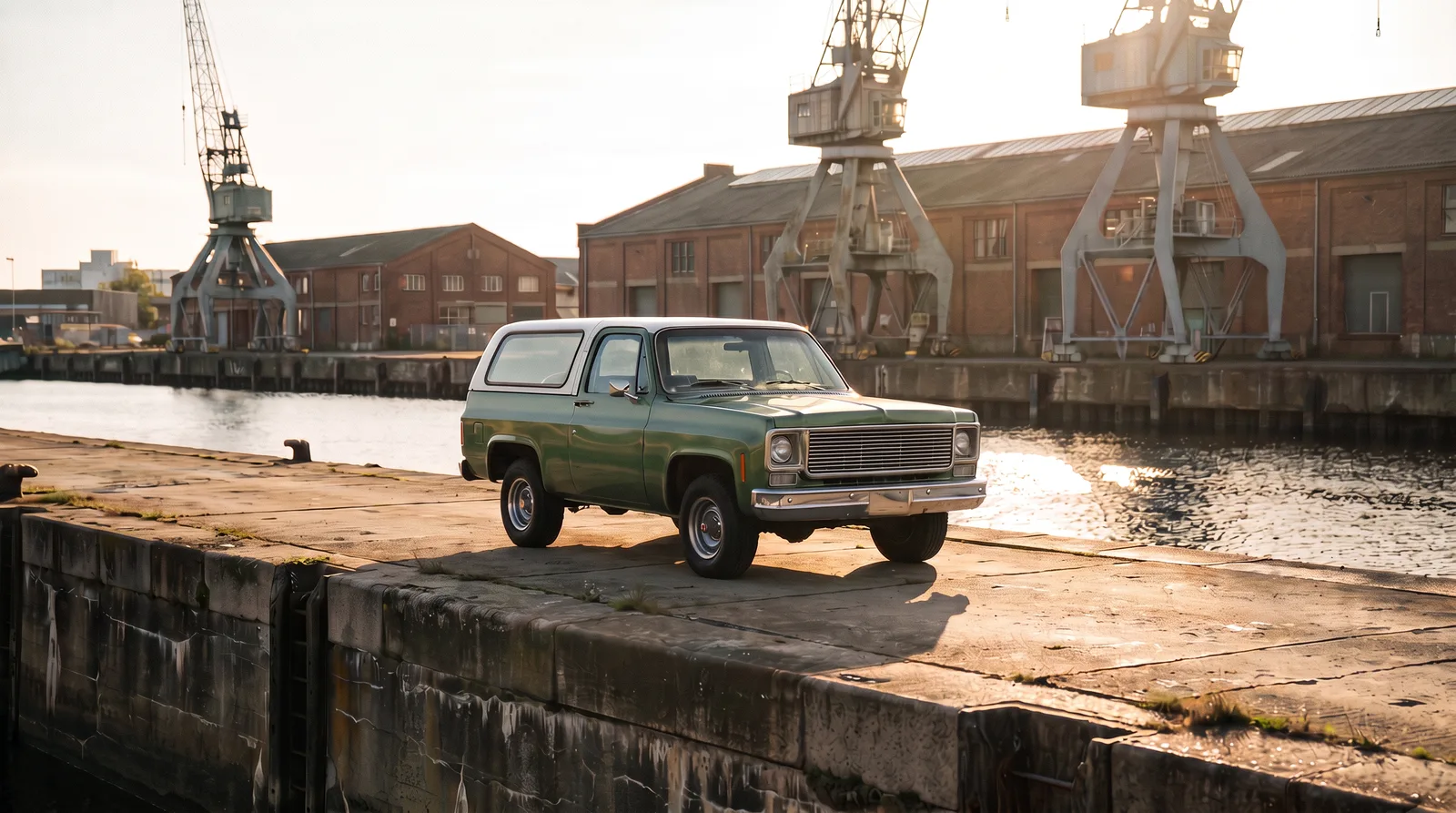
Where 1973 sits inside squarebody pricing
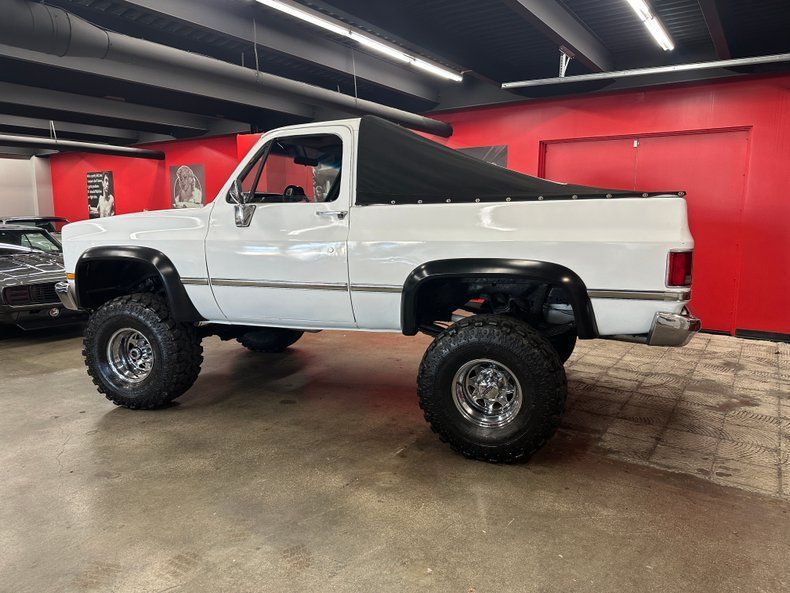
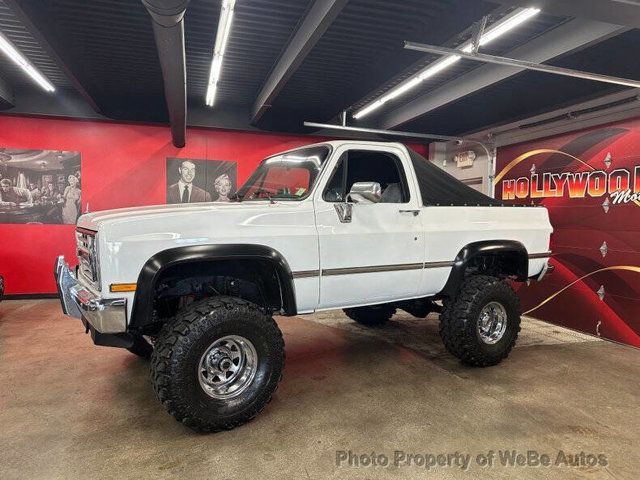
Auction results for early squarebody K5 Blazers, meaning 1973 through roughly 1975 before the mid-run refinements arrived, generally track close to the broader squarebody market rather than commanding a distinct first-year premium the way some other model transitions do. That is worth sitting with for a moment, because it runs against the instinct plenty of buyers have that first-year-of-a-generation should automatically mean higher value. In the K5 Blazer's case, later squarebody years, particularly clean examples from the late 1970s and early 1980s, often pull comparable or higher prices, largely because buyers value the running refinements Chevrolet made to those years, improved fuel injection options on later trucks, revised trim, and simply more decades of parts support built up around the more common later configurations.
Specific auction results for documented 1973 examples are sparse enough that citing a single sale price as representative would be misleading. What is consistent across sources is the direction of the broader squarebody Blazer market itself, which has trended upward over the past several years alongside the general rise in classic truck and SUV interest, a category that has outperformed plenty of traditional muscle car segments in recent buying cycles.
Condition and originality drive the number more than model year
For a 1973 specifically, the factors that move price are the same ones that move price across the whole squarebody range: body and frame condition free of significant rust, drivetrain matching the original build sheet, and documentation that confirms the truck has not been heavily modified beyond what a buyer is specifically shopping for. A rough 1973 with rust through the floors and a mismatched drivetrain will sell for meaningfully less than a clean 1979 with none of those issues, first-year status notwithstanding. Buyers chasing 1973 specifically for its place in the model's history need to understand they are paying for that history on top of, not instead of, standard condition and originality criteria.
4x4 versus 2wd, and what it does to resale
Because the 1973 redesign carried the two-wheel-drive Blazer, offered since 1970, alongside the traditional 4x4, values between the two configurations diverge noticeably. The 4x4 model, which represents the bulk of surviving production and matches buyer expectations for what a Blazer is supposed to be, consistently commands stronger resale than a comparable 2wd example. That gap is not a knock against the 2wd truck's quality or historical interest. It reflects straightforward demand economics in a niche market where most buyers are specifically seeking off-road capability as part of the purchase decision, even if plenty of owners never use it.
Buyers specifically interested in the 2wd variant for its relative rarity should expect a smaller pool of comparable sales to benchmark against, which makes each individual transaction carry more weight in shaping perceived market value than it would in the deeper 4x4 comparable pool.
"First-year status is a nice story, but it is not what moves a 1973 K5 Blazer's price. Condition, documentation, and drivetrain match do that. Buy on those fundamentals and the history is a bonus, not a premium you should overpay for."
- David Mercer
My actual read on buying a 1973 today
If the goal is owning a genuinely significant first-year squarebody K5, a well-documented 1973 is a reasonable buy, provided the price reflects condition rather than a narrative premium some sellers try to attach to first-year status. If the goal is simply owning the best squarebody K5 Blazer for the money, buyers should stay open to later model years, where parts support, running refinements, and often comparable or better pricing make the ownership experience easier without sacrificing much in the way of collector interest. Both are legitimate strategies. Know which one you are actually pursuing before you start bidding, because sellers marketing a 1973 as inherently more valuable purely for being first are not always backed by the comparable sales data.
For the fuller context behind what makes 1973 significant beyond the price sheet, our complete history covers the redesign in depth. And if you are ready to start comparing actual examples, browse classic K5 Blazer listings currently on the market.
Rough price bands by condition
General condition tiers give buyers a starting framework, though every sale still depends on documentation, options, and regional demand, and exact dollar figures shift too often with the market to print as fixed numbers here.
| Condition tier | General description | Typical price direction |
|---|---|---|
| Project / parts truck | Significant rust, incomplete, non-running | Lowest tier, priced mainly for usable parts and cab |
| Driver quality | Runs and drives, some rust or wear, unrestored or older restoration | Mid-range, most transactions fall here |
| Well-restored / documented | Rust-free, matching drivetrain, clear ownership history | Upper tier, commands the strongest bidding |
| Concours / low-mile survivor | Exceptional original condition or award-level restoration | Top of market, limited comparable sales |
A 1973 that lands in the driver quality tier is where most buyers actually transact, and it is also where the first-year narrative matters least. Sellers asking a premium for a rough 1973 purely because of its place in the model's history are, in my read of the comparable sales, asking buyers to pay for a story rather than a truck.
Watching the market going forward
Squarebody K5 Blazer values, 1973 included, have shown enough sustained growth over recent years that buyers waiting for a significant correction have generally been disappointed. That does not mean prices only move up. Broader economic conditions affect the collector market the same as any other asset class, and buyers should size any purchase, first-year 1973 or otherwise, against their own budget rather than assumptions about continued appreciation. What the data does support is that a well-bought, well-documented 1973 K5 Blazer has held its value at least in line with the rest of the squarebody segment, and that is a reasonable baseline expectation for a buyer entering the market today.
Where I would put my own money
If I were buying a 1973 K5 Blazer as a market-conscious purchase rather than a purely sentimental one, I would prioritize a documented 4x4 with a matching drivetrain over a nicer-looking truck with an unclear history. Cosmetics can be addressed with money and time. A truck with murky ownership history or an unverifiable drivetrain carries a discount that follows it through every future resale, regardless of how good the paint looks today. That is a lesson that applies across the whole classic vehicle market, not just squarebody Blazers, but it is worth restating here because first-year enthusiasm can push buyers to overlook it.
I would also treat any seller's claim of first-year rarity with mild skepticism unless backed by actual production data, since 1973 was not a low-volume year for the K5 Blazer generally. The truck's significance is real. Its rarity, in most configurations, is not.
Sources and notes
Related Reading
Have a
Chevrolet Blazer
for Sale?
Reach thousands of serious classic car collectors across the US.
Sell It Here →
Selling a classic? Here's how: the best sites to sell a classic car
Are You a Classic Car Dealer?
List your full inventory and connect with targeted classic car buyers.
Join as a Dealer →

About the author
David Mercer
Classic car market analyst with two decades of experience tracking collector car valuations, auction results, and investment trends.
Related Listings - Chevrolet Blazer
Comments
Be the first to comment on this article.