
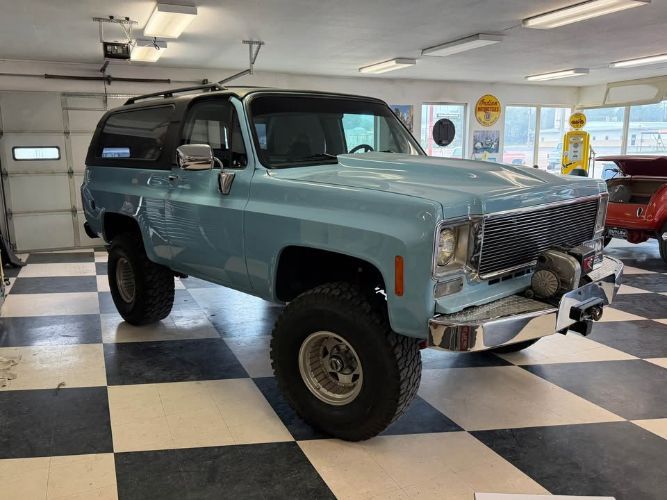
There was a GMC dealer in the Midwest, the kind of place with a gravel lot and a single mechanic who also handled sales, where the High Sierra Jimmy on the showroom floor sat under the only skylight in the building. That was not an accident. Dealers in the 1970s knew exactly what they were selling when a High Sierra came in, and they treated it like the truck it was: the fullest expression GMC offered of the Jimmy, dressed up to compete with anything a buyer might cross-shop from Ford or International.
Car Features
6 min read
High Sierra: The GMC Jimmy at Its Most Loaded
The High Sierra was GMC's top standard trim on the Jimmy, built to compete on comfort as much as capability. Here is what buyers actually got for the extra money.
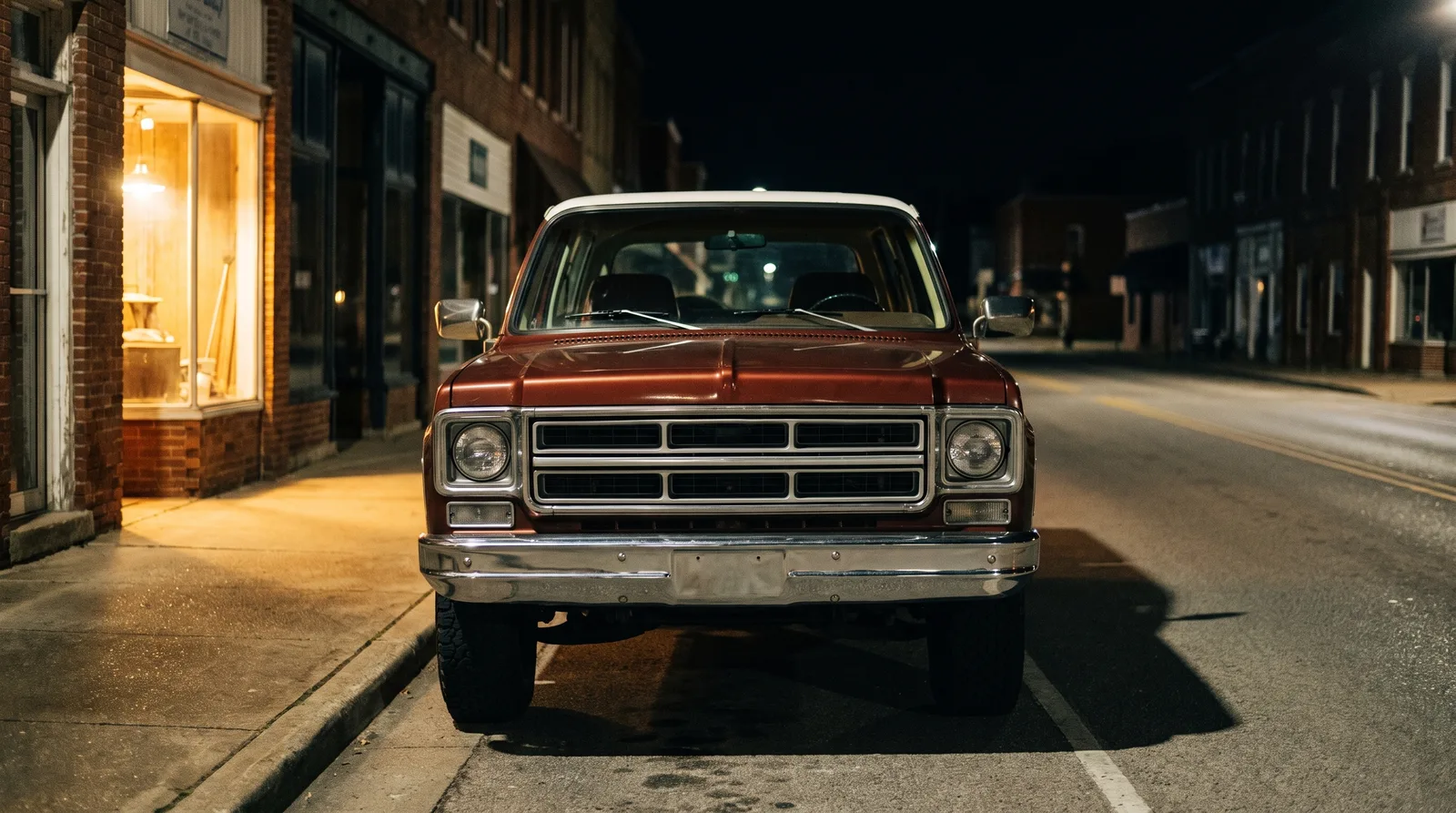
The High Sierra name shows up in enough dealer stories and old sales literature that it is easy to romanticize, but the truck itself earns most of that reputation honestly. This was GMC's top standard trim on the Jimmy platform, sitting above the Sierra and well above the base work trucks that made up the bulk of Jimmy production in any given year.
What made a High Sierra different
Where the Sierra trim added comfort touches over a base Jimmy, the High Sierra pushed further into what GM's truck lineup considered near-luxury territory for the era. Buyers could expect a more thoroughly trimmed interior than the standard Sierra offered, additional exterior brightwork and badging that made the truck instantly identifiable on a dealer lot, and typically a broader range of factory options bundled or made available at this trim level that were not offered, or were harder to get, on lower trims. GMC positioned the High Sierra as the truck for a buyer who wanted their four-wheel-drive rig to also work as the family vehicle for a weekend trip, not just a work truck that happened to have a back seat.
None of that changed what was underneath. A High Sierra Jimmy used the same frame, the same running gear, and the same engine options as every other Jimmy built in the same model year. GMC never gated engine choice behind trim level the way some manufacturers did with their top trims. What you were paying for with a High Sierra was almost entirely comfort, appearance, and the option content GMC bundled at that level, not additional capability.
Why buyers chose it over a base truck
Talk to anyone who owned one new and the answer is usually about daily livability. A base Jimmy in the 1970s was a genuinely spartan truck inside, built for a buyer who needed four-wheel drive and did not much care what the door panels looked like. The High Sierra buyer wanted the same capability without living with a truck that felt like a tool the rest of the time. That distinction mattered more in this era than it might today, when even base trim modern trucks come reasonably well equipped. In 1975, the gap between a stripped work truck and a fully trimmed High Sierra was enormous, and GMC's marketing leaned into that gap deliberately.
What to look for if you are shopping for one
A genuine High Sierra should show its trim level through more than just an emblem. The interior trim package, the exterior brightwork treatment, and any bundled options should be consistent with what GMC actually shipped at this trim level in that specific model year, since trim content shifted somewhat across the run. Door tags and factory build documentation, where they survive, are the most reliable way to confirm a truck's original trim rather than trusting badges that may have been added, removed, or swapped over five decades of ownership changes.
Buyers should also expect a price premium over base and standard Sierra trucks in similar mechanical condition, since High Sierra trucks tend to draw stronger interest at both club events and in the broader collector market. That premium is generally justified by both rarity relative to base trucks and the genuinely nicer ownership experience, but it is worth going in with clear eyes about what you are paying extra for. It is trim and options, not a different or more capable drivetrain.
"You could feel the difference the second you sat down. That was the whole point of the High Sierra. GMC was not selling you a better truck underneath, they were selling you a truck you would not mind driving to church."
- Patrick Walsh
What the dealer floor said about buyer intent
Talking to people who worked GMC lots in the 1970s, a pattern comes up again and again. The High Sierra was frequently the truck a salesman steered a family toward once they had already decided a four-wheel-drive vehicle made sense for their life, but were hesitating over whether it could also work as their primary vehicle rather than a second, purely functional rig. The trim level answered that hesitation directly, giving a buyer permission to think of the Jimmy as a legitimate daily driver rather than something they would tolerate for its capability and nothing else.
That positioning is part of why High Sierra trucks, more than base or standard Sierra trucks, tend to show up today with lighter overall use histories. A truck bought to be a family's primary vehicle generally got babied a bit more than a truck bought purely to work a ranch or a job site, and that shows in what has survived. It is not a universal rule, plenty of High Sierra trucks got worked just as hard as anything else on this platform, but the pattern is common enough that experienced buyers watch for it when comparing trucks of similar age and mileage.
The badge alone never told the whole story of a truck's life, but combined with build documentation and a careful look at wear patterns, it gives a buyer one more piece of context worth weighing before making an offer.
Where the High Sierra fits in the story
The High Sierra makes the most sense once you understand the broader arc of how GMC built out its Jimmy trim ladder, from the entry-level trucks that made up the bulk of production through the Sierra and up to this top standard offering. For the full background on how GMC approached the Jimmy across its entire production run, more on the gmc jimmy covers the whole story from the 1970 debut forward. And since this whole platform starts with Chevrolet's original truck, it is worth understanding where this started before deciding which badge and which trim actually suits what you want to own.
If a High Sierra has become the truck you are actually hunting for, current listings of classic K5 Blazers on the market are the place to see what condition and trim combinations are available right now, since High Sierra trucks in good original condition do not sit on the market long once they show up.
Sources and notes
Related Reading

About the author
Patrick Walsh
Automotive journalist covering classic car shows, events, and the enthusiast community across North America.
Related Listings - Chevrolet Blazer





Comments
Be the first to comment on this article.