
I have had my hands inside more GMC Jimmys than I can count, and the ones that stick in my memory are almost always the Sierra trim trucks. Not because they were fancy. Because they were the ones that got worked, and worked hard, while still being nice enough that the owner did not just leave it to rot when something broke. The Sierra badge on a K5 Blazer platform truck tells you something specific about what GMC was trying to sell, and it is worth understanding before you go shopping for one.
Car Features
7 min read
The GMC Jimmy Sierra Trim and What Set It Apart
The Sierra trim sat right in the middle of GMC's Jimmy lineup. A shop mechanic explains what actually came with it, what breaks, and how to confirm a truck is genuine.
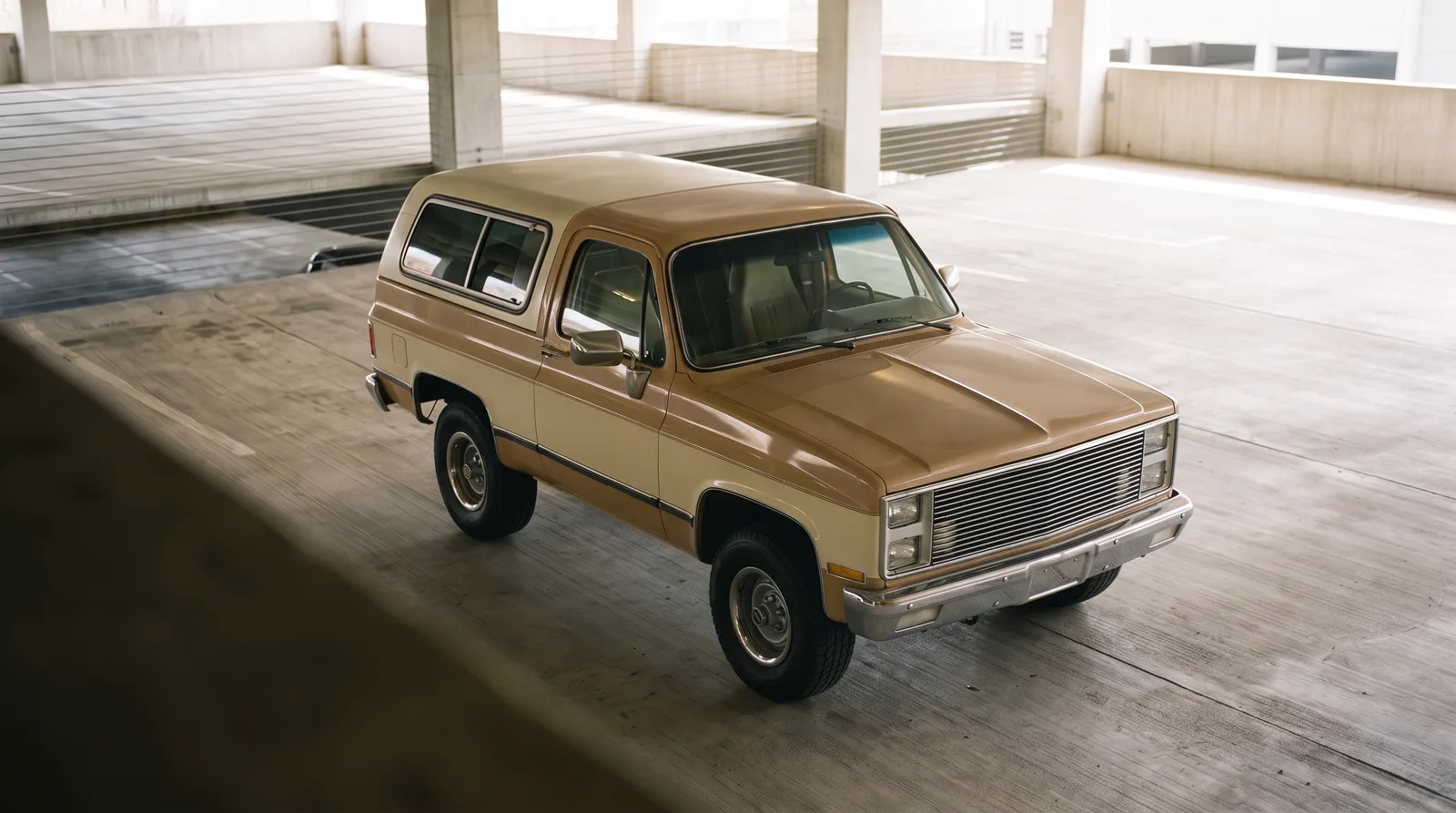
What Sierra actually meant on a Jimmy
GMC's Sierra name did not start life on the Jimmy specifically. It was a trim designation GMC used across its truck lineup, and by the time it landed on the Jimmy, it represented the step up from a base work truck toward something closer to a family vehicle. A Sierra-trim Jimmy typically carried better interior trim than the base truck, additional exterior brightwork, and a nicer seat and door panel treatment than what GMC put in a stripped work rig. It was not the top of the ladder. GMC had the High Sierra above it for buyers who wanted the fully loaded version, but Sierra was the trim most Jimmy buyers who wanted something nicer than a bare-bones truck actually chose.
That middle position matters for anyone shopping for one today. Base trucks are simple and cheap to find parts for but sparse inside. High Sierra trucks are the ones collectors chase hardest, and prices reflect it. Sierra sits in between, giving you most of the comfort upgrades that made these trucks livable as daily drivers without the premium that comes with chasing the top trim.
How to spot one and why it matters
A lot of Sierra badging has gone missing over fifty years of use, sun, and repaints, so knowing what to look for beyond the emblem matters. Sierra trucks generally got upgraded door panels, additional sound deadening compared to base trucks, brighter exterior trim around the windows and grille, and interior color coordination that base work trucks skipped entirely. If you are looking at a Jimmy with the Sierra badge missing but the rest of the trim package intact, that is usually still a Sierra truck, just one that lost an emblem somewhere along the way.
The build sheet or door tag is the reliable way to confirm trim level rather than relying purely on badges, since badges get swapped, lost, and occasionally added by a previous owner trying to dress up a base truck. Anyone serious about verifying trim level on a specific truck should be working from the factory documentation, not the emblems currently bolted to it.
What actually breaks and what does not
Mechanically, a Sierra-trim Jimmy is no different from any other trim level built on the same platform in the same year. The trim badge does not touch the drivetrain, the frame, or the suspension, so whatever engine and transmission combination a given Jimmy left the factory with applies regardless of whether it wears a base badge or a Sierra one. What the trim level does affect is what tends to go wrong after fifty years of sitting, because interior trim pieces, trim-specific weatherstripping, and some of the brightwork used on Sierra and higher trucks are harder to source than the parts shared across every trim level.
I have seen more than one Sierra Jimmy come into a shop with a mechanically sound drivetrain and a badly deteriorated interior, simply because the extra trim pieces that made it a Sierra in the first place are the parts that do not hold up as well as a bare metal dash and a vinyl bench seat. If you are shopping for one, budget more attention for interior condition than you would on a base work truck, because replacing Sierra-specific trim is a real hunt, not a parts counter errand.
| Trim level | Position | Typical era |
|---|---|---|
| Base Jimmy | Entry work trim | 1970 through 1991 |
| Sierra | Mid trim, added comfort | 1970s through squarebody run |
| High Sierra | Top standard trim | Mid 1970s onward |
| Casa Grande | Limited special edition | Late 1970s |
"Guys ask me why they should pay more for a Sierra when a base Jimmy has the same motor. I tell them to sit in both for ten minutes. That is the whole answer right there."
- Mike Sullivan
What it costs to own one now
Parts sourcing for a Sierra-trim Jimmy splits cleanly into two categories in my experience, and it is worth understanding both before you commit to buying one. Anything mechanical, the engine, transmission, transfer case, brakes, and suspension components, is easy to source because it is shared across the entire K5 platform, Chevrolet and GMC alike, across both generations. Shops that have never touched a GMC badge in their life can still work on the mechanical side of a Sierra Jimmy without missing a beat, because none of that content changed based on trim level.
Trim-specific parts are the harder half of the equation. Sierra badging, the specific door panel patterns, and some of the brightwork used at this trim level were never produced in Blazer-equivalent numbers to begin with, and fifty years of attrition has thinned that supply further. I tell customers who want to keep a Sierra truck correct to expect real patience on trim pieces, sometimes months of searching for a single interior panel in usable condition, and to budget accordingly rather than assuming a quick parts counter fix the way they might for a worn brake component.
That said, a Sierra Jimmy is not a difficult truck to own day to day once it is sorted. The drivetrain options shared across the whole platform have decades of aftermarket support behind them, and nothing about the trim level itself introduces any additional mechanical complexity. It is purely a question of patience on the cosmetic side, weighed against getting an interior that still feels like something a little nicer than a stripped work truck fifty years on.
Where the Sierra sits in the bigger picture
If you are trying to understand how the Sierra trim fits into GMC's overall approach to the Jimmy, it helps to know the badge context around the whole truck first, since GMC's decision to run its own trim ladder rather than borrow Chevrolet's naming is part of a larger pattern in how the company positioned this platform. Our team put together a broader piece on that background you can read the background on if you want the full picture before narrowing down to a specific trim.
For buyers deciding between Sierra and its more loaded sibling, the High Sierra trim is worth a look too, since the price gap between the two trims is often smaller than the equipment gap would suggest, depending on condition and what a given seller has actually preserved. And if all this trim talk has you ready to actually go find one, you can shop classic K5 Blazer listings to see what condition and trim combinations are currently available.
Sources and notes
Related Reading

About the author
Mike Sullivan
Detroit-area muscle car enthusiast and restoration specialist with three decades of hands-on experience working on American iron.
Related Listings - Chevrolet Blazer




Comments
Be the first to comment on this article.