
Ask ten K5 Blazer people to name a notable Jimmy and most of them will pause. The Chevrolet side of the family gets all the attention: magazine covers, auction headlines, the whole nine yards. But the k5 blazer jimmy notable examples worth knowing are out there, and they matter for the same reason any GMC-badged classic matters. Lower production numbers, a smaller enthusiast base, and a badge that never got the marketing dollars Chevrolet did. That combination means the trucks that did survive in remarkable shape are genuinely scarcer than their bowtie cousins, even when the two are mechanically identical under the skin.
Car Features
7 min read
Notable Full-Size GMC Jimmys Worth Knowing
From low-mile survivors to documented fleet diesels, the notable full-size GMC Jimmys are the ones with the paperwork to back up their story.
The preserved, low-mile survivor
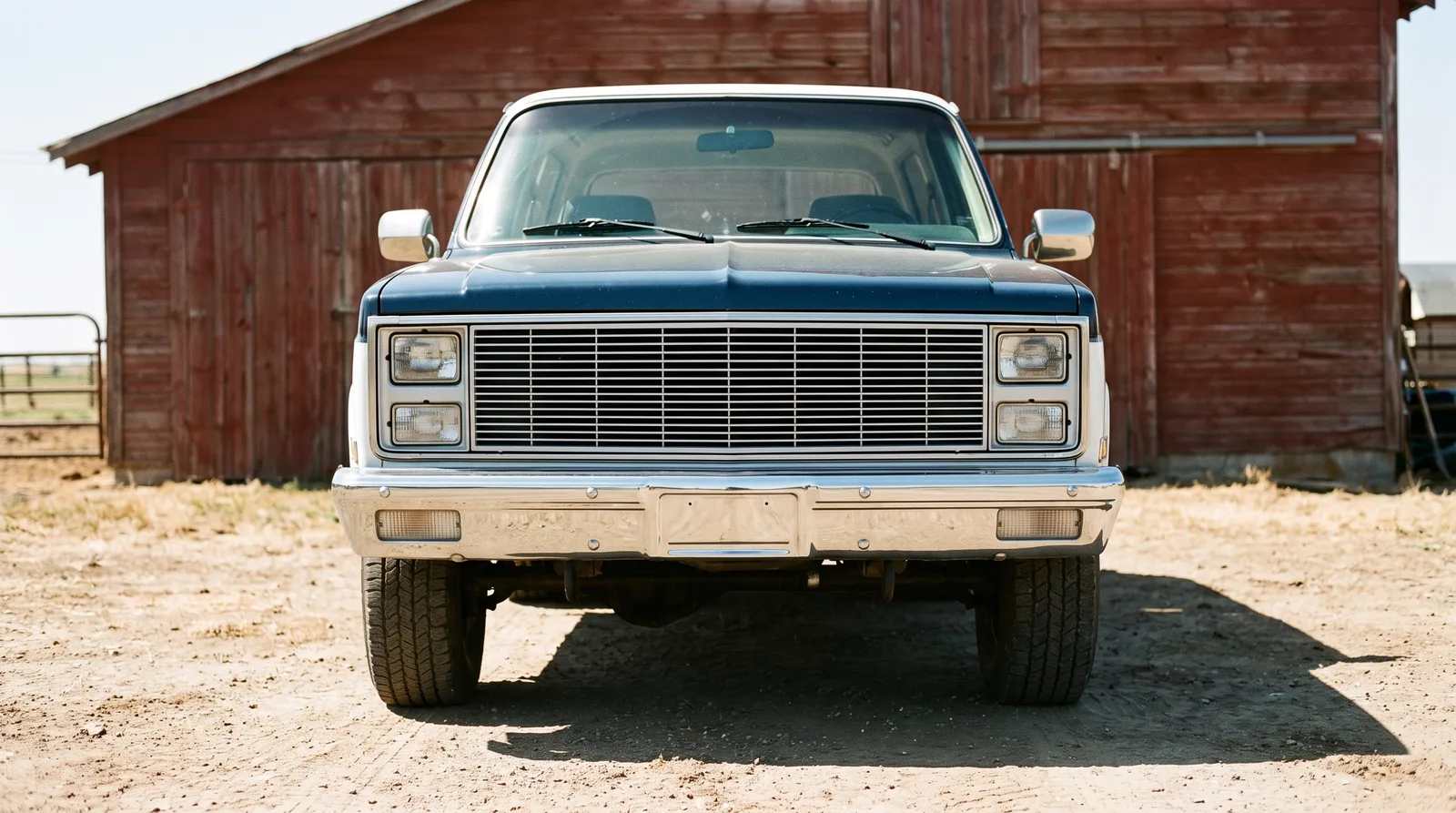
Every squarebody category has its unicorn: a truck that somehow avoided decades of work duty, salt, and neglect. For the full-size Jimmy, these are almost always trucks that spent their life in a dry climate, garaged, and often owned by one family from new. Because GMC's dealer network skewed more rural and commercial in some regions, a fair number of Jimmys were bought as second vehicles rather than daily workhorses, which paradoxically improved their odds of survival. A truck with original paint, an untouched interior, and full documentation is not common on either side of the Chevrolet-GMC divide, but when one turns up, it commands attention out of proportion to its horsepower figures. Collectors chasing this category should read our background on the badge's full run for context on why originality carries so much weight here.
For readers who want the full timeline behind these trucks, from the 1969 debut through the model's final year, read the background that explains how the platform evolved and why GMC's version stayed the quieter sibling throughout.
The military and government-surplus trucks
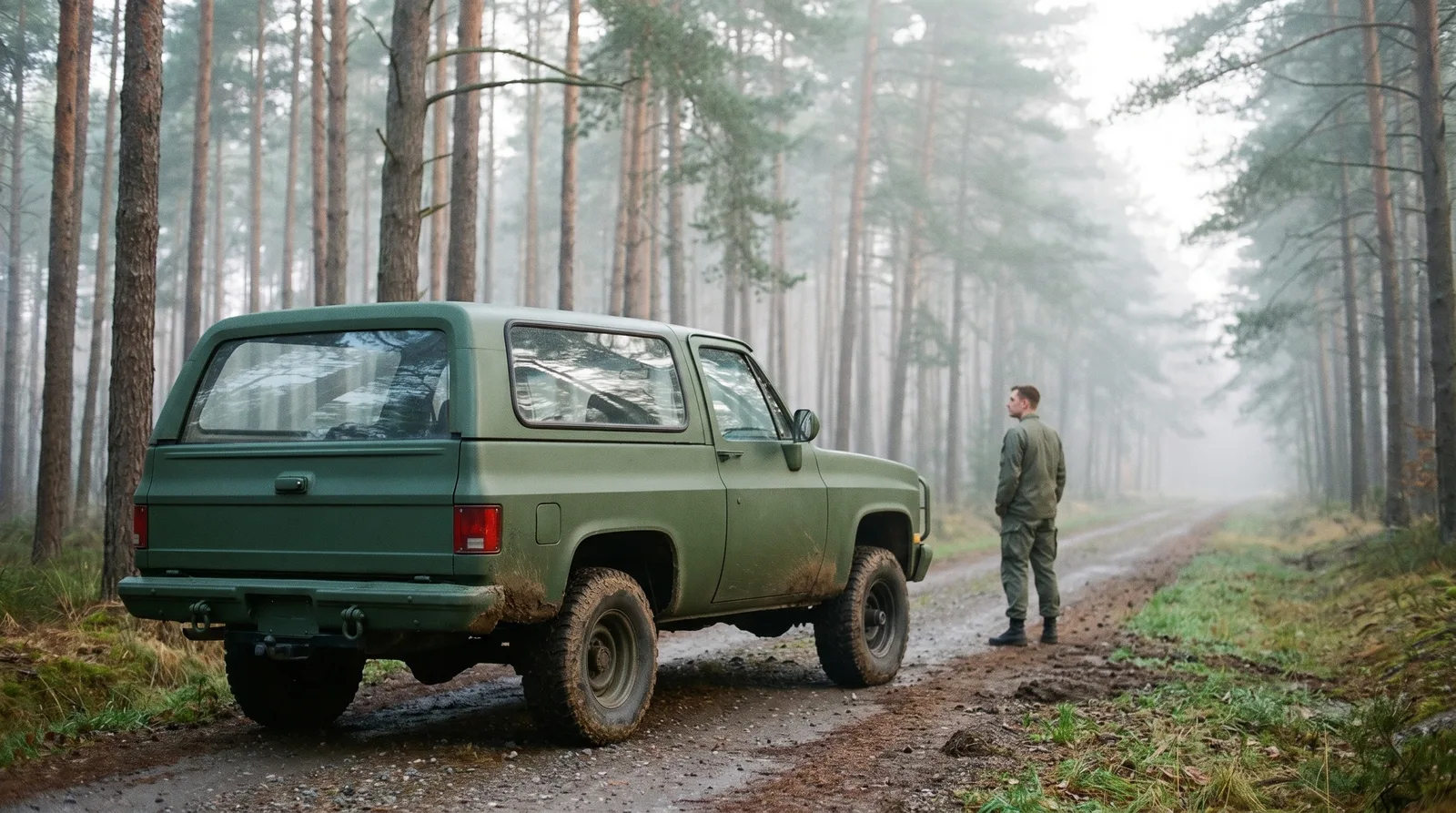
A meaningful slice of notable full-size Jimmys and Blazers left the factory or an early owner's hands and went straight into government fleet service, most famously in the M1009 CUCV program used by the U.S. military starting in the early 1980s. While the CUCV designation is technically a Chevrolet program, GMC-badged trucks saw parallel use in various municipal and utility fleets, often diesel-powered and stripped of anything resembling comfort equipment. These trucks were built to be worked, not admired, which is exactly why a clean, unmolested example with its original fleet markings or documentation intact is a genuinely notable find today. Rarity here comes from attrition. Fleet vehicles get used up, not preserved.
High-trim survivors: SLE and SLX examples
GMC's upper trims, badged SLE and later SLX depending on the model year, added cloth or leather-like upholstery, brighter exterior trim, and options packages that pushed the truck closer to a personal vehicle than a work tool. Because these trucks cost more new and typically went to buyers who took better care of them, surviving examples in top trim tend to be in noticeably better cosmetic condition than base-trim work trucks from the same years. A documented SLE or SLX Jimmy with its original window sticker or dealer paperwork is one of the more collectible packages in the full-size lineup, and it is worth more to a serious buyer than a base truck with a bigger engine, simply because originality and paper trail carry more weight than raw output in this market.
| Category | What makes it notable |
|---|---|
| Low-mile survivor | Original paint, interior, one-family ownership |
| Government/fleet diesel | Documented service history, surviving markings |
| SLE/SLX trim | Upper trim, better original care, paper trail |
| Film and TV trucks | Screen-used history, harder to authenticate |
| Final-year (1991) trucks | Last of the full-size run before the Yukon |
Screen appearances and pop culture use
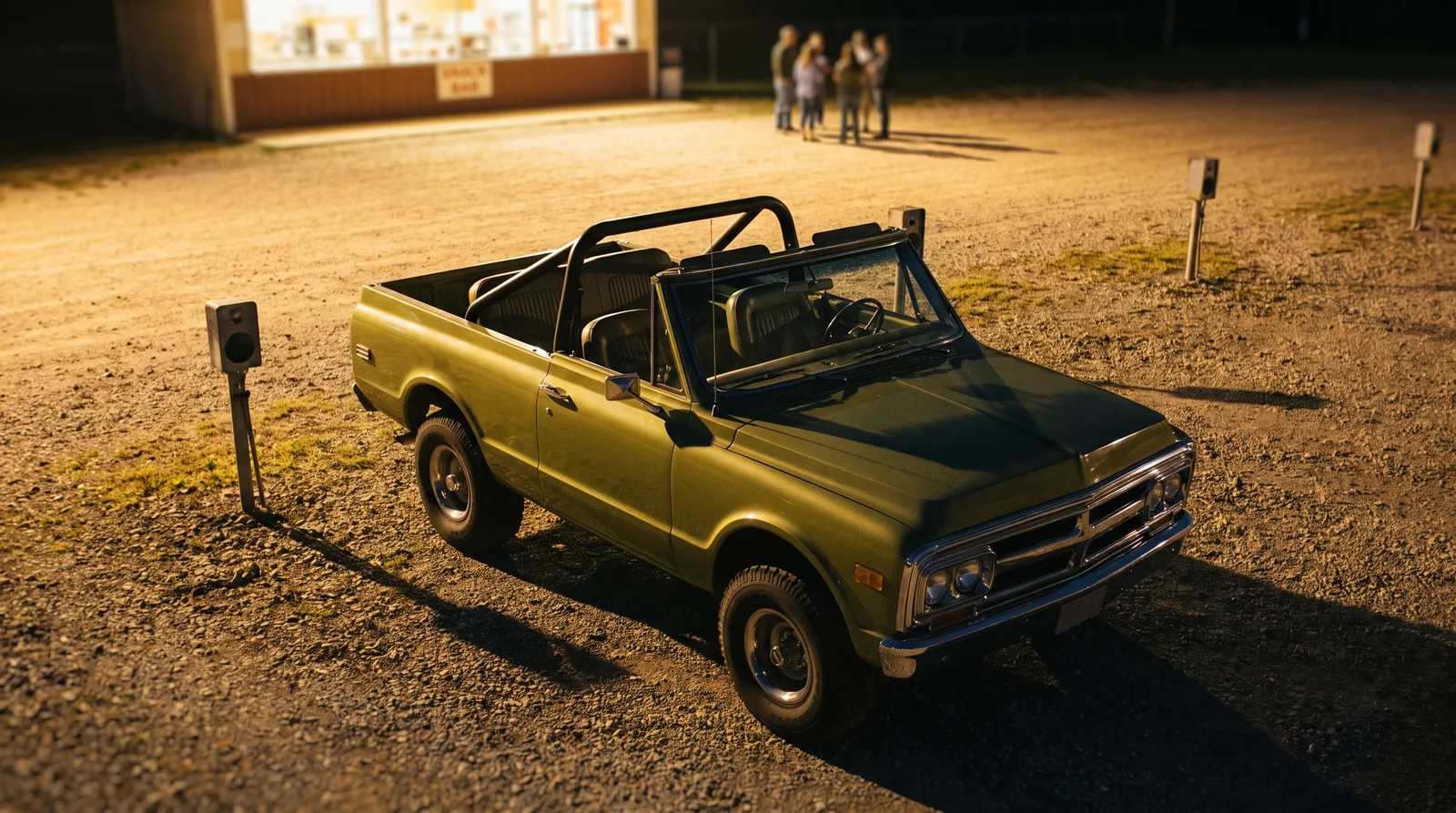
Full-size GM SUVs of this era show up regularly in film and television from the 1970s through the early 1990s, and the Jimmy specifically turns up as background fleet vehicles, rental-lot trucks, and occasional hero vehicles in productions set in rural or working environments. Verifying a specific truck's screen history is notoriously difficult unless the production company or a subsequent owner kept documentation, so buyers should treat unverified "movie truck" claims with real skepticism unless a production company credit or paperwork backs them up. That said, a truck with legitimate, documented screen use adds a layer of story that collectors genuinely value, even when it does not move the mechanical value of the vehicle itself.
"I've had guys bring me a Jimmy convinced it was in some western because a previous owner said so twenty years ago. Without paperwork, that's a nice story, not a fact. Doesn't mean it's not true. Means you can't prove it, and around here, unproven doesn't add a dollar to the price."
- Mike Sullivan
The regional survivors nobody talks about
Beyond the categories collectors usually chase, there is a quieter group of notable Jimmys worth mentioning: trucks that stayed in one region their entire life, often in dry climates across the Southwest or the high plains, and simply never rusted the way a Midwest or Rust Belt truck would. These are not always documented with the same paper trail as a fleet vehicle or a high-trim survivor, but their condition speaks for itself. A body free of patch panels, floors that have never seen a welder, and glass that is still original are the markers here. Buyers who know what to look for can find these trucks at regional swap meets and small-town estate sales well before they ever reach a national auction stage, often for a fraction of what a similar truck would bring once it has been "discovered" and marketed properly. This is arguably where the best value in the entire full-size GMC market still exists, precisely because so few buyers know to look for it.
What separates a notable example from a nice one
There's a difference between a nice K5 Blazer or Jimmy and a genuinely notable one, and it usually comes down to paper. Any competent shop can make a squarebody look good with enough time and money, but documentation of original ownership, factory options, and service history is what turns a good-looking truck into something with real historical weight. The trucks worth knowing about in this category are not necessarily the fastest or the flashiest. They are the ones where somebody, somewhere, kept the receipts. A build sheet, a dealer invoice, a chain of titles that traces back to day one, these are the things that separate a story from a fact, and buyers who prioritize paperwork over polish are the ones who end up with the truly notable trucks in their garage.
Anyone looking to find one of these trucks for themselves should start where the inventory actually turns over. Buyers ready to look seriously should browse classic K5 Blazer listings and pay close attention to documentation before chasing a badge or a rumor.
Sources and notes
Related Reading

About the author
Mike Sullivan
Detroit-area muscle car enthusiast and restoration specialist with three decades of hands-on experience working on American iron.
Related Listings - Chevrolet Blazer




Comments
Be the first to comment on this article.