
Cut the fenders off enough trucks and you start to notice things a factory brochure never mentions. I have had squarebody GMC Jimmys up on the lift with rust in exactly the same three spots, over and over, regardless of trim level, engine, or where the truck spent its life. The 1973 redesign that GM rolled out across its full-size trucks, the one that gave this whole generation its squarebody nickname, changed more about how these trucks were built than most owners realize, and some of it is stuff you only really understand once you have had one apart.
Car Features
7 min read
The Squarebody GMC Jimmy Era 1973 to 1991
GM's 1973 redesign gave the GMC Jimmy its squarebody body style and an eighteen year production run. A builder walks through what changed, and where the rust actually starts.
What actually changed in 1973
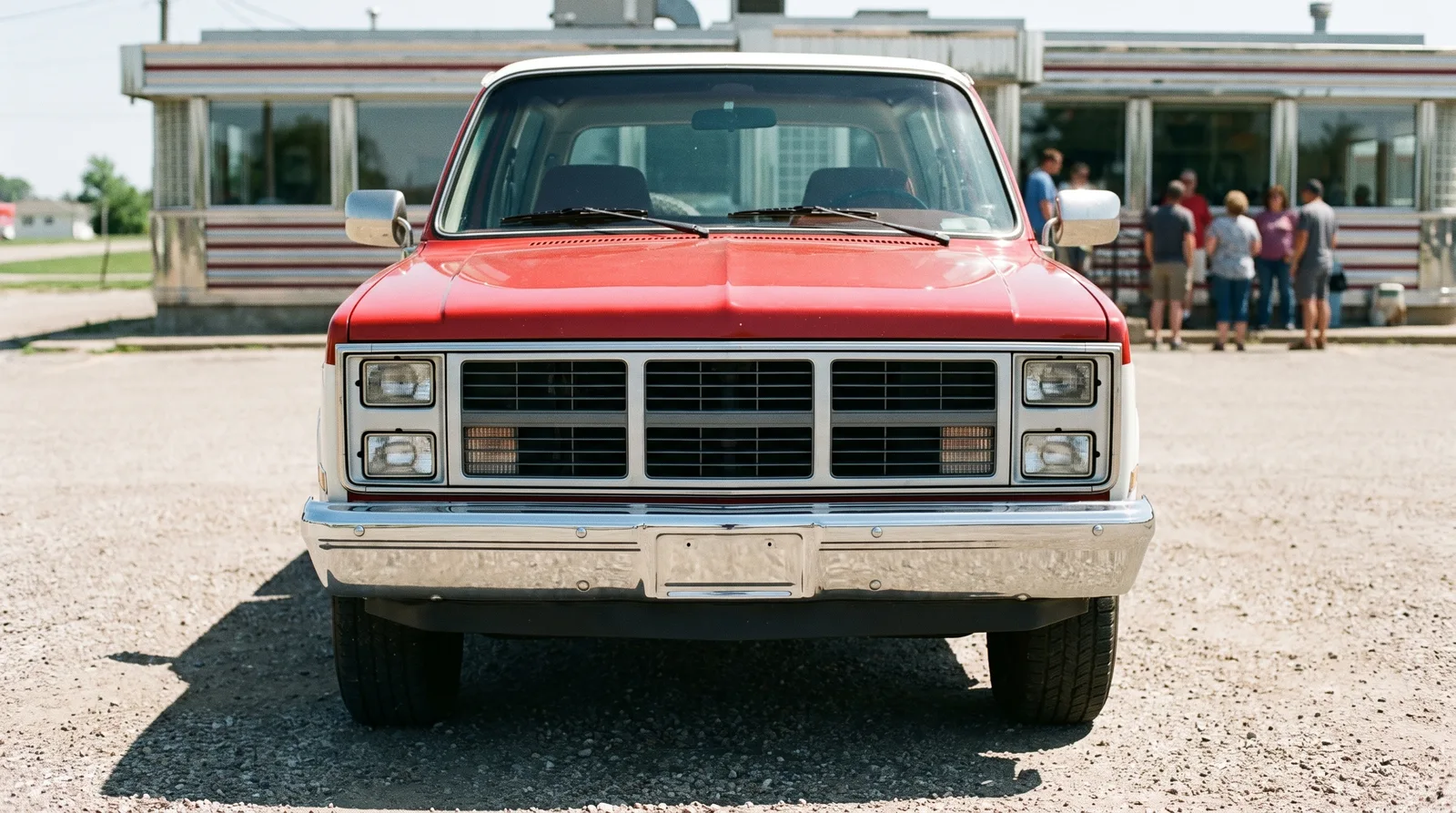
GM's move to the squarebody body style in 1973 was not a minor facelift. The frame, cab structure, and sheet metal were essentially all new relative to the round-body trucks that had run from 1969 through 1972. On the Jimmy specifically, this meant a boxier, more upright cab, revised door and window proportions, and a body structure that would go on to be produced with only incremental changes for the next eighteen years, all the way through 1991. That is a remarkably long production run for a single body generation, and it is a big part of why squarebody trucks, Jimmy included, are so common at swap meets today relative to the earlier round-body trucks.
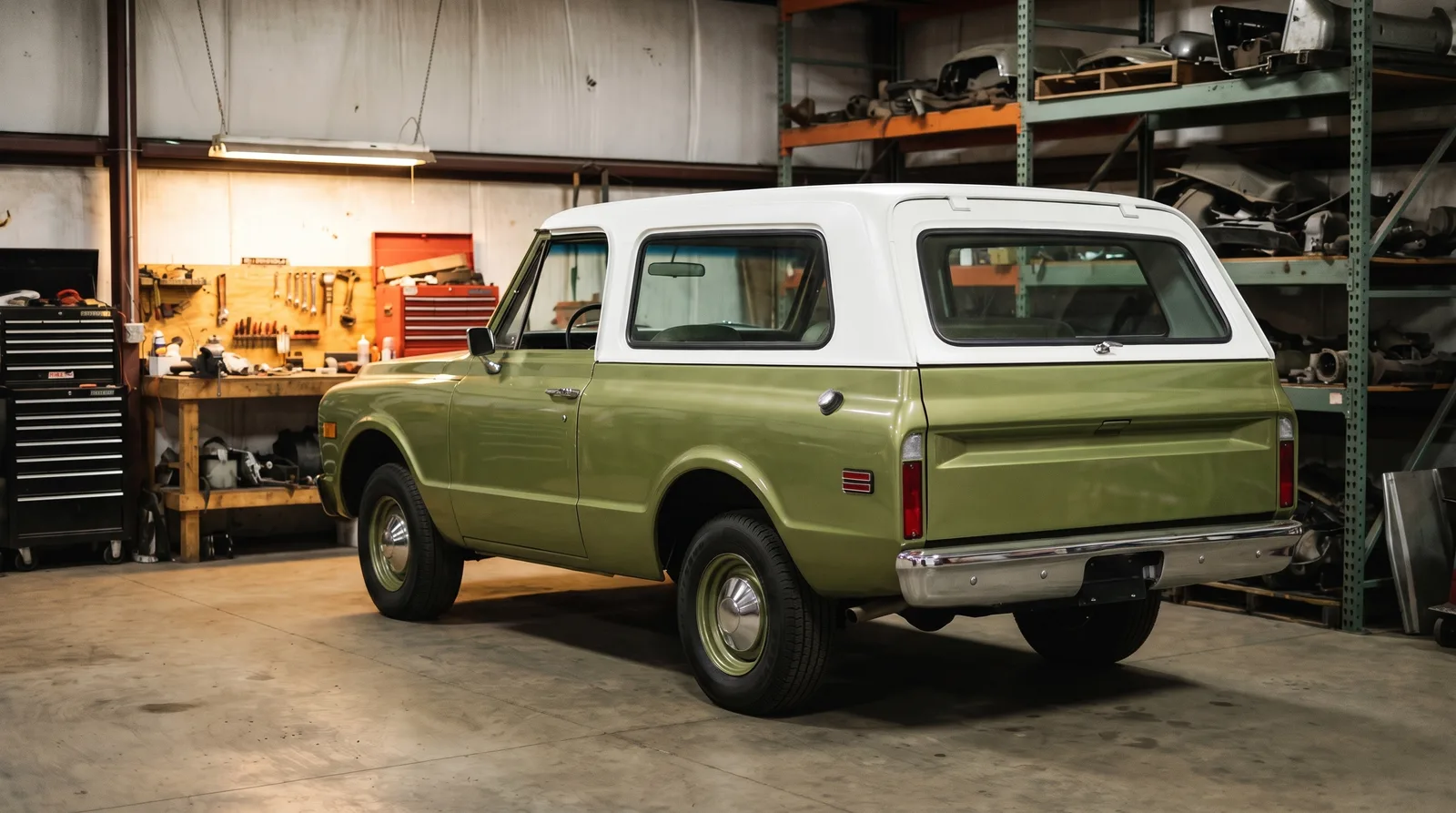
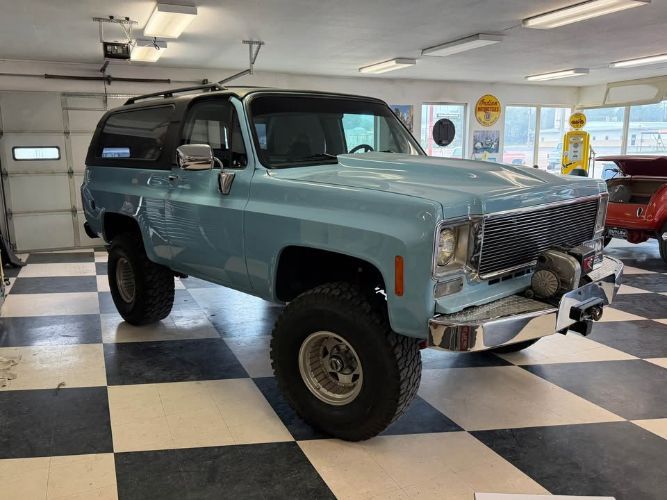
Underneath, the squarebody Jimmy kept the same fundamental K-series four-wheel-drive architecture the platform had used from the start, and for the first few years of this generation it also kept the removable top format that made the Jimmy and Blazer distinct from a Bronco or Scout in the first place. That did not last the whole run, though. GM dropped the fully removable top after 1975, largely over rollover-safety concerns, and replaced it starting with the 1976 model year with a fixed half-cab roof that stayed in place through the end of production in 1991. So a 1973 through 1975 squarebody Jimmy is still a lift-off truck, while a 1976 or later squarebody is not. What changed at the 1973 redesign was mostly the body and cab structure, plus the usual running gear updates that came with any new body generation, engine options, transmission choices, and equipment packages evolving over the following years.
Where the rust actually starts
Anyone who has worked on enough of these knows the trouble spots by heart, and they are consistent enough across the squarebody run that they are worth naming plainly. Rocker panels are usually the first place to check, followed by the lower cab corners where the doors meet the body, and, on the earlier 1973 through 1975 trucks that still used the removable top, the rear wheel arches around the top's seal area, where water tends to collect and sit. None of this is unique to the Jimmy badge specifically, it is a squarebody GM truck problem generally, shared with the Blazer and the pickup versions of the same platform, but it is worth knowing before you buy one rather than after.
On those 1973 through 1975 trucks, the removable top adds a wrinkle the pickup versions do not have to deal with. Water intrusion around the top seal, especially on trucks that sat outside for years with a worn or improperly seated top, tends to accelerate rust in the cargo area floor and the rear structure in a way that a fixed-roof pickup from the same generation simply does not experience to the same degree. A 1976 or later Jimmy with the fixed half-cab roof does not have that specific failure point, but it still shares the same rocker panel and lower cab corner issues as the rest of the squarebody run. Either way, pull back the carpet in the cargo area before you do anything else.
Buying one today, from someone who works on them
The long production run is genuinely good news for anyone trying to keep a squarebody Jimmy on the road. Mechanical parts interchange broadly across most of the eighteen year run, and because the Chevrolet Blazer shares the same platform and sold in much higher volume, the parts market for anything mechanical is deep and well supported even now. Body panels and trim get trickier the further you go, since GMC-specific trim pieces are harder to find than the shared mechanical parts, but nothing about keeping one running is genuinely difficult by classic truck standards.
What I tell people shopping for one is simple. Buy the body, not the engine bay. A tired engine or a worn transmission is a known, bounded cost on this platform because the parts supply is so good. Rust that has been into the frame or the cab structure for years is a different kind of problem entirely, and it is the thing that actually determines whether a squarebody Jimmy is a good buy or a slow-motion money pit.
"Everybody wants to talk about matching numbers and original paint. I want to see the rocker panels and the cargo floor first. That tells me more about what I am actually buying than the engine ever will."
- Jim Vasquez
Engine and driveline notes across the run
Eighteen years is a long time for any single generation to stay in production, and the squarebody Jimmy saw real change under the hood even while the body itself stayed recognizably consistent. Early squarebody trucks carried over engine options largely inherited from the round-body generation, while later years in the run picked up updated engine offerings and emissions equipment that reflect how much the regulatory landscape shifted between 1973 and 1991. A buyer comparing an early squarebody Jimmy against a late one is, in some respects, comparing two different eras of American engineering wearing the same body style.
That range matters practically. A late squarebody Jimmy tends to run somewhat cleaner and, depending on specific equipment, can be a more relaxed daily driver than an early example, while an early squarebody truck generally offers a simpler mechanical package with fewer emissions-era complications to diagnose when something goes wrong. Neither is objectively the right answer. It depends on whether you value simplicity or the refinements that came later in the run, and both ends of that eighteen year span have their defenders within the hobby.
Transmission and transfer case options also evolved across the run, and buyers restoring or maintaining a squarebody Jimmy should confirm what a specific truck actually carries rather than assuming based on model year alone, since running changes and running production overlaps were common on a body style that stayed in production this long.
How the squarebody fits into the Jimmy story
The 1973 redesign is the single biggest dividing line in the Jimmy's production history, separating the earlier round-body trucks from the boxier, longer-running squarebody generation that most surviving Jimmys today actually represent. The fully removable convertible top carried over into the first few squarebody years before GM replaced it with a fixed half-cab roof starting in 1976. For the complete picture of how the Jimmy developed from its 1970 debut through this redesign and beyond, our gmc jimmy retrospective covers the whole arc.
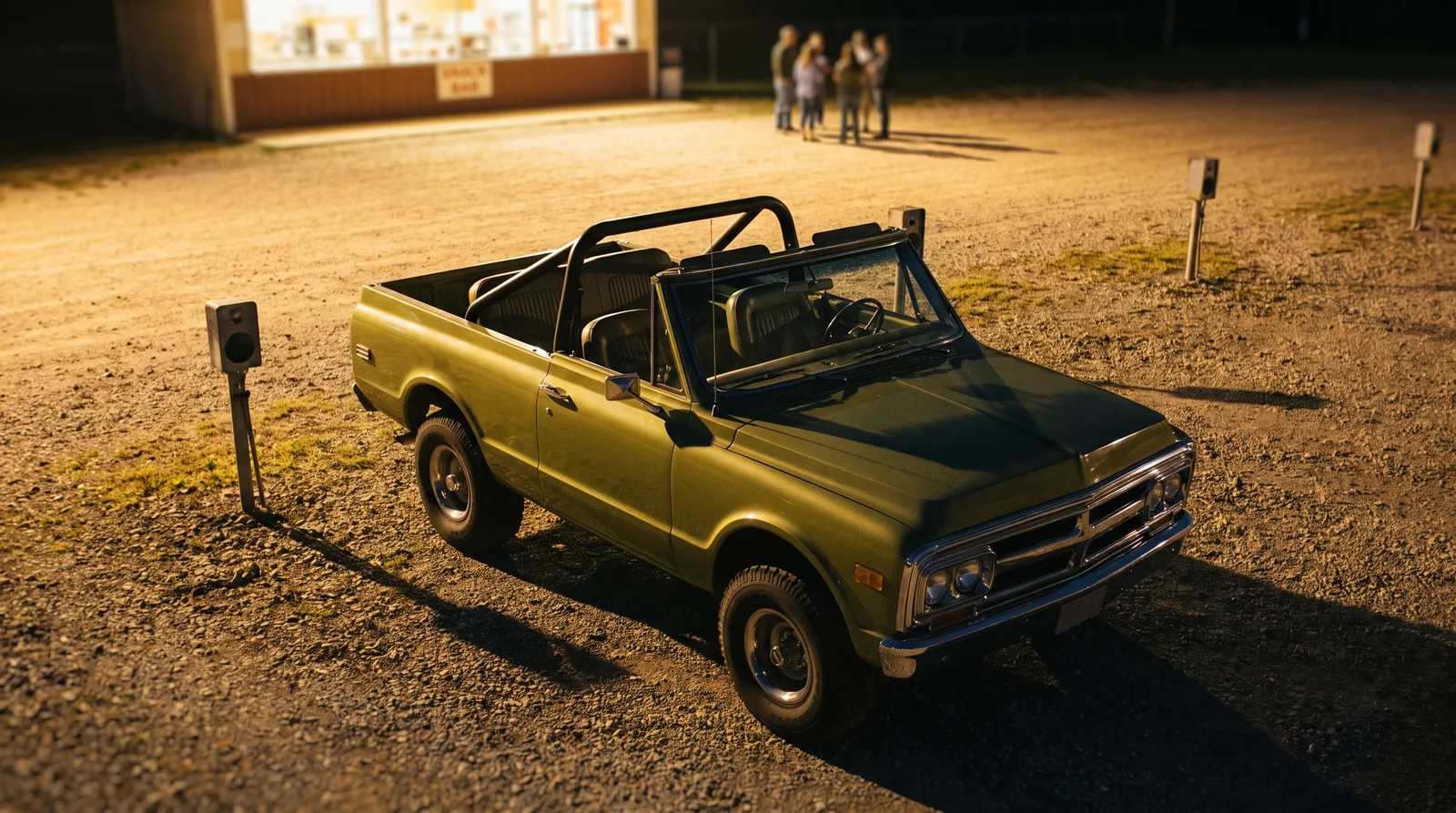
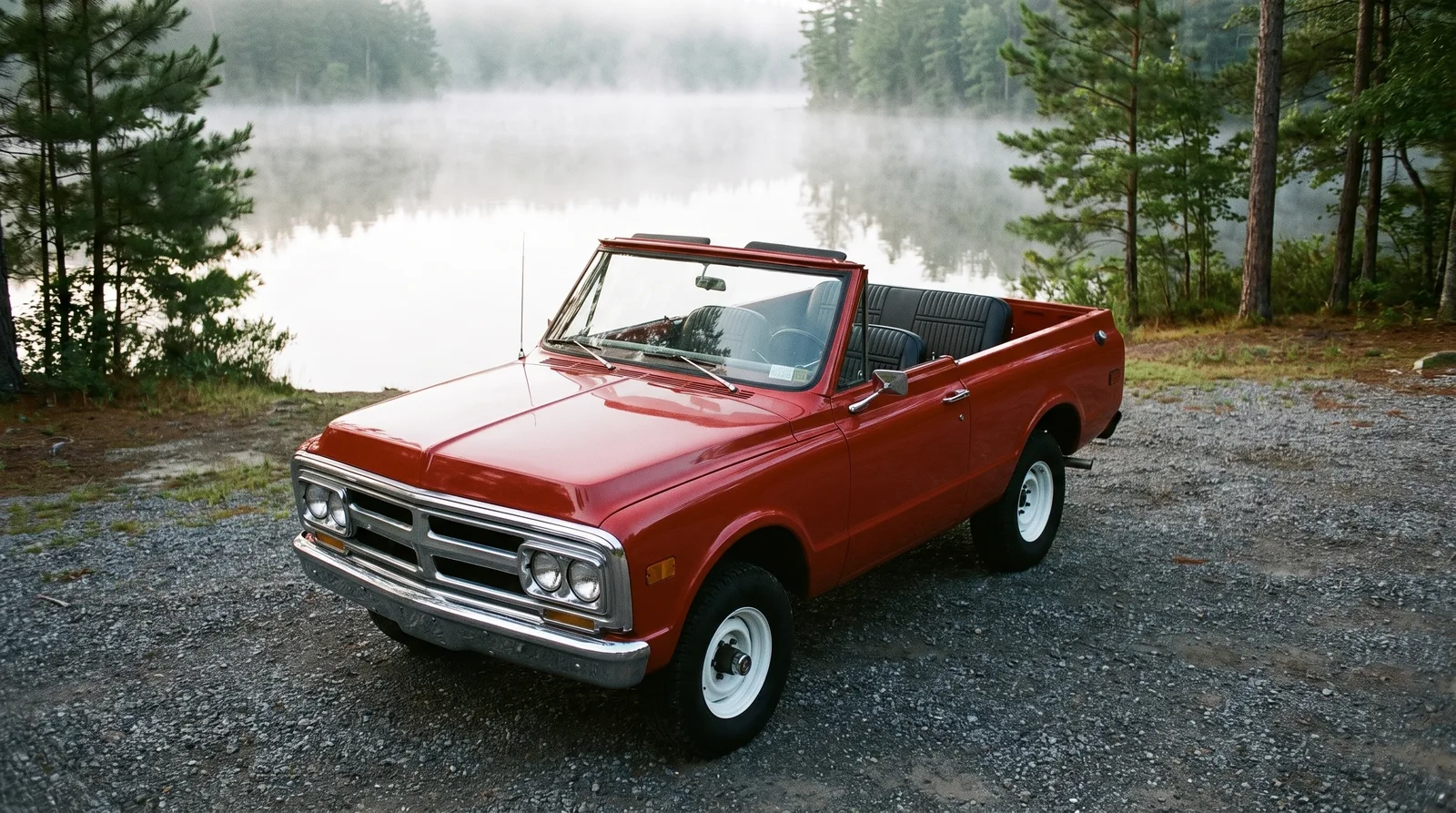
If the earlier round-body trucks and their distinctive full convertible top interest you more than the squarebody, a related story gets into exactly what made that early top design different, and why GM eventually moved away from it. And whichever generation you end up chasing, current K5 Blazers for sale now is worth checking regularly, since the good, honest-bodied squarebody trucks get bought quickly once word gets around.
Sources and notes
Related Reading

About the author
Jim Vasquez
Southern California hot rod and custom car builder with roots in the traditional kustom kulture scene.
Related Listings - Chevrolet Blazer





Comments
Be the first to comment on this article.