
CST does not get talked about nearly as much as Cheyenne or Silverado when people discuss squarebody K5 Blazer trim levels, and I think that is a mistake, because the CST package is one of the more interesting details on these trucks once you actually understand what it was doing. It sits in an odd middle space in the hobby's memory, familiar enough that most longtime owners recognize the letters on sight, yet rarely explained clearly enough for a newcomer to understand what actually separated a CST truck from a base or Cheyenne example sitting next to it in a parking lot. Custom Sport Truck, that is what the letters stand for, and the name tells you almost everything about the intent. It was not a comfort package chasing a family buyer the way Silverado eventually did. It was aimed at someone who wanted a sportier look and feel without necessarily paying for the top trim's full interior upgrade. On the K5 Blazer, that combination produced some genuinely underrated trucks that do not get the attention they deserve in today's market.
The CST Package Through the Squarebody Run
Why the Custom Sport Truck package is one of the most overlooked and variable trim levels on the squarebody K5 Blazer.
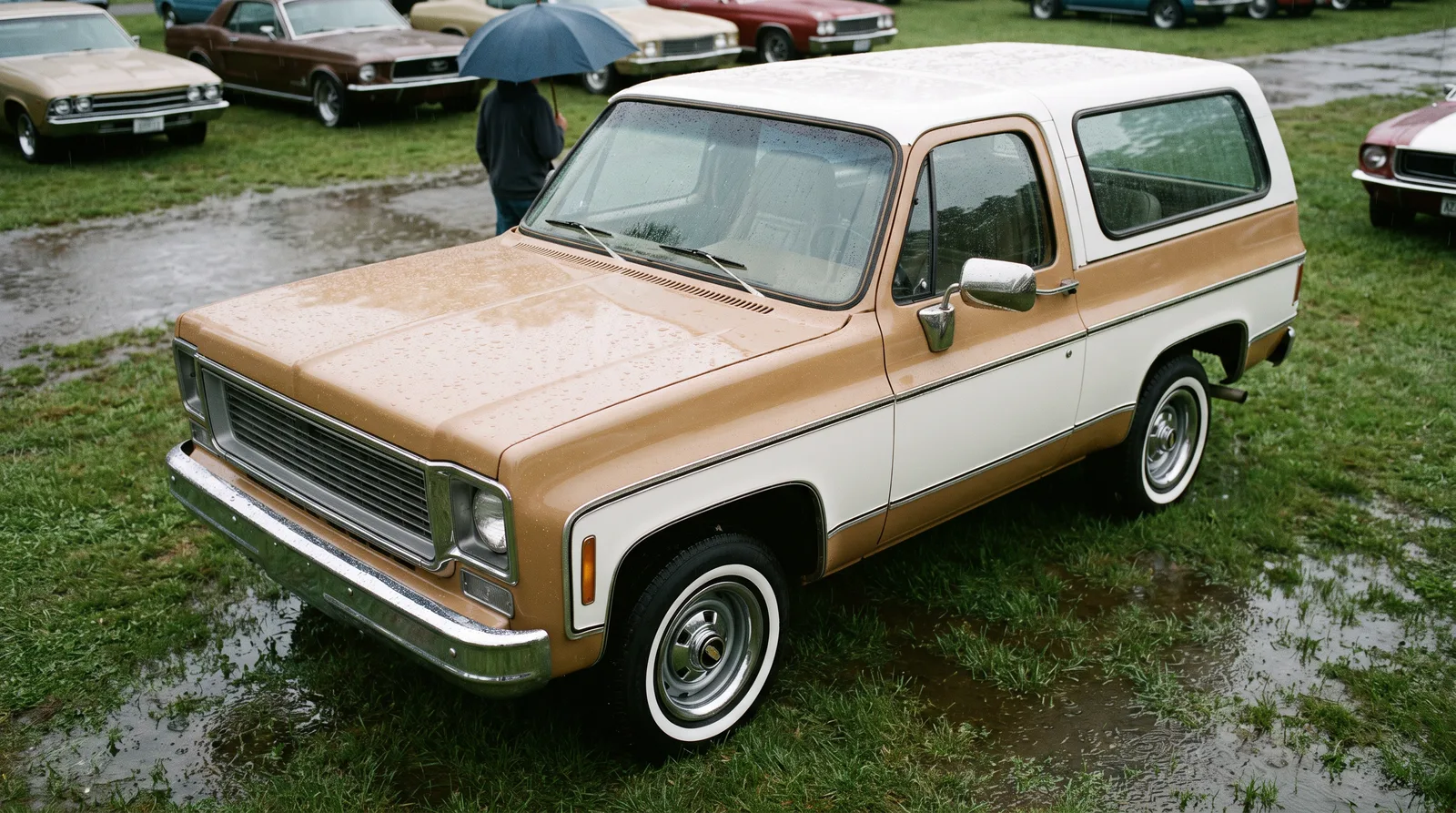
What CST actually added
The CST package on a squarebody K5 Blazer typically brought exterior trim upgrades, bright moldings, badging, and styled wheels or trim rings, along with some interior touches that split the difference between a base work truck and a fully dressed Cheyenne or Silverado. It was frequently paired with other options rather than sold as a completely standalone experience, which is part of why CST trucks can look different from one another depending on what else the original buyer checked on the order form. I have worked on CST trucks that lean almost entirely toward appearance, sport wheels and trim with a fairly plain interior underneath, and I have worked on others where the buyer clearly stacked CST with additional comfort options and ended up with something closer to a Cheyenne in actual feel.
That variability is exactly why CST trucks confuse people shopping today. Unlike Silverado, which had a fairly consistent, recognizable interior treatment, a CST-badged K5 Blazer requires more careful inspection to understand what you are actually looking at, because the package touched different parts of the truck depending on the model year and what else was ordered alongside it.
Why CST fit the K5 Blazer specifically
The Blazer was always a slightly different animal than Chevrolet's standard pickup line, more recreational, more likely to be someone's primary vehicle rather than strictly a work tool. A sport-oriented trim package made sense on a vehicle that a lot of buyers were choosing partly for how it looked doing weekend and recreational duty, not just hauling and towing. CST let Chevrolet offer that sportier appearance without pushing the price all the way up to Cheyenne or, later, Silverado territory, which kept it an attractive option for a buyer who wanted the truck to look sharp without paying for a fully loaded interior they might not use.
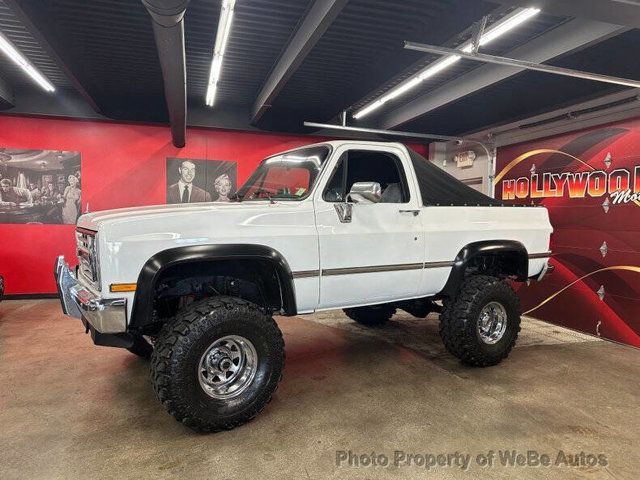
That positioning also explains why CST trucks show up reasonably often paired with the removable hardtop on early squarebody models, since both were popular with buyers leaning into the Blazer's recreational identity rather than its work-truck roots.
Why CST rarely gets talked about at shows
Part of the reason CST stays under the radar at truck shows is simple, it lacks the single, instantly recognizable look that Cheyenne Super or Silverado carry. A judge or a passerby can spot a Silverado interior in seconds. CST is subtler, and its variability works against it in a hobby that often rewards trucks people can categorize at a glance. That is a shame, because a well-preserved CST truck represents a specific slice of what Chevrolet's buyers actually wanted in the 1970s and 1980s, a sportier look without the full comfort-trim price tag, and that story deserves more attention than it usually gets in a hobby that tends to chase the most recognizable badges first.
What to look for when evaluating a CST truck now
Because CST was frequently bundled with other options rather than sold as one fixed configuration, evaluating a CST-badged K5 Blazer today means looking past the emblem and actually cataloging what is present, the trim rings or wheels, the exterior moldings, and whatever interior upgrades came along with the specific order. A build sheet or dealer invoice is genuinely useful here, more so than with some other trim levels, because CST's variability means two trucks wearing the badge from the same model year can differ meaningfully in what they actually include.
For buyers specifically hunting a sportier-looking squarebody without paying Silverado money, a well-documented CST truck can be a smart target. The market has not caught up to CST the way it has to Cheyenne Super or Silverado, and that gap between recognition and actual rarity is where a patient buyer can still find real value.
"CST gets overlooked because it never had one fixed look. That's not a flaw, that's just a trim that changed with whatever else was on the order form."
- Jim Vasquez
CST and the swap meet reality
Wheels and trim rings associated with CST packages have a habit of migrating between trucks over the decades, showing up on vehicles that were never ordered with the package to begin with because they simply looked good and were available at a swap meet for a fair price. That migration is not automatically a problem, plenty of owners are honest about running non-original CST wheels purely for the look, but it does mean the wheels alone are not proof of anything when you are trying to verify whether a specific truck actually left the factory with the package. I have seen more than one truck get sold with a higher price tag simply because it wore CST-style wheels, when the rest of the truck had no other connection to the option at all.
If CST authenticity genuinely matters for your purposes, whether that is resale value or just wanting an accurate restoration, the interior and exterior molding details will tell you more than the wheels ever will. Wheels are the easiest and cheapest part of the package to fake, intentionally or not, which is exactly why they should be the last thing you rely on when making a judgment call.
Placing CST in the wider trim conversation
Understanding CST really requires understanding the broader squarebody trim structure it existed within, since the package's value and meaning shift depending on the model year and what surrounded it in the lineup. For that fuller context, where this started covers the squarebody era from its 1973 debut forward, laying out how the trim hierarchy developed over time. Anyone ready to start hunting for a CST example, or comparing it against other trims, can look through what is currently listed as classic K5 Blazer for sale and start checking build details against the badge.
Sources and notes
Related Reading


Southern California hot rod and custom car builder with roots in the traditional kustom kulture scene.
Related Listings - Chevrolet Blazer
Comments
Be the first to comment on this article.