
A woman at a swap meet in Arizona once told me she bought her squarebody K5 Blazer for one reason, the word "Silverado" stitched into the seat back, faded but still legible after decades of sun through the windshield. She had grown up riding in her father's Silverado-trim Blazer and never forgot the particular shade of blue in that upholstery. Years later, hunting for her own truck, she skipped past cleaner, cheaper base-model examples until she found one wearing the same badge and the same interior color. The Silverado trim on the K5 Blazer squarebody has that effect on people. It was never just an options package. For a lot of owners, it is a specific memory made purchasable.
Car Features
7 min read
The Silverado Trim on the Squarebody K5
How the Silverado badge became the top trim on the squarebody K5 Blazer, and why its interior details are hard to fake decades later.

How Silverado entered the K5 Blazer lineup
Silverado arrived as the top trim designation for Chevrolet's full-size trucks partway through the squarebody era, positioned above the existing Cheyenne trim rather than replacing it. Once Silverado joined the lineup, it became the truck to order if a buyer wanted the fullest expression of comfort and brightwork the K5 Blazer could offer, richer upholstery, more chrome trim, additional sound insulation, and interior details that a base or even a Cheyenne-trim buyer would have gone without. It positioned the K5 Blazer less as a strictly utilitarian vehicle and more as something a family might choose deliberately over a car for weekend use, not just farm or work duty.
That shift mattered culturally as much as mechanically. A Silverado-badged Blazer told a specific story about the household that bought it, one that valued comfort and presentation alongside the truck's obvious off-road capability. Dealers marketed it that way too, leaning into the idea of a truck that worked hard during the week and looked presentable taking the family somewhere on a Saturday.
What actually changes inside a Silverado-trim truck
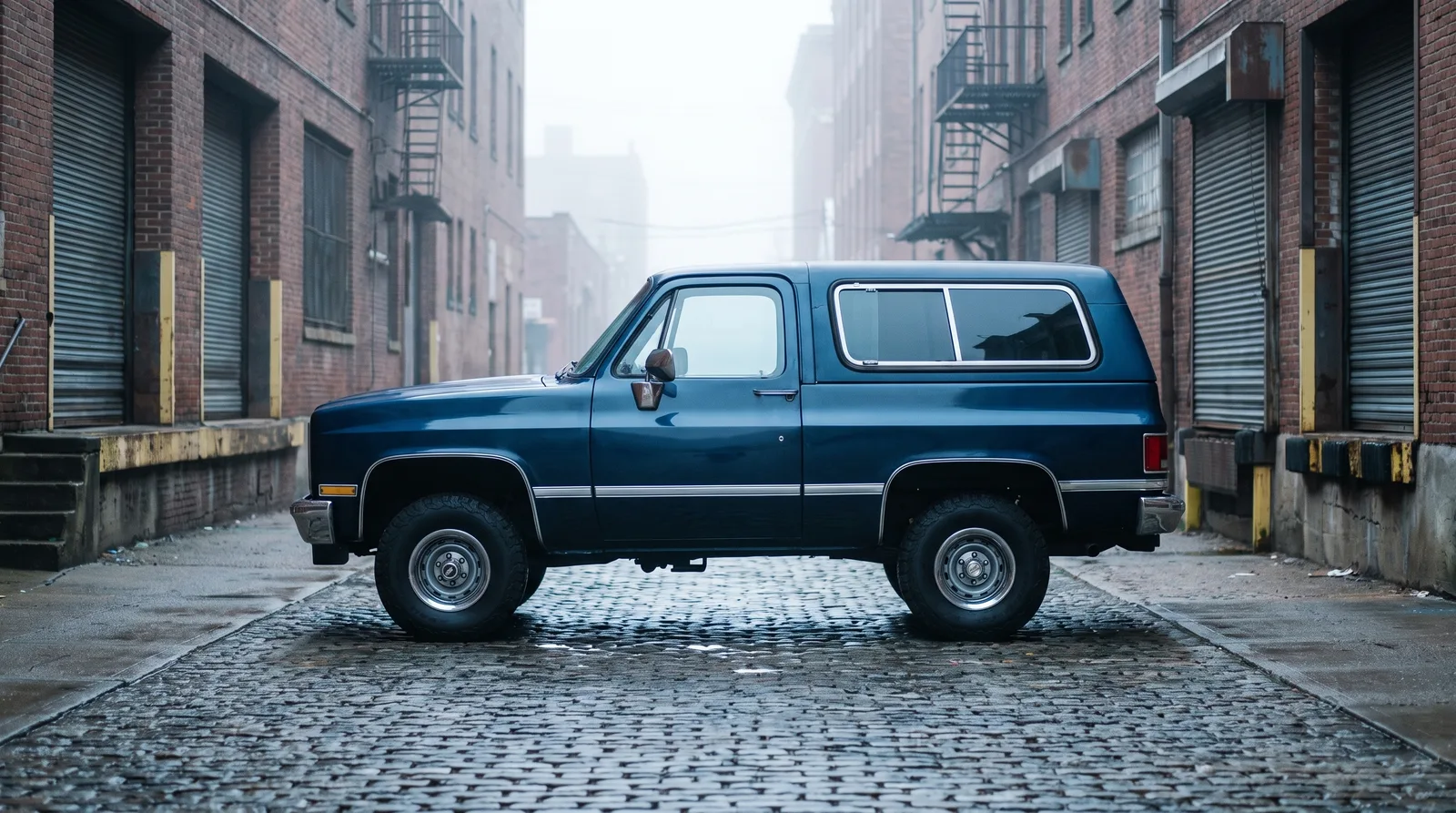
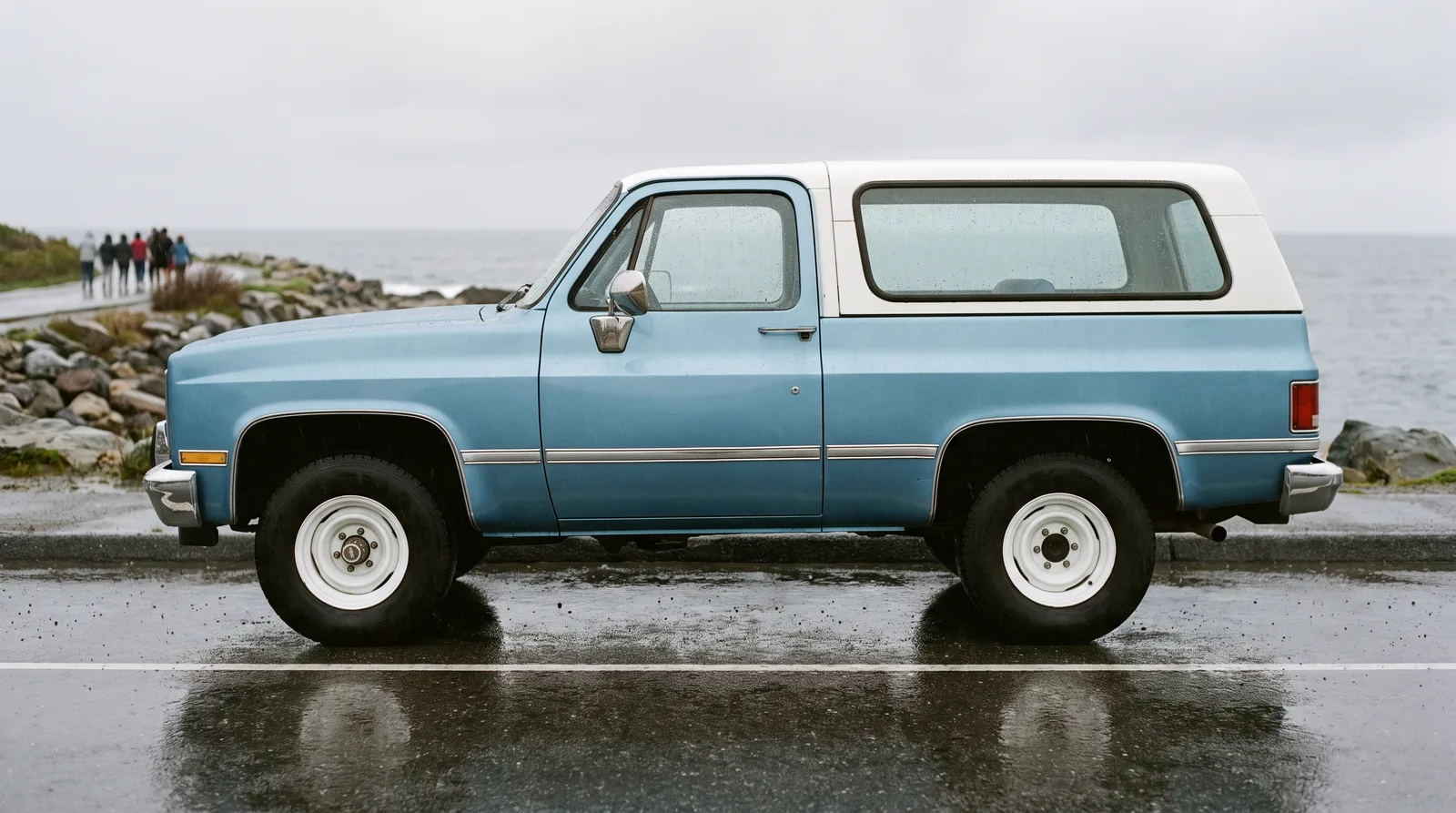
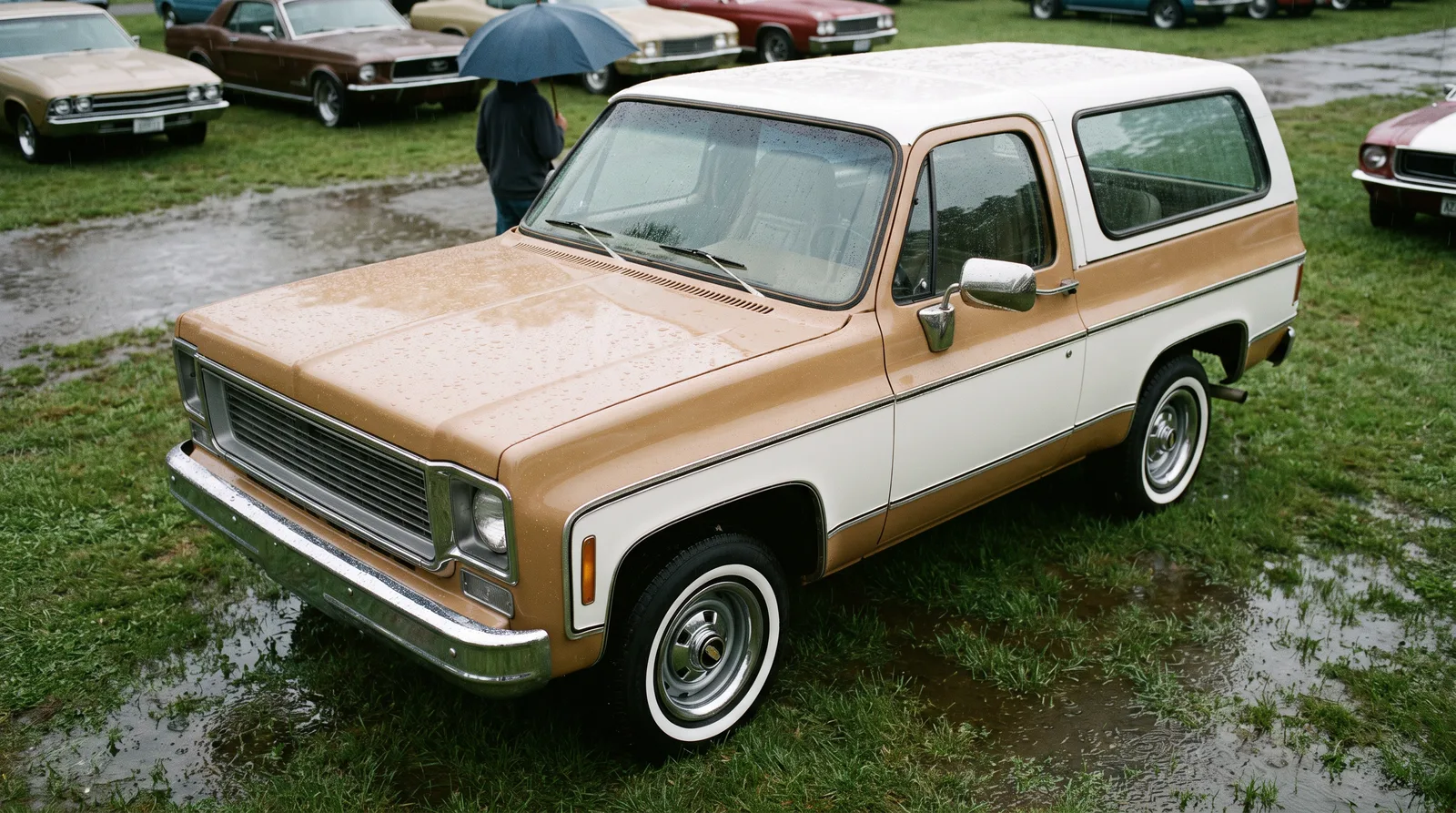
Step into a genuine Silverado-trim squarebody Blazer next to a base or Cheyenne truck from the same year and the differences are immediate. The seat fabric and pattern are distinct, the door panels carry extra trim and often woodgrain-style accents, and the dash and console areas received details that were simply left off lower trims. Exterior chrome, including trim around the wheel openings and additional brightwork on the grille and mirrors, marked the truck from the outside before anyone even got close enough to read the badge. None of it changed how the truck drove or what it could tow, but all of it changed how the truck felt to live with every single day, and that was the entire point of paying for the upgrade in the first place.
How Silverado compared to the Blazer's other top options
It is worth remembering that Silverado did not exist in isolation. Buyers cross-shopping a fully loaded K5 Blazer against other manufacturers' top trucks in the same era were weighing similar upgrades, better upholstery, more sound insulation, added chrome, against each other, and Silverado was Chevrolet's answer to that competitive pressure as much as it was a response to internal demand. Positioning the trim at the very top of the Blazer lineup, above Cheyenne, gave Chevrolet a direct answer whenever a competing dealership tried to out-equip them on the showroom floor. That competitive context helps explain why Silverado trucks tend to carry more standard equipment than the badge alone might suggest, since Chevrolet had real incentive to make the top trim genuinely stand out rather than just carry a name.
Why Silverado examples command attention today
In the current collector and restoration market, a documented Silverado-trim K5 Blazer squarebody typically draws more interest than an equivalent base truck, partly because the interior work is genuinely nicer and partly because the badge carries recognition even among people who are not deep into Chevrolet trim history. That recognition comes with a cost, though. Silverado interior parts, the specific seat fabric, correct door panel trim, and matching carpet, are harder to source than base-truck equivalents, simply because fewer were built and fewer have survived in reusable condition. Anyone restoring a Silverado-trim truck to original specification should expect that hunt to take longer and cost more than restoring a comparable base or Cheyenne interior.
As with any trim-specific claim on an older truck, verification matters. Badges get added to trucks that were never built with the trim behind them, and a seller advertising "Silverado" deserves the same scrutiny as any other trim claim, checking the actual upholstery pattern and trim details against what the factory offered for that specific model year rather than taking the emblem at face value.
"People don't remember horsepower numbers from their childhood. They remember the way a seat felt on a long drive, and Silverado trim was built entirely around that kind of memory."
- Nora Beckett
Restoring a Silverado interior the right way
Anyone taking on a Silverado-trim restoration needs to budget more time for sourcing than they might expect. Correct seat fabric in the right pattern and color is not always readily available new, which pushes restorers toward reproduction suppliers who specialize in period-correct upholstery, or toward salvaging usable material from a donor interior in similar condition. Door panels present a similar challenge, since the woodgrain-style accents and trim specific to Silverado were never as widely produced or as durable as the simpler panels on lower trims, and decades of sun exposure have not been kind to the ones that survive.
Patience tends to pay off here more than anywhere else on a squarebody restoration. Rushing a Silverado interior with close-but-not-quite substitute parts is usually obvious to anyone who knows what to look for, and it undercuts the value of the restoration in a way that cutting corners on less distinctive trims does not. Owners who take the extra time to source correct parts, even if it means waiting through several swap meets or online searches, end up with a truck that holds its value and its story far better than one assembled from whatever was convenient.
A trim level that outlasted its own marketing
Silverado eventually outgrew the K5 Blazer entirely, becoming Chevrolet's flagship truck trim name for decades after the squarebody generation ended, which only adds to the appeal of finding it on a truck from the era where it first meant something specific and comparatively rare. Readers curious about the full range of trims and changes across this platform can find more on the square body blazer covering the era in depth, and for the complete story of the model from its 1969 debut onward, where this started traces the whole timeline. Anyone chasing their own version of that Arizona swap meet moment can browse classic K5 Blazers on the market and start looking for the details that separate a genuine Silverado from a badge someone added later.
Sources and notes
Related Reading
Have a
Chevrolet Blazer
for Sale?
Reach thousands of serious classic car collectors across the US.
Sell It Here →
Selling a classic? Here's how: sell my classic car
Are You a Classic Car Dealer?
List your full inventory and connect with targeted classic car buyers.
Join as a Dealer →

About the author
Nora Beckett
Automotive features writer and photographer who tells the human stories behind the cars, from show fields to cross-country road trips.
Related Listings - Chevrolet Blazer
Comments (1)
S
squarebody_steve
1 day ago
silverado blue cloth with the woodgrain door panels is so clean fr