
Somewhere outside a diner in the early 1970s, two trucks would have pulled in from opposite directions, one built by Ford and one by Chevrolet, both promising the same basic idea and neither one willing to admit the other did it better. The k5 blazer vs bronco rivalry was never really settled in showrooms or sales figures alone. It got settled, and re-settled, and settled again, in exactly that kind of parking lot, one owner at a time, for five decades running.
Car Features
7 min read
K5 Blazer Versus Ford Bronco: The Full-Size Rivalry
How the K5 Blazer and early Ford Bronco built a showroom rivalry that never really faded, and why owners on both sides still argue the case today.
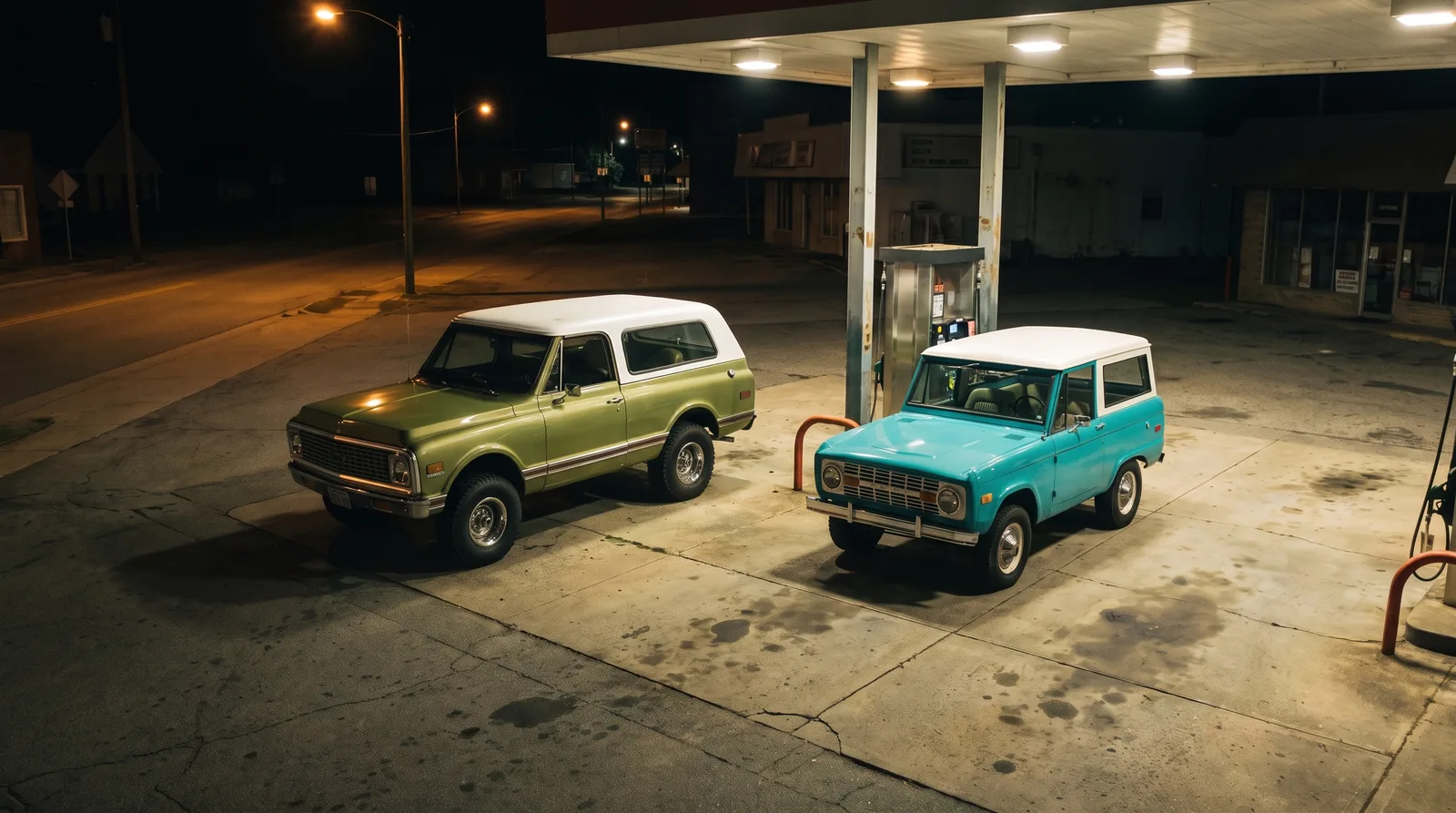
Two answers to the same question
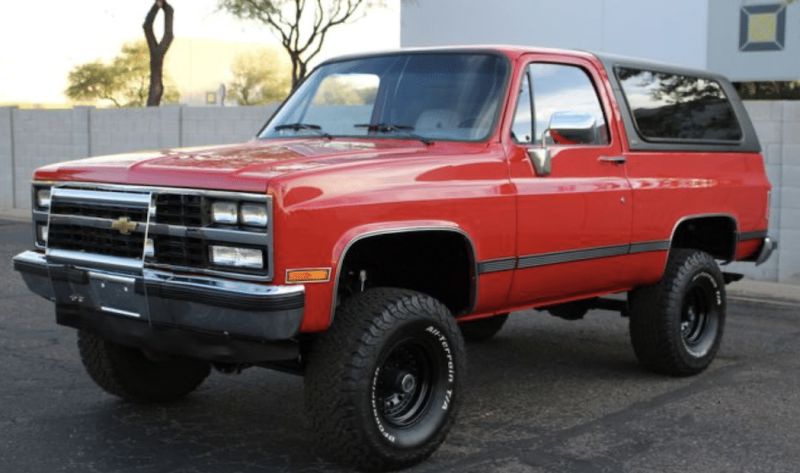
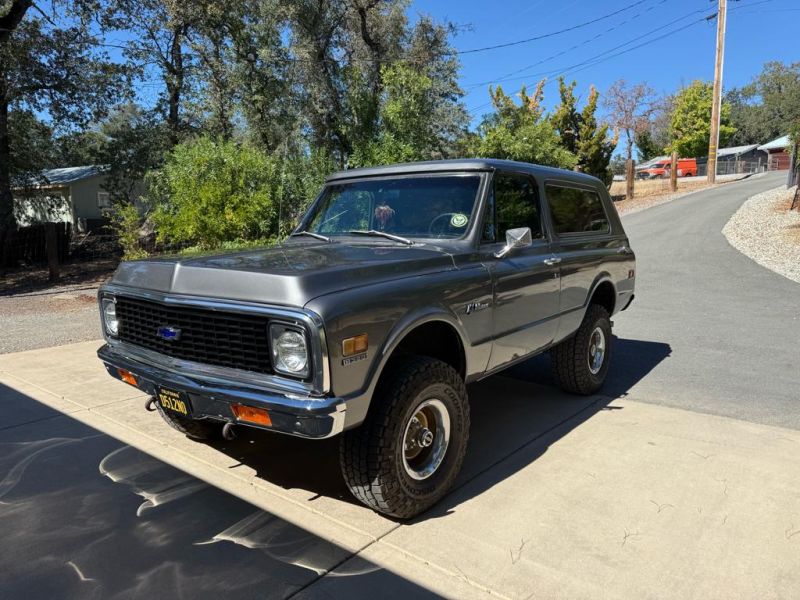
Ford's Bronco arrived first, in 1966, built as its own dedicated platform rather than a variant of an existing truck line. Chevrolet's response came three years later with the K5 Blazer, and the difference in approach set the terms of the rivalry from day one. Rather than build something new from the ground up, Chevrolet took its full-size C/K pickup, shortened the frame, and wrapped it in a body that shared its front end and running gear with the rest of the truck lineup already on dealer lots. That decision made the K5 bigger, roomier, and more closely tied to Chevrolet's existing truck reputation than the purpose built Bronco ever was.
Ford's dedicated platform gave the Bronco a tighter, more nimble character that appealed strongly to buyers thinking primarily about off-road capability in a smaller package. Chevrolet's full-size approach gave the K5 a wider stance and more interior room, appealing to buyers who wanted genuine truck capability alongside the open air experience rather than choosing between the two. Neither company was wrong about what buyers wanted. They were simply betting on different buyers.
Price, positioning, and who each truck was really for
Pricing strategy played its own quiet role in the rivalry, with each brand positioning its truck to reach a slightly different segment of the same general buyer pool. The Bronco's smaller footprint let Ford compete on a lower base price point in some configurations, appealing to buyers who wanted open air capability without stepping all the way up to full-size truck money. Chevrolet's approach with the K5 leaned on shared parts and production lines with its existing pickup range to keep the bigger truck competitively priced, arguing that buyers were getting genuine full-size capability for not much more than a smaller, purpose built alternative would cost.
That positioning strategy shaped how each brand's dealers pitched the trucks on the lot, with Bronco salesmen often emphasizing value and agility, while Chevrolet dealers pushed the idea that a buyer was not really choosing between price points at all, just deciding whether they wanted a genuinely bigger truck for a modest difference in cost.
The showroom war that followed
Once both trucks were established, the competition played out across dealer lots and advertising campaigns for years, each brand emphasizing exactly the strengths that set it apart from the other. Ford leaned into the Bronco's agility and its jeep like heritage, while Chevrolet pushed the K5's size, comfort, and shared parts bin with its full-size pickups as reasons a buyer could trust it for serious work as well as weekend recreation.
Dealers on both sides fed the rivalry without much subtlety, and buyers picked up on it quickly. Choosing a K5 over a Bronco, or the reverse, became something close to a small statement of identity among truck buyers in certain regions, not unlike choosing between competing pickup brands has always carried a bit of tribal loyalty. That loyalty did not fade when the trucks got older. If anything, it hardened into something more permanent once both platforms became sought after classics rather than everyday work trucks.
Why the debate never really cooled off
Most automotive rivalries from this era eventually settle into nostalgia, with enthusiasts on both sides content to admire each other's trucks at shows without much real argument left. The K5 and Bronco crowd never fully got there. Show up at a mixed gathering of both truck communities and the old debate resurfaces almost immediately, usually framed around size versus agility, or full-size capability versus purpose built off-road focus, the exact same terms the rivalry started on back when both trucks were new.
Part of what keeps the argument alive is that both trucks genuinely have a case. The K5's size advantage is real and easy to demonstrate on a highway or with a loaded bed. The Bronco's agility advantage is just as real and just as easy to demonstrate on a tight trail. Neither side is arguing from nostalgia alone, which is probably why the debate has outlasted so many other classic truck rivalries that quietly faded once nobody could remember what the actual argument was about.
"You put a K5 owner and a Bronco owner in the same parking lot and give it ten minutes. They'll be arguing wheelbase and payload capacity like it's 1971 again. That rivalry never actually ended, it just got quieter for a while."
- Patrick Walsh
How the rivalry shows up at shows today
Mixed truck shows that draw both K5 and Bronco owners have developed a kind of friendly ritual around the old rivalry, with trucks from both camps often parked in deliberate proximity so visitors can compare them side by side. Owners on both sides generally enjoy the comparison more than they resent it, treating the whole exchange as good natured rather than genuinely competitive, though the arguments about wheelbase and capability can still get surprisingly detailed for something that started as friendly ribbing.
Some regional clubs have even organized joint events specifically built around the rivalry, pairing a K5 heavy show with a Bronco heavy one and encouraging cross attendance. Those events tend to draw bigger crowds than either truck could manage alone, which is its own quiet acknowledgment that the rivalry, whatever its origins, has become something the hobby genuinely enjoys keeping alive rather than a grudge either side actually wants to see end.
What the rivalry says about both trucks today
Modern collectors tend to inherit the rivalry whether they mean to or not, picking up strong opinions from club culture and older owners even if they were not around for the original showroom competition. That inherited loyalty has kept both platforms healthy in the collector market, since each truck's community pushes the other to maintain higher restoration standards, better documentation, and more active owner networks than either might have sustained entirely on its own.
For readers who want the deeper k5 blazer vs bronco history behind how this competition actually played out through the decades, that full account traces the rivalry from its earliest showroom days to its current status among collectors. There is also a related story worth reading for anyone curious how the size difference between these two trucks actually plays out in real world driving and capability. And if the rivalry has you leaning toward the bigger, roomier side of the argument, there are K5 Blazers for sale now worth a serious look before you make up your mind.
Sources and notes
Related Reading
Have a
Chevrolet Blazer
for Sale?
Reach thousands of serious classic car collectors across the US.
Sell It Here →
Selling a classic? Here's how: sell my classic car
Are You a Classic Car Dealer?
List your full inventory and connect with targeted classic car buyers.
Join as a Dealer →

About the author
Patrick Walsh
Automotive journalist covering classic car shows, events, and the enthusiast community across North America.
Have to disagree on the tribal loyalty business. Back when I hung around the Sacramento indoor shows in the seventies, the four-wheel-drive crowd got parked together in a back hall and nobody cared about bowtie or blue oval; what they cared about was who had flares blended in properly and who had just bolted on whatever the parts counter sold. I watched a fella with a shaved, nosed early Bronco spend a whole Saturday helping a Blazer owner sort out his top seal, both of them flat on their backs on the concrete. The parking lot feud described here feels like something the internet built after the fact. A well-done truck was a well-done truck, whatever the grille said.