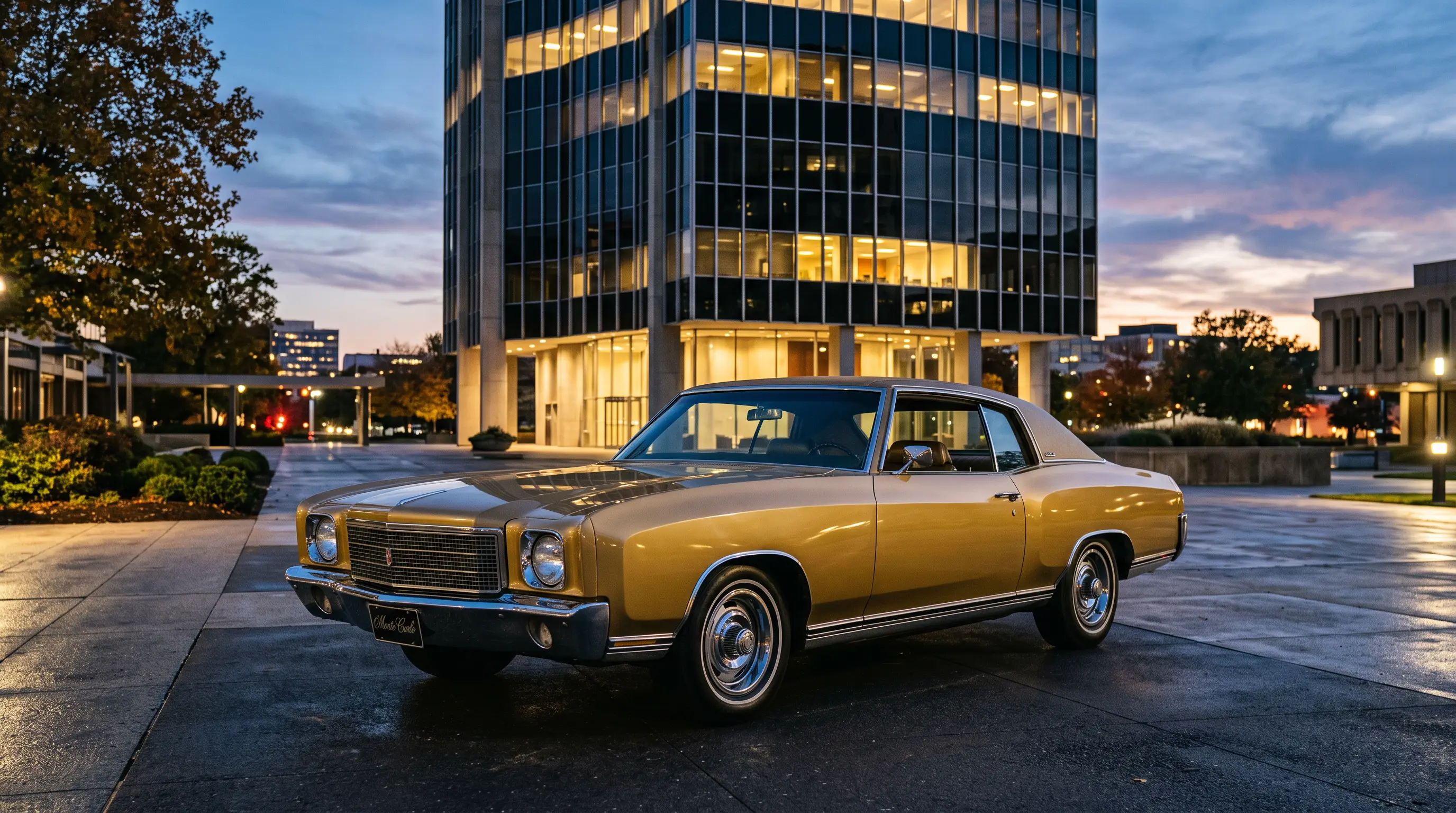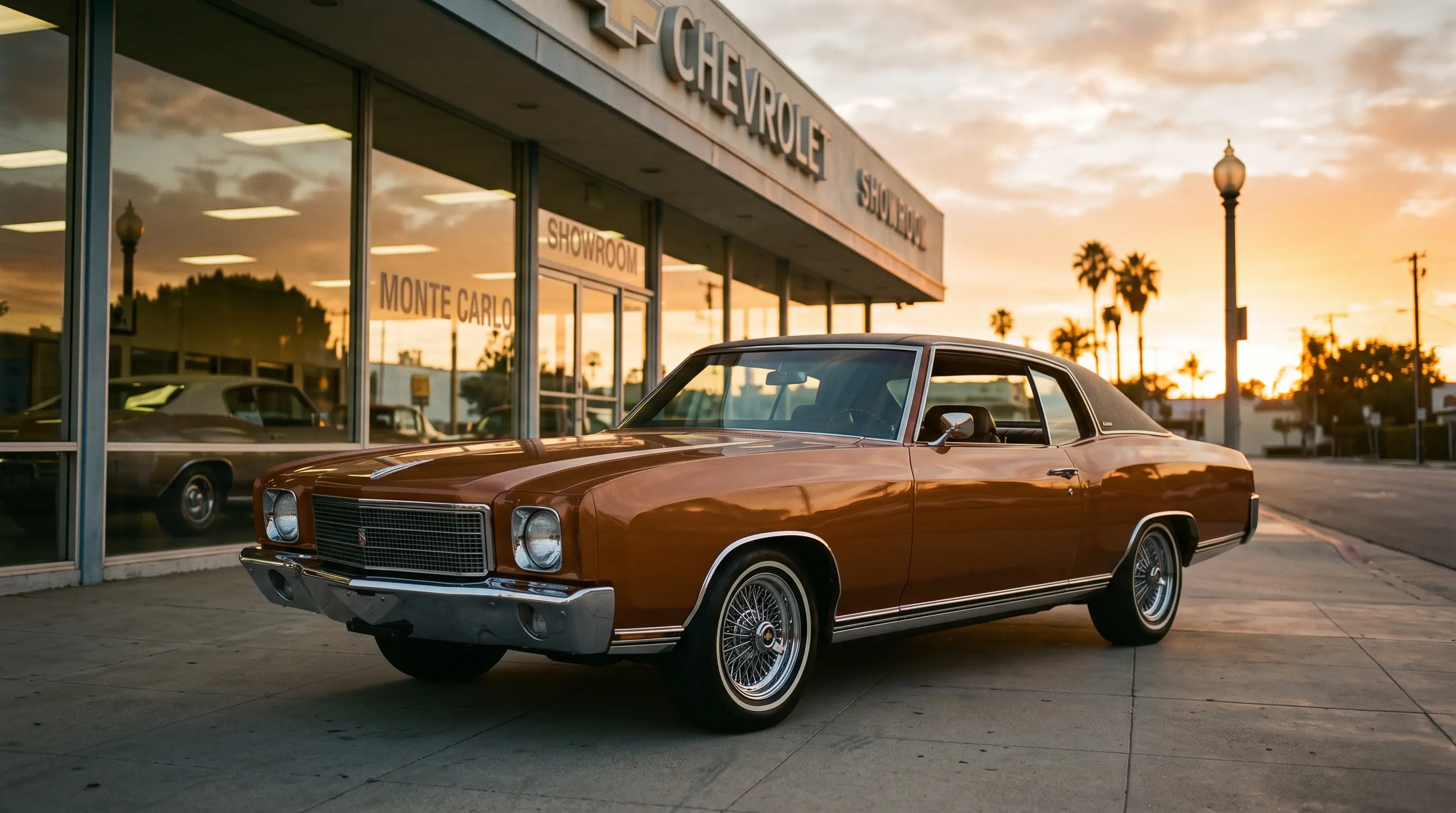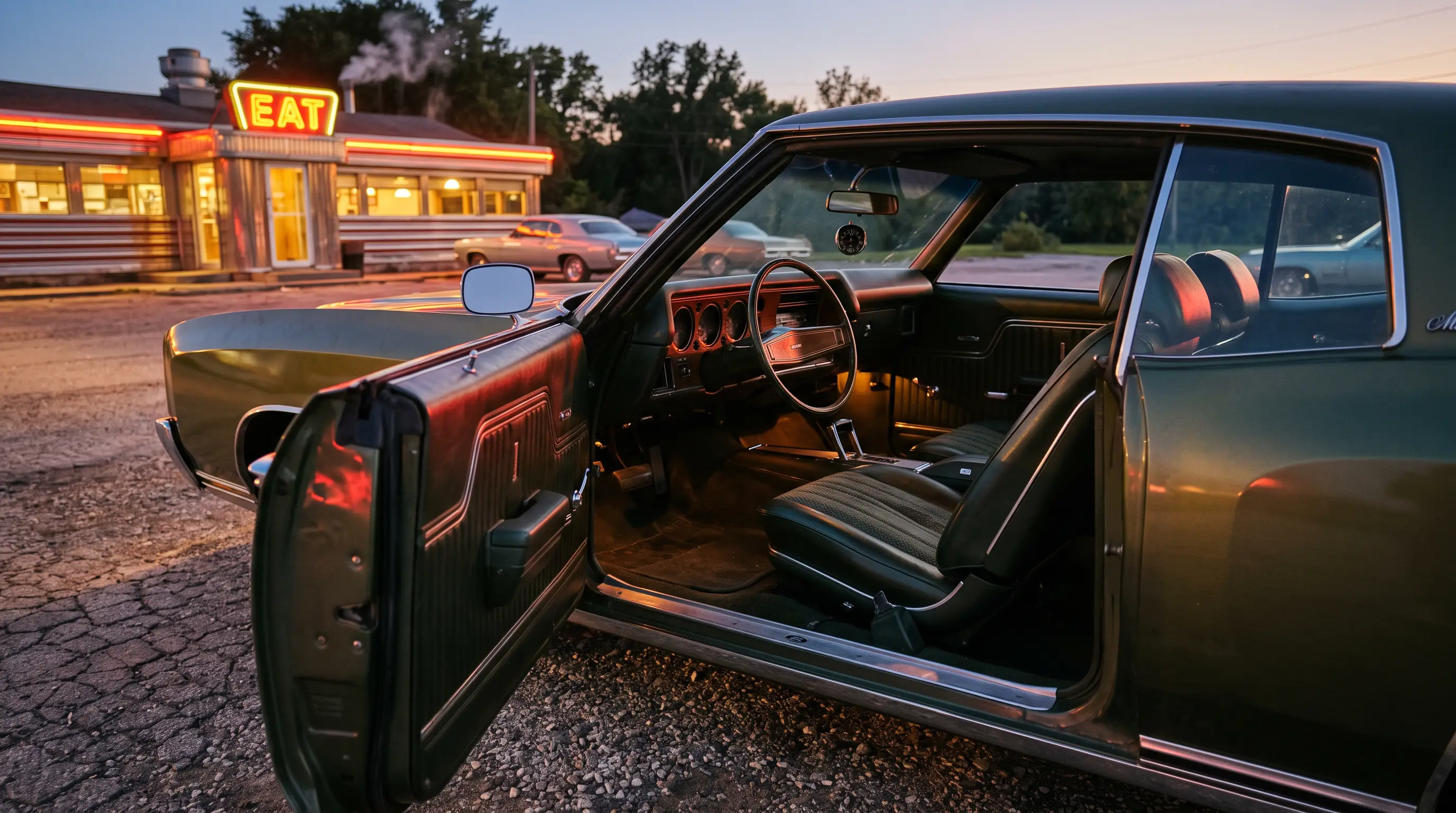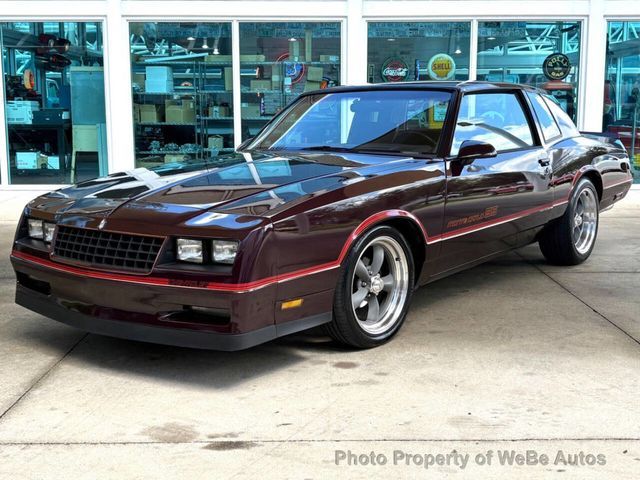
Paint has a way of dating a car more honestly than any spec sheet, and the monte carlo 1970 color palette is a near-perfect snapshot of what American taste looked like the year this car hit dealer lots. Long before anyone talks about engine codes or trim levels, the color a Monte Carlo wore off the assembly line tells you almost everything about who bought it, what decade they were living in, and what that era's design departments believed customers wanted to be seen driving.
Earth tones and metallics as the era's dominant language
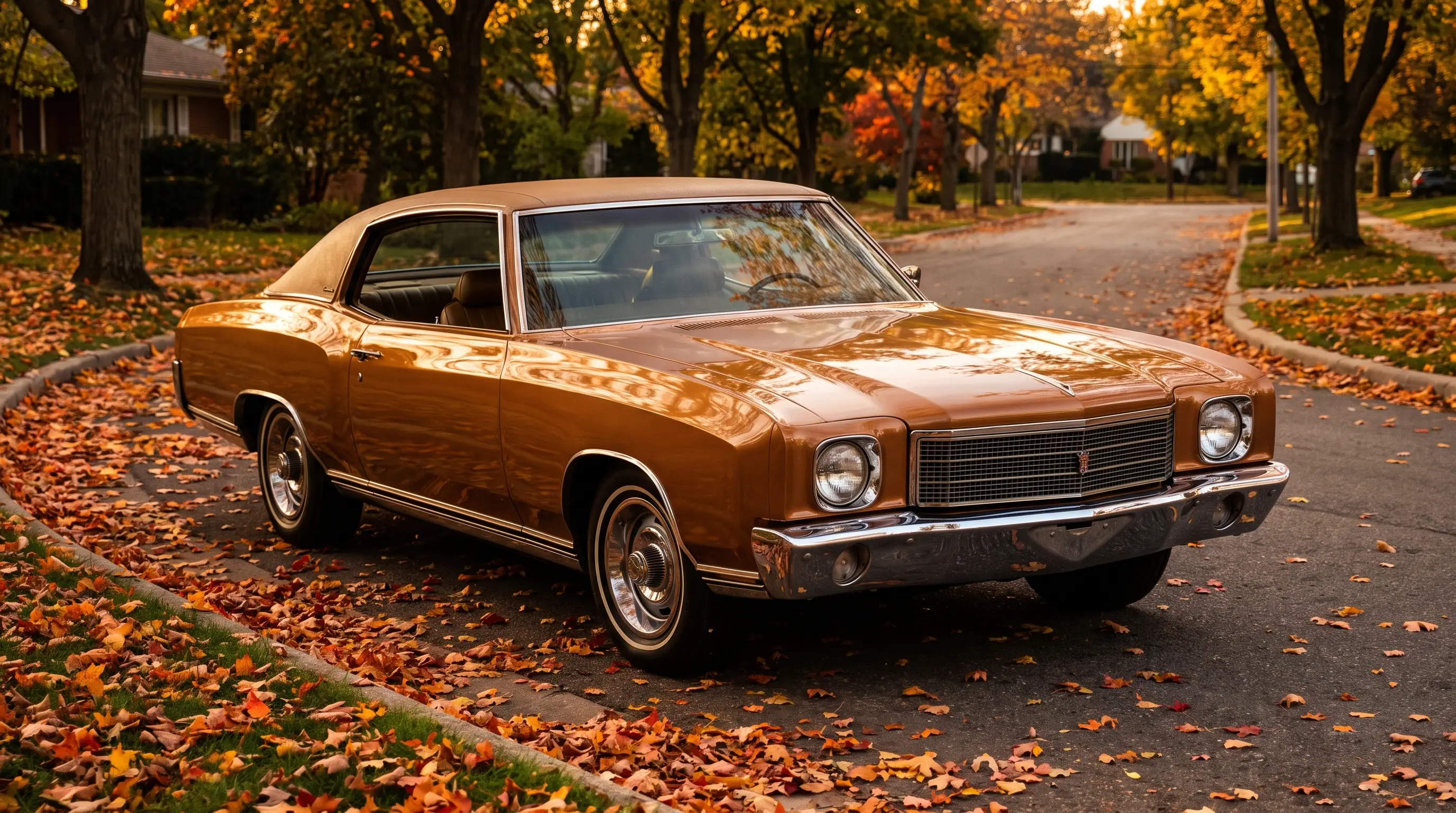
1970 sat squarely in a period when American automotive color palettes had shifted away from the brighter, more saturated hues of the mid-1960s toward richer earth tones, deep golds, avocado and forest greens, warm browns, and burnt oranges, alongside a steady lineup of metallics that read as understated luxury against those earthier options. The factory list for 1970 backs this up directly: Antique White, Pewter Silver, Ascot Blue, Mulsanne Blue, Spring Green, Gulf Green, Sequoia Green, Covert Tan, Placer Gold, Cream Yellow, Golden Brown, Mohave Gold, Orange Flame, Midnight Bronze, and Cranberry Red, with several of those offered in two-tone combinations against an Antique White top. Anyone restoring a car should still cross-check the exact code against a period paint chip chart and the cowl tag rather than trusting a color name alone, since chart reproductions and reprints have introduced small naming inconsistencies over the decades, but the broader era trend is well documented and consistent across nearly every domestic manufacturer's brochures from that model year. Chevrolet's designers were not swimming against that current with the Monte Carlo. They were embracing it fully, since this was a car aimed squarely at a buyer who wanted to feel current and tasteful rather than flashy.
Why these colors made sense for a personal luxury coupe specifically
Color choice on a personal luxury coupe carries different weight than it does on a family sedan or a dedicated muscle car. A Chevelle SS buyer wanted a color that screamed performance, bright competition-inspired hues that photographed well at a drag strip. A Monte Carlo buyer wanted the opposite signal entirely: understated confidence, a color that read as tasteful in a country club parking lot as easily as a suburban driveway. The earth-tone and metallic-heavy palette Chevrolet leaned into for this car matched that positioning precisely, giving buyers a way to signal upscale restraint rather than youthful aggression, which lines up exactly with how Chevrolet marketed the Monte Carlo against its more performance-focused Chevelle sibling built on the same underlying platform.
How color interacted with that long-hood silhouette
The Monte Carlo's long hood and short deck proportion, discussed at length elsewhere in this cluster, actually reads differently depending on paint choice, and this is something I notice constantly at shows. A darker earth tone or deep metallic tends to visually lengthen that hood even further, emphasizing the exact proportional trick the body was designed around, while lighter colors and whites tend to soften the same silhouette and make the car look a touch less aggressive and a touch more purely luxurious. Neither approach is wrong, but understanding which effect a given color produces matters enormously when deciding on a repaint for a car that has lost its original finish, since matching the wrong color family to this specific body shape can undercut the very design intent Chevrolet's stylists were chasing.
What color choice means for originality and value today
Original paint color, confirmed against the cowl tag's paint code rather than assumed from the car's current finish, matters more to serious collectors than most casual buyers realize. A Monte Carlo repainted decades ago in a color that never appeared on the factory's original chart, however attractive, represents a meaningful originality gap compared to a car still wearing its documented factory color or a correctly matched repaint. Buyers chasing maximum long-term value should always request the cowl tag decode before assuming a car's current paint reflects how it left the factory, since color swaps were common practice among owners chasing whatever shade was fashionable at the time of a given repaint, long before anyone treated these cars as collectible. That gap between a car's current finish and its documented factory color is one of the more common surprises a buyer encounters once the cowl tag actually gets decoded.
"Paint tells you more about the decade a car was bought than the decade it was built. That gap between the two is exactly where a lot of expensive originality mistakes get made."
- Jim Vasquez
Vinyl roofs and how they changed the color equation entirely
A significant share of 1970 Monte Carlos left the factory with a vinyl roof option, and that single choice changed the entire color conversation for a given car. A vinyl top in black, white, or a coordinating earth tone effectively split the car's visual mass into two distinct zones, body color below and roof material above, which meant Chevrolet's designers had to think about paint and vinyl pairings as a combined system rather than treating exterior color as a single independent decision. Some body colors paired beautifully with a contrasting vinyl top and looked comparatively flat without one, which is part of why vinyl roof take rates varied so much depending on the specific paint color a buyer had already selected, and why two Monte Carlos in the same base color can present as visually distinct cars depending purely on whether a vinyl top was ordered at all. Restorers today sometimes underestimate how much a correctly chosen, period-appropriate vinyl top color contributes to a car reading as authentic, treating it as a minor add-on rather than the deliberate design pairing Chevrolet actually engineered it to be.
Matching color to the rest of the restoration
Getting the exterior color right only matters if the rest of the car's trim choices, discussed in more detail in a related story covering the interior console and seating, were period-correct as well. Chevrolet coordinated exterior color options with specific interior color and trim combinations rather than offering every paint and interior pairing freely, which means a correctly documented restoration needs to verify that the exterior color and interior trim actually shipped together from the factory rather than assuming any combination was possible. Readers wanting the full debut-year context behind these design decisions should revisit our 1970 monte carlo retrospective, and anyone shopping for a Monte Carlo wearing a color that catches the eye today can browse Monte Carlos for sale now to see how the era's palette actually holds up parked in daylight rather than printed on a brochure page.
Sources and notes
- First Generation Monte Carlo Club - Paint Codes
- PaintRef - 1970 GM Color Codes, Monte Carlo Paint Cross-Reference
- Autopaper - 1970 Chevrolet Color Options Brochure
- AutomotiveTouchup - 1970 Chevrolet All Models Colors
- Wikipedia - Chevrolet Monte Carlo
- SS396.com - 1970 Monte Carlo Restoration Information