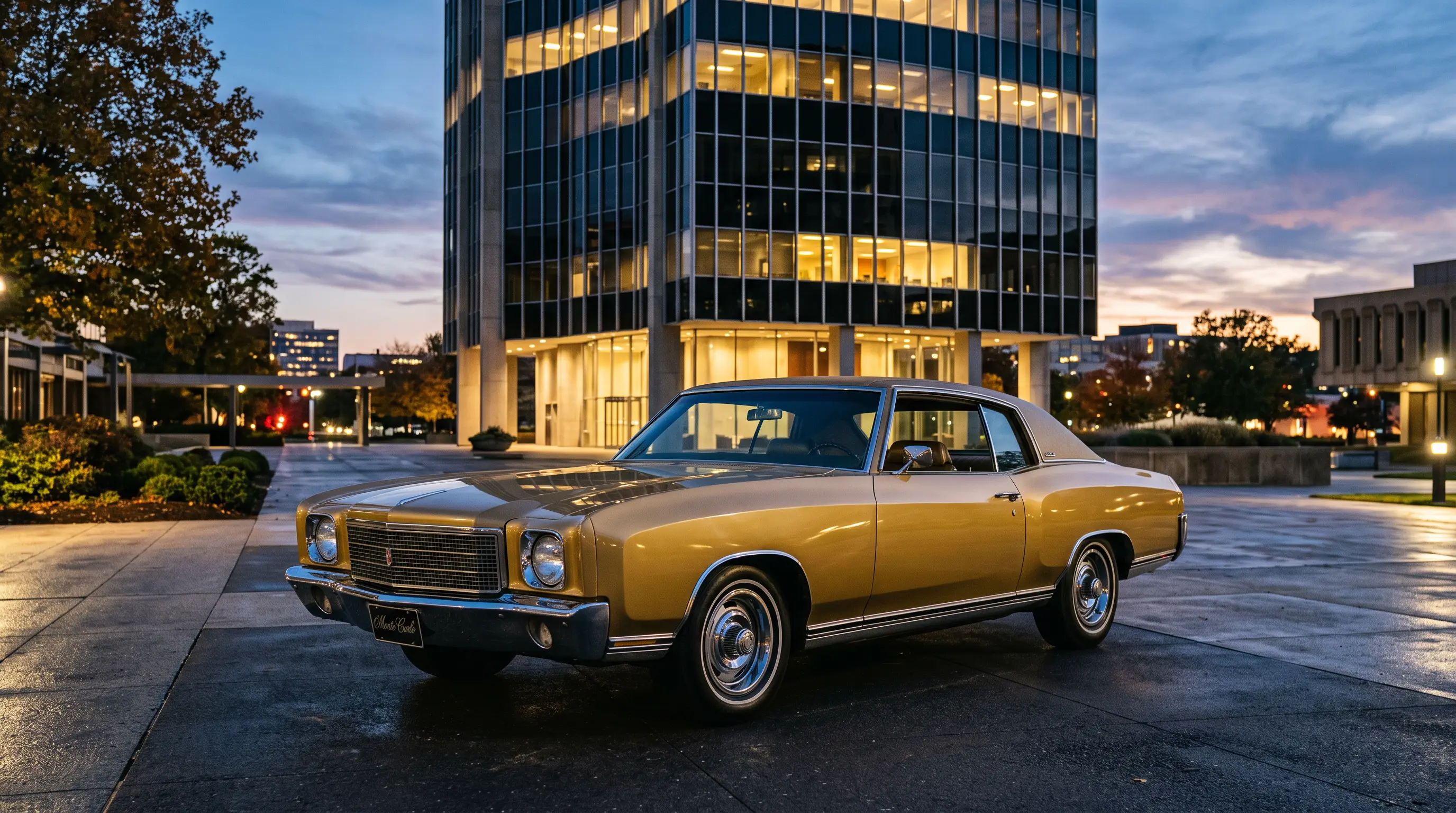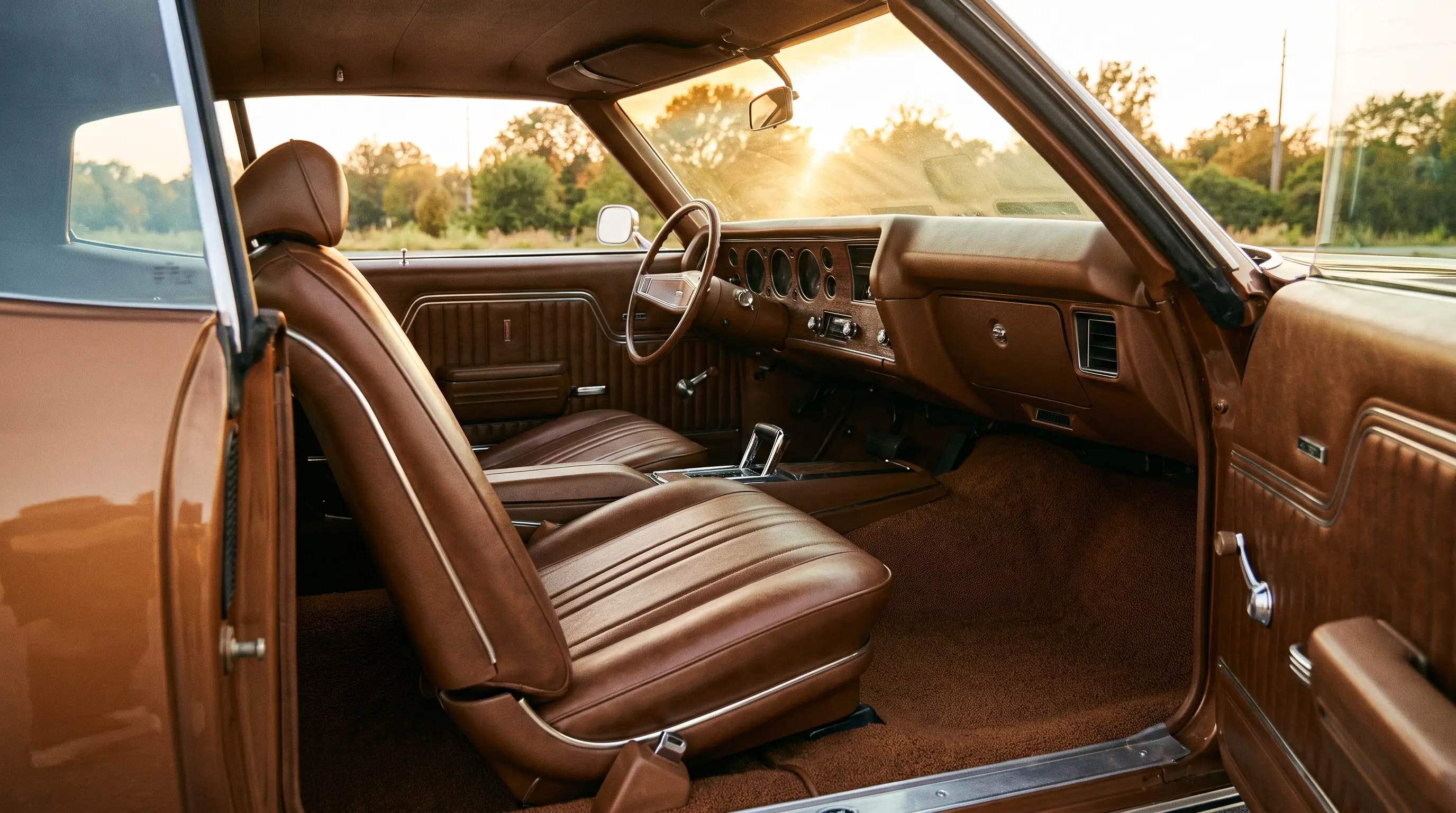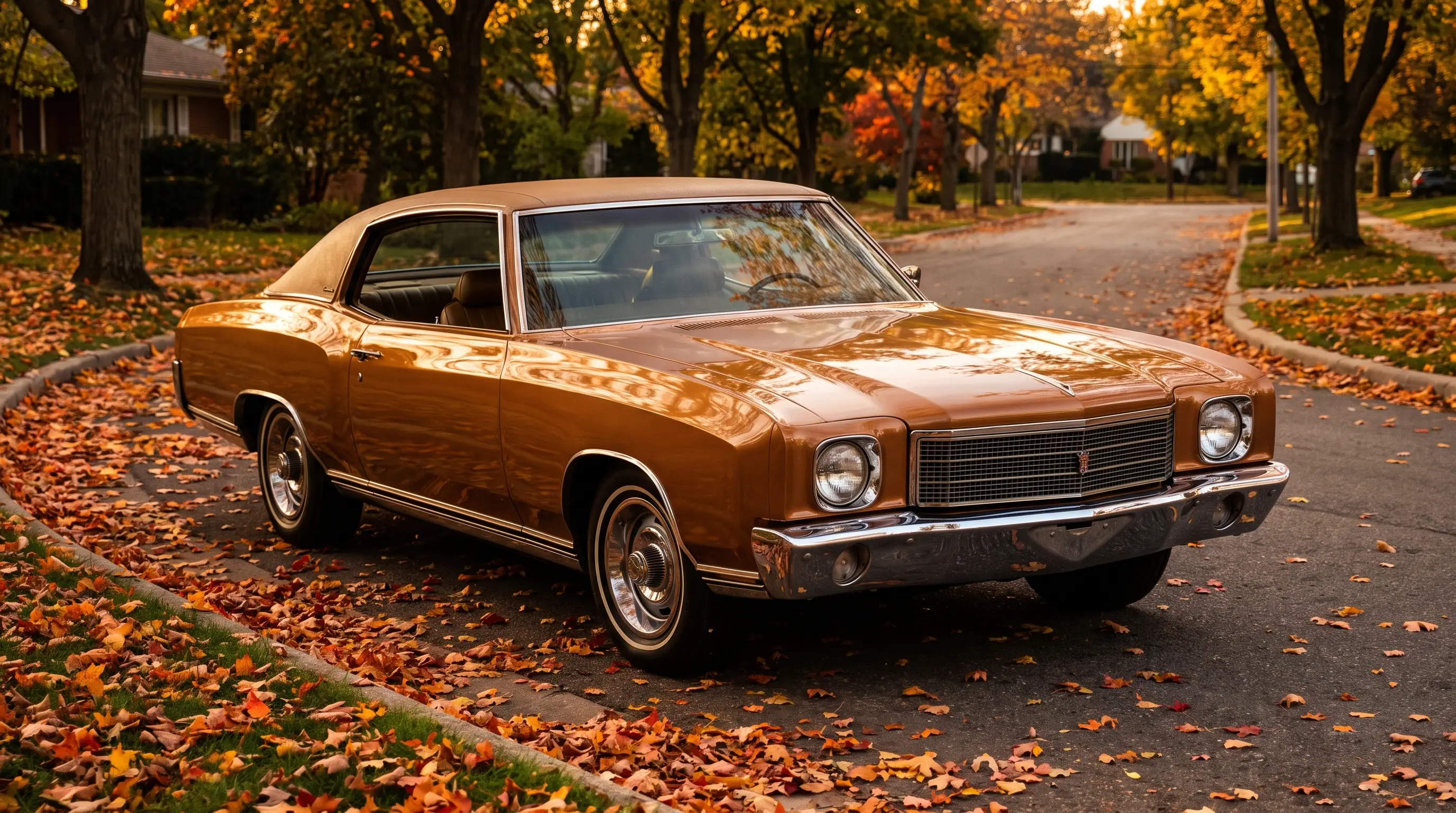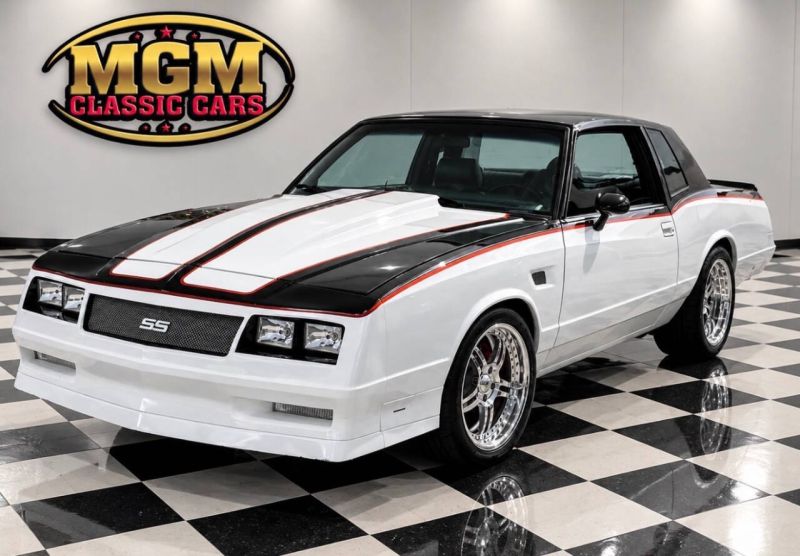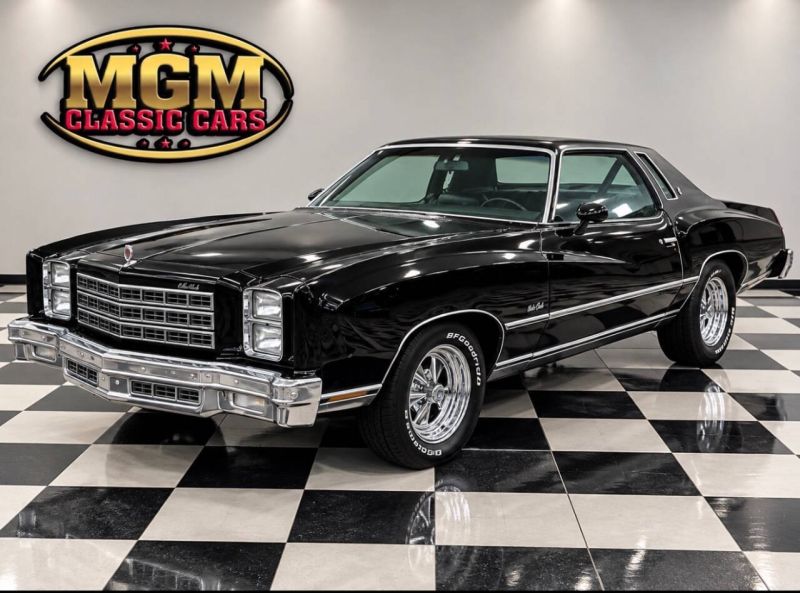
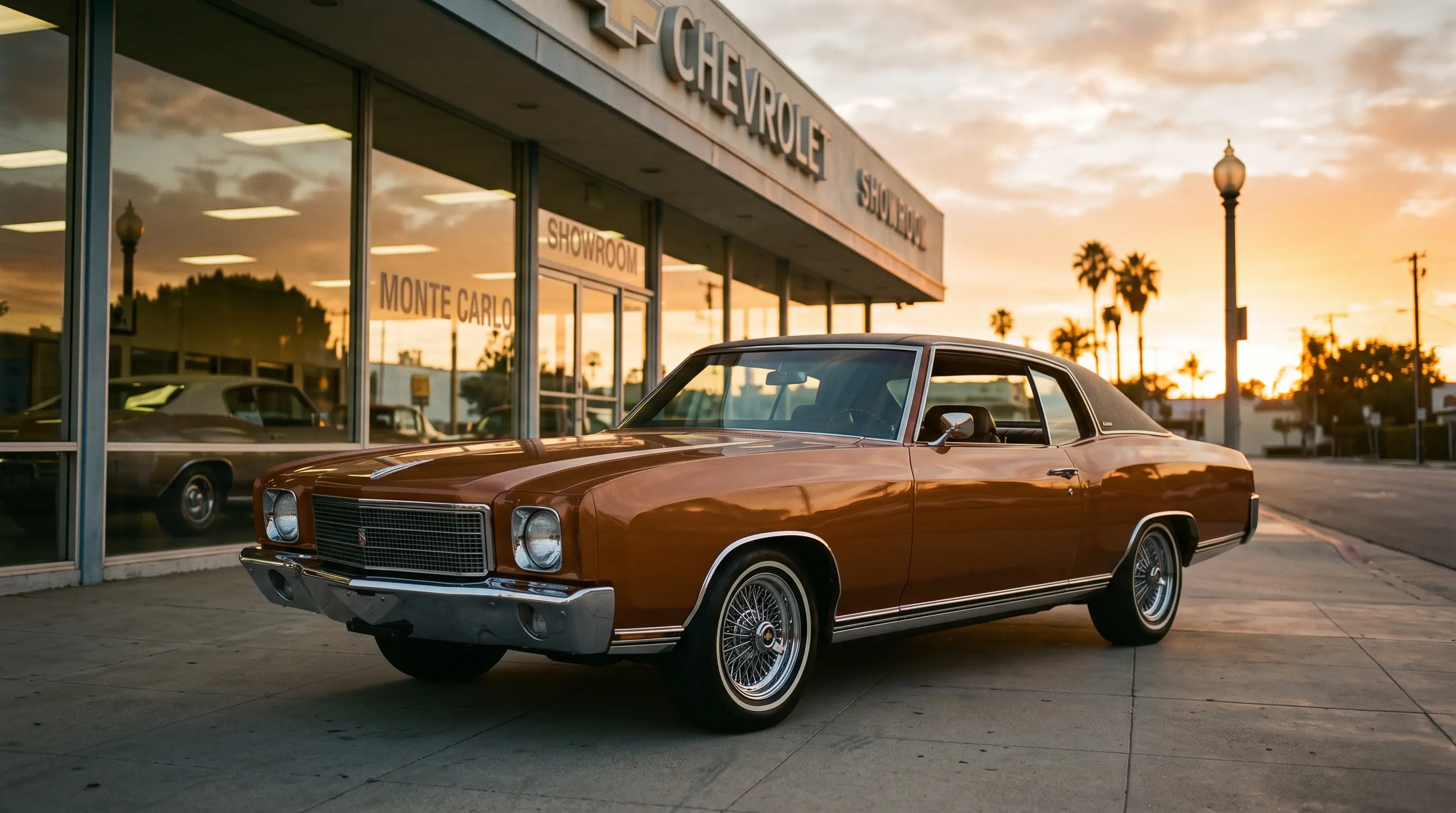
A brand-new nameplate entering an already-crowded segment against Ford, Pontiac, and Mercury does not usually walk away with the kind of numbers Chevrolet posted in its debut season. The monte carlo 1970 first year sales success is worth examining as an artifact in its own right, not just a footnote to the car's engineering story, because the sales figures reveal exactly how well Chevrolet had read its own customer base before a single unit reached a showroom floor.
The numbers, treated with appropriate care
Total Monte Carlo production for the 1970 model year is commonly cited near 145,975 units, a figure that, if accurate, placed the new nameplate ahead of several established personal luxury coupe competitors in their own comparable seasons. Any researcher working from period sources should treat exact production tallies with some caution, since Chevrolet's own reporting conventions and later compilation efforts by hobbyist historians have occasionally produced slightly different totals depending on how mid-year running changes and international production got counted. What is not in dispute is the broader pattern: this was a strong debut by any reasonable measure, strong enough that Chevrolet had no hesitation carrying the nameplate forward into a second generation rather than treating 1970 as an experiment.
Why a stretched Chevelle platform helped rather than hurt
Some critics in period questioned whether building the Monte Carlo on a modified Chevelle A-body chassis, rather than a dedicated platform, would undercut its credibility against rivals that invested in more bespoke architecture. The sales results answered that question decisively. Sharing mechanical components and much of the underlying structure with an already high-volume platform kept production costs manageable, kept parts supply chains simple for dealers, and let Chevrolet price the Monte Carlo aggressively against competitors that had spent considerably more to engineer a unique chassis. Buyers in 1970 clearly cared more about the finished product they could see and sit in than the platform-sharing arrangement underneath, a lesson that would shape personal luxury coupe development across the entire industry through the following decade.
Dealer network as an underrated sales advantage
Chevrolet's dealer footprint in 1970 was larger and more geographically dense than most of its personal luxury coupe rivals could match, and this mattered enormously for a car this dependent on showroom cross-shopping. A shopper who walked into virtually any Chevrolet dealership in the country encountered a Monte Carlo on the floor; a shopper interested in a Pontiac Grand Prix or a Mercury Marquis needed a dealer of that specific make within reasonable driving distance, which was not guaranteed in every market. That distribution advantage does not get discussed as often as styling or engine choices when historians analyze the Monte Carlo's debut, but it was a genuine structural edge that no amount of clever design work at a rival company could fully overcome.
What the sales success proved about the segment itself
Beyond validating Chevrolet's specific execution, the Monte Carlo's debut numbers proved something larger about the personal luxury coupe category as a whole: American buyers in 1970 had real, sustained appetite for a mid-size car dressed up with long-hood styling, upscale trim, and a comfortable ride, even when that car offered no meaningful practical advantage over a cheaper sedan or wagon from the same manufacturer. This was not a niche purchase confined to a small enthusiast audience. It was a mainstream buying decision made by a wide swath of middle-class American car buyers who wanted their daily driver to feel like something more special than pure transportation, and Chevrolet's willingness to build exactly that car, priced within reach of that audience, is the real explanation behind the sales figures rather than any single styling or engineering detail in isolation.
"A first-year sales record this strong is never an accident of styling alone. It reflects a manufacturer that read its own customer base correctly before a single car left the assembly line."
- Sarah Whitfield
Comparing the debut against segment rivals
Placing the Monte Carlo's first-year performance next to its closest personal luxury coupe rivals of the same season clarifies just how strong that debut actually was. Ford's Thunderbird, by 1970, was an established nameplate well into its own life cycle rather than a fresh entry facing debut-year uncertainty. Pontiac's redesigned Grand Prix, launched the same year on its own dedicated SJ platform, sold respectably but did not approach the Monte Carlo's volume, a gap researchers generally attribute to Chevrolet's larger dealer network and lower base pricing rather than any deficiency in the Grand Prix's engineering. Mercury's Marquis-based personal luxury offerings occupied a smaller, more specialized corner of the market entirely. Set against that field, a brand-new Chevrolet nameplate posting numbers competitive with or ahead of established and freshly redesigned rivals alike is a genuinely notable result worth treating as more than a rounding error in Chevrolet's broader 1970 sales totals.
| Personal luxury coupe | 1970 status | Platform |
|---|---|---|
| Chevrolet Monte Carlo | All-new nameplate | Stretched Chevelle A-body |
| Pontiac Grand Prix | Freshly redesigned | Dedicated SJ platform |
| Ford Thunderbird | Established nameplate | Ford's own personal luxury platform |
How this debut set up everything that followed
Chevrolet's confidence in the Monte Carlo nameplate, earned in that first season, shaped decisions across the entire run that followed, from the decision to carry the name through a full Colonnade-era redesign in 1973 to the eventual downsizing in 1978 and the G-body's long run into the late 1980s. None of that longer history happens the same way, or perhaps at all, without a debut season strong enough to justify continued investment. Readers wanting the complete story behind that first model year, including the design decisions and engine lineup that fed into these sales numbers, should read the full story for the broader context. Anyone researching the car as a collector today can start comparing that debut-year documentation against browse classic Monte Carlo listings to see how period production numbers translate into today's surviving population.
What survives today versus what was built
A strong production number in 1970 does not translate directly into a large surviving population five decades later, and researchers cataloging remaining cars consistently find the gap between original build totals and documented survivors larger than casual estimates suggest. Daily-driven personal luxury coupes from this era were rarely stored carefully, many spent their working lives as family transportation rather than garaged collector pieces, and rust, accident damage, and simple attrition claimed a significant share of the original production run long before the classic car market began treating these cars as worth preserving. That context matters when evaluating how rare a given surviving 1970 Monte Carlo actually is relative to its original build volume, since a car from a large production run can still represent genuine scarcity today if survivorship in good, documented condition turns out to be far lower than the original sales success would suggest.