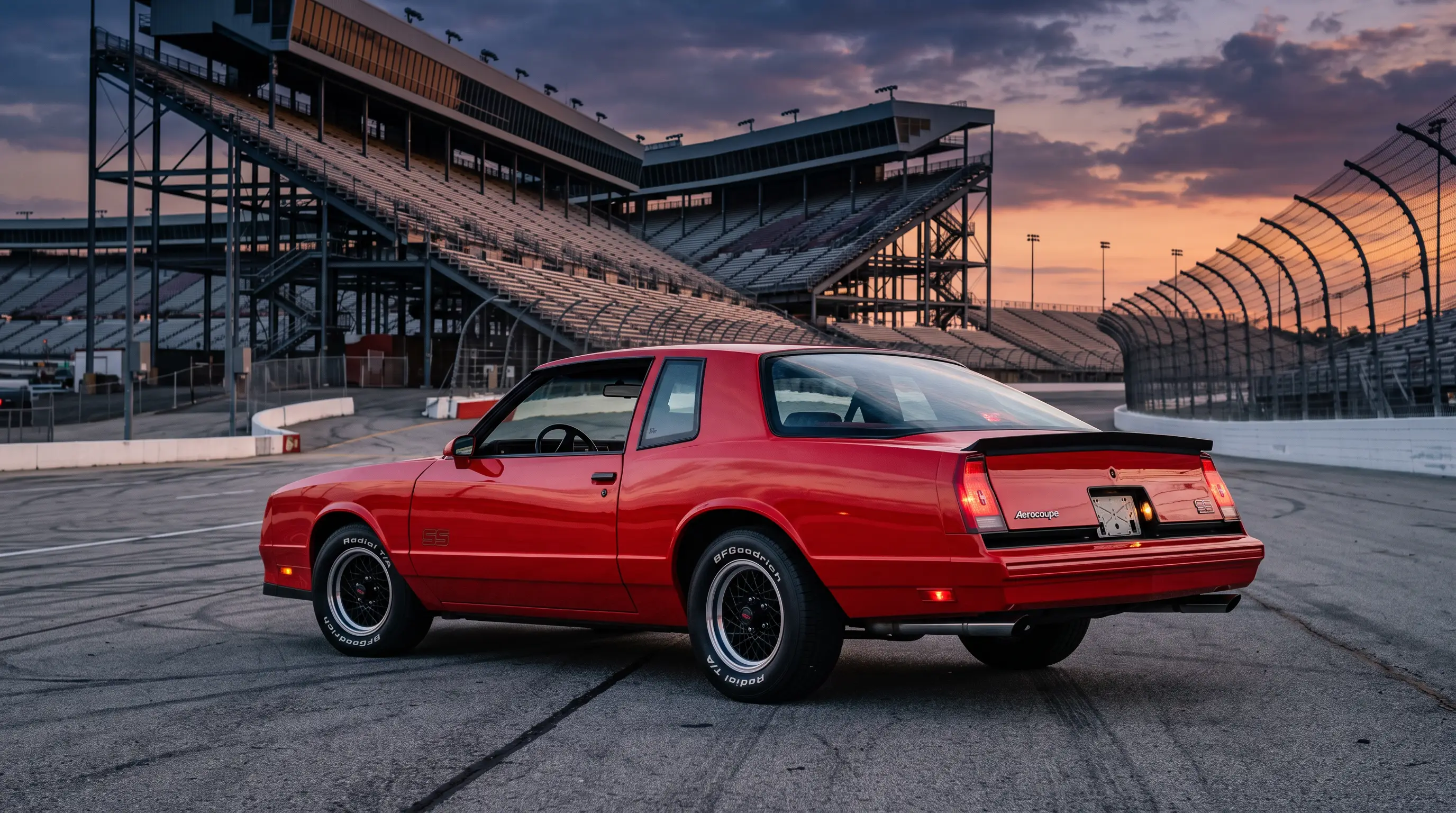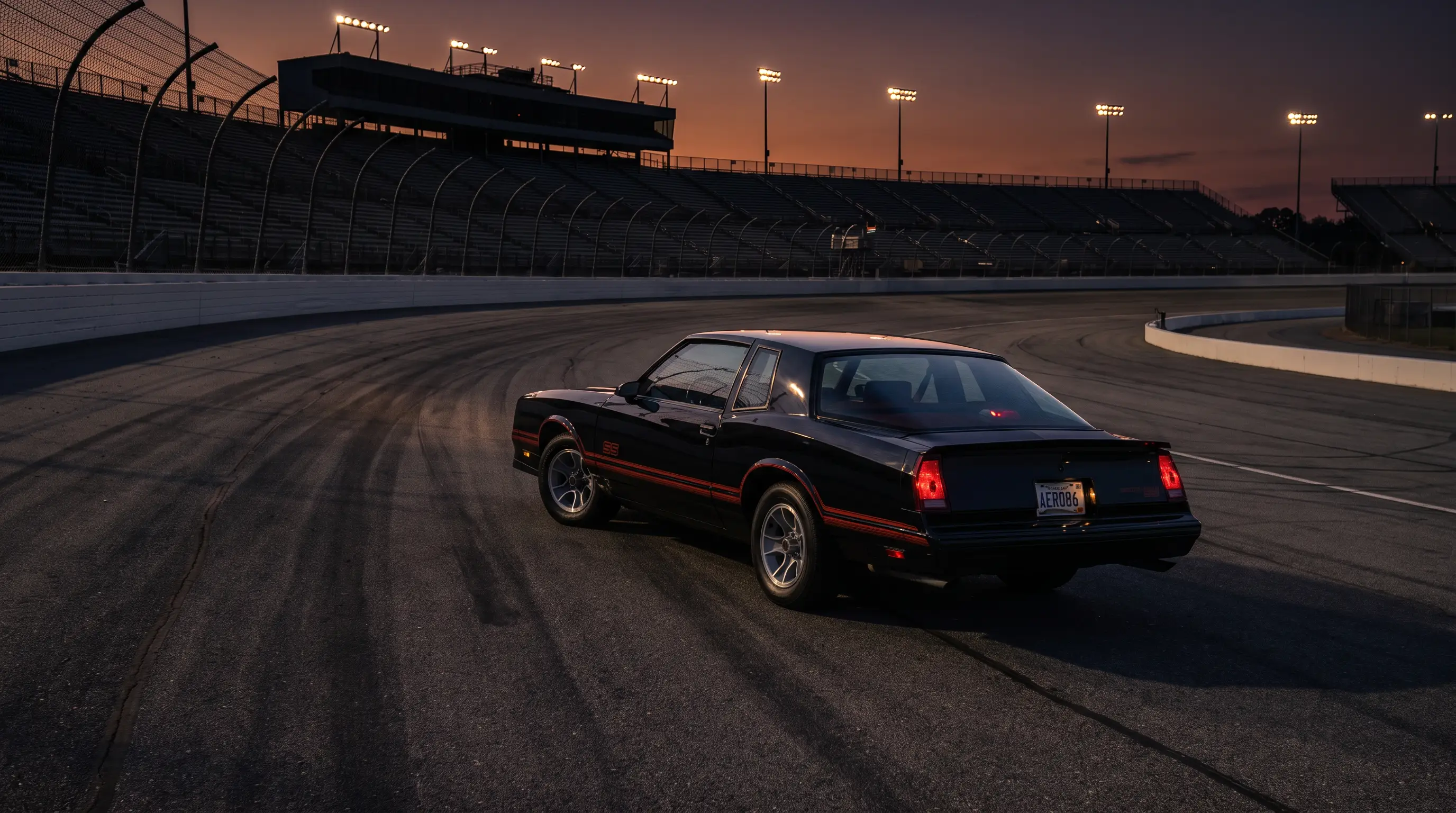
I have restored enough G-body cars to have an opinion, and the monte carlo 1986 ss styling ground effects package is one of those designs that either gets fully respected in a restoration or gets half faked by somebody trying to look period correct without doing the actual work. There is a real difference between the two, and it shows up the moment you get a car up on a lift or start comparing paint codes against factory documentation.
The monochrome idea and why it mattered
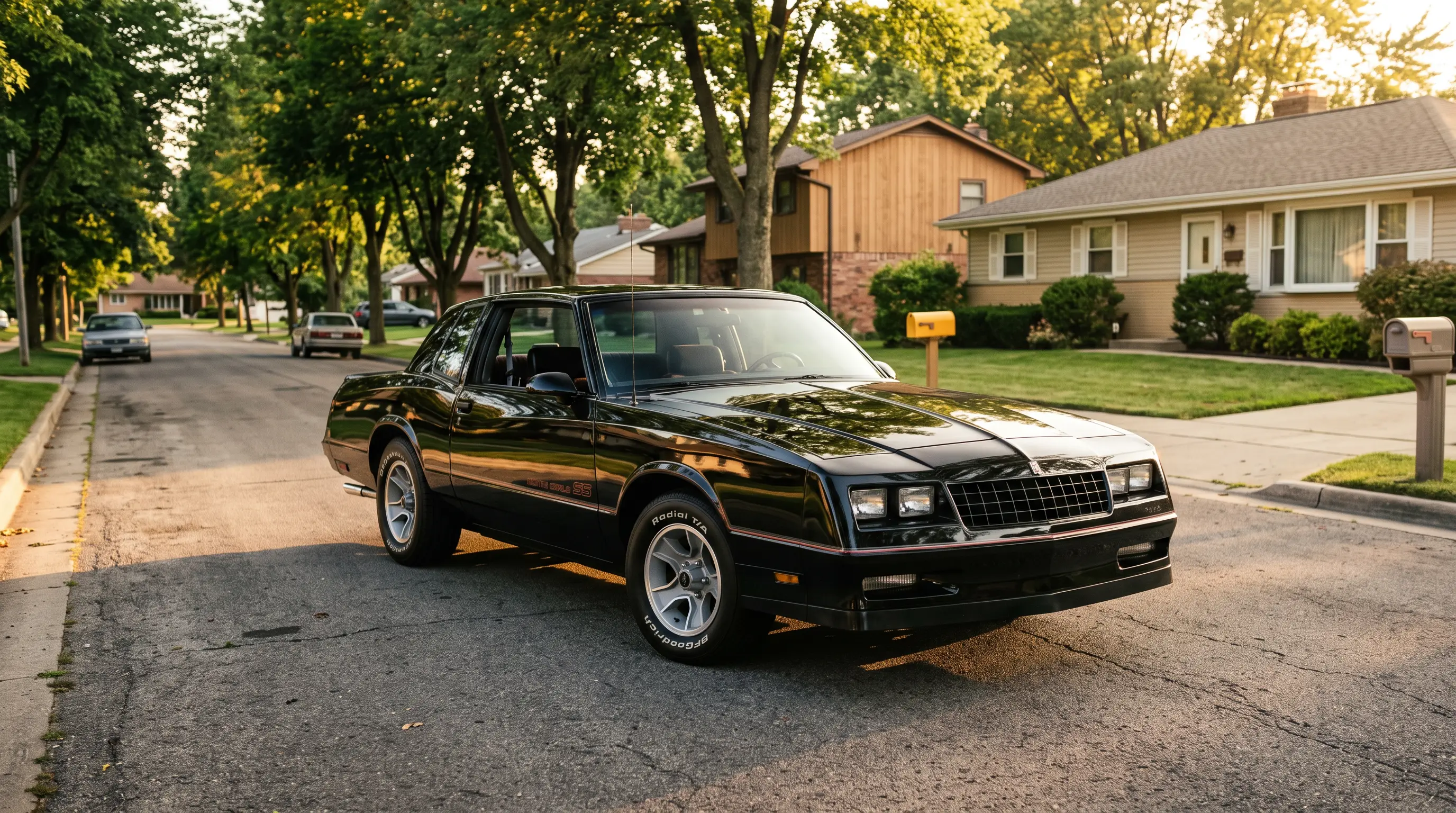
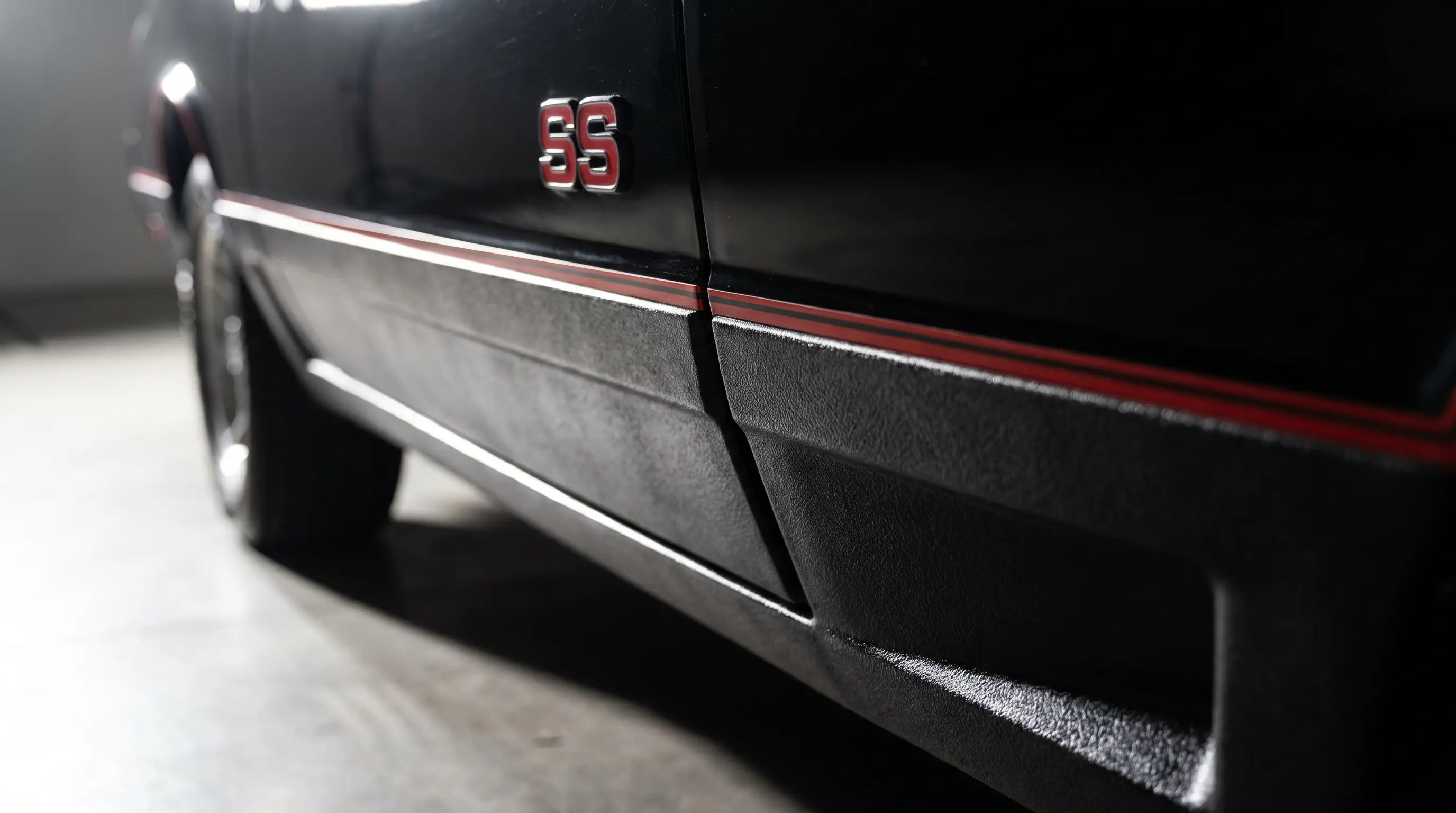
Before the SS package, a Monte Carlo was a two tone or bright trim kind of car, chrome bumpers, body colored panels broken up by contrasting accents in the usual 1970s and early 1980s GM fashion. The SS threw that formula out. Chevrolet's designers went monochrome, body color bumpers, blacked out trim, and lower body cladding that visually dropped the car closer to the pavement even though the actual ride height barely changed. That was the trick. Ground effects on this car were never about aerodynamic downforce in any meaningful sense at street speeds. They were about visually communicating aggression using paint and plastic rather than any real chassis engineering.
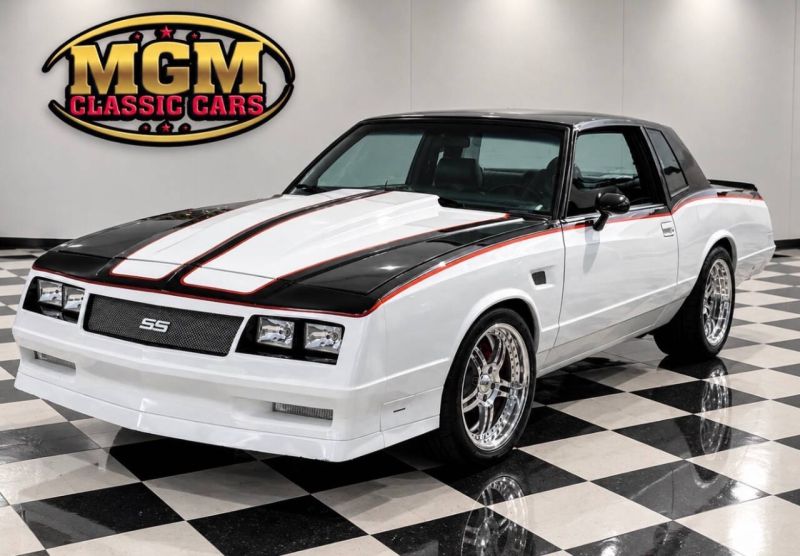
That distinction matters to anyone doing a real restoration versus anyone slapping a body kit on a base Monte Carlo and calling it an SS. The factory ground effects were integrated into the body design from the SS package's inception, not bolted on as an afterthought, and the panel gaps, mounting points, and paint transition lines reflect that. A poseur kit added later never quite gets those transitions right, and anyone who has spent time under one of these cars can usually tell within thirty seconds.
Getting the details right versus faking it
The lower body cladding on a genuine SS was color matched during production, not painted separately afterward, and the factory used specific mounting hardware that a lot of reproduction kits get wrong even today. Original SS ground effects panels also carry specific part numbers stamped or molded into the plastic that a builder can cross-reference against factory parts catalogs. That is the kind of detail that separates a documented restoration from a car dressed up to look the part at a cruise night but unable to survive real scrutiny at a judged show.
Paint is where most of the fakes fall apart fastest. The SS monochrome look depended on precise color matching between the body panels and the lower cladding, and factory paint codes for this era are documented well enough that a builder doing this correctly has no excuse for a visible mismatch. I have seen plenty of cars at shows with cladding painted a shade off from the body, usually because somebody used a rattle can match instead of pulling the actual factory code and having it mixed properly. It is a small detail, but it is the kind of small detail that separates a real restoration from a shortcut.
What a judge actually checks
At a serious concours or club judged event, the styling package gets checked piece by piece against documentation, not judged on overall visual impression the way a casual cruise night would evaluate it. Judges look at cladding attachment points, paint transition consistency, trim blackout completeness, and whether the badging matches what factory literature specifies for that exact model year. A car that looks right from ten feet away can lose serious points up close if the builder cut corners on any of those details, and I have watched that exact scenario play out at more than one event.
That level of scrutiny is why documentation matters as much as the actual bodywork. A builder working from factory service manuals and original parts catalogs produces a car that survives close inspection. A builder working from memory and photographs of other people's cars produces something that looks convincing until somebody who actually knows the details gets close enough to check.
"Anybody can bolt ground effects panels onto a base Monte Carlo and call it an SS from across a parking lot. The difference between that and the real thing shows up in the panel gaps, the paint match, and whether the mounting hardware actually matches what left the factory. That is not opinion. That is just what the documentation says."
- Jim Vasquez
What actually goes wrong on a bad restoration
The most common mistake I see is not malicious, it is just impatience. Somebody buys a base Monte Carlo, sources reproduction ground effects panels off the aftermarket, and bolts them on without ever pulling the original SS assembly documentation to check mounting geometry. The panels usually fit close enough to pass a quick glance, but the fastener spacing is often subtly different from what the factory used, and the gap between the rocker cladding and the door skin ends up inconsistent from front to back. It is a small thing until you are standing next to a documented original at a show and the difference becomes obvious.
Front air dam integration is another spot where shortcuts show up fast. The factory piece was designed to work with the specific front fascia geometry of the SS nose, not the standard Monte Carlo front clip, and trying to graft SS ground effects onto a car that never had the SS front end to begin with creates fitment problems that no amount of trim adjustment fully resolves. I have seen builders spend more money fighting that mismatch than it would have cost to source the correct front clip in the first place. Doing this right means starting with the correct base components, not trying to make the wrong ones work through persistence alone.
None of this is complicated engineering. It is patience, and a willingness to check documentation instead of trusting a reproduction parts catalog that promises a universal fit. The cars that hold their value and win at judged events are the ones where somebody did that unglamorous checking work before the paint ever went on.
Why the styling still holds up
Design trends from the 1980s have not aged evenly. Plenty of them look dated now in a way that is more embarrassing than charming. The SS monochrome treatment is one of the exceptions, and I think that is because it was restrained by the standards of its own decade. It did not lean on garish two tone paint or excessive badging the way some contemporaries did. It relied on a single coherent idea, remove the visual clutter and let the shape read as one continuous form, and that kind of restraint tends to age better than anything trying too hard to look aggressive.
Our 1986 Monte Carlo SS retrospective covers the broader model year if you want the full context behind this styling package, and a related story covers what Chevrolet did on the inside to match the exterior's attitude. If you are shopping for a car with the styling still intact and documented, Monte Carlos for sale now is worth a look.