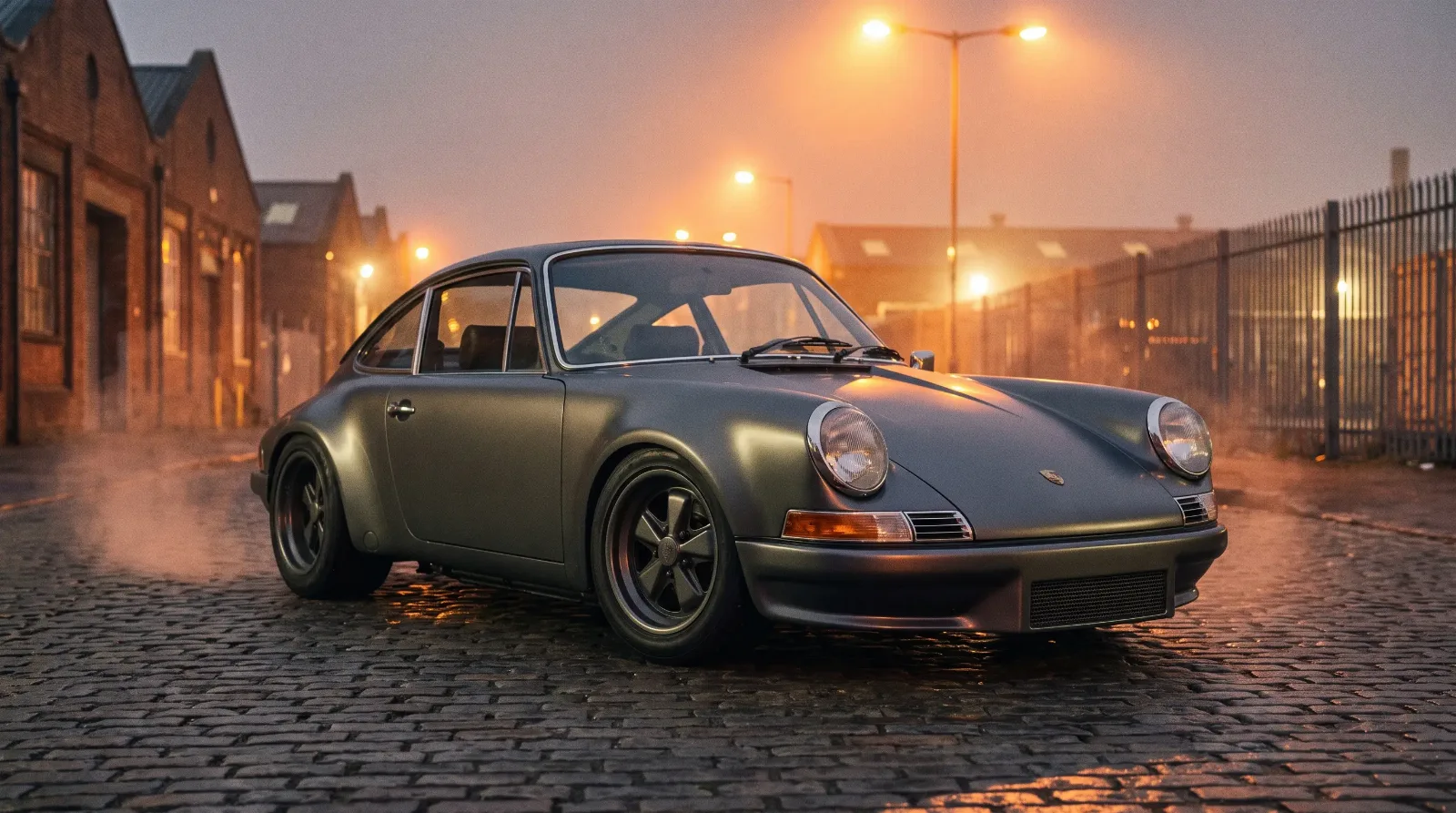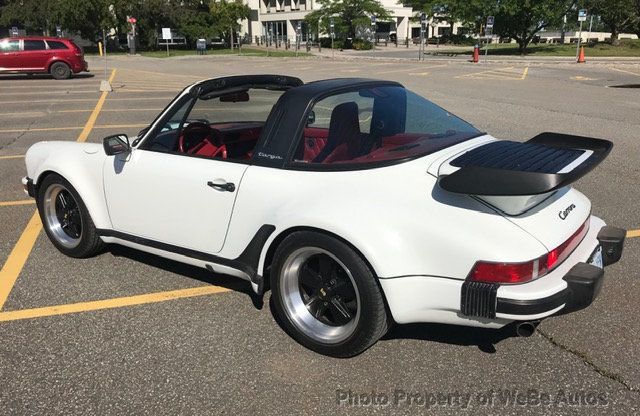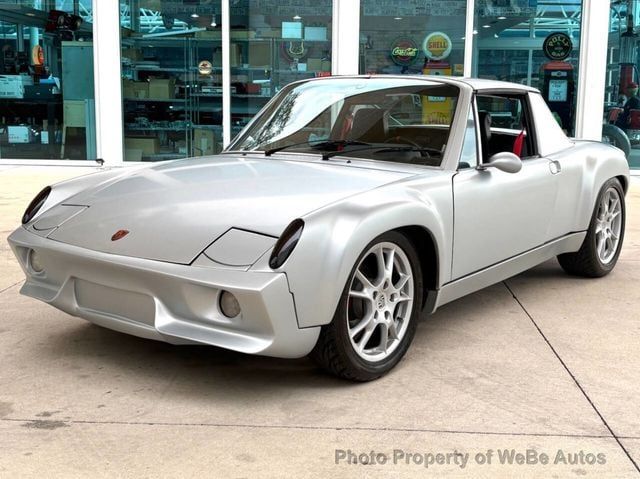
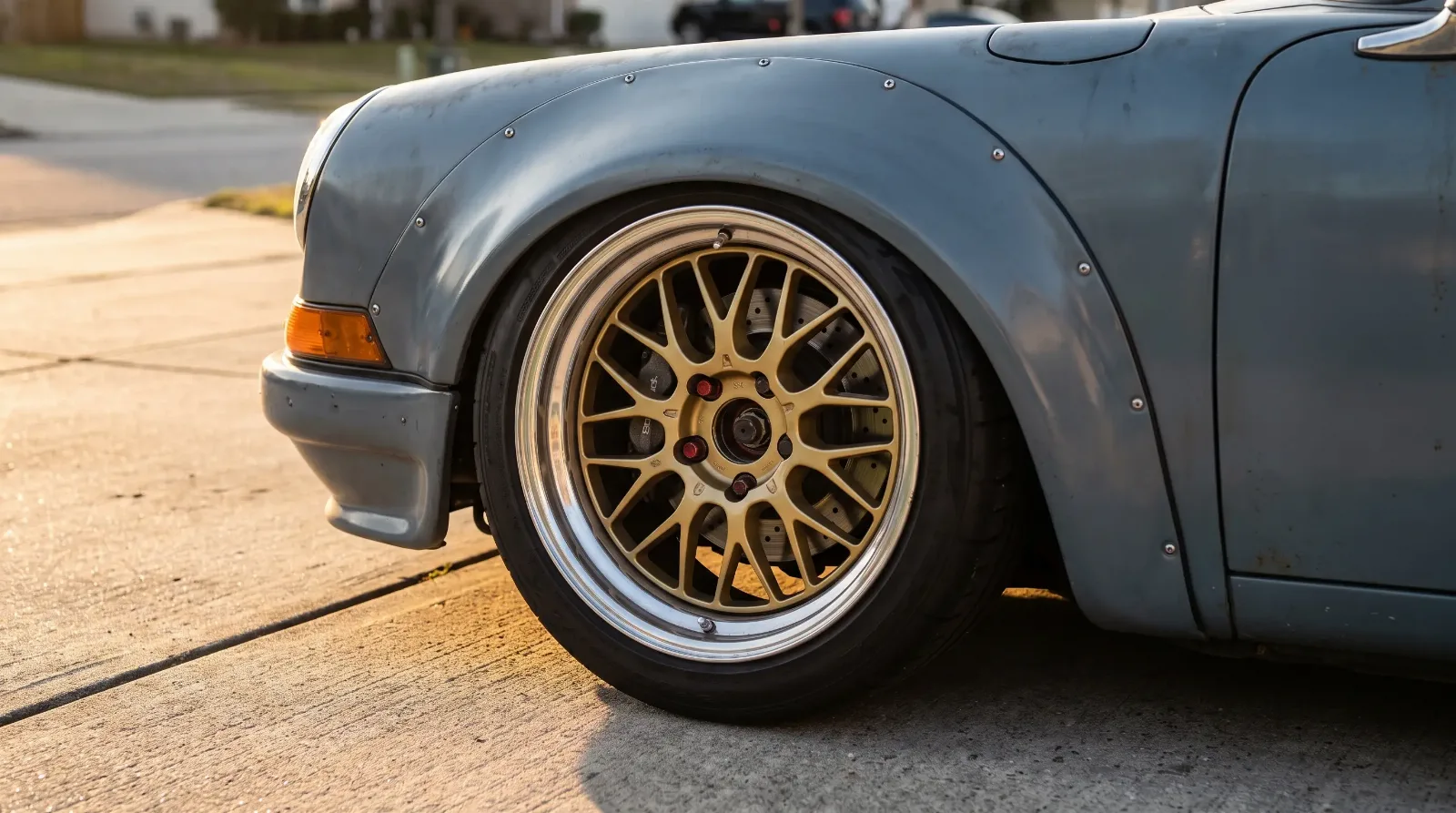
Stand behind a proper outlaw Porsche and the first thing you notice isn't the flared fenders or the ducktail. It's how the car sits. The nose is down a hair, the rear haunches look loaded even at a standstill, and the wheels fill the arches like they were poured into place. That stance is not an accident and it is not cosmetic. Outlaw porsche suspension work is the part of the build that separates a car that looks right from a car that just looks lowered.
I've built plenty of cars where the temptation was to slam it and call it done. A 356 or an early 911 on the wrong setup looks worse lowered than it does stock, because the geometry goes bad before the eye even knows why. The wheel tucks under at the top, the tire contact patch goes to the outside edge, and the car looks like it's tripping over its own feet in every photo. Getting the stance right takes real suspension knowledge, not just a lowering kit and a torque wrench.
Torsion bars, coilovers, and what actually changes the look
Stock 356 and early 911 Porsches ride on torsion bar suspension front and rear, a setup that's simple, durable, and stubborn about ride height. You can drop a torsion bar car by re-indexing the bars a few splines, but there's a ceiling on how far that goes before camber and bump steer turn ugly. Most serious outlaw builds swap to adjustable spring plates or convert to coilovers, particularly out back, so ride height and corner balance can be dialed in independently instead of fighting the factory geometry.
The front end is where the real decisions get made. A lot of outlaw cars run shortened or dropped struts with adjustable perches, paired with negative camber built into the strut top or a modified spindle. That negative camber is doing two jobs at once. It keeps the tire flat on the road under hard cornering, and it's also most of why the front wheels rake inward at the top in the photos everyone likes. It is a functional choice that happens to look aggressive, which is the whole outlaw philosophy in miniature.
Sway bars and the rest of the picture
Bigger front and rear sway bars are nearly universal on these builds, because a lowered, flared 356 or 911 with soft factory roll stiffness will lean hard and scrub the inside front tire in a corner. Upgraded bars, paired with stiffer bushings, keep the car flat and let the wider tires actually do their job instead of just filling the fender opening for show.
Wheel fitment and the geometry underneath it
Wide wheels are the visual signature of the outlaw look, but fitment is a suspension problem before it's a wheel problem. Pushing a 9 or 10 inch wide wheel under a fender that was designed for a 5.5 inch steel means the suspension pickup points, the offset, and the camber curve all have to agree with each other, or the tire rubs the fender lip on the first hard compression. Builders who skip this step end up trimming fenders after the fact to cover a suspension setup that was never sorted in the first place.
| Component | Stock setup | Common outlaw modification |
|---|---|---|
| Front suspension | Torsion bar, fixed camber | Adjustable strut perches, added negative camber |
| Rear suspension | Torsion bar, trailing arm | Coilover conversion or adjustable spring plates |
| Sway bars | Thin or absent front bar | Larger diameter front and rear, stiffer bushings |
| Ride height | Factory height, tall sidewall | Lowered 1 to 2 inches, corner-balanced |
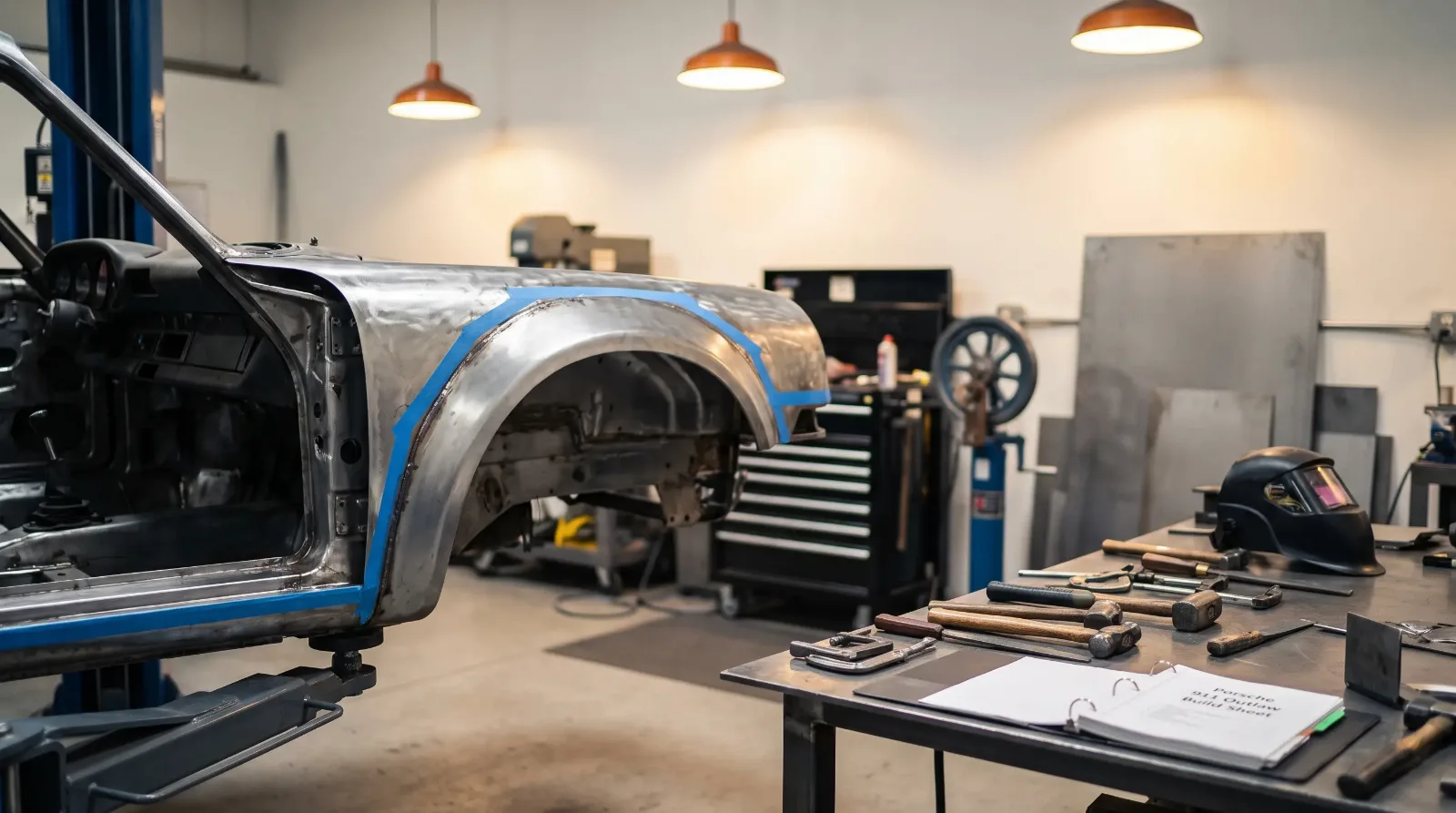
None of that happens without a plan for the fender flares, and that's really where the outlaw and restomod scene earned its reputation for craftsmanship over shortcuts. The flare has to follow the tire, not the other way around, and that only works if the suspension geometry is locked in first.
Why the stance matters more than the horsepower
A lot of newcomers to this scene assume the stance is just aesthetic flourish on top of the engine work, and that gets it backward. The suspension setup is what makes the extra power usable. A hopped-up flat six with 250 horsepower and stock geometry will just spin the inside rear tire and understeer into the guardrail. Get the stance right first, corner balance the car, dial in the camber, and the same power becomes something you can actually drive hard on a back road.
"The lead work on a proper chop isn't decorative, it's structural, and stance work on these Porsches is the same idea. Every degree of camber and every half inch of ride height is a decision that changes how the car behaves, not just how it photographs. Guys who chase the look without doing the geometry end up with a car that's all show and no follow-through."
— Jim Vasquez
Getting it right without ruining the car
The mistake I see most often is builders going too far too fast. Slamming a car to the ground before the corner balance is sorted just means you've built something that scrapes driveways and rides like a go-kart with no compliance left. The best outlaw builds I've seen took months of small adjustments, a few degrees of camber at a time, ride height checked with the driver's actual weight in the seat, tire clearance tested through full suspension travel before a single flare gets cut.
Done right, the stance is the part of an outlaw build that tells you everything about the builder before you even hear the engine start. It's patient work, mostly invisible once the flares go on, and it's the reason some of these cars look like they're moving at 60 miles an hour parked in a driveway. If you want to see where this whole approach came from and where it's headed, there's more from this chapter worth reading, because the suspension debate and the engine modernization debate are really the same argument from two different angles.