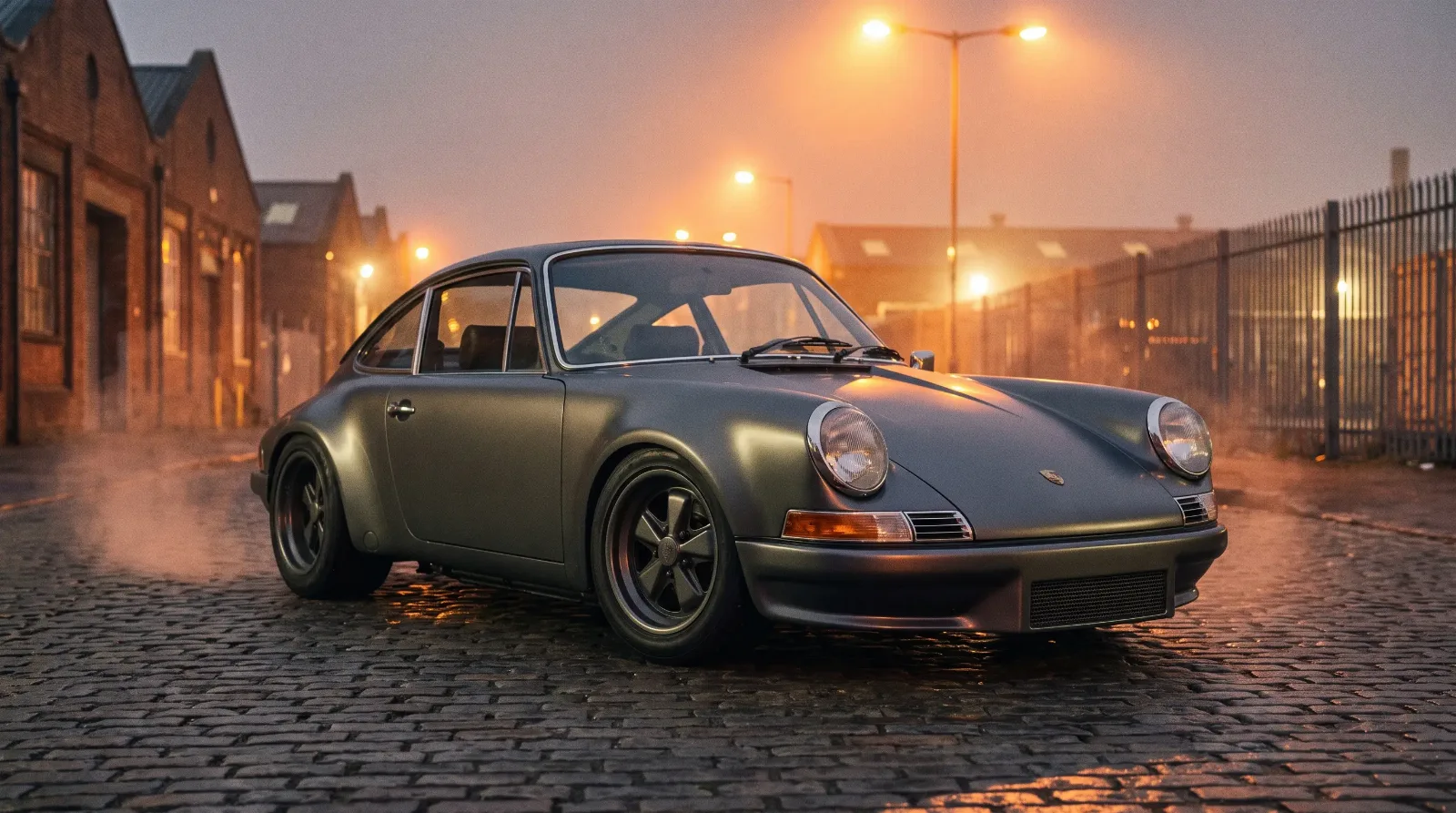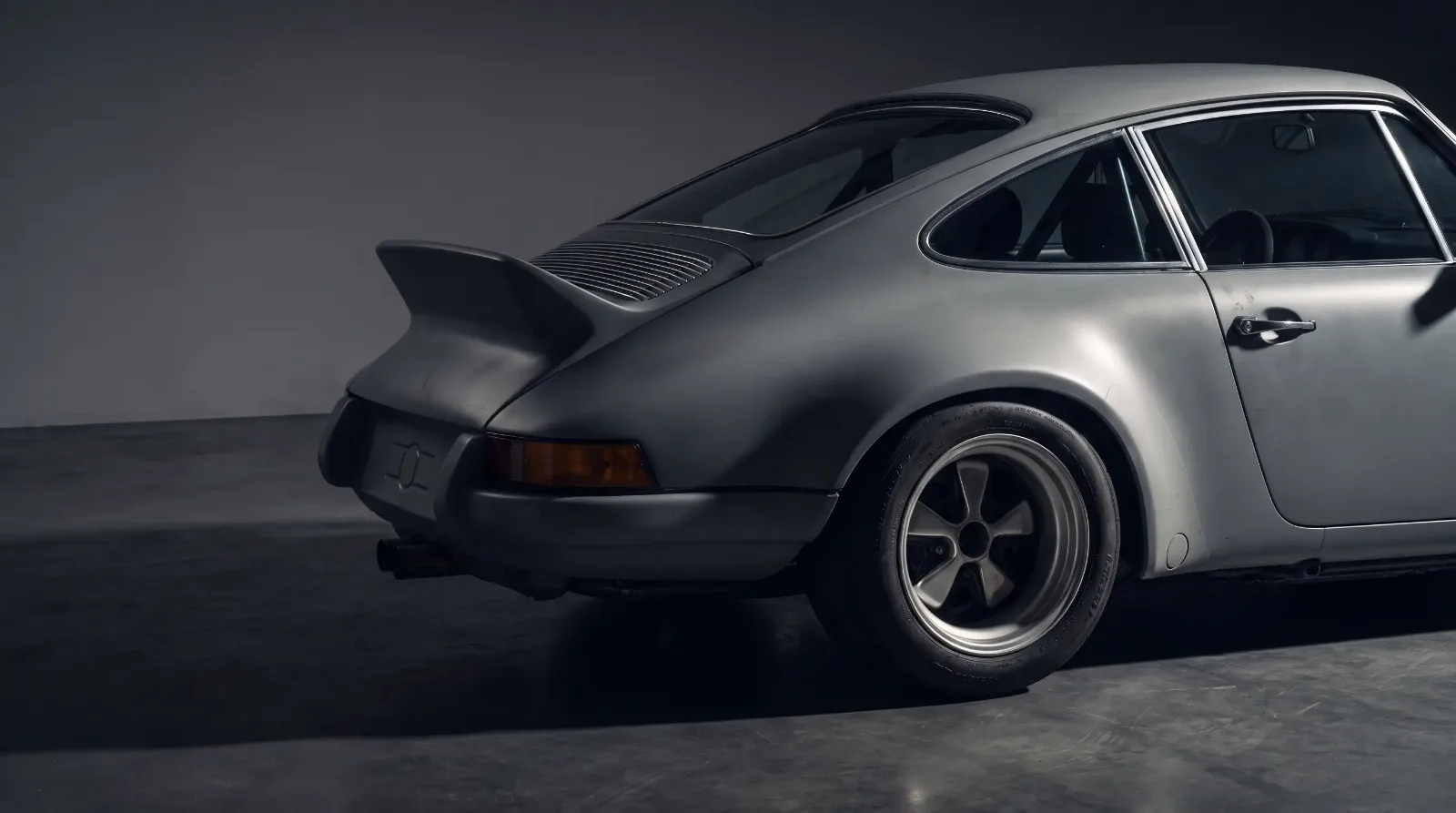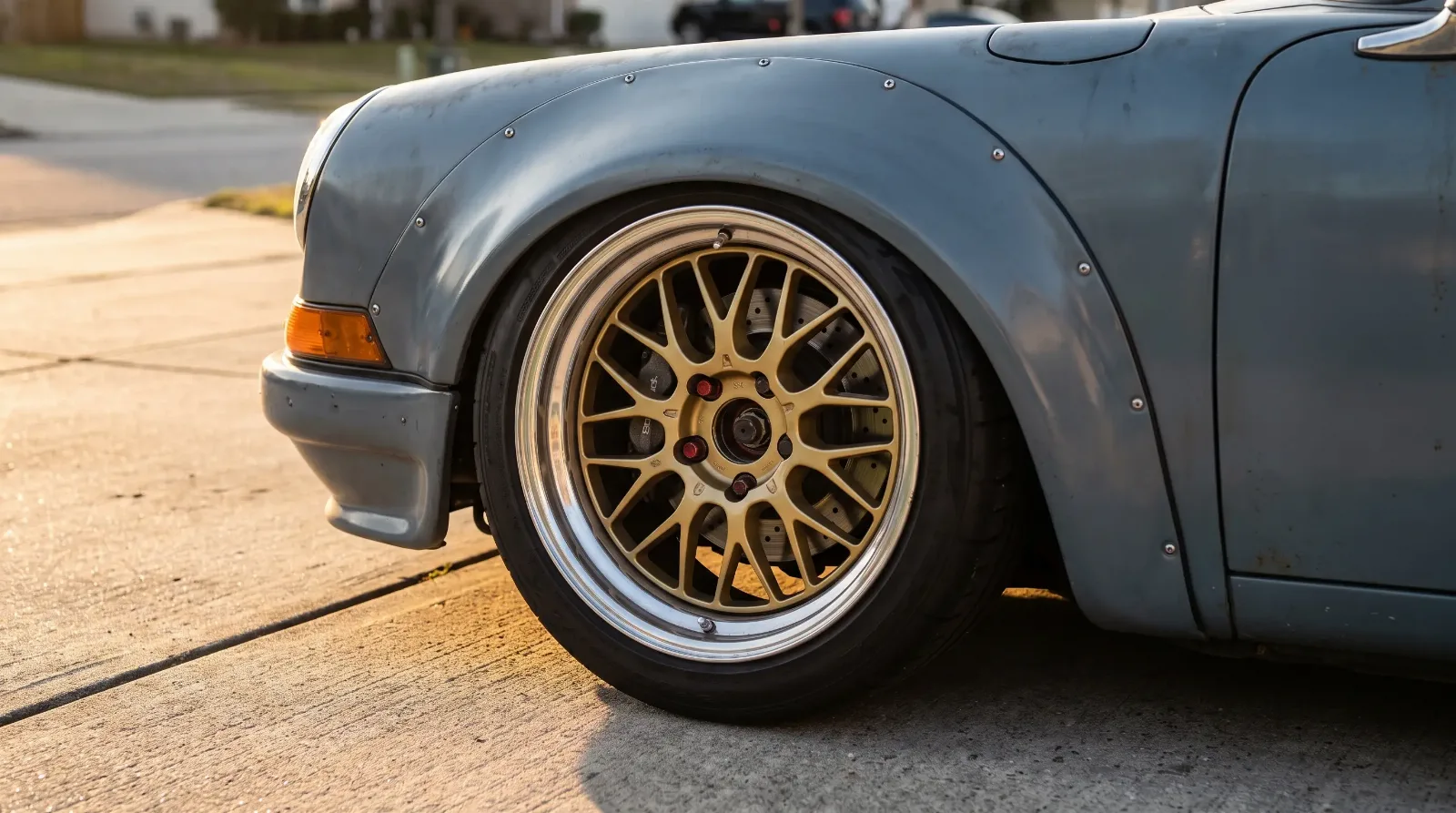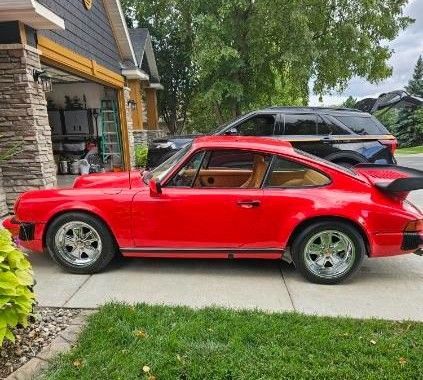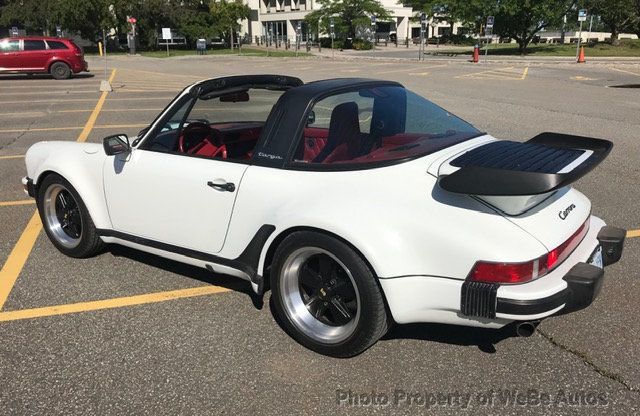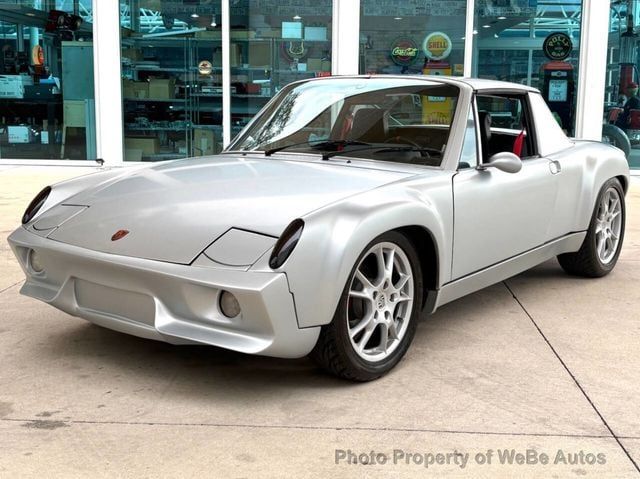
Twenty years ago if you wanted a proper outlaw 911, you found a guy with a shop, handed him a rusty donor car, and waited two years hoping he didn't lose interest halfway through. Now there are shops with waiting lists longer than a new car dealership's, six-figure deposits, and a level of fabrication precision that would have embarrassed most of us back then. These aren't garages anymore. They're small coachbuilders, and they've turned building a custom air cooled Porsche into something closer to commissioning a piece of furniture than restoring a car.
How a handful of shops became the new coachbuilders
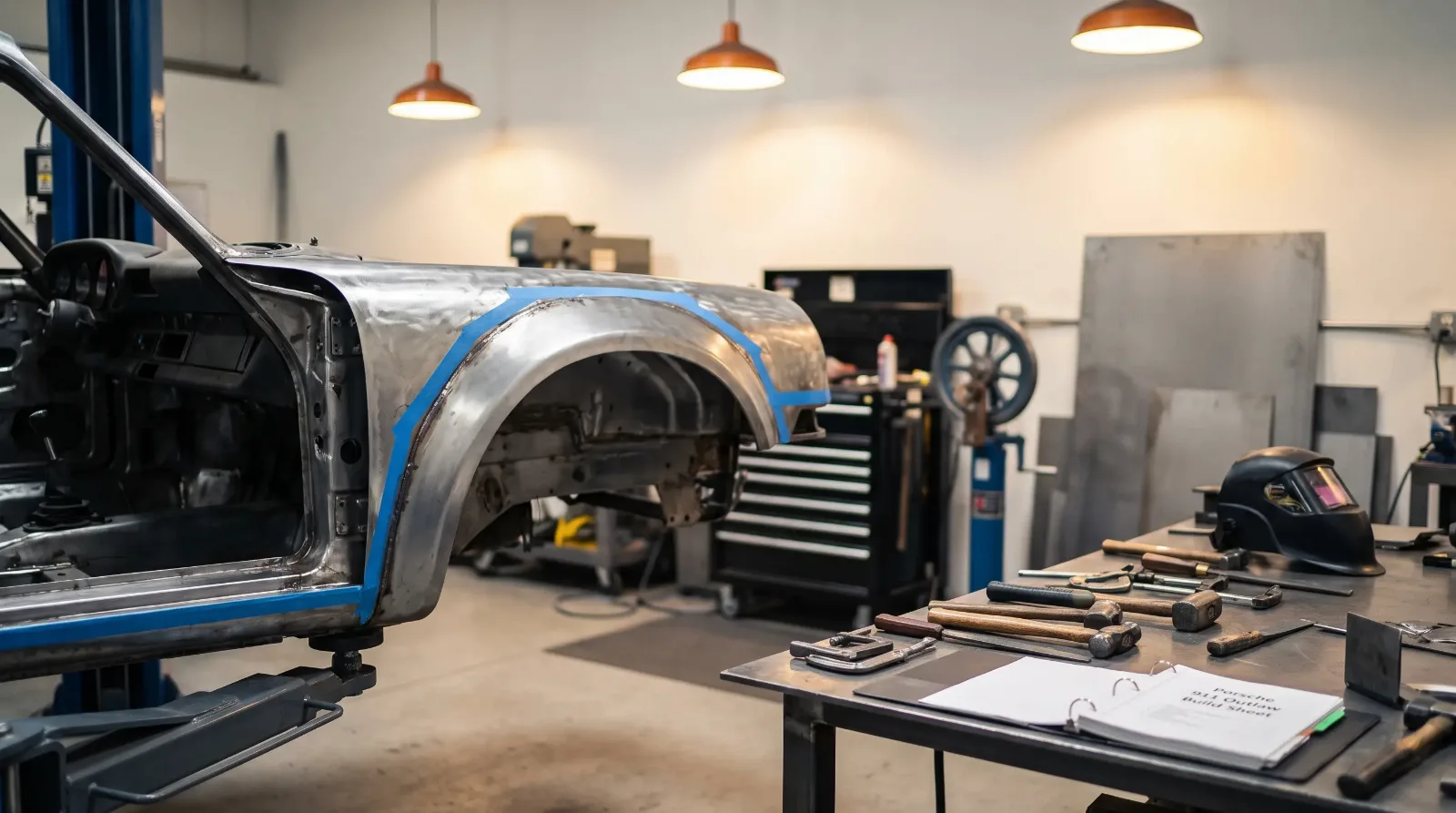
The shift started when a few builders stopped treating each commission as a one-off favor and started treating it as a repeatable process, the same way the old European coachbuilders once built bodies to order for wealthy clients decades before Porsche ever mass-produced anything. A client hands over a donor 911 or 964, signs off on a build sheet with hundreds of individual decisions, and eighteen months to two years later gets back a car that shares almost nothing with what they dropped off except the VIN and the silhouette. Every panel gets reworked. Every wiring run gets redone. The chassis gets stiffened in places the factory never touched.
What separates this from the DIY scene most of us came up in isn't just money, it's documentation. These shops photograph every stage, keep build sheets that track every part number, and hand the customer a binder that reads like an aircraft maintenance log. That level of paperwork didn't exist in this hobby a generation ago. It exists now because the cars themselves have become six and seven figure commissions, and buyers at that level expect the same rigor they'd get from any other bespoke purchase.
What a turnkey commission actually buys you
People assume the appeal is just skipping the headache of managing a build yourself, and that's part of it, but the real value is consistency. A top shop can replicate a specific stance, a specific interior fit, a specific exhaust note across a dozen different cars because they've engineered a process instead of improvising each time. That's the coachbuilder model in a nutshell. You're not paying for a one-off miracle, you're paying for a shop that has already solved the hard problems and can execute the solution reliably.
| What you get | Why it costs what it costs |
|---|---|
| Fully documented build sheet | Hundreds of individually specified parts and decisions tracked start to finish |
| Hand-formed bodywork | Steel widened and reshaped by hand, not fiberglass bolt-ons |
| Engineered chassis upgrades | Reinforcement and suspension geometry calculated, not guessed |
| Warranty and support | A shop staying in business to service what it built, unlike a one-off garage project |
I still build cars the old way myself, one client, one project, no waiting list of a hundred names ahead of them, and I respect what the bigger shops have accomplished even where I don't build the same way. Getting fabrication that consistent at that volume is genuinely hard, and anyone who dismisses it as just money buying quality hasn't looked closely at what these shops are actually doing in-house.
The tension between scale and soul
The honest criticism of the turnkey model is that something gets lost when a build becomes repeatable. Part of what made the earliest outlaw builds special was that nobody had done it that way before, and the car reflected one builder's specific eye rather than a refined house style applied to client after client. How rebels reinvented the Porsche is a story about individuals making choices nobody had authorized, and that spirit is harder to preserve once a shop is managing a dozen commissions at once with a standardized process behind them.
The good shops know this and fight against it deliberately, building in real customization at the start of every commission rather than offering a menu of pre-set options. The bad ones just repaint the same car in a different color and call it bespoke. Knowing which is which before you sign a deposit check matters more than almost anything else in this whole process.
What to ask before you commission a build
Anyone considering a six-figure commission should ask harder questions than most buyers do. How many builds has this shop actually completed versus how many are in progress right now. What happens if the shop closes before your car is finished, and is there any protection built into the contract for that. Can they show you a car from three years ago and explain how it's held up, not just a fresh build straight off the lift. A shop with real answers to all three of those questions has earned the waiting list. One that gets vague deserves more scrutiny before any money changes hands.
"The best of these shops didn't get good by being fast. They got good by building the same hard problem over and over until they stopped making mistakes on it. That's a coachbuilder, not a garage with better marketing."
— Jim Vasquez
For a look at how this same coachbuilder approach shows up specifically in ride height and stance decisions rather than the build process as a whole, another angle on the same car covers that piece of the puzzle. And if you want to understand why these air-cooled shells became valuable enough to justify this level of investment in the first place, Porsche's full origin story is where that value was actually built, decades before any of these shops existed.
Sources and notes
- Robb Report: The New Porsche 911 Carrera Coupe Reimagined by Singer
- Hagerty Media: Singer Reimagines a Porsche 911 Carrera Coupe
- Emory Motorsports: Our Services
- Petrolicious: Rod Emory on Inventing Outlaw Porsche Culture
- RennDriver: Singer Porsche, The Reimagined 964 911 Guide
- Popular Science: Inside Singer Vehicle Design