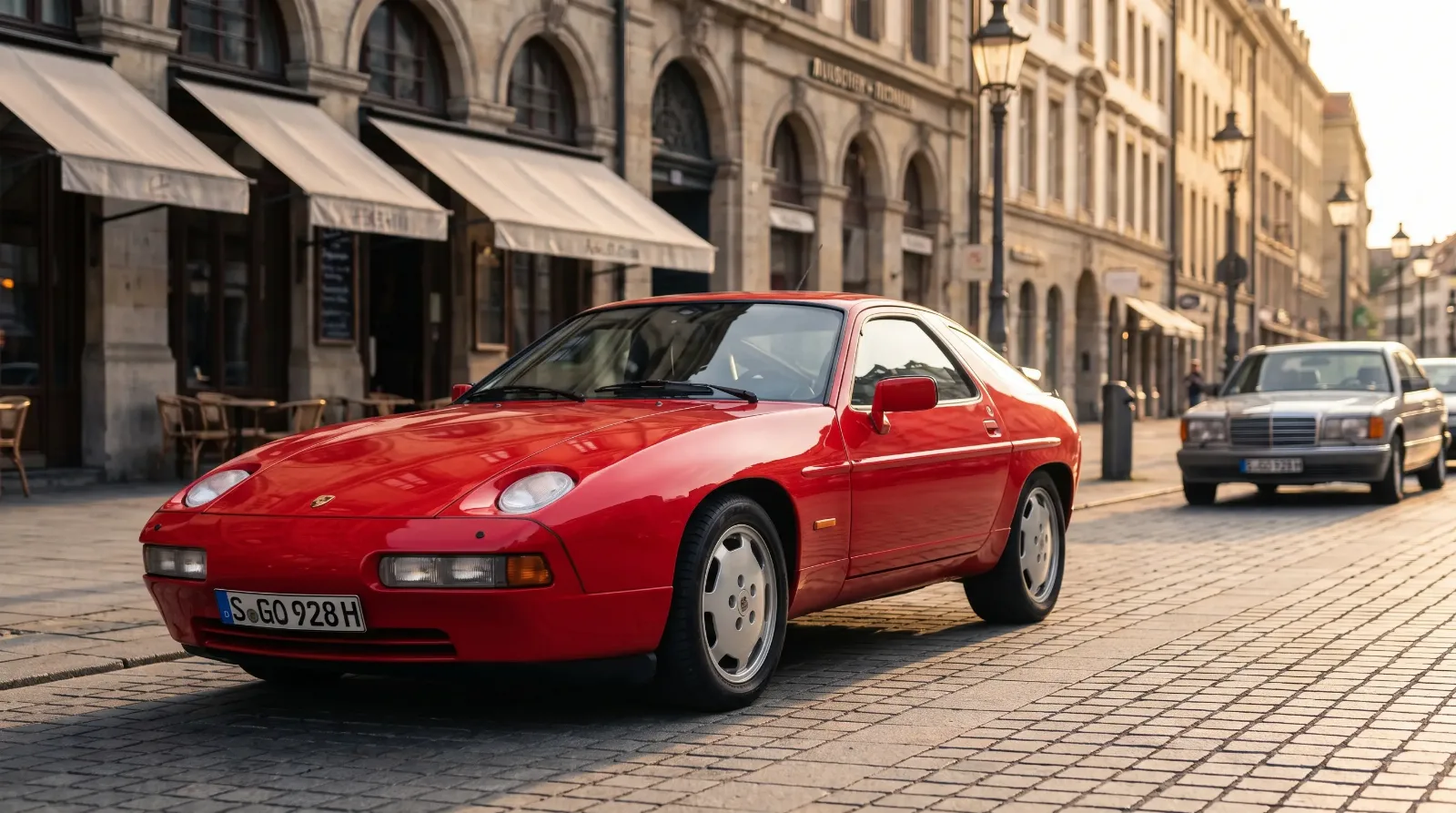
The Porsche 928 spent seventeen years on the factory floor, and it barely resembled itself by the end. The question owners and buyers still argue over today, porsche 928 s vs s4, is really a question about which decade of the car you want. The S came out of the early 1980s push to give the 928 real teeth after the softer 1977 launch car. The S4 arrived in 1987 as a near-total rework, wearing the same silhouette over a different engine, different electronics, and a different set of ambitions. Understanding the gap between them explains most of what the used market does with 928 prices today.
This is a companion piece to the V8 grand tourer overview, and it works best read alongside another angle on the same car, since the GTS is where this evolution eventually ends up.
The 928 S: closing the performance gap
Porsche introduced the 928 S in Europe for the 1980 model year, and it did not reach American showrooms until 1983. That three-year lag matters, because it means the "S" badge meant different things depending on where the car was sold. European S models got a 4.7-liter V8 making around 300 PS (296 hp) when the model launched in 1980, later rising to 310 PS (306 hp), while the US-market 928 S, which did not arrive until the 1983 model year, ran the same 4.7-liter engine restricted by emissions equipment to roughly 234 hp. Buyers cross-shopping a European car against a US car from the same model year were often comparing two different states of tune wearing identical badges.
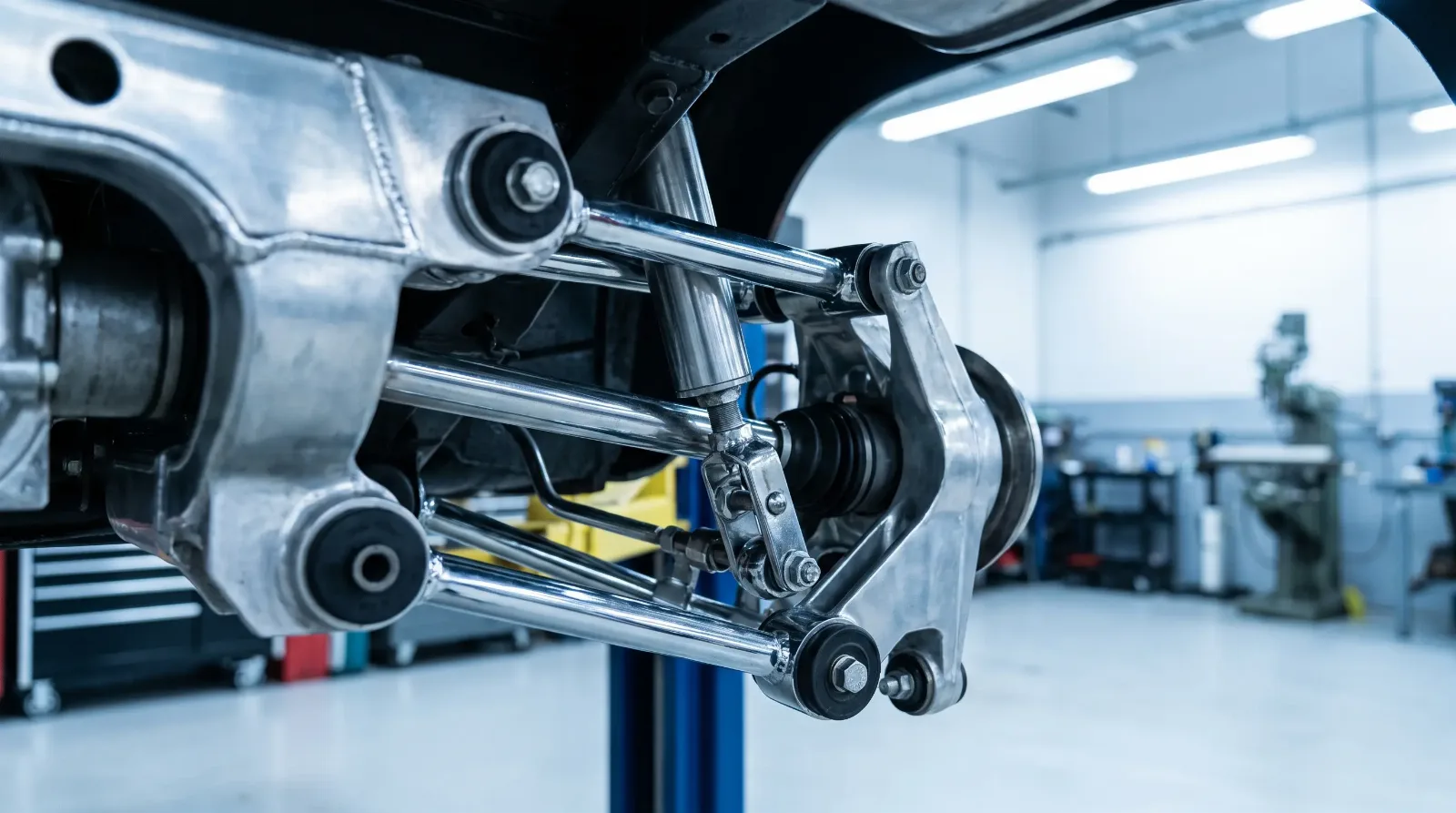
The chassis underneath both cars stayed close to the original 1977 design: a front-mounted V8, a rear-mounted transaxle, and a torsion bar suspension setup that Porsche kept refining rather than replacing. The S cars got firmer springs, wider wheels, and in most markets a small rear spoiler, but none of it changed the car's basic character. It was still a heavy, comfortable, quick grand tourer, just quicker than the car it replaced.
1985 and the quiet mid-cycle update
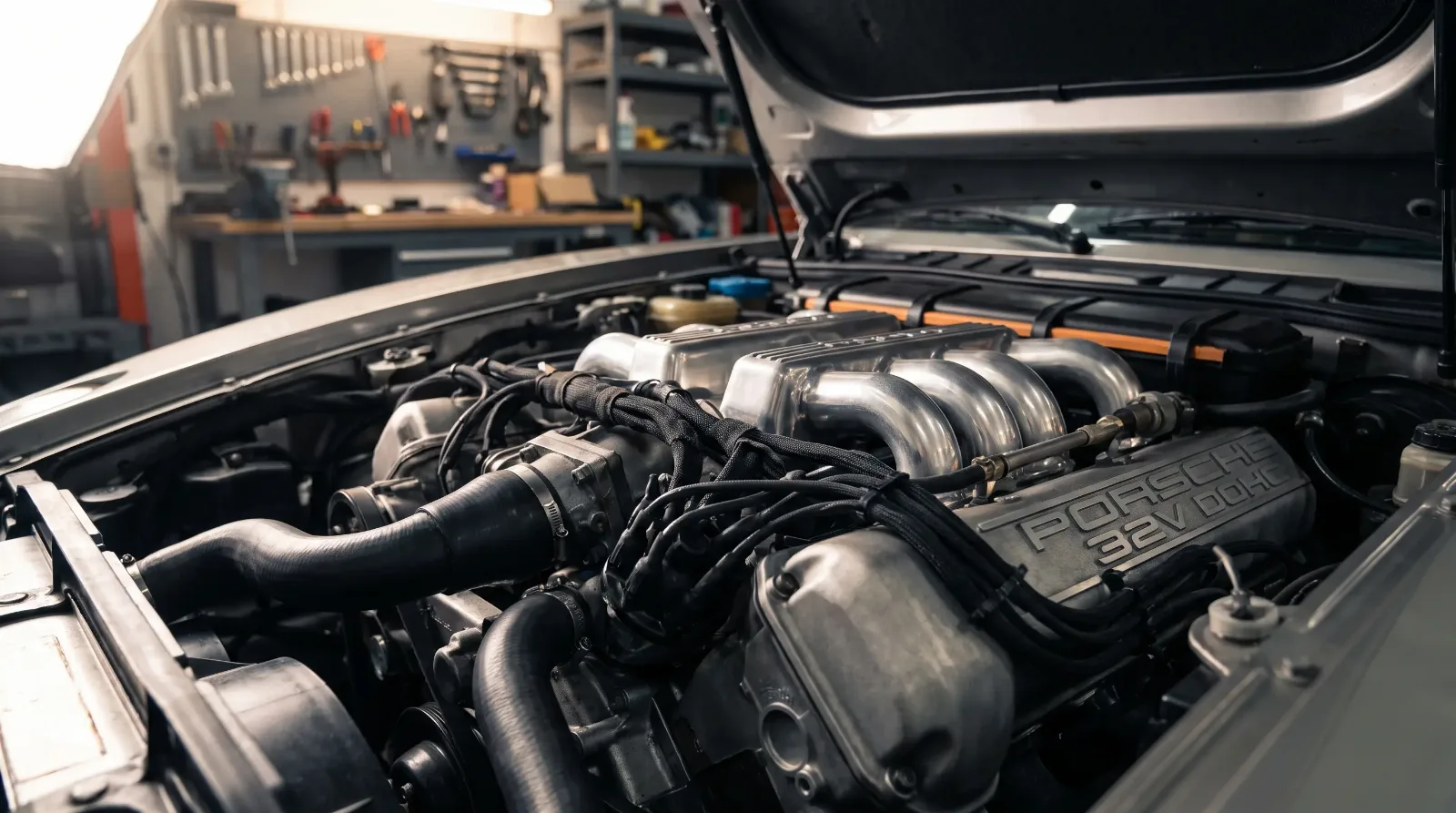
Before the S4 arrived, Porsche pushed a mid-cycle update in 1985 that is easy to overlook. Displacement grew to 5.0 liters and the cylinder heads switched to four valves per cylinder on double overhead cams, and the US-market cars picked up a meaningful power bump, landing at 288 hp. Some model literature calls this car the "928 S" still, others tag it unofficially as an "S3" to separate it from the earlier 16-valve cars, and that inconsistency is part of why the S-versus-S4 conversation gets muddled. The 1985 to 1986 cars are transitional in one specific sense: the new 32-valve top end was in place, but the engine management was not yet the S4's fully digital system.
What did not change yet was the electronic control strategy. Porsche was still running a version of Bosch's earlier fuel injection and ignition management through this period, tuned for reliability and emissions compliance rather than outright output. The new cylinder heads were proving durable enough that Porsche kept building on them for the S4 rather than starting over.
The S4: a new head, a new face
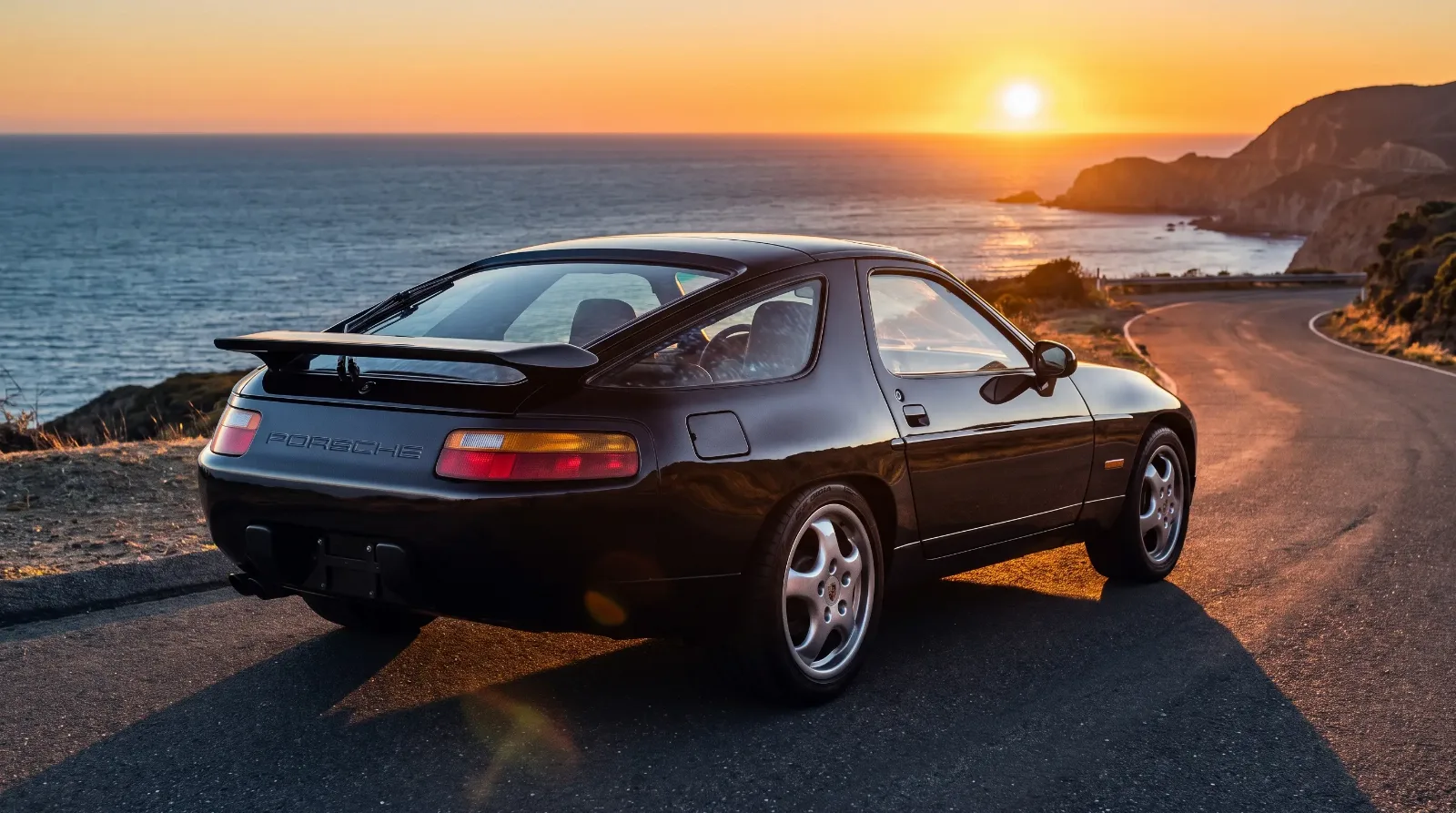
The 1987 model year 928 S4 changed the equation. Porsche carried over the 32-valve head introduced in 1985, moved to a fully digital Bosch Motronic engine management system, and reworked the intake and exhaust to suit. Output rose to 316 hp (320 PS) across all markets, a real gain over the 1985-86 cars, and it came with better part-throttle response and easier cold starts, not just a higher number on the window sticker.
Visually, the S4 is the easiest 928 to identify from a distance. Porsche reshaped the front and rear bumpers into smoother, more integrated units, added a fixed rear spoiler as standard, and cleaned up the side skirts. None of it was cosmetic vanity. Porsche's engineers were chasing a lower drag coefficient to match the new power, and the S4's bodywork reflects that as much as it reflects 1980s design taste.
| Spec | 928 S (US, early) | 928 S4 |
|---|---|---|
| Displacement | 4.7L (1980-84), 5.0L (1985-86) | 5.0L |
| Valvetrain | SOHC 2 valves/cyl (1980-84), DOHC 4 valves/cyl (1985-86) | DOHC, 4 valves/cyl |
| Power (US spec) | 234 hp (1983-84), 288 hp (1985-86) | 316 hp |
| Engine management | Bosch analog/hybrid injection | Bosch Motronic digital |
| Model years | 1980-1986 (Euro from 1980, US from 1983) | 1987-1991 |
Why the gap between them is bigger than a badge suggests
Treat the S and the S4 as different cars underneath a shared shape, because that is closer to the truth than treating them as trim levels. The S is a refinement of Ernst Fuhrmann's original 928 concept, built to satisfy buyers who thought the 1977 car was too soft. The S4 is Porsche admitting the block had more to give and rebuilding the top end to prove it, while also finally addressing the aerodynamics and switching the whole car onto modern digital controls. Anyone shopping used will notice the difference immediately in how the throttle responds and how the car pulls past 4,000 rpm.
Parts commonality between the two generations is decent at the block and chassis level, less so at the cylinder head and wiring harness level. A shop quoting a rebuild on an S4 head is not quoting the same job as a rebuild on an early S head, and buyers should ask specifically which generation a seller's parts and service records actually cover.
"People ask which 928 to buy like there's one answer. There isn't. The S is an honest evolution of Fuhrmann's original idea. The S4 is Porsche finally admitting the block could do more and rebuilding the top end to prove it."
— Tom Ramirez
What the factory records actually tell buyers
Porsche's own production documentation shows the S4 outselling both prior S variants combined over its run, which lines up with what dealers were reporting at the time: American buyers wanted the extra power and the friendlier electronics, and they were willing to pay for it. Production numbers on early US 928 S cars are comparatively thin, making clean, documented examples harder to source now than S4 cars from the same era.
None of this settles the debate cleanly, and it should not. The S rewards someone who wants the older, mechanically simpler car and does not mind chasing period-correct fuel injection parts. The S4 rewards someone who wants the definitive version of the front-engine V8 concept before Porsche pushed it even further with the GS and eventually the GTS. Both are legitimate answers to porsche 928 s vs s4, they just serve different owners. For the fuller arc of the model, the classic Porsche story covers where the 928 fits against the rest of the lineup.