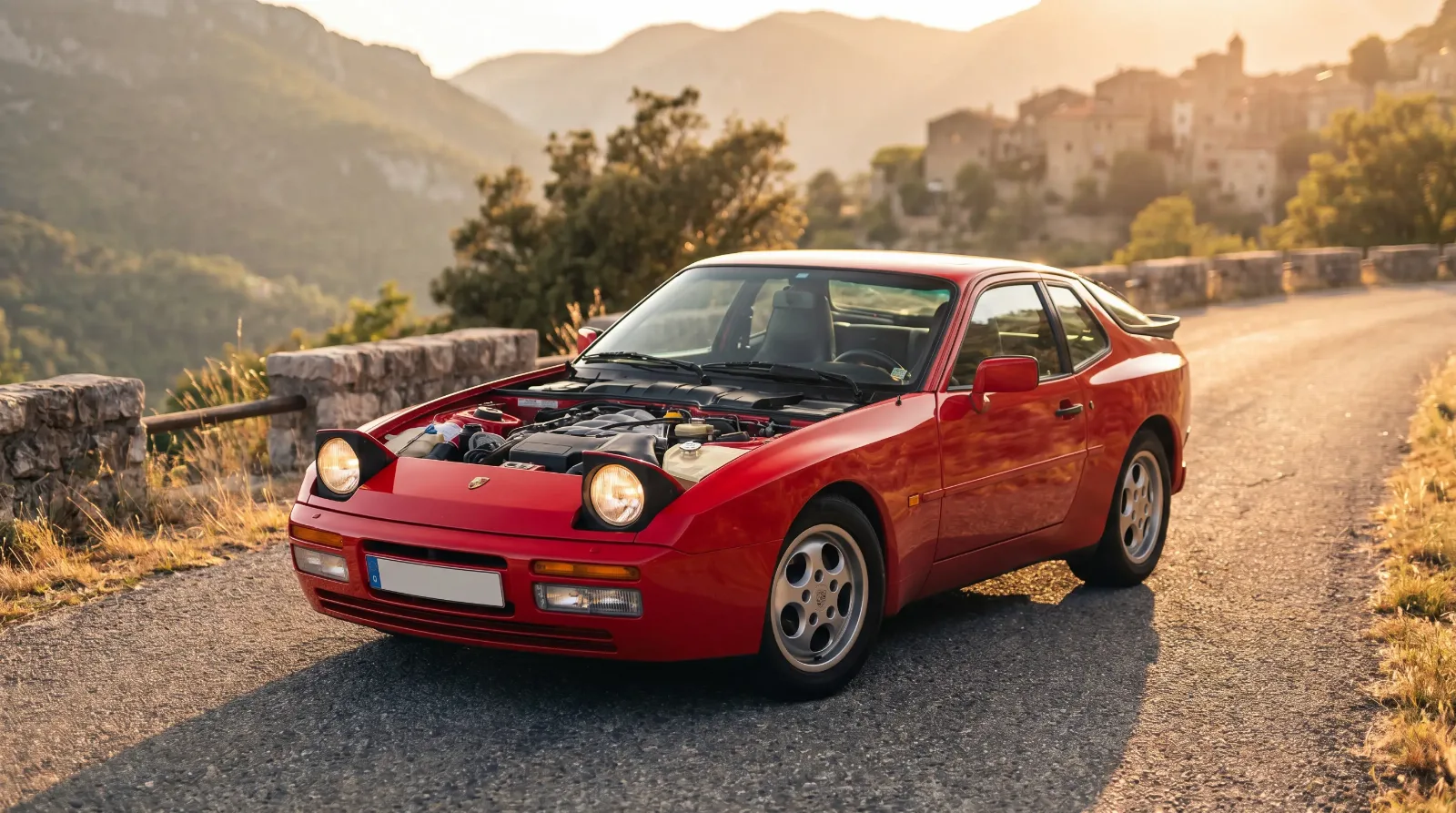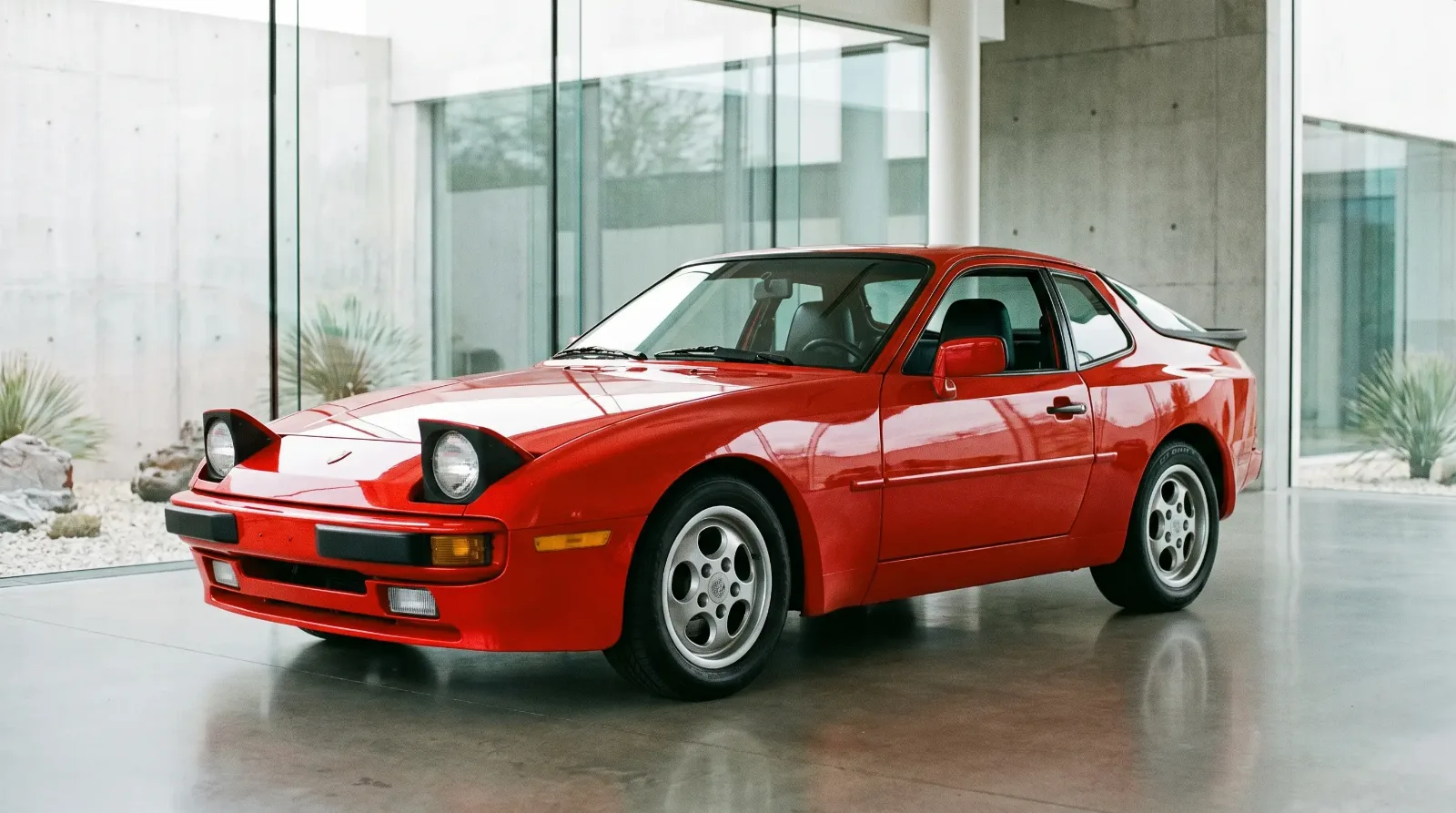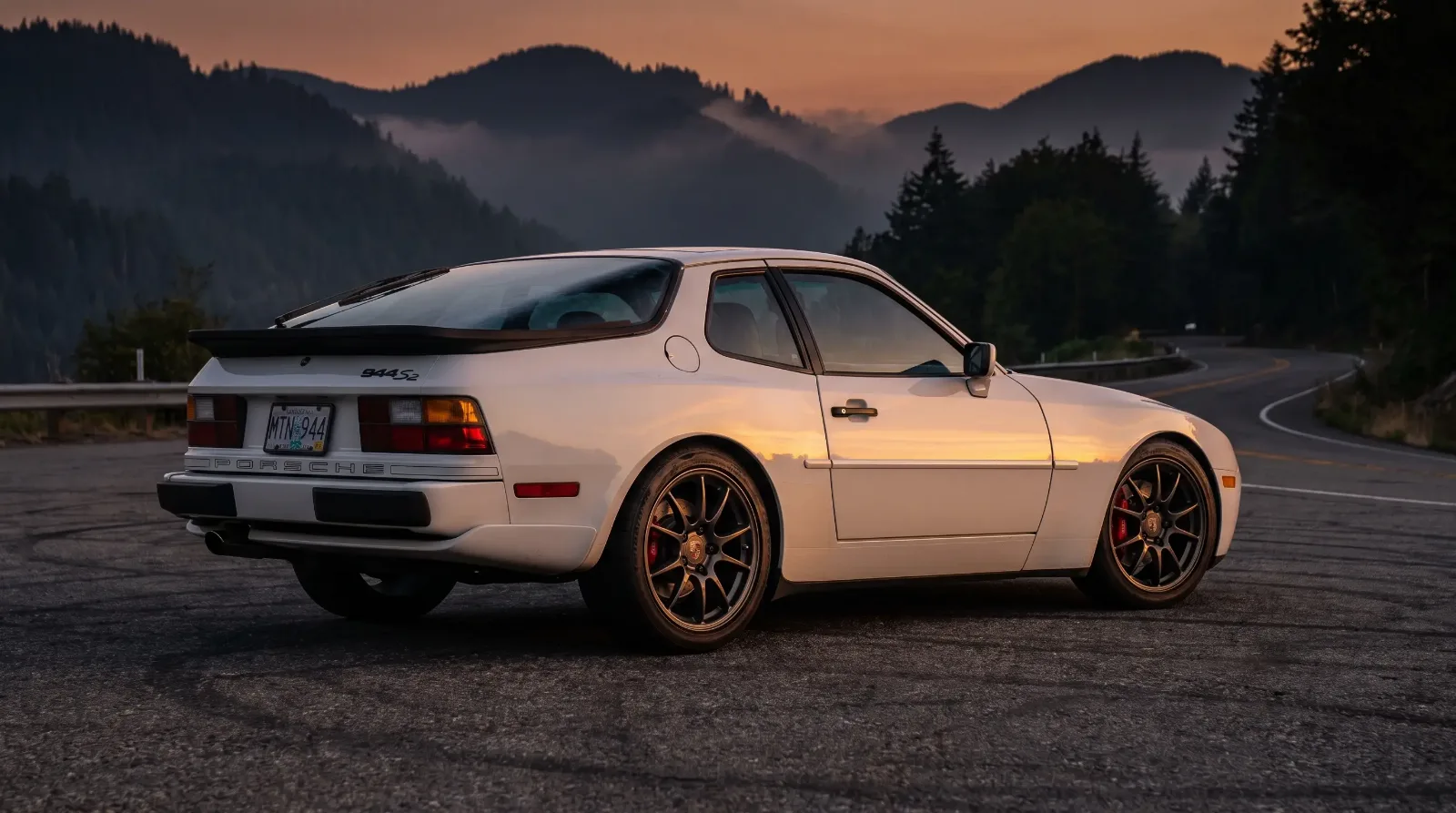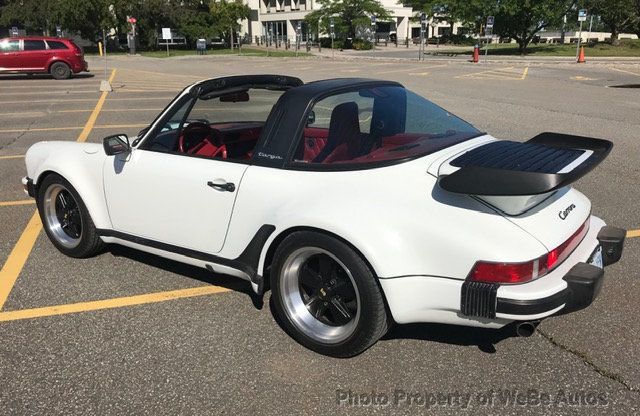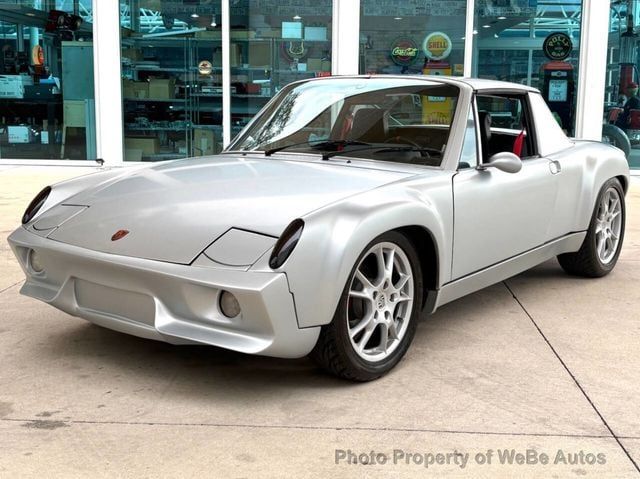
The Porsche 944 Turbo carries the factory code 951, and that code matters more than the badge does once you start shopping one. This is the car that made the naturally aspirated 944 look slow, and it did it with a single turbocharger bolted to an engine that was never supposed to need one. I have had my hands inside more than a few of these, and the 951 rewards people who understand it and punishes people who think it is just a 944 with a snail strapped on.
Porsche built the Turbo from 1985 through 1991, with a mid-cycle bump in 1988 that raised compression, added a bigger intercooler, and pushed output from 220 hp to 250 hp. That 1988-and-later car, often called the 951.2 by parts people, is the one most buyers should be hunting. The earlier 220 hp car is not a lesser machine, but it is the first draft. Porsche fixed the rough edges and then kept fixing them until the run ended.
What made the 951 different from the base 944
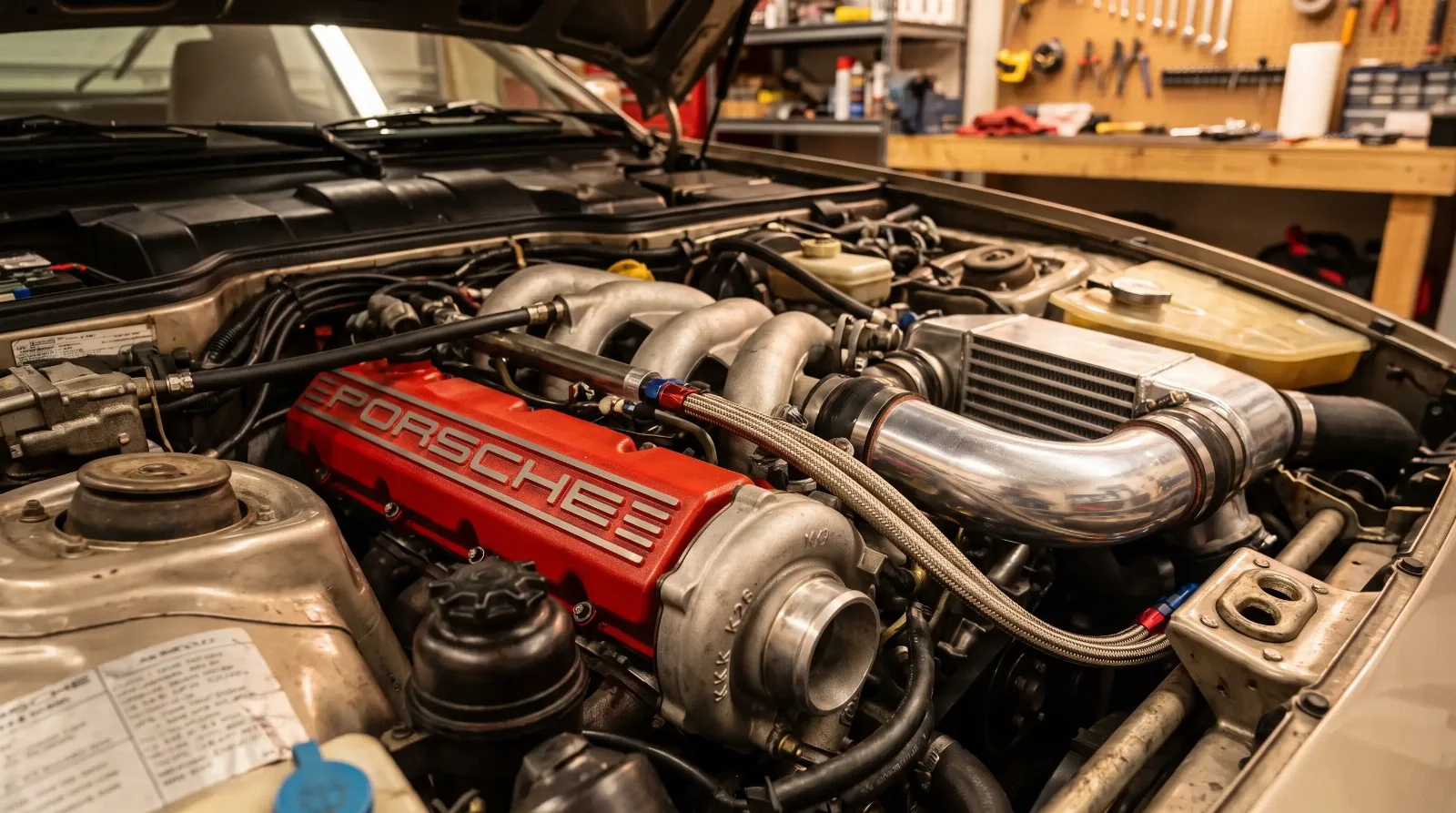
The base 944 used a naturally aspirated 2.5-liter inline-four with balance shafts, a Porsche and Mahle joint design licensed from Mitsubishi, that kept the big single smooth at revs where a four-cylinder normally shakes itself apart. The Turbo kept the balance shafts and the 2.5-liter displacement but added a KKK K26 turbocharger, a strengthened block, forged pistons, and an air-to-air intercooler mounted in the nose. Porsche also fitted bigger brakes borrowed from the 928, cross-drilled up front, and a stiffer suspension tune. The point was not just more power. It was a chassis built to use that power without falling apart doing it.
The transaxle layout stayed put. Engine in front, transmission at the rear axle, torque tube connecting the two. That is the same architecture running through the transaxle Porsches as a whole, and it is why the 951 handles like a much lighter car than its curb weight suggests. Weight distribution sits close to 50/50, and a turbo motor up front does not change that math nearly as much as people assume.
Engine and drivetrain, the parts that actually break
The 2.5-liter turbo four made 217 hp (220 PS) in early cars and 247 hp (250 PS) after the 1988 revision, with torque climbing from 243 to 258 lb-ft depending on year. Numbers on paper are fine. What matters in a shop is the timing belt and water pump interval, which Porsche specified at roughly 30,000 miles on these engines. Skip it and you are rolling dice with an interference engine. I have seen more than one 951 arrive on a flatbed because somebody figured a rubber belt could go one more summer.
The other item people ignore is the timing belt tensioner and the water pump bearing together, since replacing one without the other on a job this labor-intensive is a false economy. Clutch life on manual cars runs shorter than owners expect if the car has been driven hard, and the dual-mass flywheel setup on later cars adds cost when it finally gives out. None of this makes the 951 fragile. It makes it a car that punishes deferred maintenance harder than most.
| Spec | 1985-87 951 | 1988-91 951 |
|---|---|---|
| Engine | 2.5L turbo inline-four | 2.5L turbo inline-four |
| Power | 217 hp (220 PS) | 247 hp (250 PS) |
| 0-60 mph | ~5.9 sec | ~5.7 sec |
| Brakes | 928-derived, cross-drilled | 928-derived, cross-drilled, larger rear |
| Transmission | 5-speed manual, 3-speed auto optional | 5-speed manual, 3-speed auto optional |
Why it earned the giant-killer reputation
Automotive press in the late eighties put the 951 against 911s of the era and the 951 held its own in a straight line and often beat them through corners, thanks to a lower center of gravity and better weight balance. That is where the giant-killer name comes from. It was not marketing copy Porsche invented. It was a fact that embarrassed some 911 owners at the time, and it still does at track days now, when a well-sorted 951 on the right tires runs down cars that cost three times as much.
The Turbo S variant, built for a short run starting in 1988, added the M030 suspension package with Koni adjustable dampers, a limited-slip differential, and a small power bump. Original M030 cars are rare and priced accordingly. Most 951s on the market today are standard Turbos, which is fine. The standard car is plenty of machine for a street car or a weekend track toy, and parts are easier to source.
What to check before you buy one
Start with service records for the timing belt and water pump. If there are none, budget for the job immediately regardless of what the seller claims about "recent maintenance." Check the torque tube center bearing and guibo couplings for play, since that driveline runs the length of the car and wear there shows up as vibration under load. Look at the intercooler piping for cracked boots, a common failure point that costs boost and drivability. Rust shows up around the rear hatch, the battery tray, and the front lower fenders on cars that lived somewhere with winters.
"A 951 with full records and a fresh belt job is a bargain sports car. The same car with a mystery history is a project you haven't started paying for yet."
— Mike Sullivan
Where the 951 fits in the story
The 944 Turbo is the performance answer inside the four-cylinder Porsche lineup, the car that proved a front-engine transaxle chassis could hang with the flagship. If you want the version built purely for grip and balance without the boost, that is a different chapter, and you can keep reading the series to see how Porsche pushed the naturally aspirated route to its own limit. Either way, the 951 remains one of the more honest performance bargains from the era, and shoppers hunting a classic Porsche 944 for sale should put the Turbo near the top of the list if the budget allows for the extra maintenance discipline it demands.