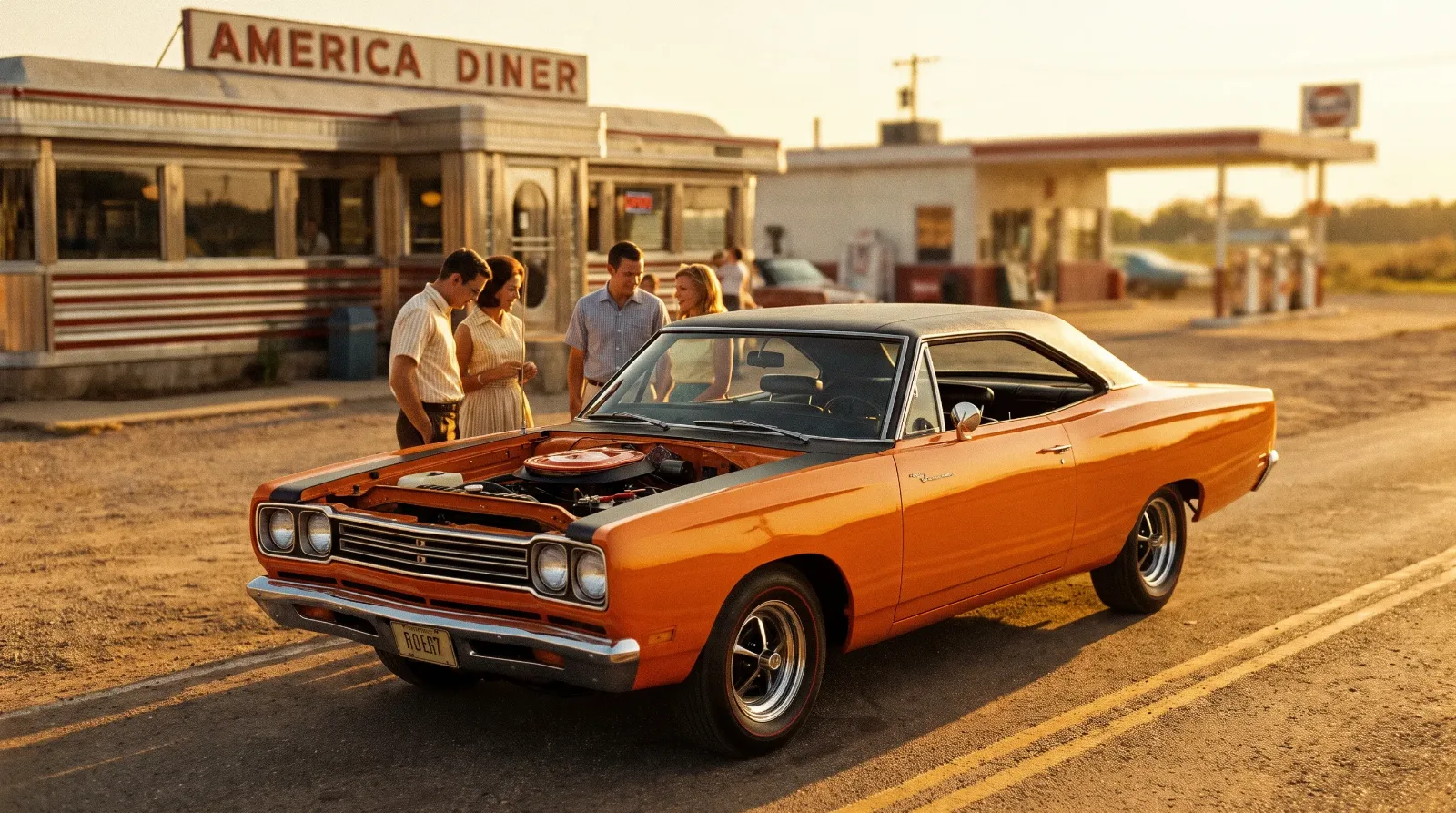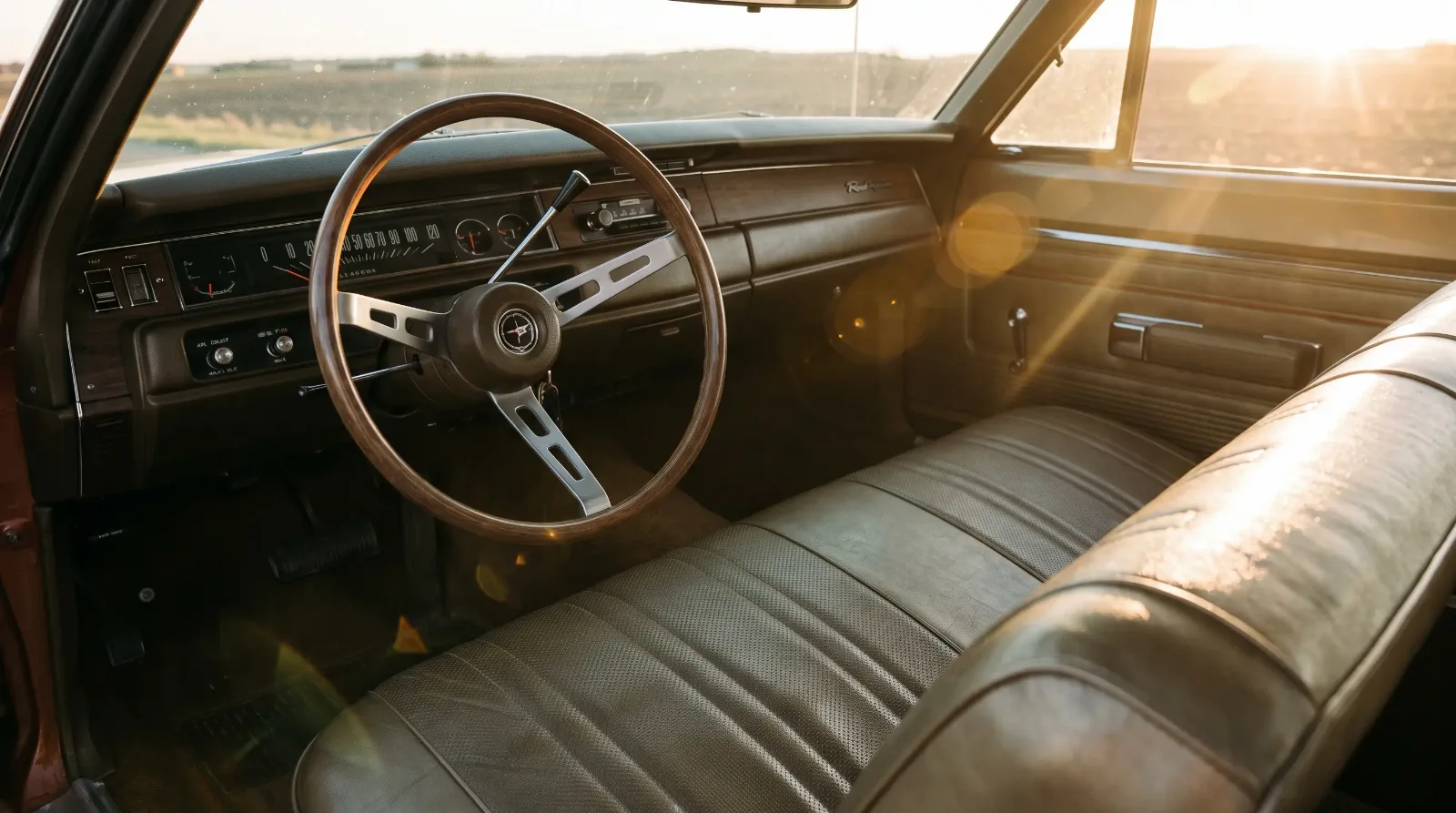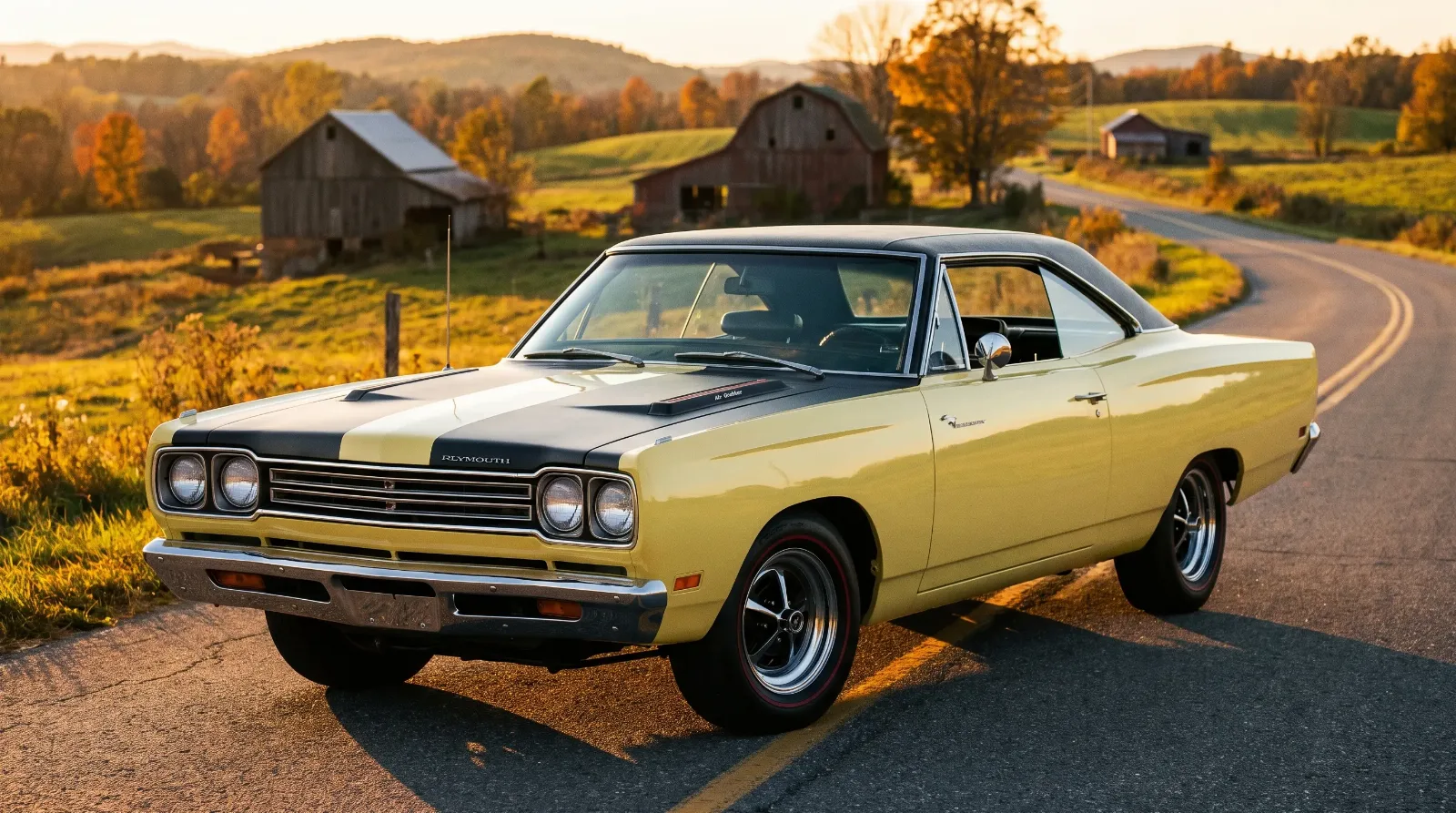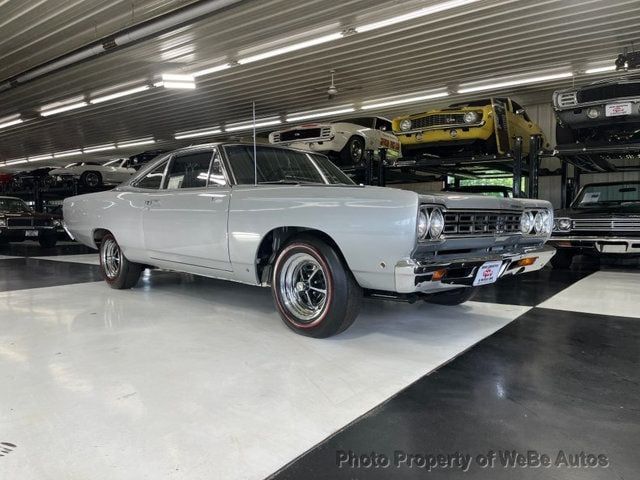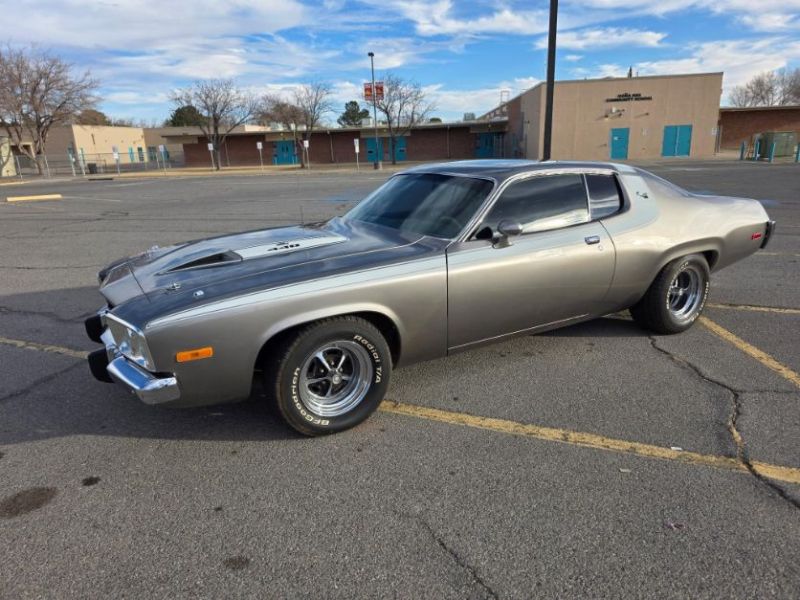
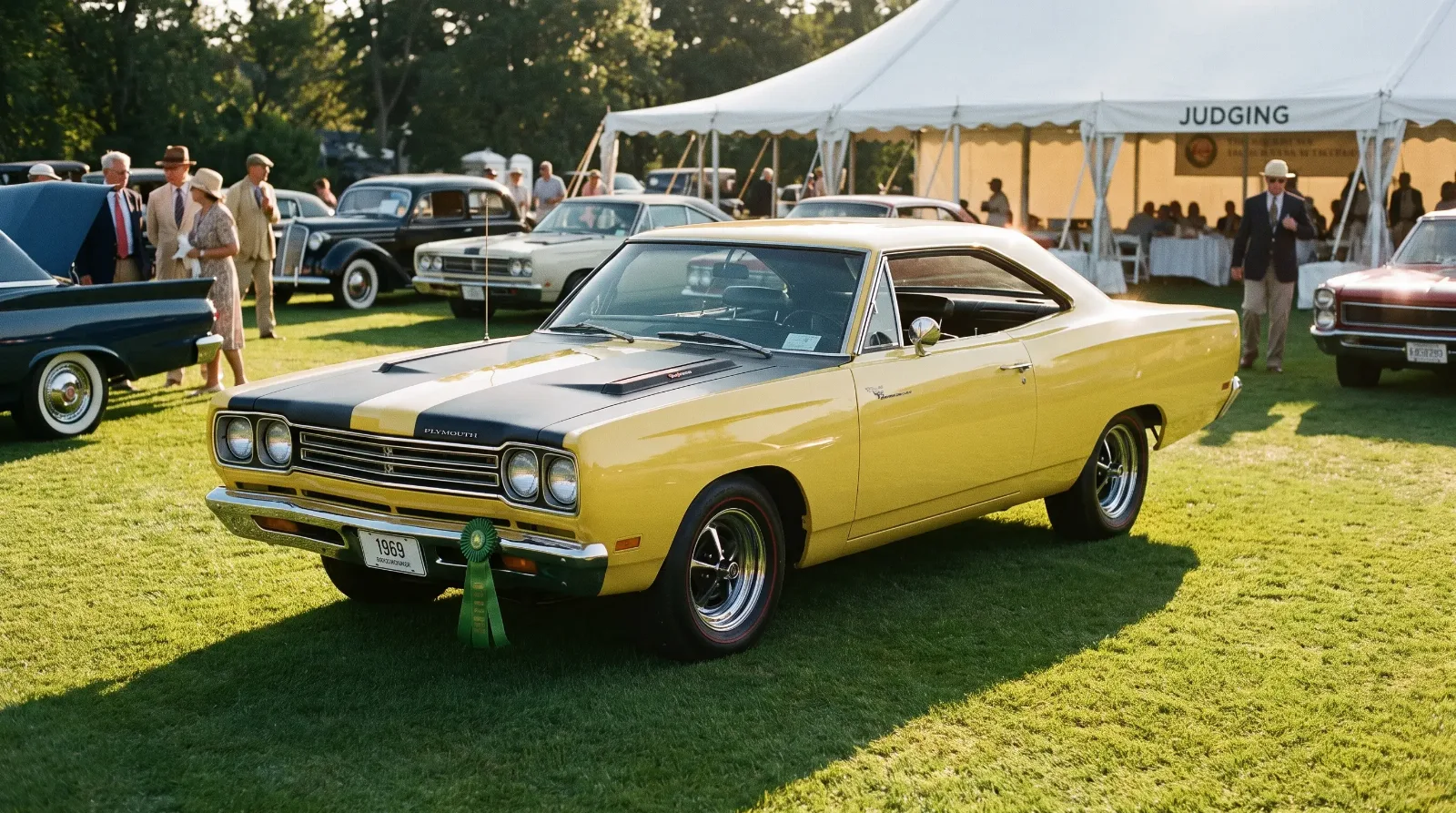
Ask ten Mopar buyers which model year makes the best 1969 road runner collectible and most of them will land on the same answer without much hesitation. Not 1968, which started the whole thing but lacked refinement. Not 1970, which brought a heavier face lift and a shrinking sales chart. 1969 sits in the middle of the run as the year Plymouth got the formula right and the market has priced it that way for over a decade.
The numbers behind the reputation
Plymouth moved roughly 84,420 Road Runners for the 1969 model year, a figure that dwarfs both 1968 and 1970 production and represents the high water mark for the nameplate before the market began fragmenting into more specialized muscle car offerings. Volume alone does not make a car collectible, obviously, but it does mean parts availability, documentation, and community knowledge are deeper for 1969 cars than for almost any other year in the model's run. That depth of support matters enormously once a buyer decides to actually own one rather than just admire it from a magazine page.
Within that production run, the true rarities carry disproportionate value. The 426 Hemi option, ordered by a small fraction of buyers, turns an already desirable car into a six figure proposition when documentation checks out. The 440 Six Barrel, introduced mid year, adds another layer of scarcity that serious collectors track closely.
Why the styling still tests well
Design opinion is subjective, but auction results are not, and 1969 cars consistently outperform comparable 1968 and 1970 examples in similar condition. The single headlight face, unbroken by the 1970 model's twin headlight treatment, reads as cleaner to most buyers shopping today. The coke bottle profile Chrysler's stylists drew for the B-body platform hit its best proportions in this middle year, before the 1970 refresh added weight to the front and rear fascias.
Collectors shopping seriously for the year should reference our complete history of the 1969 Road Runner before committing capital, since the details that separate a strong buy from an overpriced clone live in build codes and options, not just curb appeal.
Condition and documentation move the needle harder than color
In this market, a numbers matching 1969 Road Runner with a documented broadcast sheet routinely sells for a premium over an equivalent car missing that paperwork, sometimes by a wide margin. Buyers have become sophisticated enough to discount clones and re-creations heavily, even attractive ones, because the supply of genuine documented cars is finite and shrinking as more of them land in permanent collections.
Paint color plays a smaller role than people assume. Yes, certain high impact colors from the 1969 palette carry a following, but a well documented car in a common color will still outsell an undocumented car in a rare color more often than not. That is a market maturity signal. Buyers are pricing provenance first and cosmetics second.
How 1969 compares against its own siblings
The GTX offered a plusher version of the same platform for buyers willing to pay more for trim and comfort, and the Road Runner's whole positioning was built to undercut it. That original pricing gap has, ironically, reversed itself in the collector market. Base Road Runners with big block engines now often exceed GTX values for comparable condition, because the Road Runner's cartoon badge and stripped down image have aged into cultural icon status that the GTX never quite achieved.
| Factor | Why it matters for 1969 value |
|---|---|
| Engine option | 426 Hemi and 440 Six Barrel command the largest premiums over base 383 cars |
| Body style | Convertibles are the scarcest, hardtops are the most liquid at auction |
| Documentation | Broadcast sheet and matching numbers materially raise realized prices |
| Condition | Unrestored original cars increasingly outsell restorations in comparable cosmetic shape |
"I tell clients the same thing every time they ask about entry level muscle car investment. 1969 is not the flashiest year and it is not the rarest year, but it is the year with the deepest, most liquid market, and liquidity is what protects your downside when you eventually need to sell."
- David Mercer
Reading the current market before you buy
Auction results over the past several seasons show 1969 Road Runners holding value more consistently than several flashier contemporaries, a trend driven by baby boomer collectors who came of age with the nameplate and younger buyers drawn to its cartoon branding and relative affordability compared to a Hemi Cuda or a Boss 429. That two generation demand base is unusual in this segment and it is a large part of why analysts consider the year a comparatively safe entry point.
Anyone actively shopping should browse classic Runner listings and compare asking prices against recent hammer prices for similar documented cars before making an offer, since asking prices in this segment still run ahead of what cars are actually realizing at auction in a meaningful number of cases.
Regional variation adds another wrinkle. Cars that spent their lives in dry climates like Arizona or inland California tend to command a premium over comparable examples from rust belt states, even when both have been fully restored, simply because buyers correctly assume less hidden corrosion repair on a body panel level. Sellers know this, and asking prices from western states often reflect it before any inspection has even taken place.
What tends to trip up first time buyers
The most common mistake I see in this segment is buyers falling for a strong paint job and forgetting to ask harder questions about matching numbers, correct casting dates on the engine block, and whether the VIN tag has ever shown signs of tampering. A fresh restoration can hide a multitude of substitutions, and a car with a re-stamped fender tag will still look correct in every photo a seller posts online. This is precisely why third party inspection before purchase has become standard practice for any transaction above a few tens of thousands of dollars in this market.
Financing also behaves differently in this segment than in mainstream car buying. Specialty lenders who understand collector car values will often appraise a documented 1969 Road Runner more favorably than a generic used car loan would, because the asset itself is viewed as comparatively stable collateral. That said, buyers should never assume a bank's appraisal replaces an independent marque specialist's inspection, since the two serve very different purposes and protect against different risks.
The takeaway for a serious buyer
1969 earned its reputation as the collector's choice year through a combination of production volume, styling that has aged well, and a documentation culture within the hobby that rewards buyers who do their homework. It is not the rarest Road Runner year and it will never be. It is, however, the year where a careful buyer can still find a genuinely correct car without needing a blank check, and that balance of accessibility and desirability is exactly what keeps demand steady across market cycles.