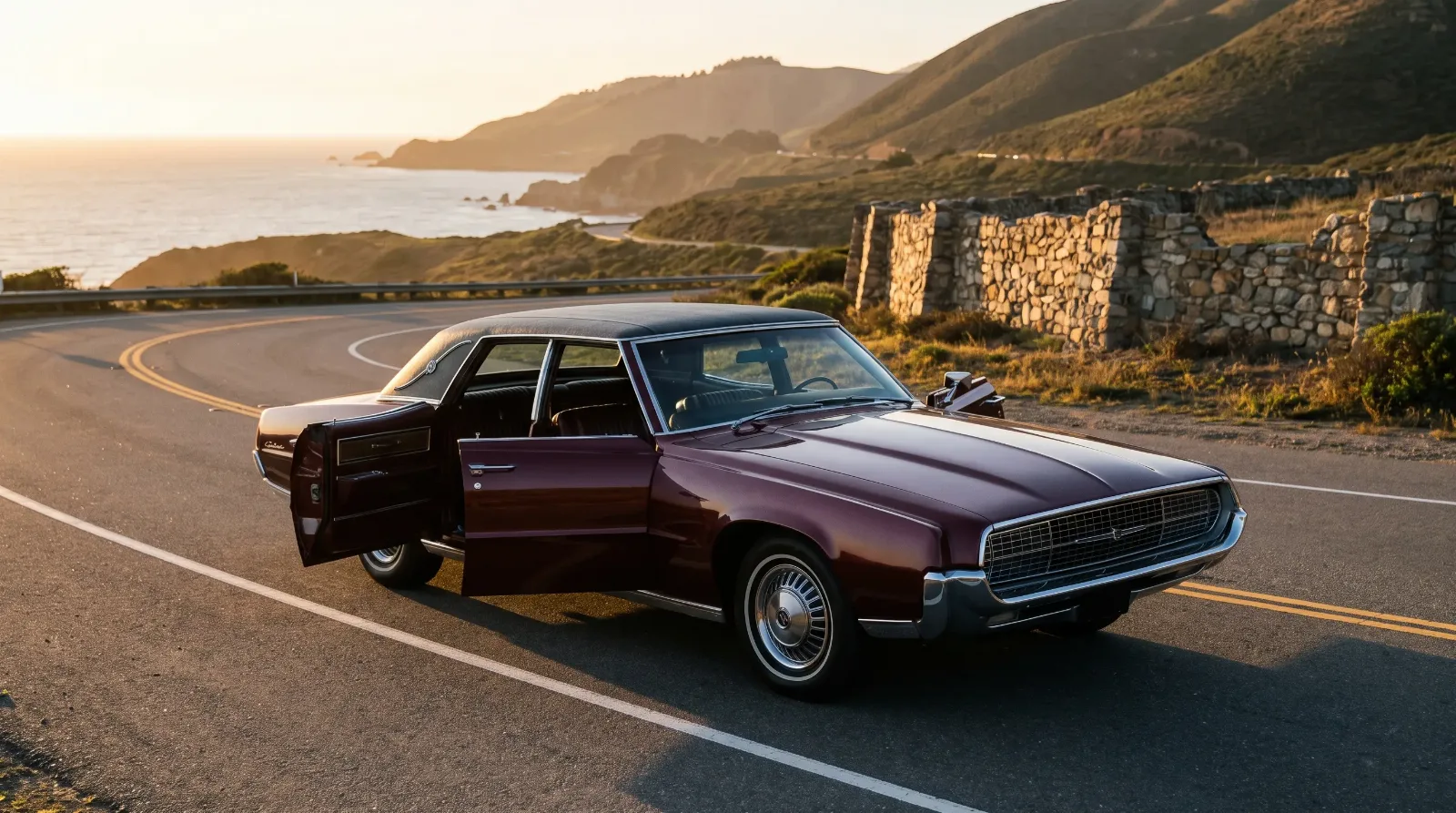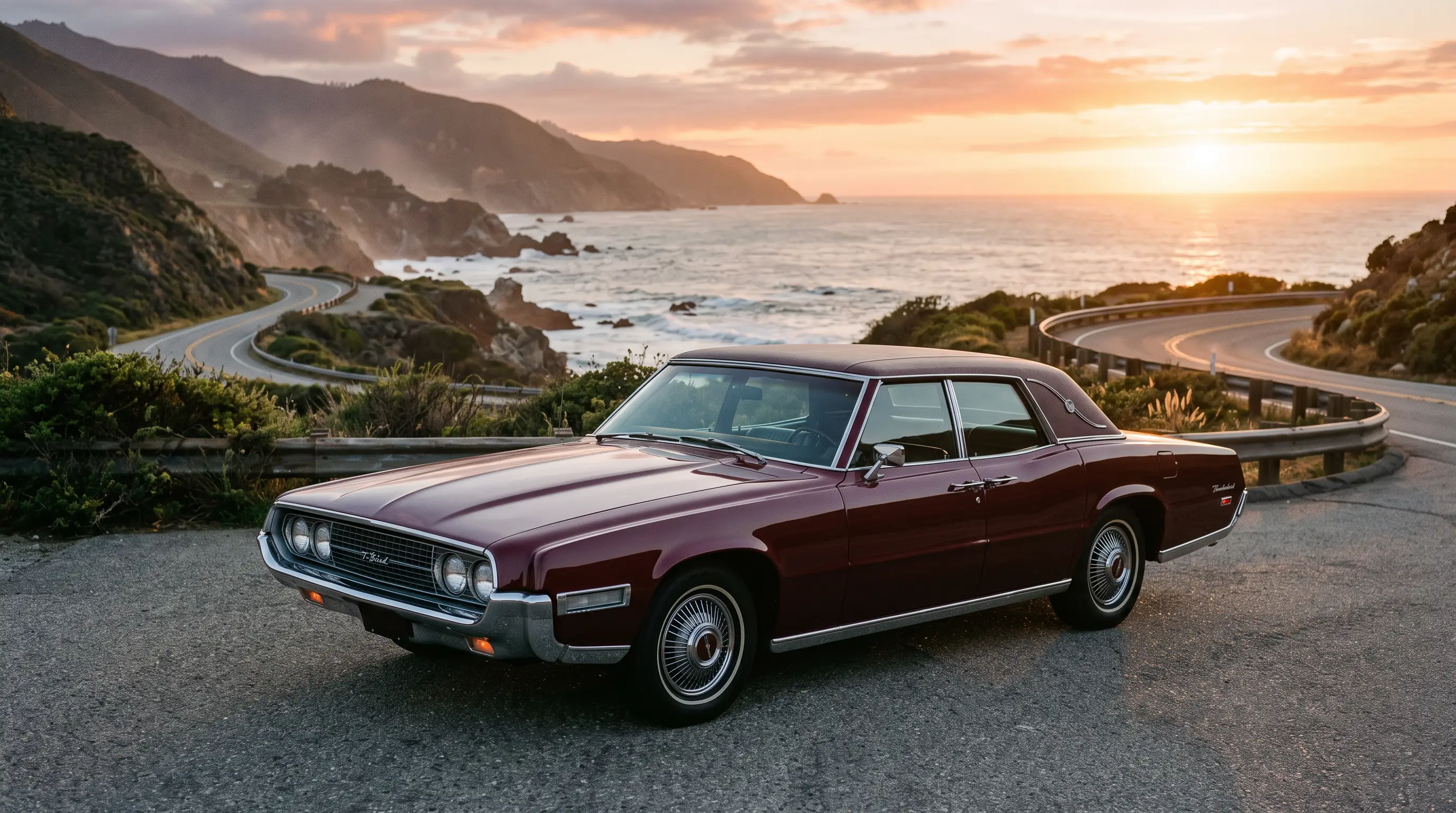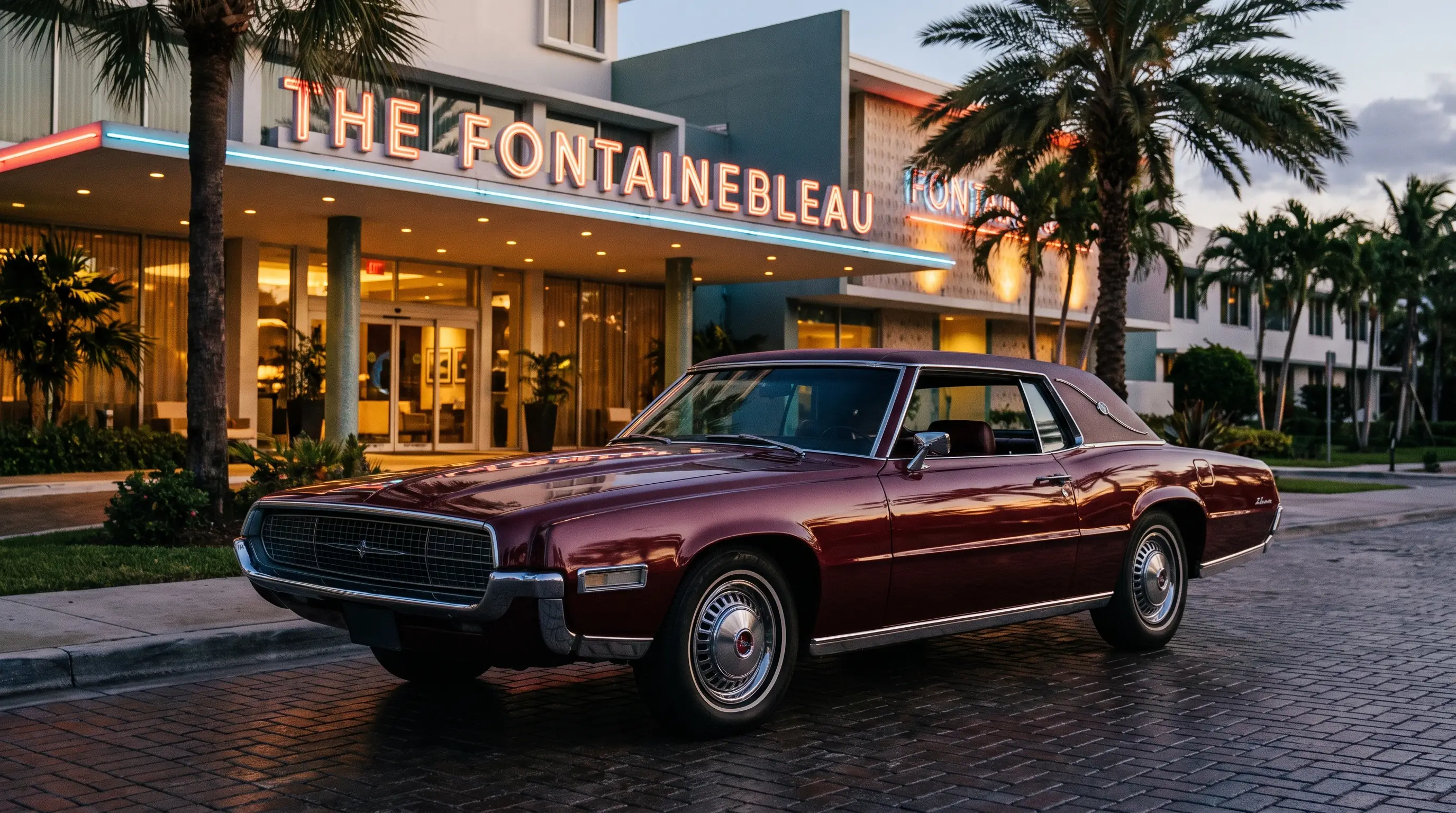
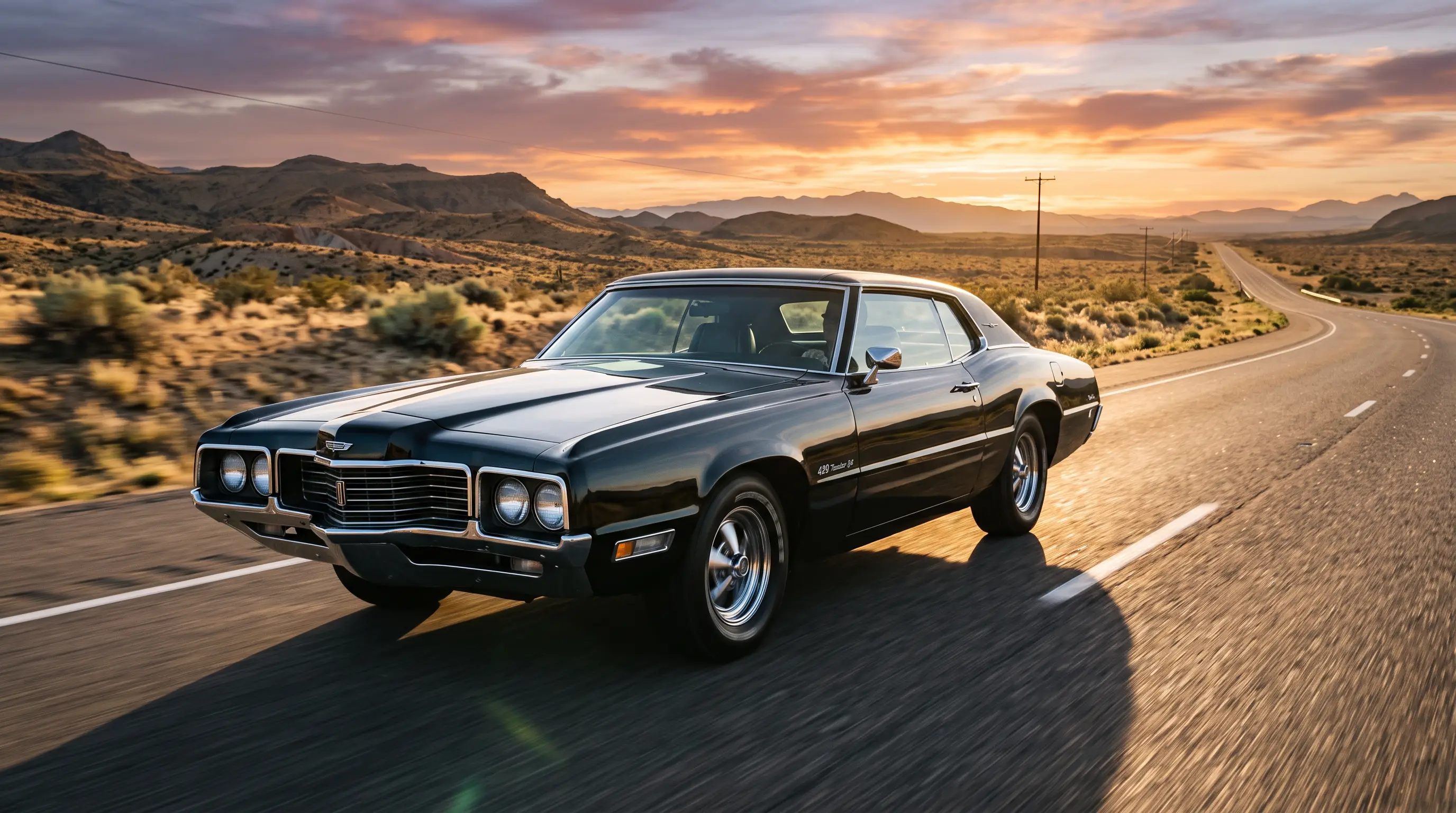
Displacement alone doesn't tell you much about an engine's character, but 429 cubic inches gets your attention regardless of what you already know about the Ford big-block family. The thunderbird 429 thunder jet became available partway through the fifth generation's production run, and it remains one of the more underappreciated engines Ford ever put in a Thunderbird, largely because it arrived in a car more associated with formal styling and passenger comfort than outright performance. That reputation undersells what the engine actually delivered, and it's worth separating the marketing language from the measured reality.
Where the 429 fit in Ford's lineup
Ford's 385-series big-block family, which the 429 belongs to, was engineered as a modern replacement for the older FE-series big-blocks that had powered performance and full-size Ford products through the 1960s. The 429 arrived as one of the earliest members of that family, sharing its basic architecture with the larger 460 that would follow. Thin-wall casting techniques let Ford build a physically large-displacement engine without the excessive weight penalty older big-block designs carried, an engineering detail that mattered directly for a personal luxury car like the Thunderbird, where Ford's engineers cared as much about front-to-rear weight balance and ride quality as they did about raw output.
Ford rated the Thunder Jet 429 at 360 horsepower and 480 lb-ft of torque, SAE gross, when it arrived as an option partway into the 1968 model year and carried through 1969 and 1970 largely unchanged. Those are gross figures, the industry-standard measurement method before the switch to net ratings in the early 1970s, so they read higher than a modern net number would for the same engine. What's not in dispute is the engine's role: it was the top available powerplant for buyers who wanted the Thunderbird's formal presence without giving up meaningful acceleration, positioned above the standard 390 and smaller engine offerings in the lineup for this generation.
How it changed the car's character
A Thunderbird equipped with the 429 doesn't drive like a muscle car, and it was never meant to. The engine's real contribution was effortless highway pull and confident passing power in a heavy, well-equipped car that could easily have felt underpowered with a smaller engine straining to move its curb weight. That distinction matters when evaluating period road tests and owner accounts, since judging the 429 Thunderbird against contemporary muscle car benchmarks misses what the engine was actually engineered to accomplish. Ford wasn't chasing quarter-mile numbers with this application. The company was making sure a large, heavily optioned personal luxury coupe or four-door never felt strained by its own mass, and by most period accounts the 429 delivered exactly that.
This ties directly into the broader story of the fifth generation's redesign, covered in more detail in more on the 1967 ford thunderbird, where the car grew significantly in size and weight compared to the Flair Bird generation that preceded it. A bigger, heavier car needs a correspondingly capable engine to avoid feeling sluggish, and the 429's availability tracks directly with that growth in the car's dimensions and mass.
Comparing it to the earlier engines
Thunderbird buyers earlier in the model's history had access to a different set of engine options entirely, going back to the nameplate's origins covered in where this started, the foundational piece on the whole Thunderbird lineage. Each generational redesign brought engine changes suited to that specific car's weight, mission, and competitive positioning. The step up to the 429 for the fifth generation reflects the same pattern: a bigger, heavier, more formally positioned car needed and got a bigger engine to match, continuing a relationship between vehicle mass and engine displacement that runs through the entire Thunderbird story from one generation to the next.
| Attribute | 429 Thunder Jet |
|---|---|
| Engine family | Ford 385-series big-block |
| Displacement | 429 cubic inches |
| Construction technique | Thin-wall casting |
| Positioning in lineup | Top available engine for the fifth-generation Thunderbird |
| Primary role | Effortless highway performance in a heavier personal luxury car |
How it compares within the 385-series family
The 429 sat below the eventual 460 within Ford's 385-series big-block lineup, but it was never treated as a lesser engine within that family. Ford used displacement variants of the 385-series across multiple divisions and vehicle lines through the following decade, and the 429's specific tuning for the Thunderbird application emphasized smooth, broad torque delivery over peak horsepower numbers, consistent with the car's mission as a comfortable, confident highway cruiser rather than a stoplight competitor. That tuning philosophy shows up in how these cars actually drive today. Owners consistently describe the power delivery as linear and unhurried rather than peaky, a character that suits the car's weight and intended use far better than a more aggressive, high-strung tune would have.
Cooling system capacity and accessory drive components were also sized specifically for the big-block's demands in this application, which matters for anyone sourcing replacement parts today. Radiator capacity, water pump specifications, and belt routing for the 429-equipped Thunderbird differ from the smaller-engine cars in the same generation, and mixing components across engine options without checking compatibility is a common and avoidable mistake among owners doing their own maintenance.
What to check if you're evaluating one today
A Thunderbird advertised with the 429 deserves the same scrutiny any big-block classic does before purchase. Confirm the engine matches the car's original build documentation rather than assuming a big-block under the hood is necessarily the numbers-matching original unit, since engine swaps happened over the decades for all kinds of reasons, from a blown original engine replaced with whatever big-block was on hand at the time, to later owners chasing more power. A verified original 429 installation, confirmed against factory documentation, carries more value and more historical integrity than an unverified engine of the correct type installed later.
"The 429 gets overlooked because people expect a Thunderbird to be about comfort, not muscle, and then they're surprised when the numbers show up respectable next to contemporary big-block full-size cars. It was never trying to win a stoplight drag race. It was built to make a heavy car feel light on the highway, and that's a different kind of engineering problem entirely."
- Emily Chen
Transmission pairing is worth confirming as well. The 429-equipped cars in this generation were matched with Ford's heavier-duty automatic transmission calibration suited to the engine's torque output, and a mismatched or later-swapped transmission can change how the car actually delivers that power on the road, regardless of what's stamped on the engine block itself. A careful pre-purchase inspection should treat the drivetrain as a system rather than checking the engine in isolation from what's bolted behind it.
For buyers specifically hunting a 429-equipped example, patience pays off, since not every fifth-generation Thunderbird on the market carries this engine and sellers don't always advertise the distinction clearly in a basic listing headline. Cross-reference the build documentation against whatever's actually under the hood before you commit, and if you're browsing broadly, classic Thunderbirds on the market are worth filtering by engine option rather than relying on trim level alone, since the two don't always correlate the way a casual buyer might assume.